


Gold Scroll Pendant
These gold scroll pendant pieces combine scrolling metalwork and precious stones, offering wearable history for everyday collections.
Gold Scroll Pendant
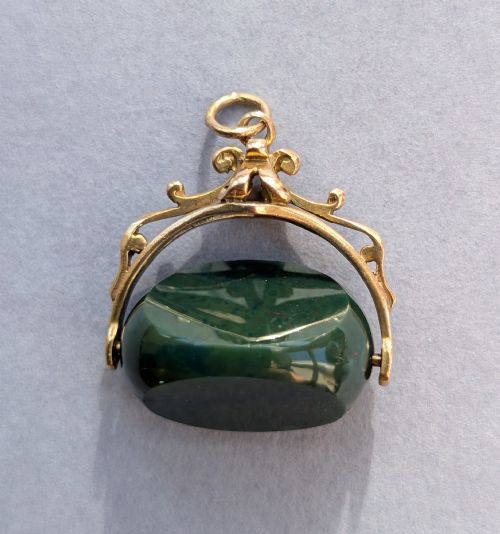
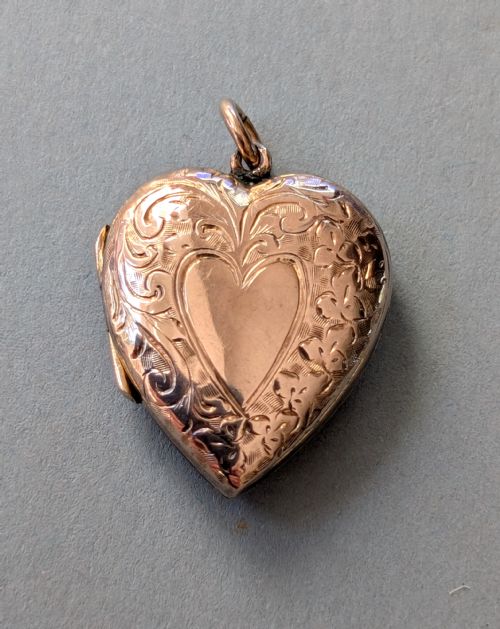
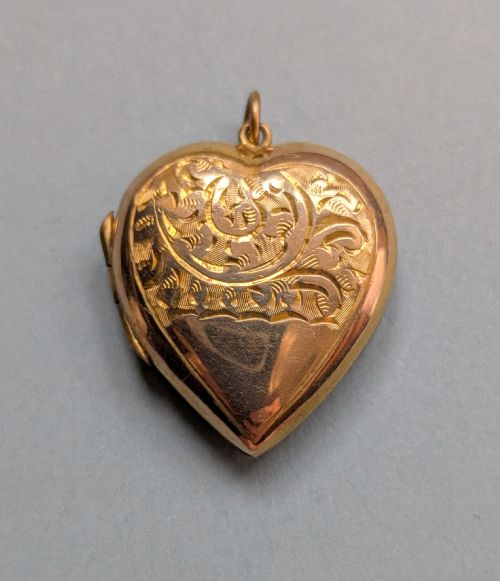
A gold scroll pendant brings together warm yellow or rose gold settings and intricate scrolling metalwork. These pieces span periods from the Victorian era through the mid-twentieth century, capturing diverse historical revivals.
Buyers encountering this search phrase often meet lockets, lavalieres, and gemstone drops framed in decorative wirework. The designs range from floral Edwardian motifs to patterned mid-century ovals.
Materials vary from nine-carat and fourteen-carat gold to gilt metal, frequently accented with diamonds, seed pearls, quartz, and garnets. Each piece reflects the decorative priorities of its specific decade of origin.
Materials and construction
Craftsmen shaped nine-carat and fourteen-carat gold into delicate wire scrolls, often combining cast elements with hand-engraved surface details. Back-and-front locket construction allowed lightweight hollow forms to maintain structural integrity.
Gemstones including diamonds, seed pearls, and coloured quartz were flush-set or claw-set into the gold frameworks. Soldered bale attachments completed the pendants, ready to hang from fine chains.
Secret keepsakes live inside these scrolls, proving that Victorians loved carrying tiny portraits right over their heart.
Judging quality and execution
The crispness of the engraved scroll patterns and the symmetry of the wirework define the upper tier of these pieces. Superior examples display clean solder joints and secure stone settings that hold firmly under daily wear.
Depth of metal gauge and the quality of the selected gemstones separate standard production from finer workshop output. Well-preserved hallmarks and intact original hinges on locket compartments add significant integrity to the piece.
C'est Laudier·B & F
The Gold Scroll Pendant Glossary
- Lavaliare
- A pendant featuring a central drop stone suspended from a shorter secondary drop below a main necklace chain. This Edwardian and Victorian form often incorporates seed pearls.
- Back and front
- A manufacturing method where gold plates are soldered to a base metal core to provide rigidity while keeping the exterior surface in solid gold.
- Seed pearl
- A very small, natural or cultured pearl used extensively in Victorian and Edwardian cluster designs and border patterns.
- Scroll
- A decorative spiral or curved ornamental motif resembling a rolled piece of parchment, central to the metalwork of these pendants.
Gold Scroll Pendant: Frequently Asked Questions
What periods do these pendants come from?
The available pieces originate primarily from the Victorian, Edwardian, and mid-twentieth-century decades, including items from the 1920s to the 1960s.
Each era brings distinct stylistic touches, ranging from organic garnet lavalieres to structured 1950s engraved lockets.
What metals are used in these pieces?
Gold is the predominant metal, appearing in nine-carat yellow, nine-carat rose, and fourteen-carat variations. Some examples also incorporate gilt metal or brass elements.
The gold is frequently paired with contrasting silver settings for gemstones or left in warm polished finishes.
How were these lockets worn?
These pendants were suspended from matching chains or ribbons as personal neckwear, often keeping miniature portraits or locks of hair hidden inside.
The hinged compartments of the lockets open to reveal secure inner frames for photographic mementos.
Are gemstones standard in these designs?
Many designs incorporate stones such as diamonds, seed pearls, garnets, aquamarines, and yellow quartz. These gems act as focal points or delicate borders around the central gold scrollwork.
Unadorned engraved gold versions also appear alongside the stone-set variations.
How do I identify an Edwardian piece?
Edwardian items typically feature light, airy openwork designs, often using platinum-topped gold and delicate seed pearl accents. The overall aesthetic favours graceful curves and botanical motifs.
Maker marks and specific period hallmarks inside the bail or rim help confirm the timeline.