
Gold Sapphire Jewellery
Gold sapphire jewellery brings together centuries of blue and pink gems set in precious metals for daily wear.
Gold Sapphire Jewellery
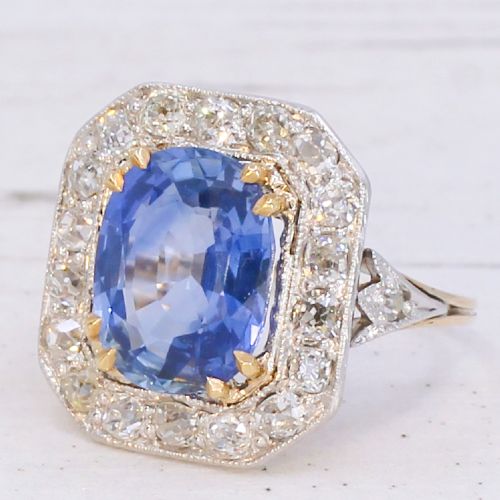
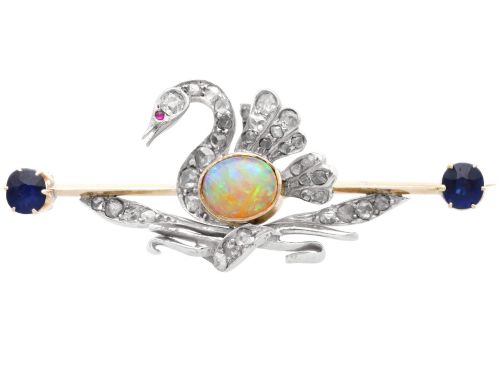
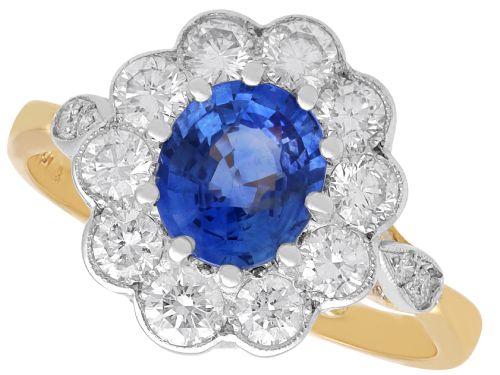
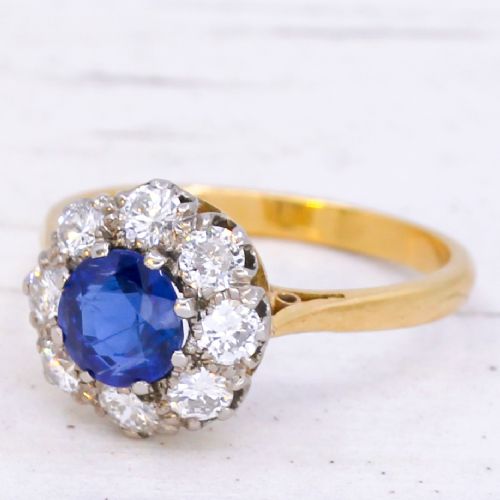
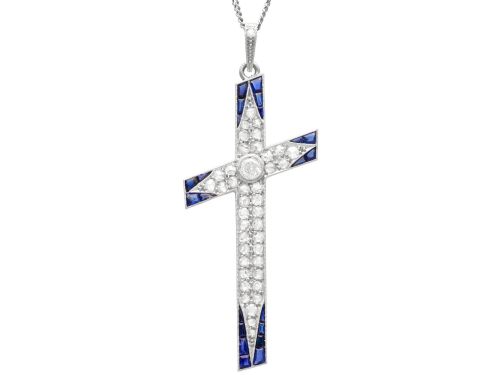
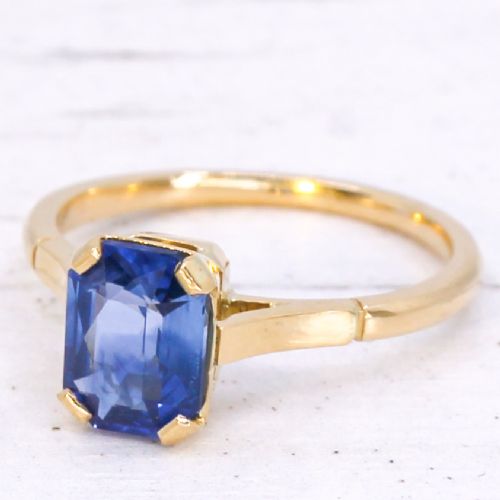
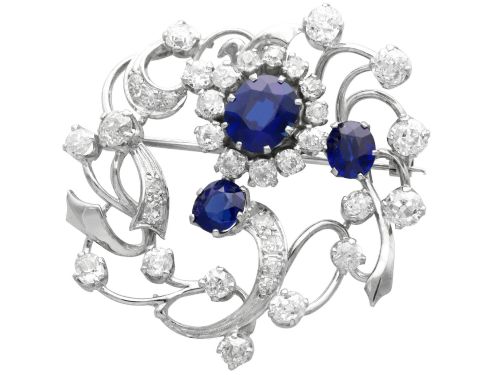
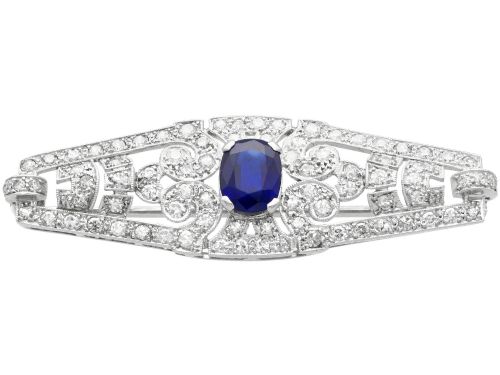
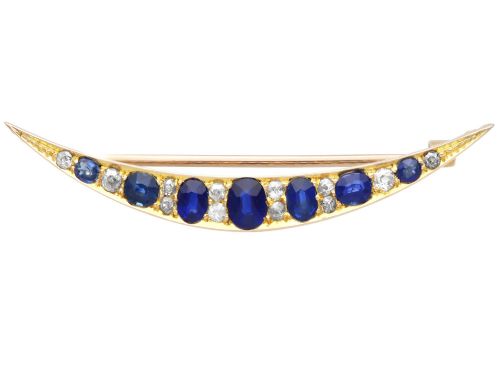
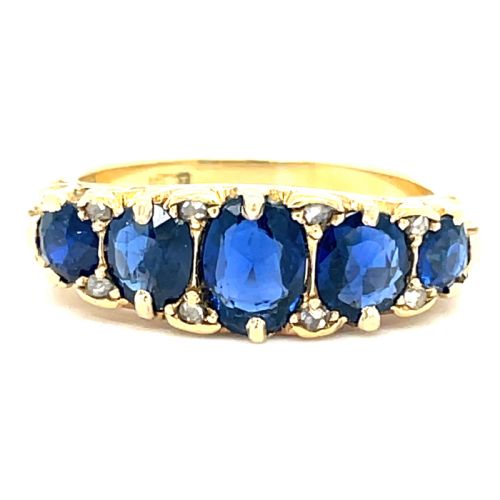
Gold sapphire jewellery spans rings, necklaces, earrings, brooches and bracelets originating from Victorian, Edwardian, Art Deco and mid-century periods. Buyers seeking these items encounter cluster rings set with diamonds, alongside fringe necklaces, drop earrings and double bar brooches.
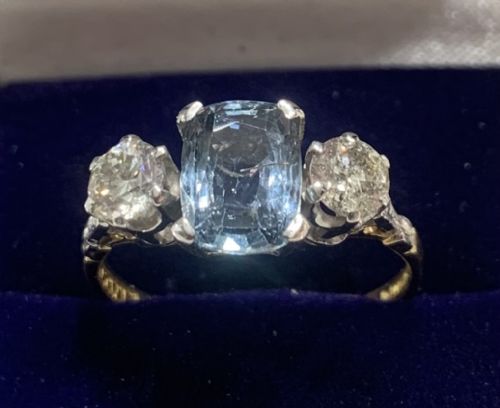
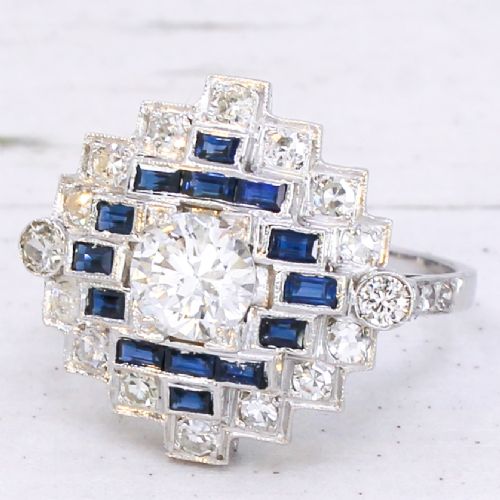
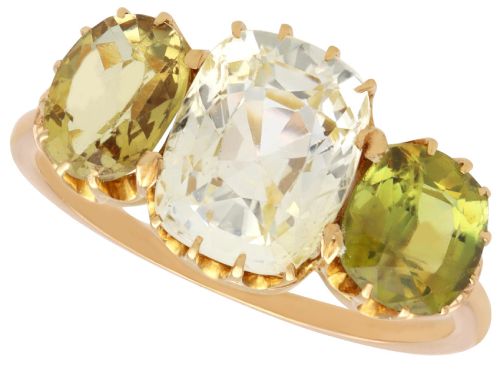
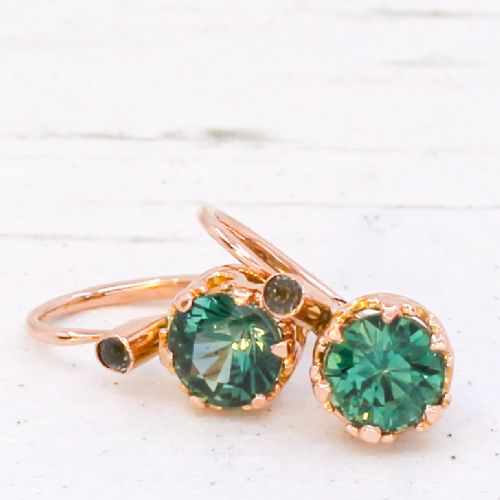
The pieces on this page lean heavily towards Edwardian and Art Deco designs, where central sapphires sit within diamond halos or triple clusters. Alongside traditional blue stones, selections include pink and teal varieties mounted in yellow or white gold and platinum.
Materials and Construction
Craftsmen mounted sapphires and diamonds in 18ct yellow gold, 18ct white gold, 9ct gold, and platinum settings. Silver was also utilised alongside gold in early twentieth-century halo and cluster designs.
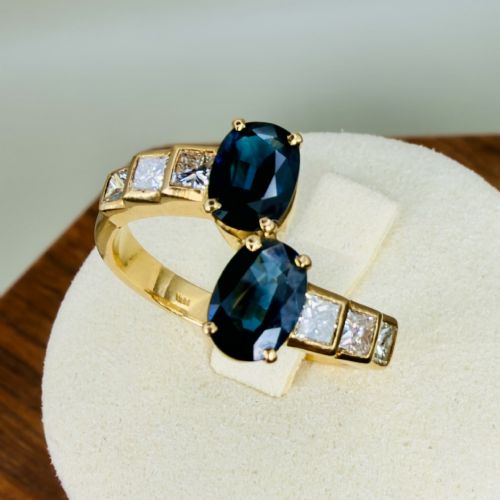
Stones feature old mined cuts, round cuts, oval cuts, pear cuts and trapazoids. Pearls, seed pearls, pastes and minor coloured gems such as emeralds, garnets and tourmalines supplement the primary sapphire and diamond arrangements.
Listings feature items from the Victorian, Edwardian, Art Deco and mid-century eras, utilising 18ct yellow gold, 18ct white gold, 9ct gold and platinum.
Evaluating the Pieces
Quality rests upon the origin, heat treatment and weight of the sapphire, paired with the cut and clarity of surrounding diamonds. Unheated Ceylon and Burmese stones command distinct attention over standard treated material.
The integrity of the metalwork, whether fine Edwardian filigree or substantial Art Deco geometric platinum settings, dictates the overall execution and survival of the piece.
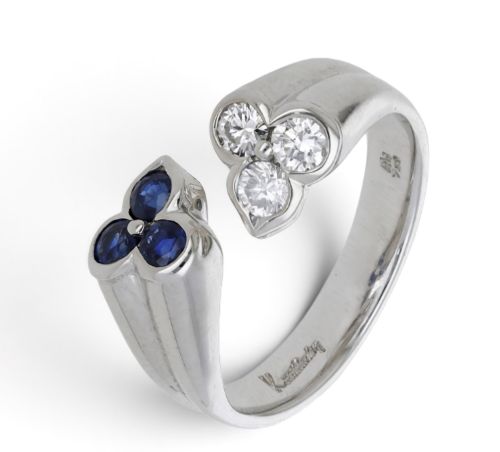
Kutchinsky
The Gold Sapphire Jewellery Glossary
- Cluster ring
- A design featuring a central gemstone surrounded by a ring of smaller stones, typically diamonds. This layout maximises visual impact and light reflection.
- Gypsy ring
- A band style where stones are flush-set directly into the thick metal hoop. This technique originated in the Victorian era for secure daily wear.
- Old cut
- A diamond facet arrangement from periods prior to modern brilliant cutting standards. These stones display smaller tables and deeper pavilions.
- Unheated sapphire
- A natural gemstone that has undergone no artificial thermal enhancement to improve its colour or clarity. Certification often accompanies these scarce stones.
- Fringe necklace
- A necklace featuring dangling gemstone drops suspended from a rigid or flexible collar. Edwardian examples often combine pearls with coloured stones.
Gold Sapphire Jewellery: Frequently Asked Questions
How do I care for antique gold sapphire jewellery?
Clean these items gently using warm water and a soft brush, avoiding harsh chemical ultrasonic cleaners that might damage delicate claw settings or pearls.
Store pieces individually in lined boxes to prevent diamonds from scratching softer gold surfaces or adjacent gemstones.
What periods are common for these pieces?
Victorian and Edwardian items frequently feature yellow gold bands, starburst motifs, and split pearls alongside blue sapphires.
Art Deco examples shift towards white gold and platinum with geometric cluster layouts, while mid-century designs introduce varied gold carats and bold cocktail rings.
Are all sapphires blue?
Traditional blue remains the most common variety, spanning deep navy tones from Burma and Ceylon to lighter shades.
Pink and teal sapphires also appear across Edwardian and later twentieth-century rings and earrings.
Can I wear a sapphire ring every day?
Sapphires score nine on the Mohs hardness scale, making them durable enough for regular wear when mounted securely in gold or platinum.
Pieces incorporating pearls or older claw settings require more care to avoid knocks during strenuous tasks.