
Gold Sapphire Cluster Ring
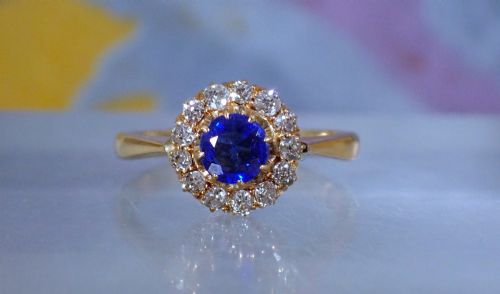
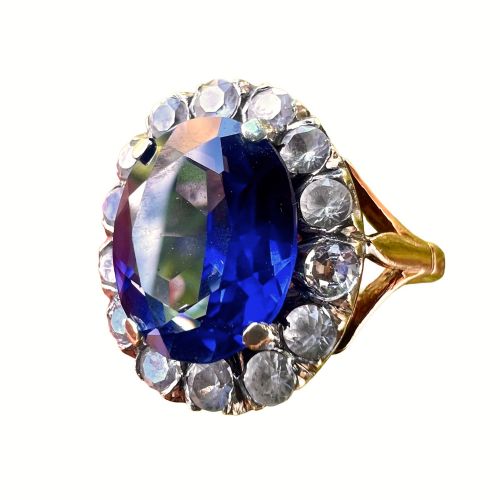
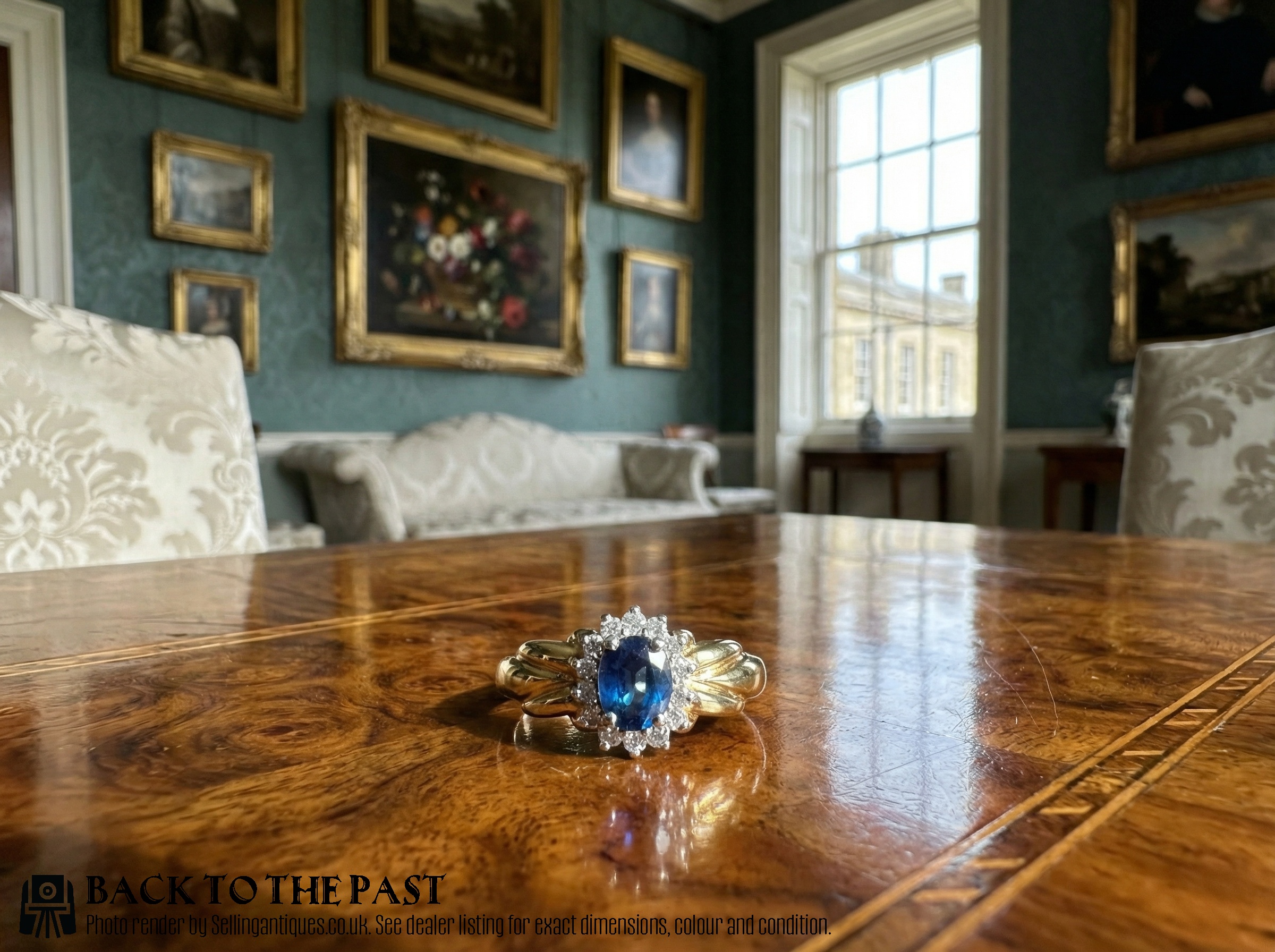
Choosing a gold sapphire cluster ring means selecting a central blue gemstone framed by diamonds, crafted across periods from the Victorian era to the mid-twentieth century.

Gold Sapphire Cluster Ring
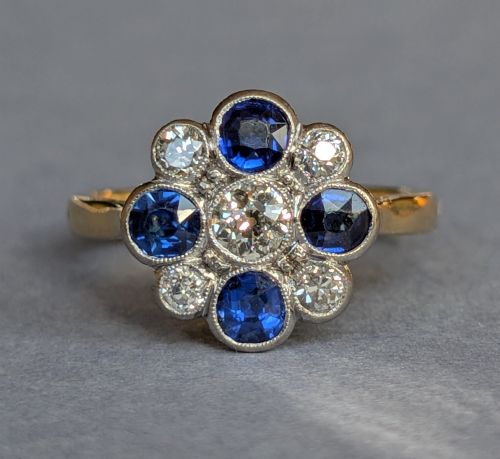
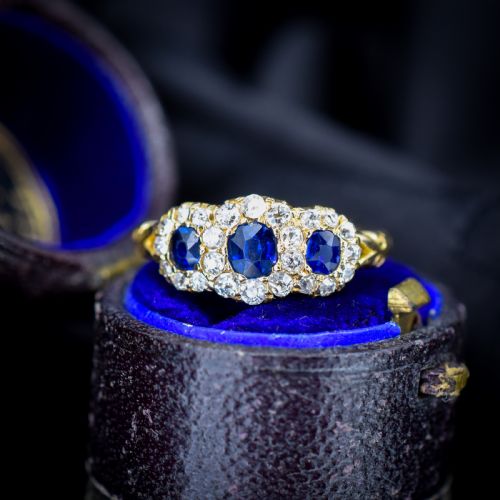
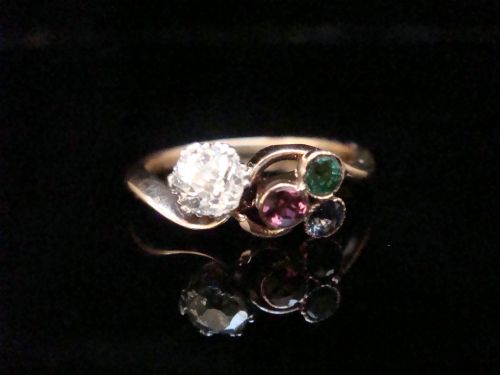
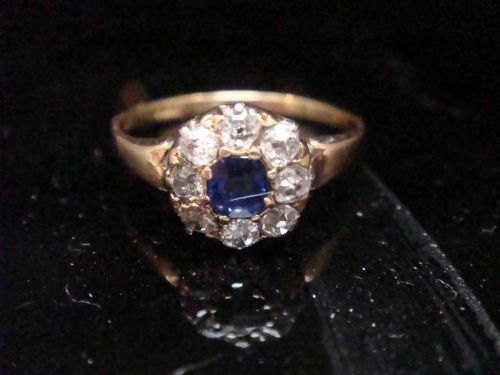
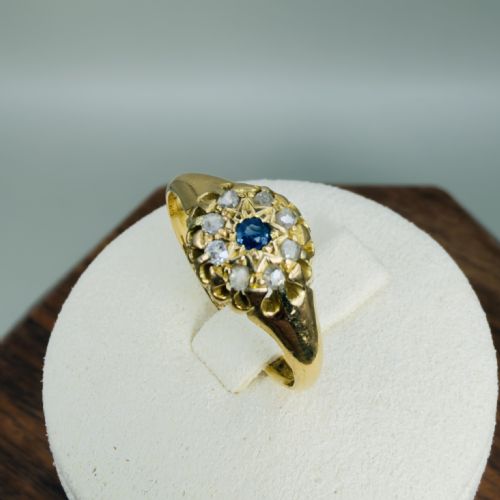
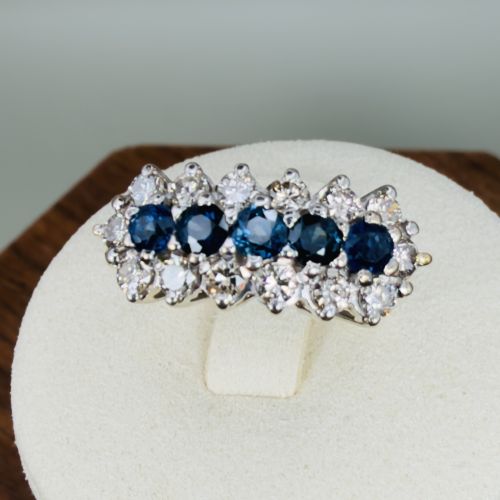
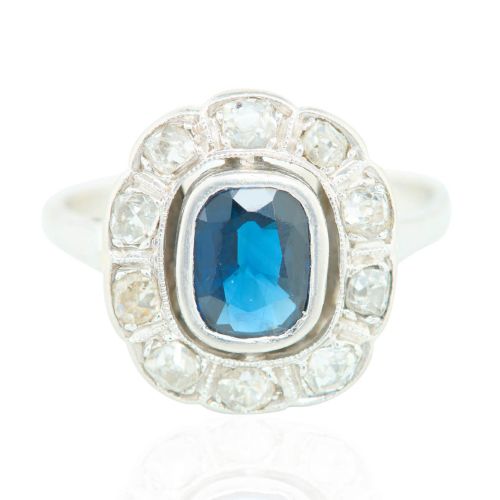
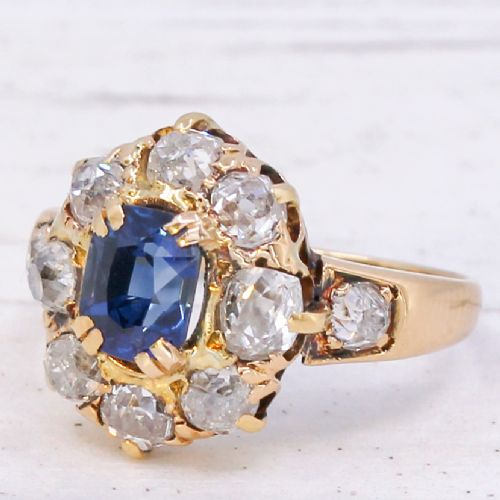
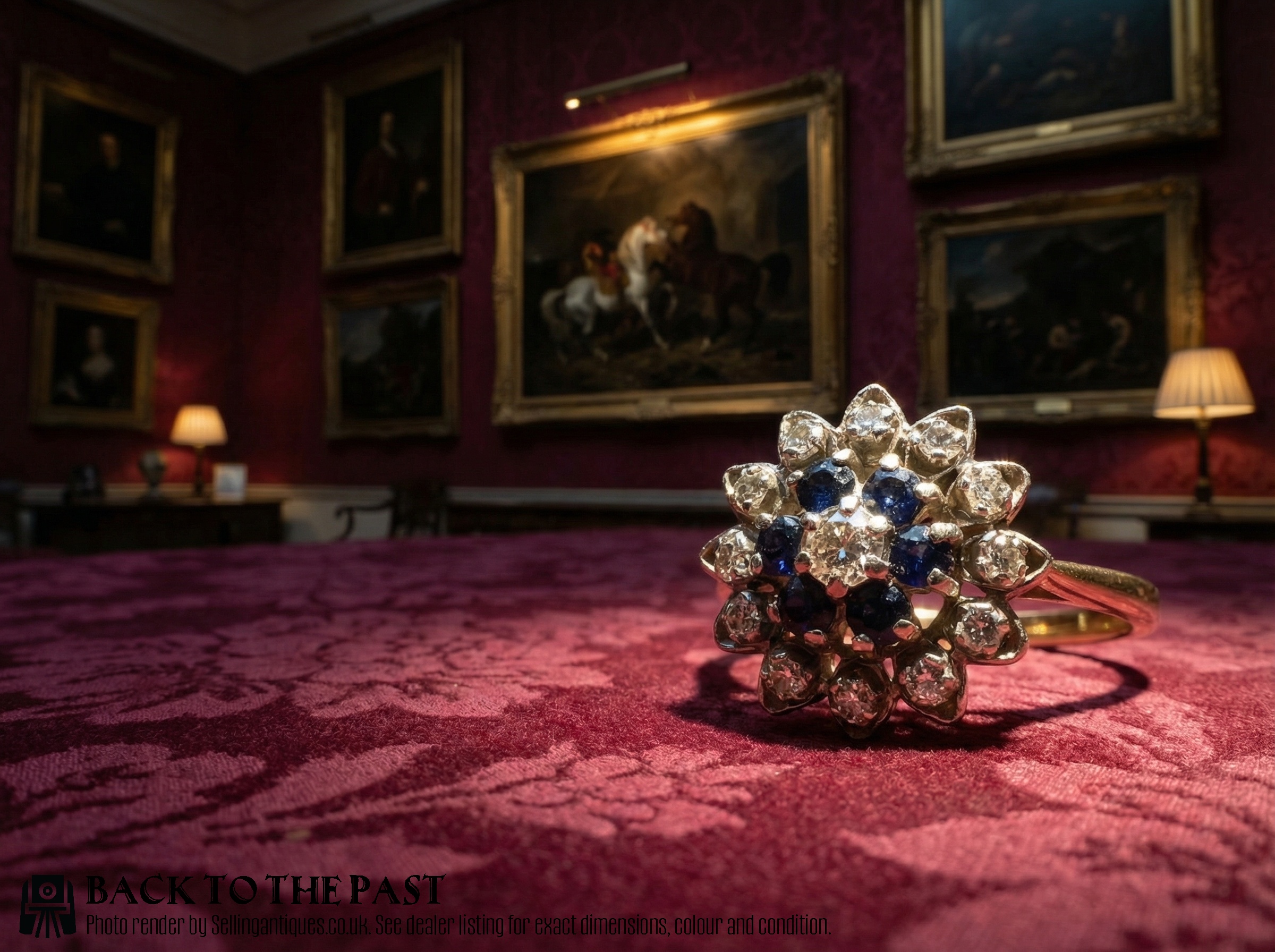
A gold sapphire cluster ring brings together a central sapphire surrounded by a border of smaller diamonds or secondary stones, forming a distinct floral or geometric shape. Buyers encounter examples ranging from Victorian and Edwardian daisy rings to geometric Art Deco creations and mid-century designs.
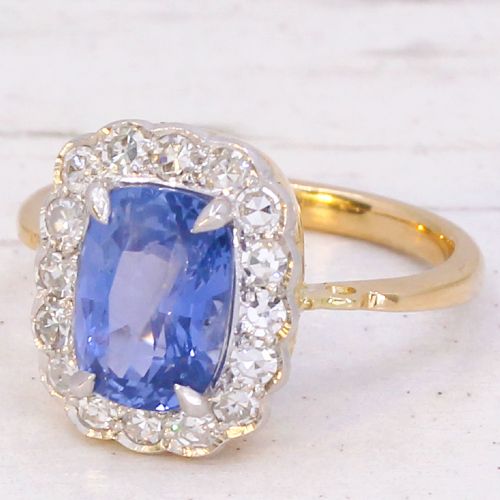
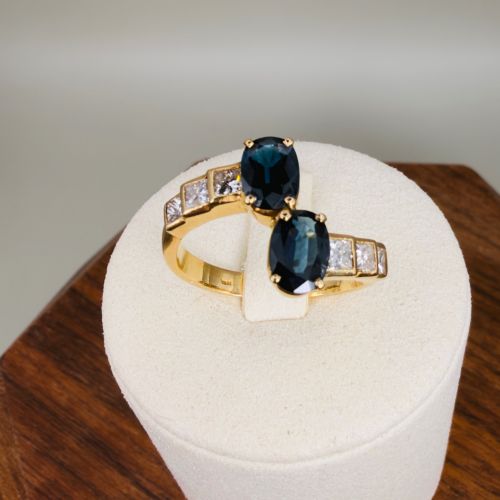
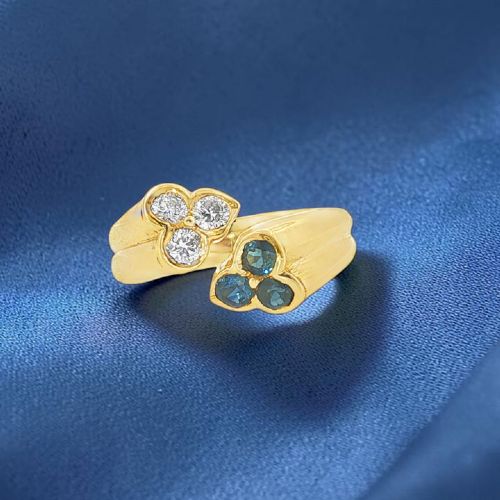
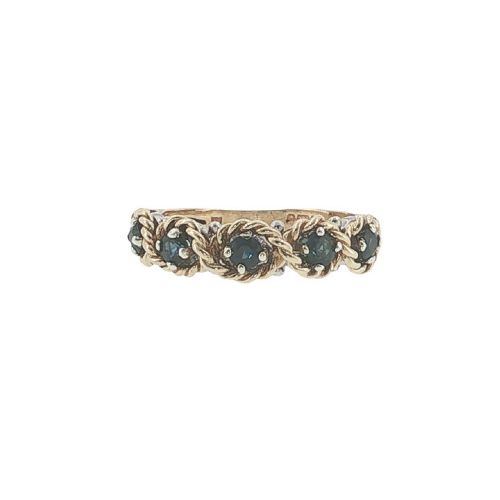
The layout typically places a blue sapphire at the focal point, though pink sapphires and unheated Burmese or Ceylon stones appear in specific pieces. Settings often utilise yellow gold, white gold, or platinum heads to frame the stones.
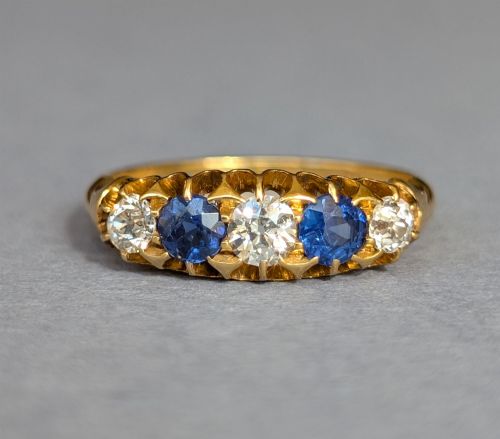
Most surviving pieces date from the late nineteenth century through to the 1960s, encompassing traditional cluster configurations as well as boat, target, and triple cluster formats.
How they were made
Goldsmiths utilised 18ct yellow gold, 18ct white gold, and occasionally platinum settings to secure the central sapphires and surrounding diamonds. Stones were hand-cut using old mine, old European, or early brilliant cuts depending on the period of manufacture.
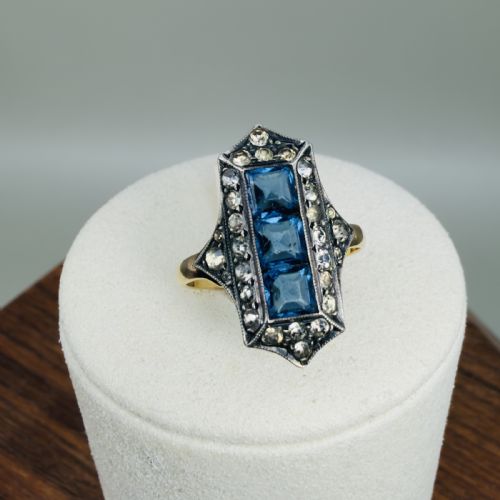
Bench jewellers employed claw settings, bezel mounts, and calibre-cut techniques to fit stones tightly together in geometric Art Deco motifs. Silver was also utilised alongside gold in early settings to heighten the brilliance of the mounted diamonds.
Gold Sapphire Cluster Ring Retail Price Guide 2026
Typical asking prices for gold sapphire cluster ring among the pieces listed under this phrase on Sellingantiques today, from the lower quarter to the upper quarter. They describe what is for sale here now, not the wider market.
Listings feature 18ct yellow gold, 18ct white gold, platinum, and lower carat gold alloys across Victorian, Edwardian, and mid-century periods.
What varies in quality
Quality differences rest upon the origin and treatment of the sapphire, the cut and clarity of the surrounding diamonds, and the precision of the metalwork. Unheated sapphires from sources like Burma or Ceylon command attention for their natural colouration.
The structural integrity of the claw settings, the symmetry of the cluster arrangement, and the integration of platinum or white gold to enhance the face-up appearance distinguish finer examples from standard production.
Kutchinsky
The Gold Sapphire Cluster Ring Glossary
- Cluster ring
- A ring featuring a central gemstone surrounded by a cluster of smaller stones, typically diamonds. This arrangement maximises the overall visual impact on the finger.
- Calibre cut
- Gemstones specifically cut in square, rectangular, or trapezoid shapes to fit closely together without gaps. This technique defines many geometric Art Deco designs.
- Old cut
- A diamond facet configuration hand-polished before modern brilliant-cutting standards were established. These stones exhibit smaller tables and high crowns.
- Unheated sapphire
- A sapphire that has undergone no thermal enhancement to improve its natural colour or clarity. Certification often accompanies these untreated stones.
- Daisy ring
- A specific cluster formation where round stones encircle a central gem resembling flower petals. Edwardian examples frequently adopt this floral configuration.
Gold Sapphire Cluster Ring: Frequently Asked Questions
What periods do these rings come from?
The pieces span the Victorian, Edwardian, Art Deco, and mid-century eras, reflecting changing design preferences over a century of jewellery production.
Victorian and Edwardian examples often feature yellow gold and floral motifs, while 1920s and 1930s pieces favour platinum, white gold, and geometric cluster layouts.
How do I care for an antique cluster ring?
Regular gentle cleaning with warm soapy water and a soft brush maintains the brilliance of the stones and prevents residue buildup behind the cluster.
Professional inspection of the claws and settings ensures the sapphires and diamonds remain secure during regular wear.
Are all sapphires heat treated?
Thermal enhancement is common in sapphires to improve colour and clarity, though a proportion of antique stones remain entirely unheated.
Gemological reports often accompany unheated Burmese or Ceylon stones to verify their natural origin and lack of treatment.