


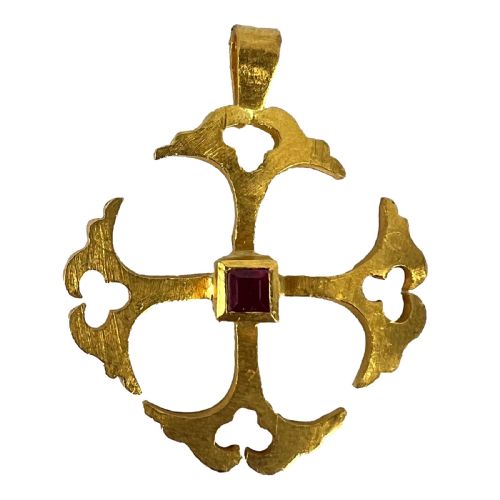


Gold Ruby Charm
A gold ruby charm is a small, expressive piece of jewellery designed to be worn on a bracelet or chain, combining precious metal with red corundum.
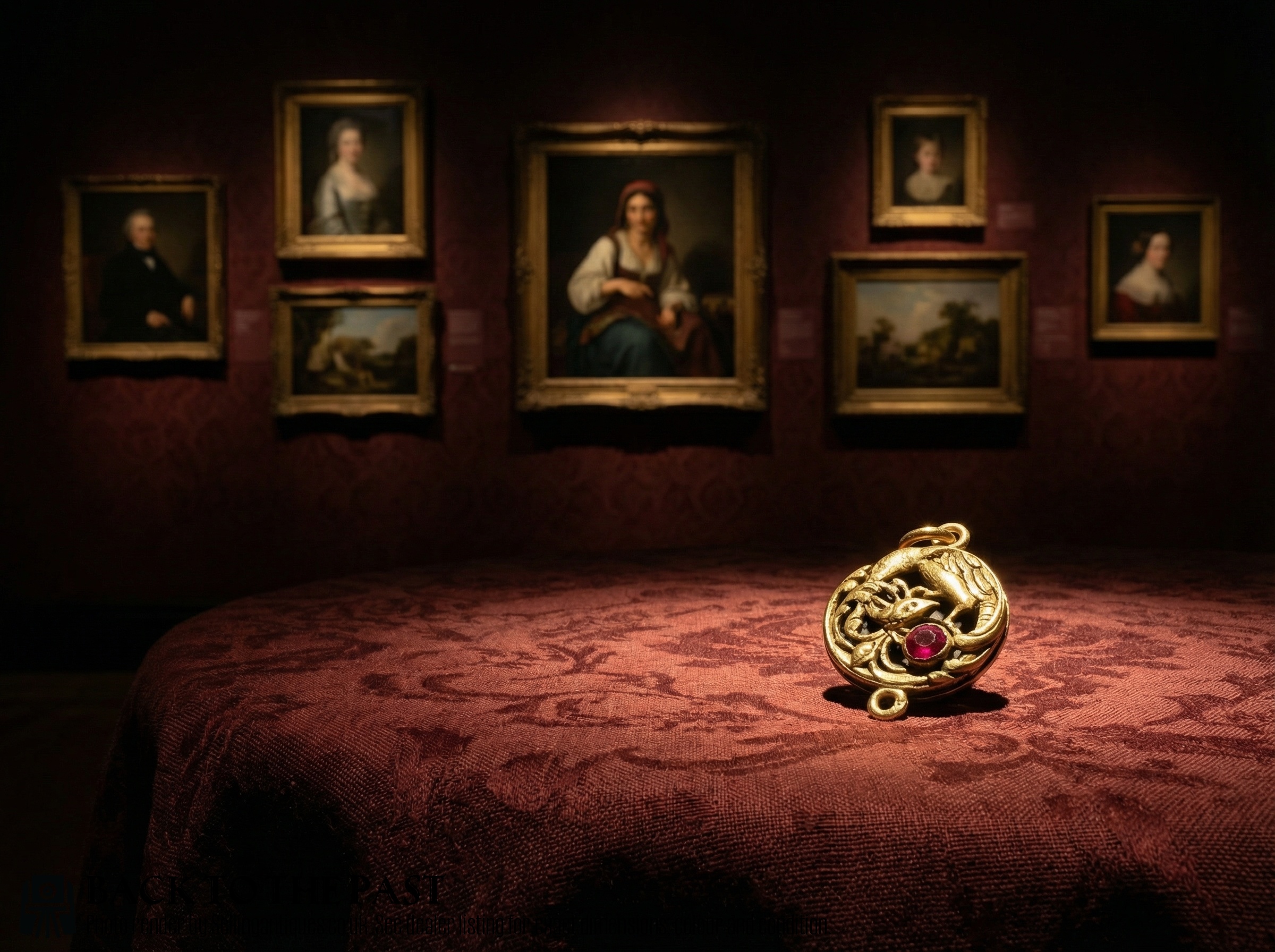
Gold Ruby Charm
A gold ruby charm brings together precious metals and deep red corundum in small-scale wearable forms, including pendants, lockets, and bracelets. These pieces serve decorative and sentimental purposes, often marking personal milestones or affections.
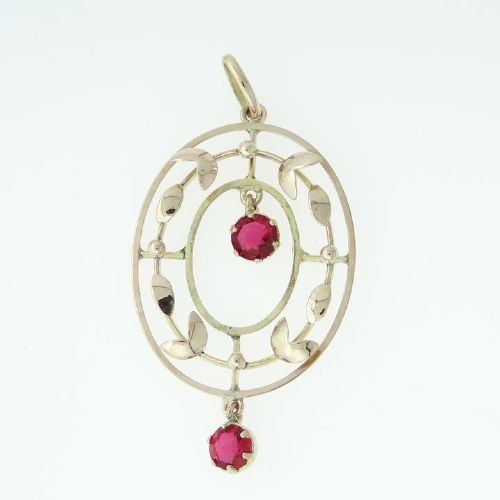
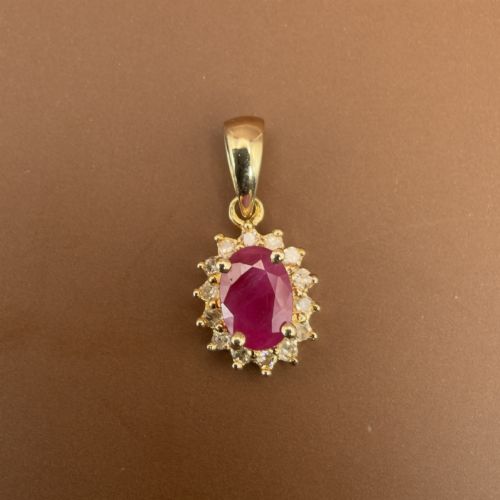
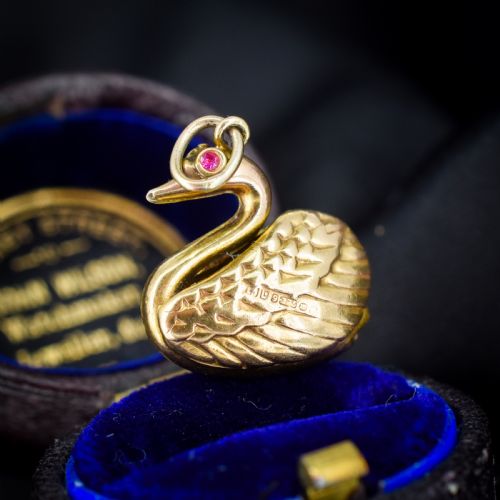
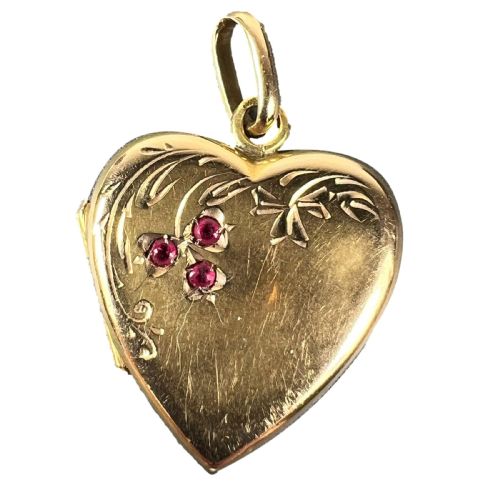
The selections span distinct periods, featuring Victorian, Edwardian, and mid-century examples alongside specific forms like heart lockets, animal figures, and cluster pendants. A buyer is likely to encounter 9ct and 18ct yellow gold settings housing either natural or simulated rubies.
Origin and era heavily influence the character of each item, ranging from ornate French Art Nouveau designs to simpler classic fine jewellery styles. The evidence shows that these items frequently double as pendants or form part of established link bracelets.
Materials and construction
Makers utilised various purities of gold, predominantly 9ct and 18ct yellow gold, alongside platinum and silver accents in specific periods. These metals were cast, hammered, or drawn into wire to form intricate settings, chains, and hinged elements such as lockets.
Rubies form the visual focal point, often paired with supporting diamonds, pearls, or white sapphires in cluster and pavé arrangements. Gemstones are secured using claw settings, bezel mounts, or flush settings depending on the stylistic demands of the era.
Listings show a concentration of 9ct and 18ct yellow gold pieces, with rubies frequently accompanied by diamonds or pearls.
Qualities that set pieces apart
Quality rests heavily on the crispness of the casting and the finesse of the metalwork, particularly in figurative items like birds, griffons, or floral motifs. Hand-carved details and balanced proportions distinguish finer workshops from mass production.
The selection and treatment of the rubies also dictate the standing of a piece, from deeply saturated natural stones to bright simulated alternatives. Secure stone setting and the intact preservation of original jump rings or clasps complete the evaluation.
The Gold Ruby Charm Glossary
- Charm
- A small decorative pendant suspended from a bracelet or necklace. They often carry personal meaning or represent objects and animals.
- Cluster
- A gemstone setting arrangement where a central stone is surrounded by a circle of smaller stones. This technique maximises visual impact and light reflection.
- Locket
- A small hinged pendant designed to open and enclose a tiny portrait or lock of hair. Victorian and Edwardian examples often feature intricate exterior engraving.
- Padlock
- A clasp styled to resemble a functional padlock, frequently utilised on Victorian curb link bracelets. They often double as decorative centerpieces.
- Carat
- A unit of weight for gemstones or a measure of gold purity. In yellow gold, it indicates the proportion of pure gold alloyed with other metals.
Gold Ruby Charm: Frequently Asked Questions
How do I wear a gold ruby charm?
These pieces are generally attached to a bracelet using a jump ring or suspended from a fine gold chain as a pendant. Their compact scale makes them suitable for daily wear either singly or grouped with other ornaments.
When worn on a bracelet, ensure the suspension loop is securely soldered to prevent loss during movement.
How can I tell a Victorian charm from a later one?
Victorian examples often utilise distinct construction methods, such as closed-back settings, pinchbeck or lower carat gold alloys, and specific motifs like knotwork or serpents. Hallmarks, where present, provide definitive assay office stamps and date letters.
Mid-century pieces tend to feature brighter yellow gold tones, cleaner cast lines, and different stone-cut profiles compared to nineteenth-century work.
Are all rubies in these charms natural?
No, the materials recorded across these items include both natural rubies and simulated alternatives. Makers across different decades utilised synthetic stones or other red gems alongside genuine corundum.
Gemstone reports or microscopic examination by a specialist are typically required to confirm the precise origin and treatment of the red stones.