

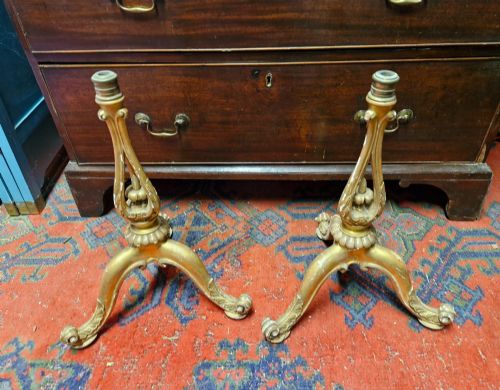
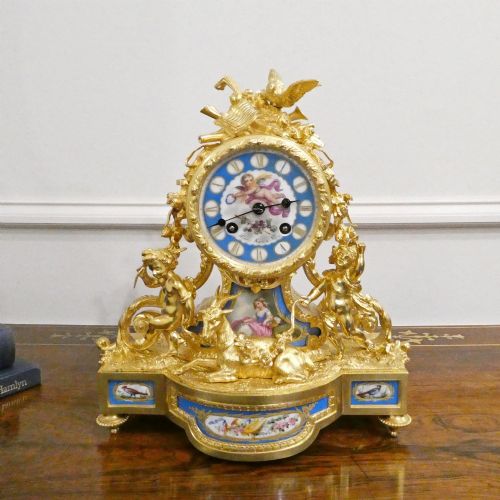
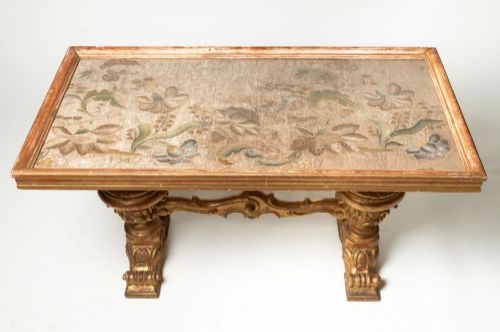
Gold Rococo Table
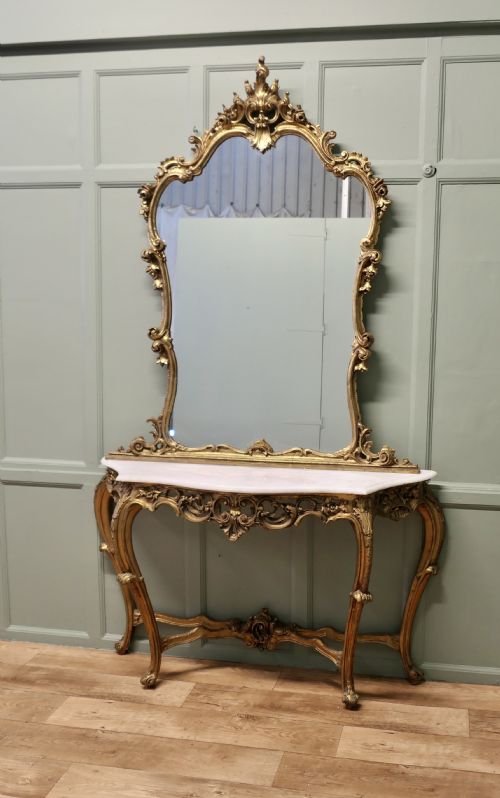
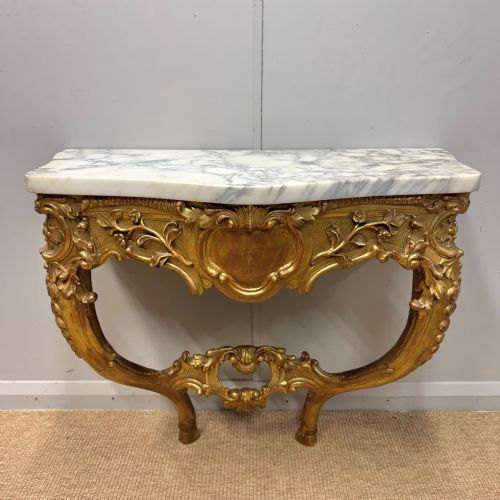
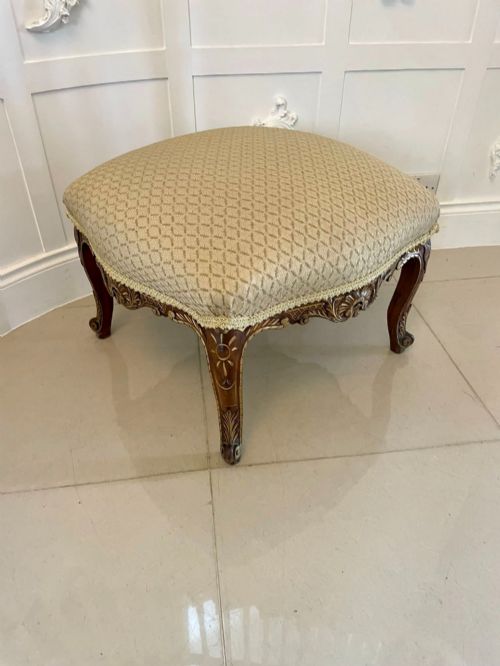
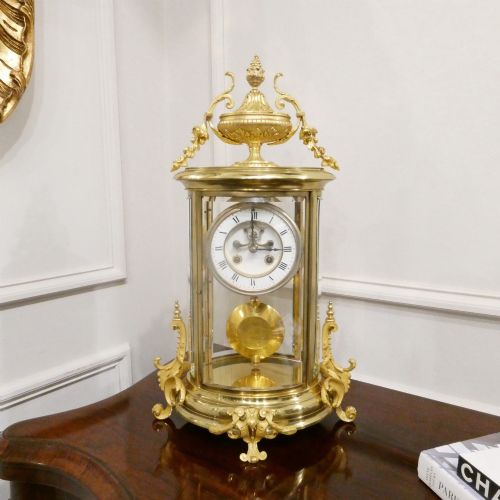
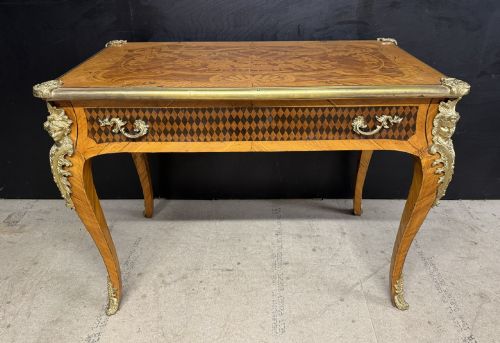
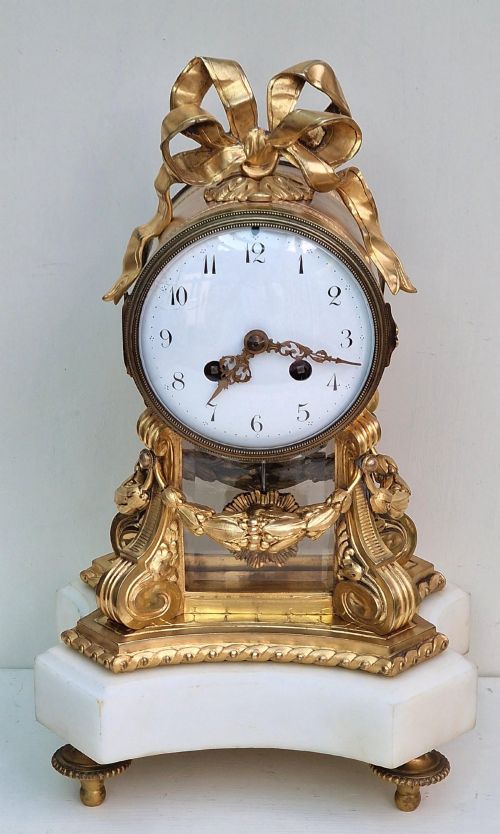
A gold rococo table brings exuberant 18th-century French curves and rich gilding into a room.
Gold Rococo Table
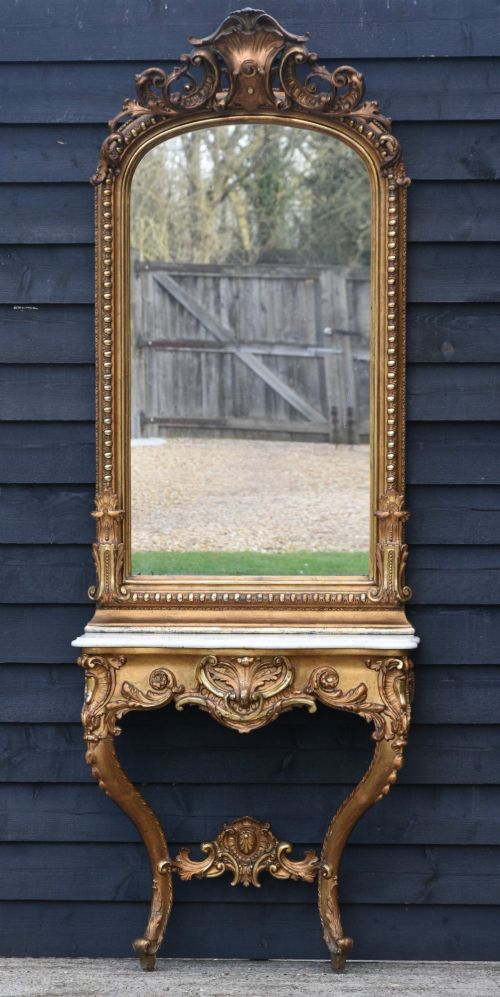
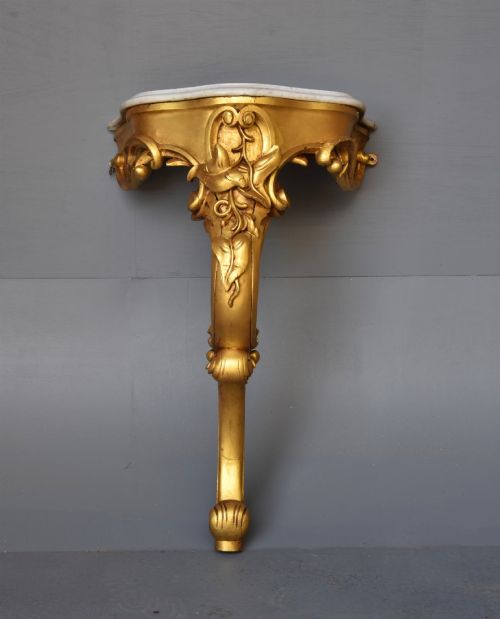
When you search for a gold rococo table, you encounter pieces that draw heavily upon French Rococo Revival, Louis XV style, and Italian Baroque aesthetics. These items range from console tables designed to sit flush against a wall to occasional tables and small coffee tables.
The most common examples on this page date from the 19th century, reflecting a strong Victorian and continental appetite for ornate, gilt-finished furnishings. They frequently incorporate shaped marble or onyx tops resting upon elaborately carved wooden or metal bases.
Makers and craftsmen of these periods utilised asymmetrical scrolls, shell motifs, and floral detailing to capture the theatrical elegance associated with the court of Louis XV. Such pieces function as focal points in a drawing room or hallway, combining display space with decorative impact.
How they were made
Makers constructed the structural frames of these tables using solid woods like walnut or softer timbers that accepted intricate carving and gesso work. Giltwood surfaces were created by applying thin layers of gold leaf over a prepared chalk and glue ground, then burnished to achieve a brilliant sheen.
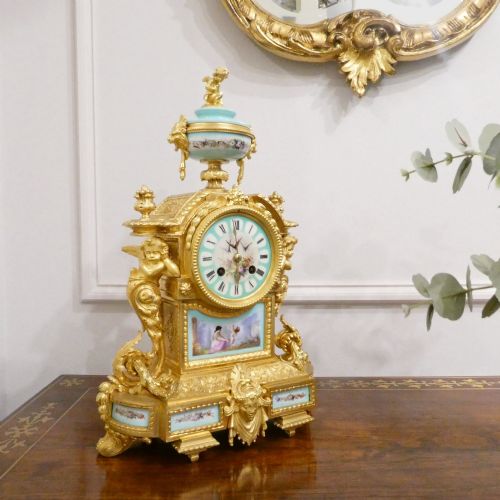
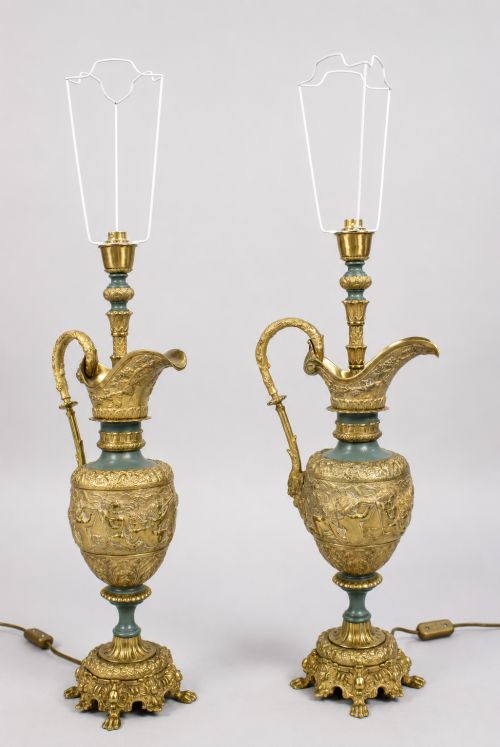
Alternative examples employ cast ormolu, gilt bronze, and solid brass, often finished with chased details that accentuate the flowing lines of the design. Heavy marble, breche d'alep, or onyx inserts were precision-cut to fit the shaped wooden or metal rims of the tabletops.
The object forms associated with this search include console tables, coffee tables, side tables, and occasional tables paired with marble and onyx tops.
What varies in quality
The standard of a gold rococo table depends heavily on the crispness and depth of the carving or metal casting. Superior examples exhibit hand-chased ornamentation and deeply undercut wooden foliage rather than shallow, mould-pressed decoration.
The integrity of the gilding and the quality of the stone top also dictate value. Original gold leaf or fire-gilt ormolu that retains its varied texture and warm tone separates exceptional craftsmanship from later, more uniform spray-painted finishes.
Achille Brocot·Samuel Marti·Henry Marc·Amleto Bertoni·Ansonia New York
The Gold Rococo Table Glossary
- Giltwood
- Wood that has been decorated with gold leaf. This finish requires careful cleaning to preserve the delicate metallic layer over the gesso base.
- Ormolu
- Finely ground high-carat gold mercury-gilded onto a bronze object. It provides a rich, enduring golden lustre typical of high-end French decorative arts.
- Console table
- A wall-mounted or heavily bracketed table designed to stand against a vertical surface. They often feature elaborate front legs and fitted marble tops.
- Gesso
- A plaster-like mixture applied to wood as a smooth base for gilding. It allows craftsmen to carve intricate relief details before applying gold leaf.
- Rococo Revival
- A 19th-century design movement reviving the 18th-century rococo style. It is characterised by asymmetrical C-scrolls, naturalistic plant forms, and shell motifs.
Gold Rococo Table: Frequently Asked Questions
Where should I place a gold rococo table?
These tables suit hallways, reception rooms, and drawing spaces where their decorative profile can be appreciated against a neutral wall. Console versions work well beneath a matching mirror or piece of art.
Because of their ornate frames and stone tops, they command visual attention and function best as standalone accent pieces rather than utilitarian work surfaces.
Are the marble tops original to the tables?
Many tables retain their fitted marble, onyx, or breche d'alep tops, which were cut to follow the specific contours of the wooden frame. You can often assess originality by checking the fit against the rebate and examining the underside for age-appropriate wear.
Replacement stone tops do occur in the lifespan of 19th-century furniture, though period-appropriate replacements are common and stable.
How do I distinguish 19th-century pieces from later reproductions?
Examine the construction methods, tool marks on the timber, and the composition of the gesso or gilding layers. Nineteenth-century pieces typically show hand-carving irregularities and genuine patination on the metal or wood.
Factory-made reproductions from later decades often display uniform machine casting, modern fixings, and synthetic paints rather than genuine gold leaf or fire-gilded ormolu.