

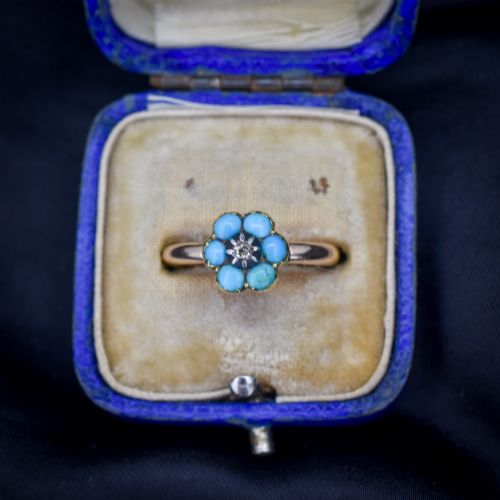
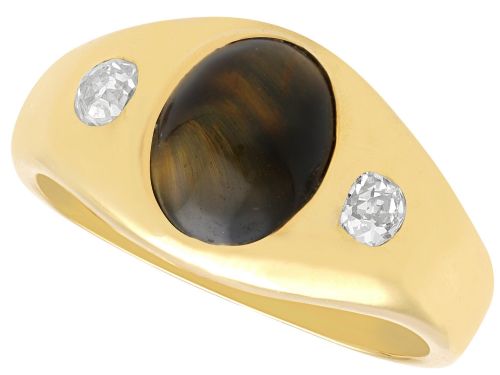
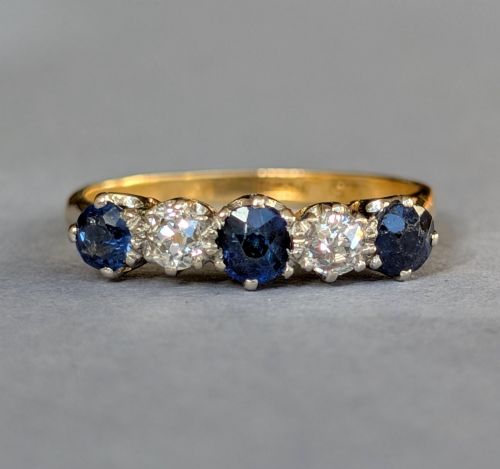
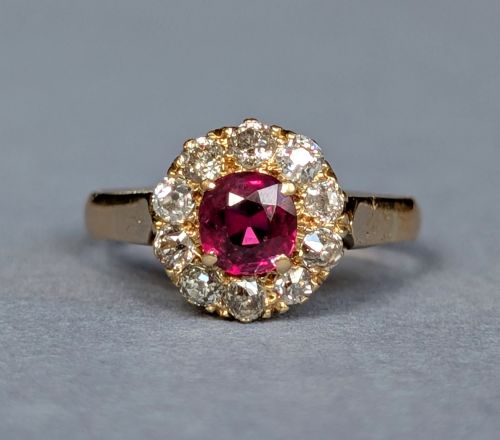
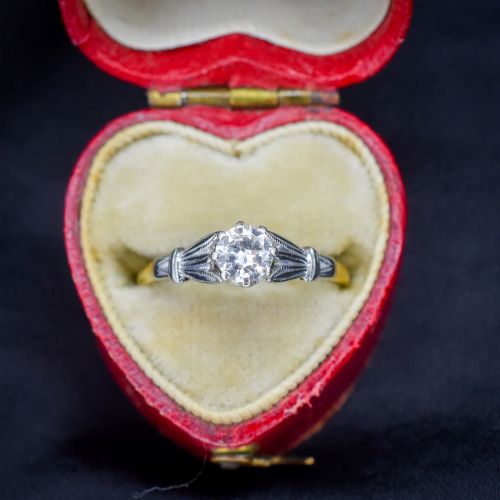
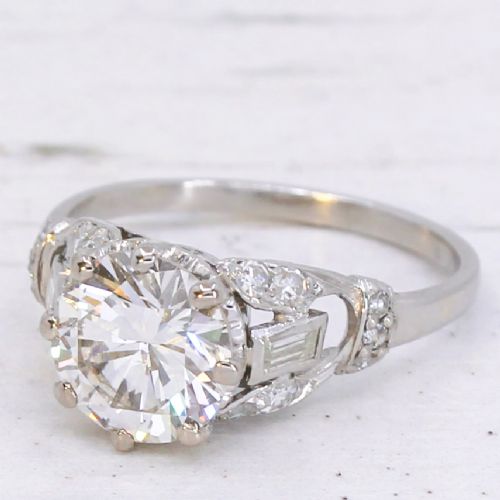
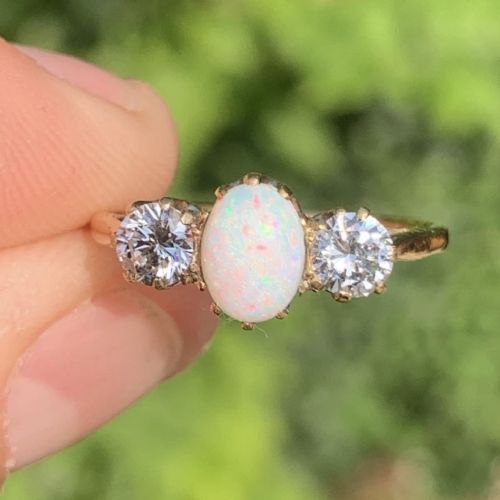
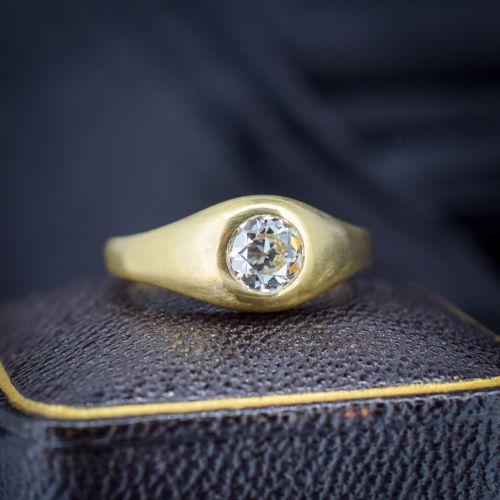
Gold Ring with Diamonds
These gold ring with diamonds selections offer enduring craftsmanship, spanning distinct periods from the Victorian era to the mid-twentieth century.
Gold Ring with Diamonds
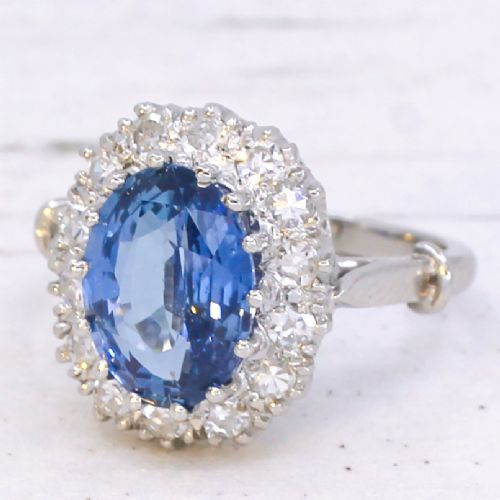
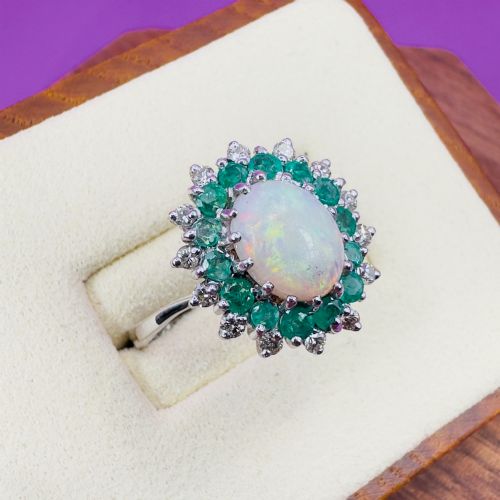
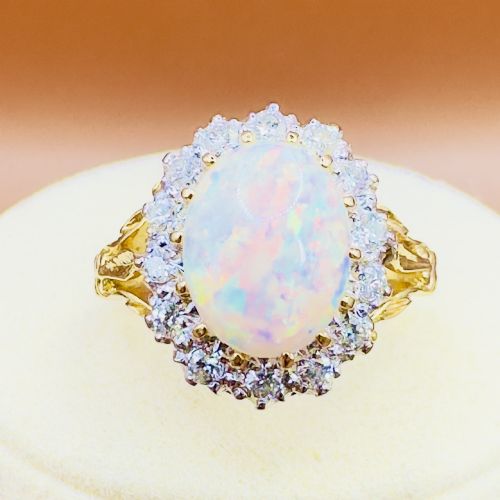
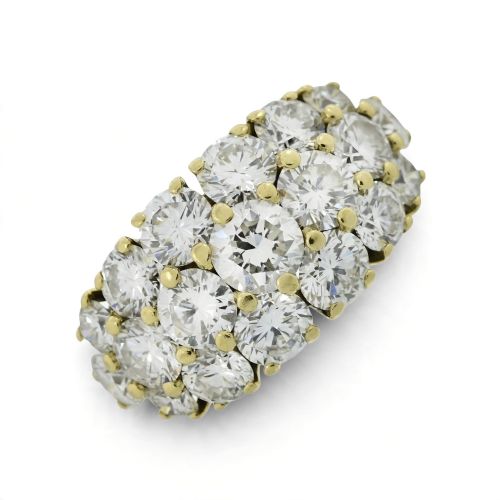
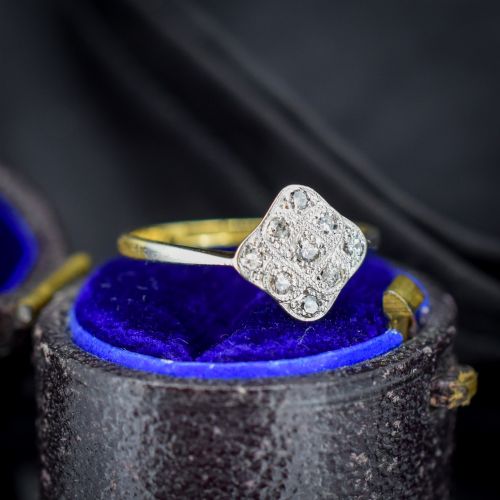
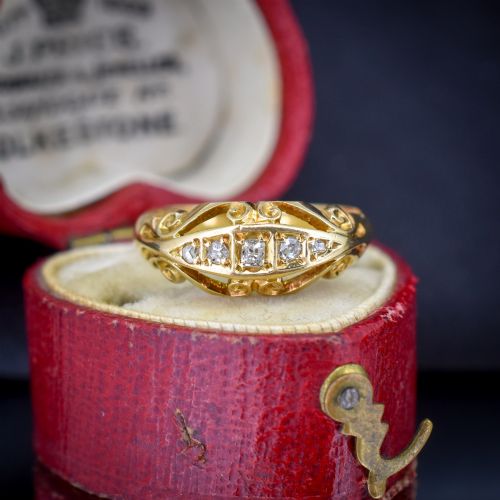
A gold ring with diamonds encompasses various historical periods, notably Victorian, Edwardian, Art Deco, and Mid-Century designs. Buyers encounter everything from traditional diamond solitaires to intricate cluster and crossover settings.
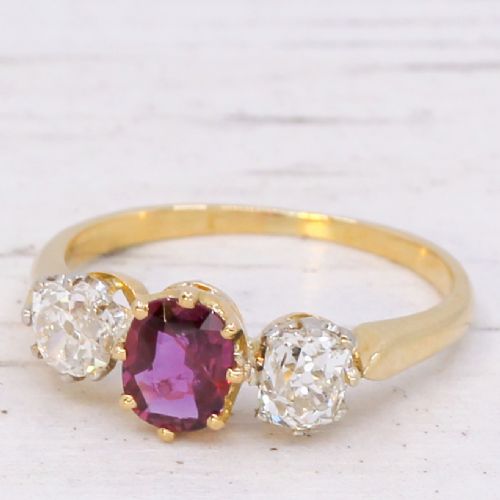
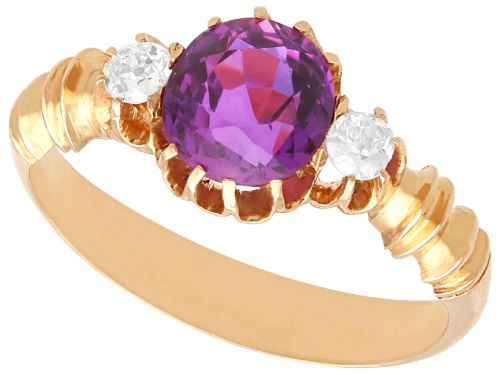
Materials span 9ct and 18ct yellow, white, and rose gold alongside platinum, frequently paired with rubies, sapphires, emeralds, and garnets. Many examples showcase period-specific motifs such as serpents and navette shapes.
How They Were Made
Goldsmiths utilised traditional casting and hand-working techniques in yellow, white, and rose gold, often mounting stones in platinum settings. Stones such as old cushion cut, brilliant cut, and rose-cut diamonds were meticulously set by hand.
Constructive details include detailed shoulder settings, engraved bands, and custom fitted presentation cases that highlight the rigorous craftsmanship of each period.
Gold Ring with Diamonds Retail Price Guide 2026
Typical asking prices for gold ring with diamonds among the pieces listed under this phrase on Sellingantiques today, from the lower quarter to the upper quarter. They describe what is for sale here now, not the wider market.
Snakes symbolised eternal love in Victorian and Edwardian times, inspiring serpentine rings with rose-cut diamond eyes.
What Varies in Quality
Quality rests upon the preservation of the original metalwork, the clarity and cut of the central diamonds, and the integrity of supporting gemstones like rubies or sapphires. Hallmarks, provincial assay office marks, and accompanying gemmological reports substantiate the origin and authenticity of the piece.
The sophistication of the setting, whether a fluid Art Nouveau serpentine design or a geometric Art Deco platinum arrangement, defines the tier of the piece.
Kutchinsky
The Gold Ring with Diamonds Glossary
- Navette
- A boat-shaped gemstone setting that tapers to points at either end. This elongated style was popular in jewellery from the nineteenth century.
- Solitaire
- A ring featuring a single prominent gemstone, most frequently a diamond. This setting emphasises the cut and brilliance of the primary stone.
- Crossover
- A ring design where the band sweeps and crosses over itself, often displaying two main stones or a stone and a diamond-set terminal.
- Rose-Cut
- An antique gemstone cut featuring a flat base and a domed crown with triangular facets. This cut predates modern brilliant cutting techniques.
- Trilogy
- A ring set with three stones, traditionally symbolising the past, present, and future. These are frequently seen in twentieth-century designs.
Gold Ring with Diamonds: Frequently Asked Questions
How do I care for an antique gold ring with diamonds?
Clean your jewellery gently with warm soapy water and a soft brush, avoiding harsh chemical dips that might harm softer gems like opals or pearls.
Store pieces individually in lined boxes or soft pouches to prevent the gold and stones from scratching against each other.
Can these rings be easily resized?
Many gold rings can be resized by a skilled jeweller, though the presence of intricate shoulder stones, continuous engraving, or platinum settings requires careful evaluation.
Assay office marks and original hallmarks should be preserved during any alteration work to maintain the historical integrity of the band.
What is the difference between old cut and brilliant cut diamonds?
Old cut diamonds, including old mine and old cushion cuts, feature hand-cut facets designed under candlelight, resulting in a softer and more romantic scintillation.
Brilliant cut diamonds follow modern geometric standards engineered to maximise light return and fiery brilliance.
How do I identify the period of a vintage diamond ring?
Examine the mounting style, metal combinations, and gemstone cuts, such as the geometric lines of Art Deco platinum work or the organic curves of Art Nouveau.
Official hallmarks, maker stamps, and accompanying certification reports provide definitive dates and assay locations like Chester or Glasgow.