



Gold Plated Bowl
A gold plated antique bowl brings rich historic craftsmanship to a table, offering porcelain and bone china surfaces touched with gilt and enamel.
Gold Plated Bowl
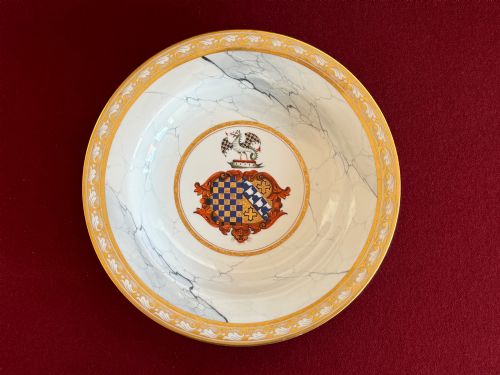
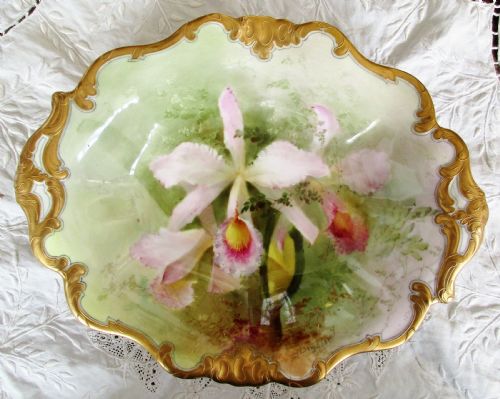
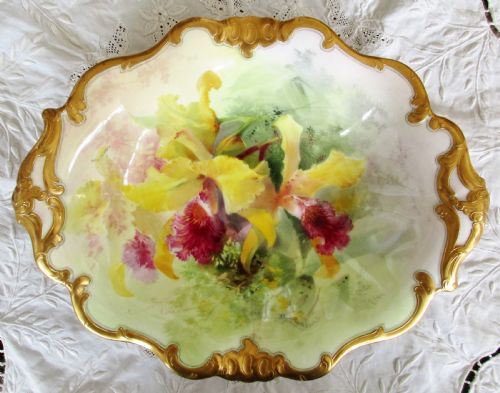
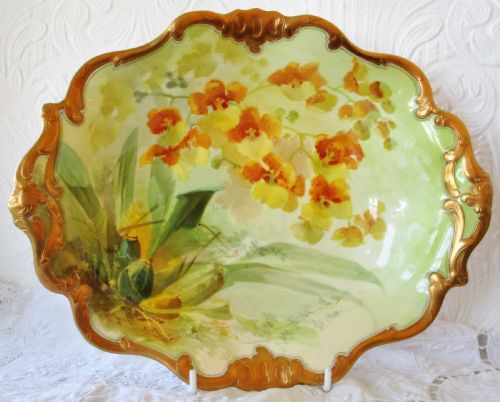
A gold plated antique bowl encompasses decorative dishes, cabinet plates, and serving vessels created across the Georgian, Victorian, Edwardian, and mid twentieth-century eras. The examples seen here include porcelain and bone china pieces styled in Regency, Rococo Revival, Art Nouveau, and traditional English designs.
Buyers will most frequently encounter cabinet dishes and soup plates originating from English potteries and factories. These vessels feature hand-painted botanical or armorial details alongside gilded highlights.
Forms range from simple rope-edge plates to elaborate cabinet dishes intended for display rather than daily service. Each piece reflects the decorative taste of its specific period, from the floral studies of the early twentieth century to eighteenth-century compositions.
Materials and methods
Potters shaped these vessels using hard-paste porcelain, soft-paste porcelain, and fine bone china. Artisans then applied delicate enamel colours by hand to depict botanical subjects and armorial crests.
Gilding and gold leaf were meticulously added to borders and edges, often framing intricate painted scenes. Firing techniques fixed these metallic applications to the glazed ceramic surfaces.
Gold Plated Bowl Retail Price Guide 2026
Typical asking prices for gold plated bowl among the pieces listed under this phrase on Sellingantiques today, from the lower quarter to the upper quarter. They describe what is for sale here now, not the wider market.
Listings feature items spanning the eighteenth century through to 1960, utilising porcelain, bone china, enamel, and gold leaf across multiple traditional styles.
Distinguishing quality in porcelain and gilt
The sophistication of the hand-painted decoration determines the distinction between standard production and superior output. Detailed botanical studies and named artists elevate the standing of a cabinet dish.
The application and preservation of the gilt and enamel elements dictate visual success. Clean brushwork and well-preserved metallic leaf indicate higher manufacturing standards.
Barr Flight And Barr·Royal Doulton·Coalport·Derby·Royal Worcester
The Gold Plated Bowl Glossary
- Bone China
- A type of soft-paste porcelain incorporating bone ash to create a strong, bright white body. It permits thinner walls and refined moulding in decorative dishes.
- Cabinet Dish
- A decorative ceramic plate or dish intended for display in a cabinet rather than functional dining use. These pieces often carry elaborate hand-painted subjects.
- Gilt
- A thin layer of gold applied to the surface of porcelain or metal. It provides the characteristic metallic brilliance seen on antique serving dishes.
- Armorial
- A ceramic design featuring a family coat of arms or heraldic crest. These were frequently commissioned by landed families for formal dining services.
- Soft-Paste Porcelain
- An early ceramic composition fired at lower temperatures than hard-paste porcelain. It possesses a warm, creamy glaze favoured by eighteenth-century factories.
Gold Plated Bowl: Frequently Asked Questions
What is a cabinet dish?
A cabinet dish is a decorative ceramic plate created specifically for display in a cabinet or on a wall rather than for everyday dining. These pieces often feature detailed hand-painted scenes or rich gilding.
Potters designed them to showcase the artistic capabilities of their manufactories. They remain popular for adding historic character to interior spaces.
How do I care for antique porcelain?
Antique porcelain requires gentle hand washing in lukewarm water with mild soap. Avoid soaking pieces, particularly those with delicate overglaze enamels or gilt highlights.
Store them securely away from heavy foot traffic or direct sunlight to protect the painted surfaces and gold leaf from fading or wear.
How are periods identified?
Periods are identified through factory backstamps, painting styles, and the specific composition of the ceramic body. Stylistic indicators like Rococo curves or Art Nouveau lines offer clear chronological clues.
Comparing known manufacturer marks helps narrow down the date of creation. The overall weight and glaze characteristics also point toward specific decades.
Can these dishes be used for food?
While many historical plates were originally made for dining, antique pieces with delicate gilding or soft-paste bodies are best reserved for display. Daily use and modern dishwashers can damage historic enamels and gold leaf.
Light service of dry foods is occasionally acceptable, but careful hand cleaning is essential after any use.