





Gold Pear Pendant
A gold pear pendant brings together warm yellow or white precious metal and a tapering fruit-shaped gemstone, offering a classic drop silhouette for everyday wear.
Gold Pear Pendant
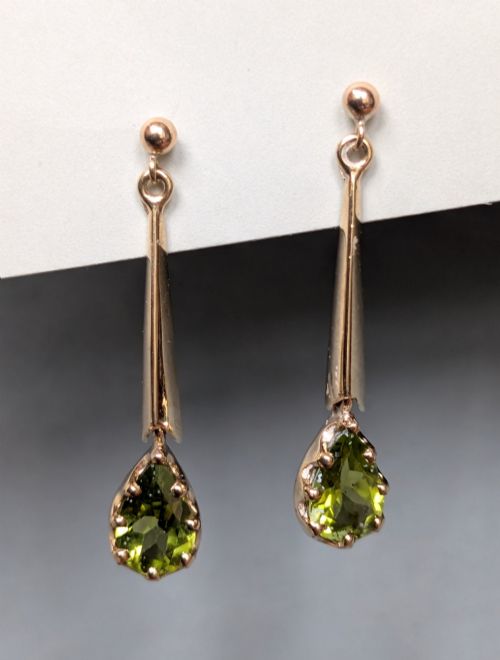
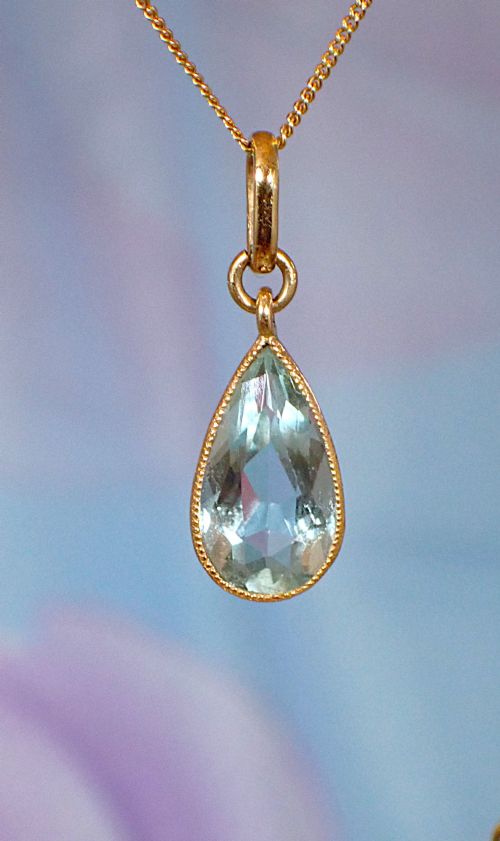
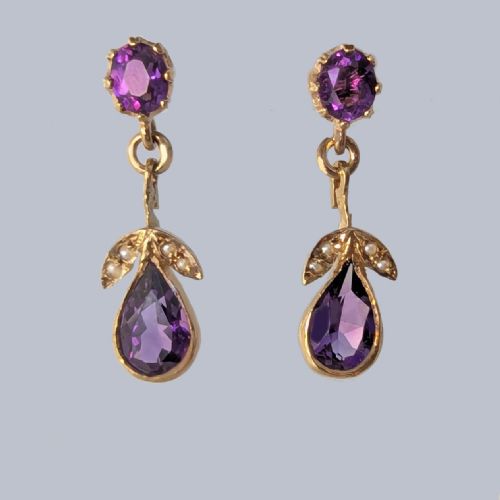
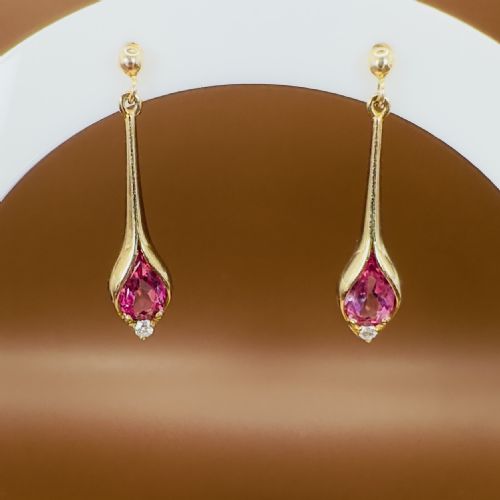
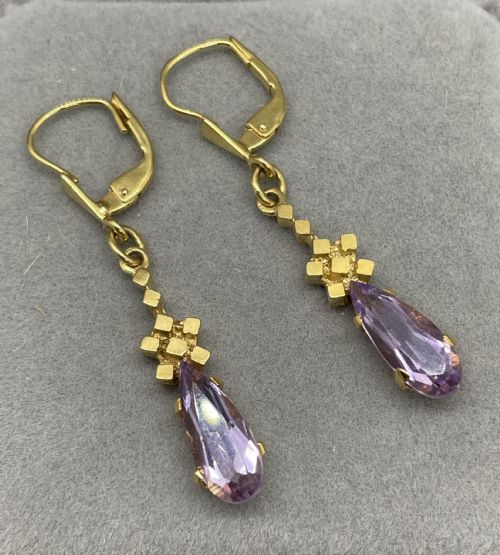
A gold pear pendant centres on a pear-shaped gemstone suspended from a fine chain, often accompanied by matching drop earrings in the listings. Buyers search for this specific shape when they want a pendant that elongates the neckline through a curved, tapering profile.
The selections span several distinct eras, with Edwardian pieces appearing alongside 1950 and 1960 examples. This variety allows collectors to choose between delicate Edwardian wirework and bolder mid-century stone settings.
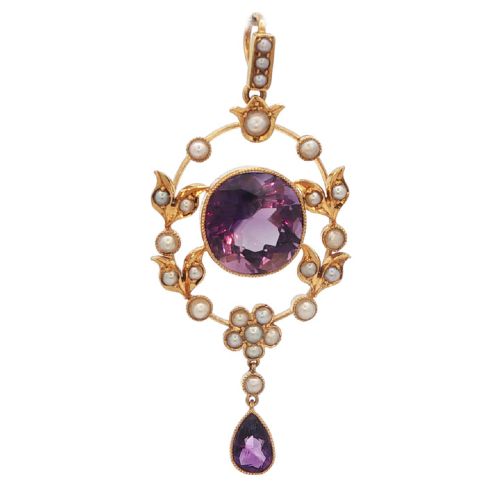
Pendants frequently incorporate additional stones such as diamonds, seed pearls, or amethysts alongside the central pear cut. These combinations define the visual weight and character of each piece.
Materials and Construction
Craftsmen utilised various grades of gold, ranging from 9ct and 14ct to 15ct and 18ct, often selecting yellow gold for earlier Edwardian items and white gold for mid-century designs. Gemstones including aquamarine, garnet, and amethyst were faceted or cut into pear shapes to catch the light from multiple angles.
Setting techniques evolved across the periods represented, moving from intricate Edwardian claw and bezel arrangements to structured mid-century mountings. Seed pearls were meticulously drilled and threaded or pegged onto gold stems to accent the central stones.
Gold Pear Pendant Retail Price Guide 2026
Typical asking prices for gold pear pendant among the pieces listed under this phrase on Sellingantiques today, from the lower quarter to the upper quarter. They describe what is for sale here now, not the wider market.
Pear cuts were once known as pendeloque cuts, giving teardrops a French accent.
Distinguishing Quality
Quality rests in the precision of the stone cutting and the matching of colour across multi-gem layouts. Superior examples display clean gemstone saturation and secure, well-balanced settings that hold the pear shape true without twisting.
The weight and gauge of the gold used in the chain and bail indicate the overall substance of the piece. Heavier gold content and crisp hallmarks signify higher manufacturing standards across both vintage and antique specimens.
The Gold Pear Pendant Glossary
- Pear Cut
- A modified brilliant-cut gemstone featuring a rounded end tapering to a single point, resembling a teardrop. This cut maximises light return while providing an elegant elongated silhouette.
- Edwardian
- Pertaining to the period of the British monarchy from 1901 to 1910, characterised by delicate platinum and gold work. Pieces from this era often utilise airy openwork designs and seed pearls.
- Seed Pearl
- A very small natural or cultured pearl, typically under two millimetres in diameter. These tiny pearls were widely utilised in clusters and borders during the Edwardian and Victorian eras.
- Bail
- The loop at the top of a pendant that attaches it to a chain. A well-proportioned bail allows the pendant to hang freely and face forward correctly.
Gold Pear Pendant: Frequently Asked Questions
How do I wear a gold pear pendant?
Suspend the pendant on a fine gold chain that sits comfortably just below the collarbone to showcase the tapering gemstone shape. Pair it with simple studs if you prefer not to wear the matching drop earrings.
Ensure the chain weight matches the heft of the pendant to maintain a balanced look during daily wear.
Are these pendants antique or vintage?
The selection includes both genuine Edwardian antiques from around 1910 and mid-century vintage pieces from the 1950 and 1960 decades. Each era brings distinct metal colours and gemstone combinations to the category.
Review the specific decade noted in each listing to confirm the age of the gold and stones.
What stones are paired with the gold?
Garnet, amethyst, aquamarine, and topaz frequently accompany the gold settings, often accented by small diamonds or seed pearls. These coloured stones define the primary hue of the pendant.
Deep red garnets and pale blue aquamarine represent the most common coloured varieties found in these listings.