

Gold Overmantle Glass
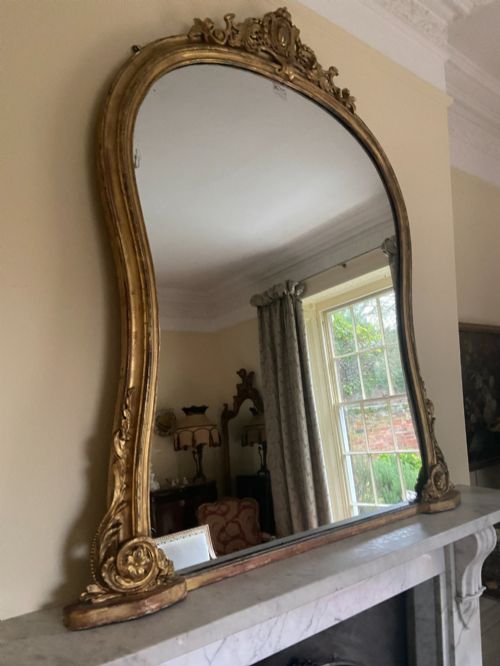
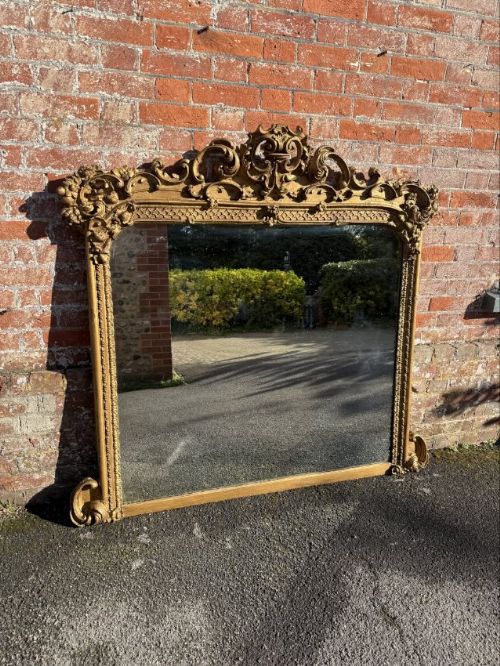
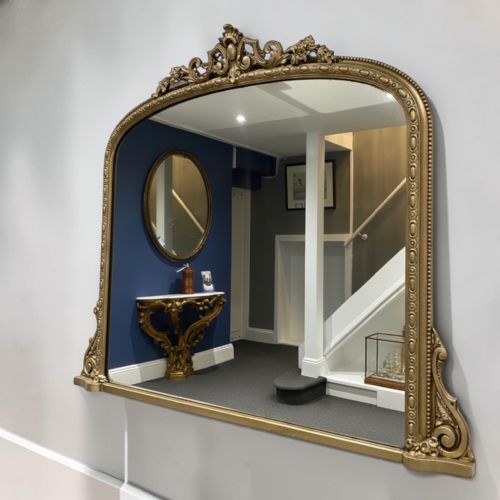
A gold overmantle glass brings scale and a gilded warmth to a room, designed to sit grandly above a fireplace.
Gold Overmantle Glass
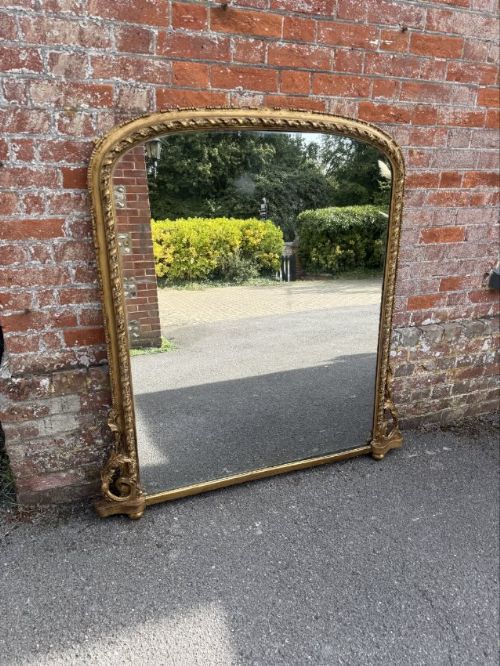
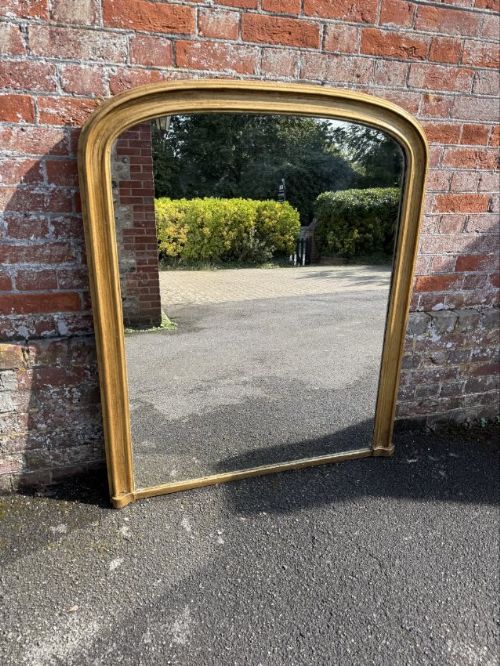
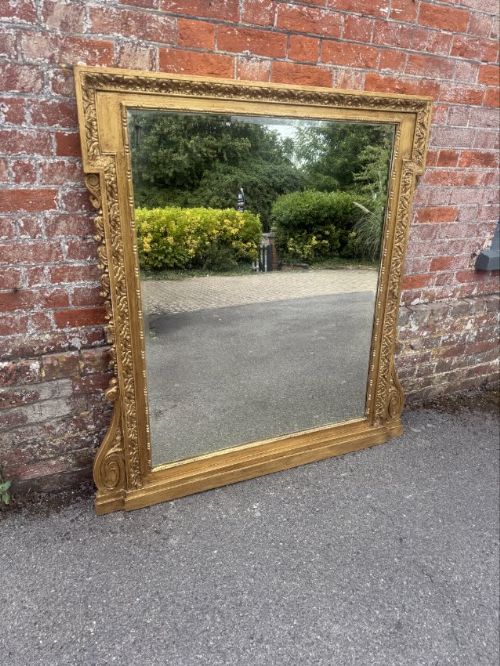
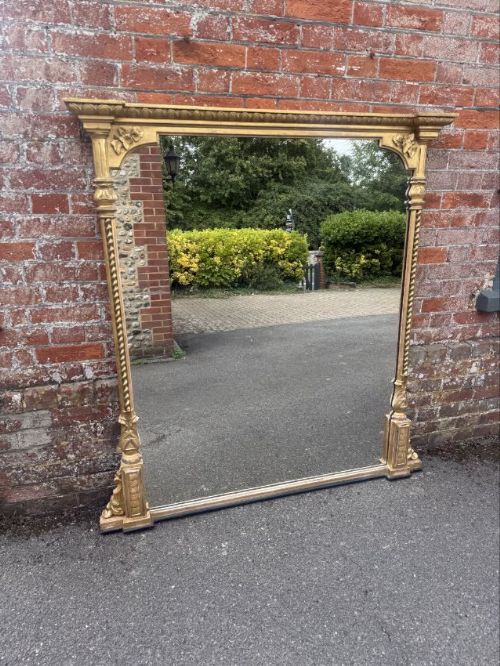
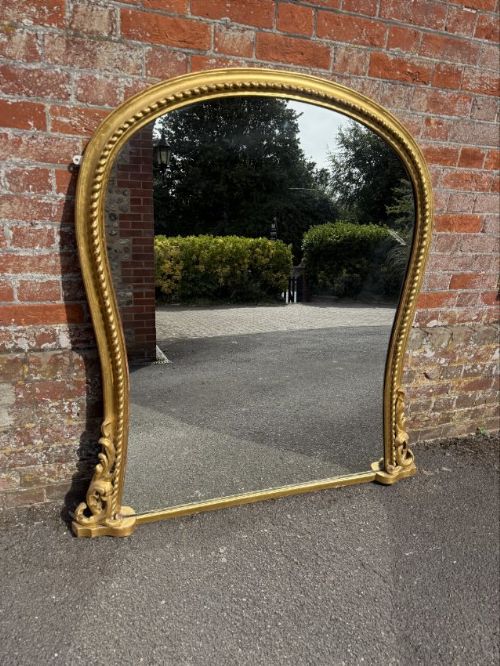
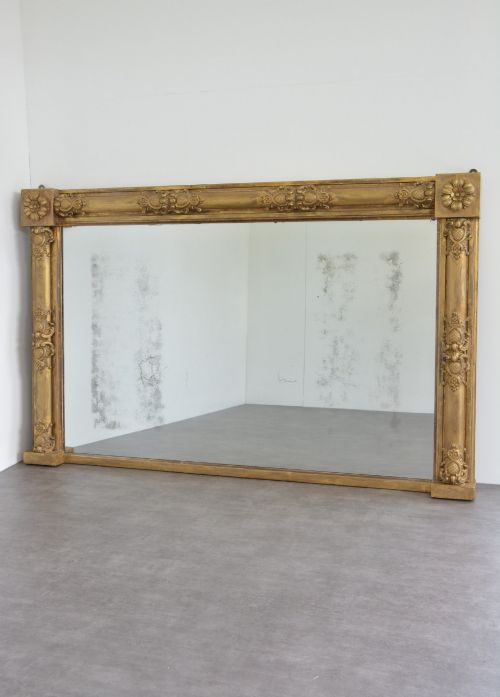
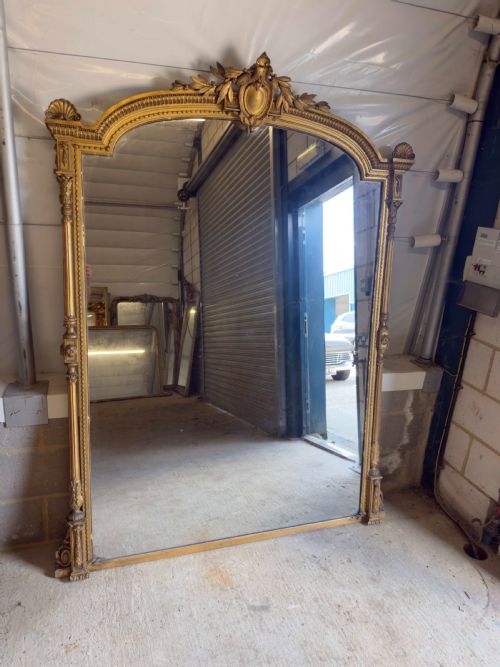
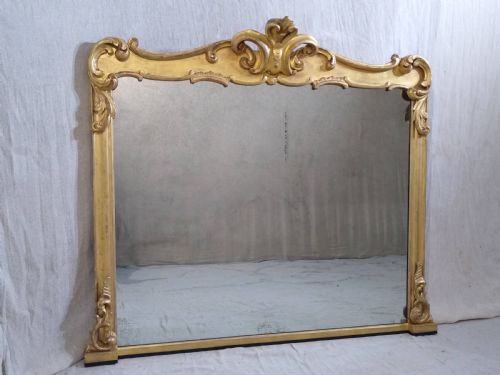
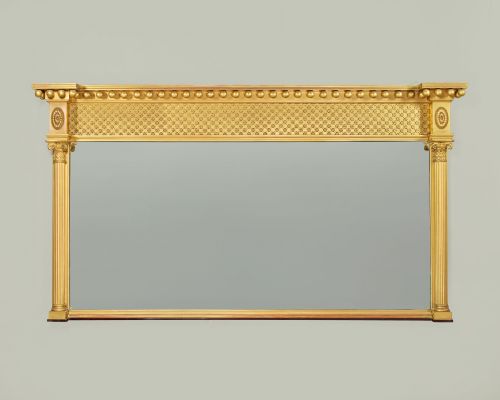
When you search for gold overmantle glass, you encounter large horizontal or arched mirrors created to anchor the space above a fireplace. The most common examples on this page hail from the nineteenth century, spanning Victorian and Regency eras, with characteristic proportions designed to command a chimney breast.
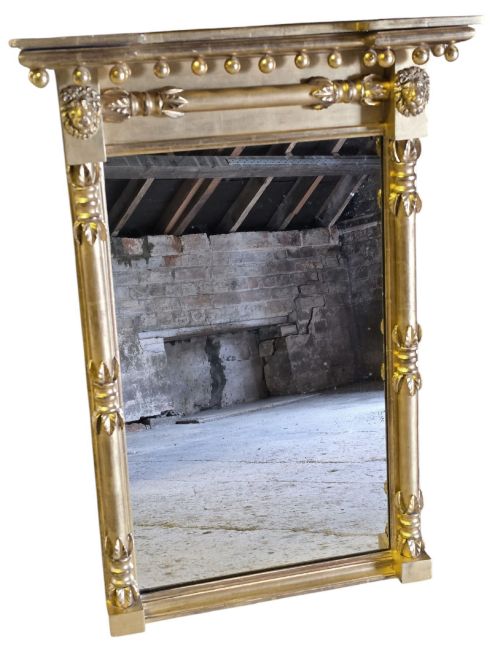
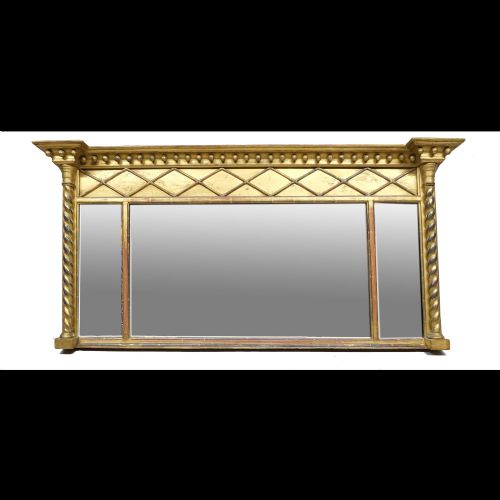
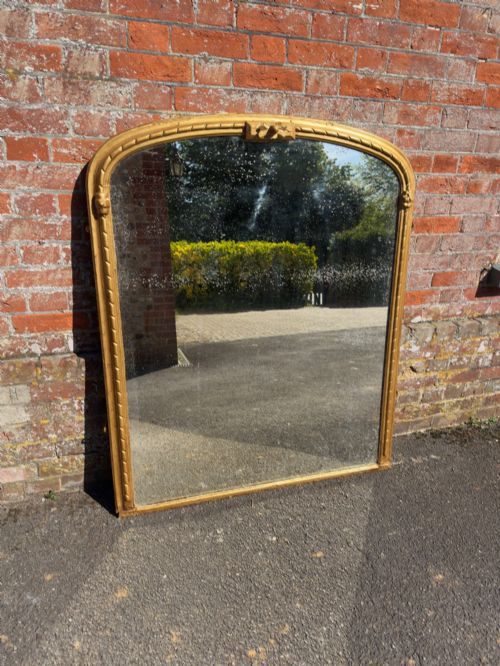
These pieces primarily manifest as overmantel mirrors, wall mirrors, and pier mirrors. They frequently feature architectural framing, shaped tops, and distinct decorative motifs such as rope twists or ribbed columns.
English workshops produced the majority of these examples, employing carved wood and gesso finished in gilt. They served both a practical function of reflecting light into a parlour and a decorative purpose of displaying opulence.
What varies in quality
The depth and crispness of the hand-carved wood and gesso ornamentation separate standard examples from superior ones. Finer pieces display sharply defined rope twists, detailed pediments, and elaborate moulding that retain their structural integrity over the decades.
The application of the gold leaf and the preservation of the original gilt surface dictate the visual impact of the piece. Superior examples maintain their rich, layered metallic sheen rather than appearing flat or overly restored.
The condition and authenticity of the mirror glass itself play a vital role, with original plates carrying subtle foxing or silvering deterioration adding historic character. The weight and rigidity of the underlying timber frame further distinguish robust construction from lesser builds.
Gold Overmantle Glass Retail Price Guide 2026
Typical asking prices for gold overmantle glass among the pieces listed under this phrase on Sellingantiques today, from the lower quarter to the upper quarter. They describe what is for sale here now, not the wider market.
The Gold Overmantle Glass Glossary
- Gesso
- A plaster-like mixture applied to wood frames to provide a smooth base for gilding. It is frequently moulded into relief decoration.
- Giltwood
- Timber that has been coated with gold leaf or a gold-coloured finish. This material defines the bright, reflective appearance of the frames.
- Overmantel
- A large mirror or painting designed specifically to hang on the wall directly above a mantelpiece. These pieces are proportioned to match the width of the fireplace.
- Foxing
- Brown age spots or discolouration appearing within the silvering of antique mirror glass. This chemical change is a natural result of ageing.
- Pier glass
- A tall mirror designed to be placed on the wall between two windows, though often grouped with overmantles in historic interiors.
- Parcel-gilt
- A decoration style where only specific portions of an object are gilded, leaving other areas painted or stained.
Gold Overmantle Glass: Frequently Asked Questions
Where should an overmantle mirror hang?
These mirrors traditionally anchor the wall directly above a fireplace mantel, reflecting light across the room. Their generous proportions are specifically scaled to balance the width of a chimney breast.
They also function effectively on large blank walls in reception rooms as statement pieces. The key is ensuring the structure is securely anchored to support the substantial weight of the wood and glass.
How do I identify a Victorian mirror?
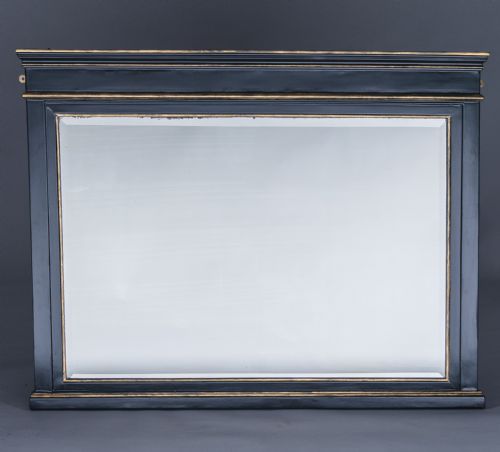
Victorian examples often feature arched tops, elaborate gesso ornamentation, and rich giltwood frames. They frequently incorporate details like rope twists, ribbed columns, or ebonised accents characteristic of nineteenth-century English design.
Looking closely at the construction of the wooden backboards and the composition of the frame helps confirm the period. Many retain original glass plates that exhibit subtle signs of age such as light foxing.
What is a Regency overmantle?
Regency pieces lean towards classical revival styles, often displaying clean architectural lines and refined gilded framing. They date from the early nineteenth century and possess a restrained elegance compared to later Victorian exuberance.
These mirrors often incorporate simple geometric shapes or subtle column details rather than heavy, dense carving. The gold leaf finish on genuine Regency pieces exhibits a warm, mellow patina developed over generations.
How do I care for antique gilt frames?
Giltwood and gesso surfaces require gentle maintenance using a dry, soft cloth or feather duster to remove surface debris. Moisture and chemical cleaners must be avoided entirely to prevent damage to the delicate gold leaf.
Positioning the mirror away from direct sunlight and excessive heat sources protects the timber substrate from warping. Preserving the original surface requires patience and a light touch during routine cleaning.