




Gold Ormolu Pendant
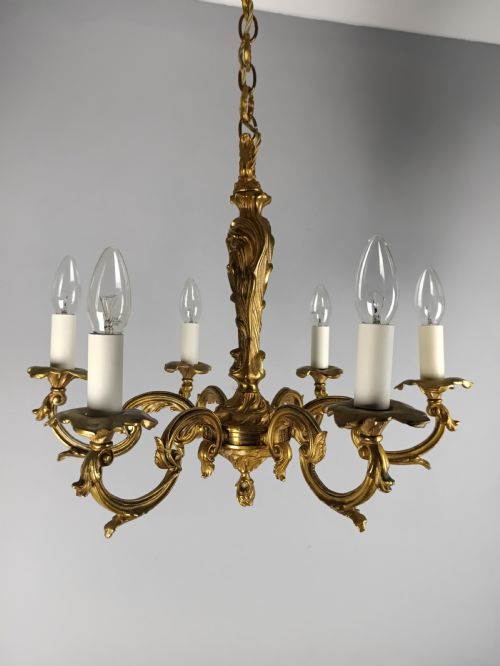
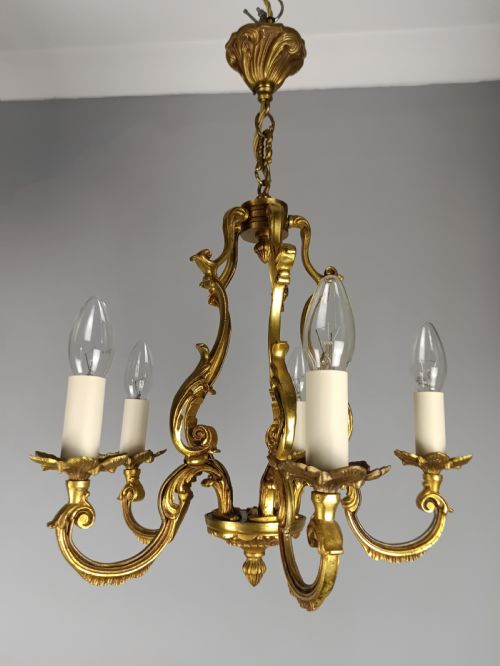
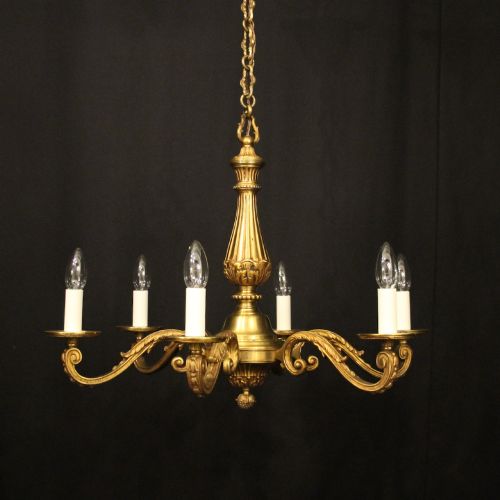
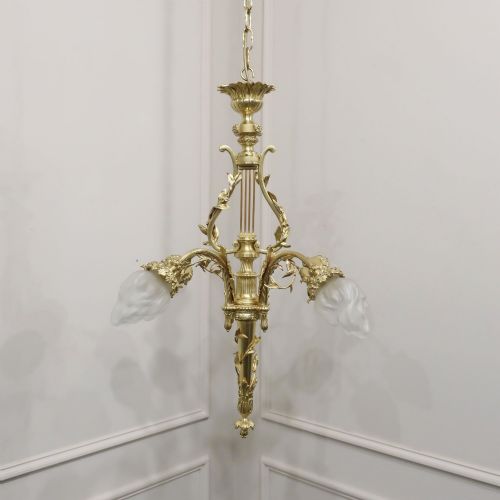
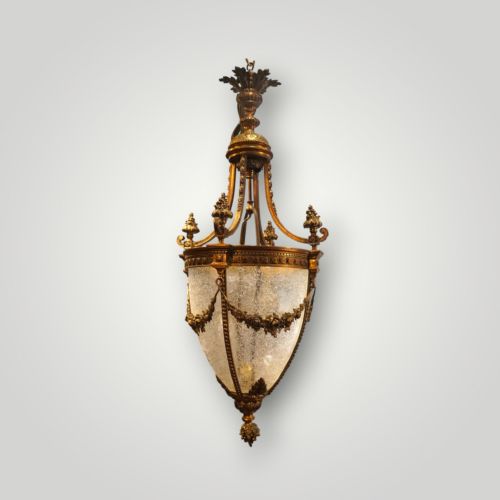
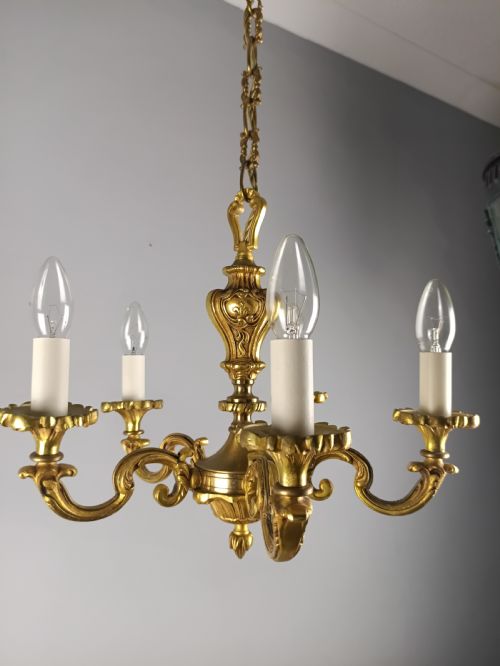
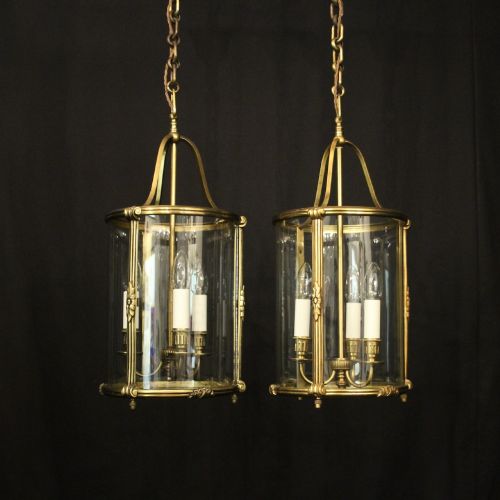
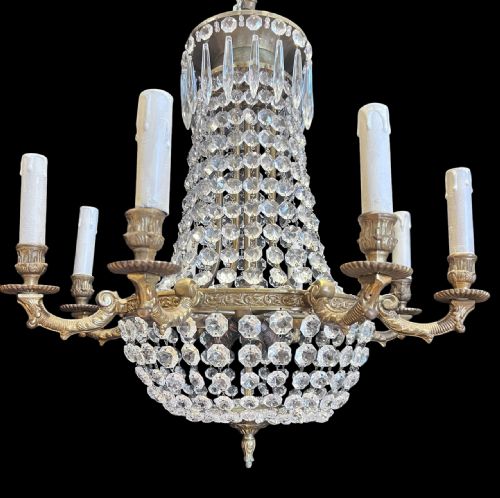
These gold ormolu pendant lights and related fixtures bring nineteenth and early twentieth-century French decorative brilliance into a room.
Gold Ormolu Pendant
When you search for a gold ormolu pendant, you find elaborate hanging light fittings and lanterns created in French styles like Rococo, Empire, and Neoclassical. These pieces primarily date from the nineteenth century up through the nineteen-thirties and originate mostly from France, though English and Italian examples also appear.
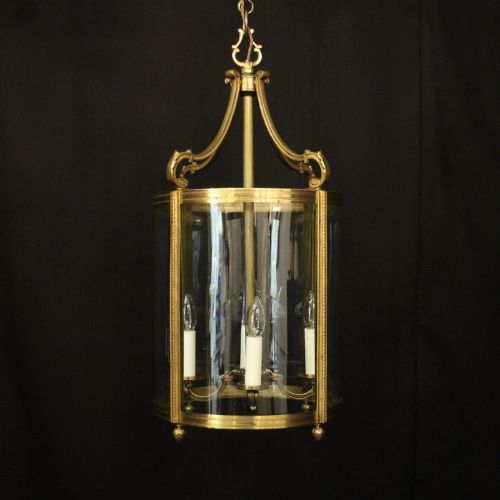
The objects on this page span several hanging lighting forms, including multi-light chandeliers, hall lanterns, and pendant lanterns. Many integrate glass crystals, bevelled glass panels, or tiered designs to catch and amplify the light.
The metalwork carries the distinct golden surface finish associated with ormolu, gilt bronze, and gilt brass. Buyers select these fixtures to anchor a room with period character and historic metal craftsmanship.
Materials and construction
Foundries shaped these frames using bronze, brass, and metal casting techniques, applying a layer of gilding or ormolu to achieve the characteristic golden metallic lustre. Artisans then hand-finished the metal components with detailed chasing to accentuate the decorative motifs.
Transparent elements such as crystal drops, glass panels, and tent-and-waterfall bead strands were wired or pinned directly into the metal armature. These glass additions complement the gilded bronze frames by refracting illumination across the interior space.
Materials recorded across these listings include gilt bronze, ormolu, gilt brass, crystal, bevelled glass, and standard metal.
Distinctions in quality
Quality rests upon the crispness of the bronze casting and the depth of the subsequent chasing on the metal surface. Finer examples display sharp, well-defined leaf and scroll work rather than soft or smoothed-over details.
The integrity of the gilding and the completeness of the original crystal drops or bevelled glass panels also determine the standing of a piece. Fixtures that retain their matching components and integrated secondary tiers demonstrate superior original manufacture.
The Gold Ormolu Pendant Glossary
- Ormolu
- A metallic technique involving the application of finely ground high-carat gold amalgam to a bronze object. It provides a warm, durable golden finish characteristic of decorative metalwork from the eighteenth and nineteenth centuries.
- Gilt bronze
- Bronze metal that has been coated with a thin layer of gold or gold-coloured leaf. It forms the primary structural and decorative material for French chandeliers and lanterns from this era.
- Chandelier
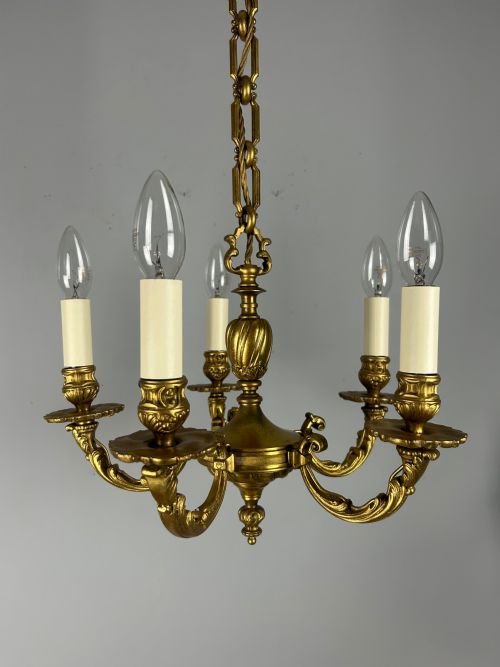
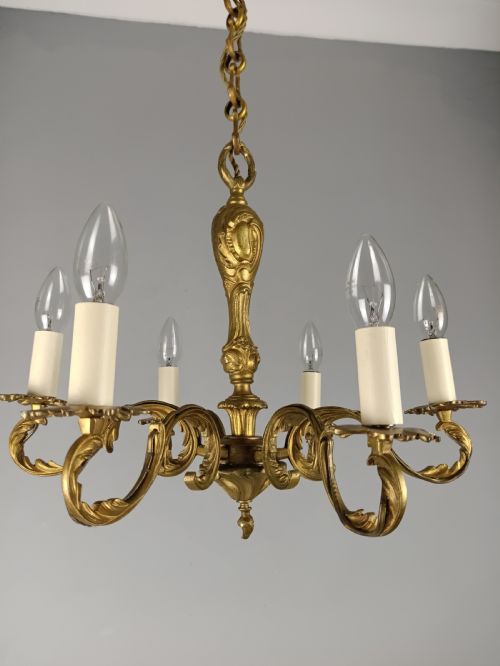
- A branched, suspended light fixture designed to hold multiple illumination sources. The examples here range from simple four-light configurations up to expansive sixteen-light double-tiered formats.
- Hall lantern
- An enclosed hanging light fixture, often hexagonal or convex in shape, designed for entryways and corridors. They frequently incorporate bevelled glass panels held within a gilded metal frame.
- Tent and waterfall
- A specific chandelier arrangement where strings of crystal beads form a conical tent shape above a tiered drop below. This style creates a cascading effect of glass and light.
Gold Ormolu Pendant: Frequently Asked Questions
What periods do these pendants come from?
The pieces span the nineteenth century and the early decades of the twentieth century, including the Edwardian era and the nineteen-twenties and thirties.
Most items reflect earlier French design vocabularies such as Louis XIV, Rococo Revival, and Empire styles, even when manufactured later.
How were these lanterns originally used?
Pendant lanterns and hall lanterns hung in grand entryways, stairwells, and high-ceilinged corridors to greet visitors with warm illumination.
Chandeliers served as the primary light source for principal reception rooms and salons.
Are these lights wired for modern use?
Most antique light fittings require rewiring or professional adaptation to meet modern electrical safety standards upon installation.
Buyers should consult a qualified electrician to check the internal wiring before hanging any fixture.
How do I identify French Empire style?
French Empire style relies on classical symmetry, military motifs, and architectural forms inspired by antiquity.
These pieces often feature restrained bronze mounts, arrow or urn details, and clean geometric proportions.