


Gold Oriental Wall Art
Gold oriental wall art brings together intricate Eastern craftsmanship and luminous metallic detail to transform any interior space.
Gold Oriental Wall Art
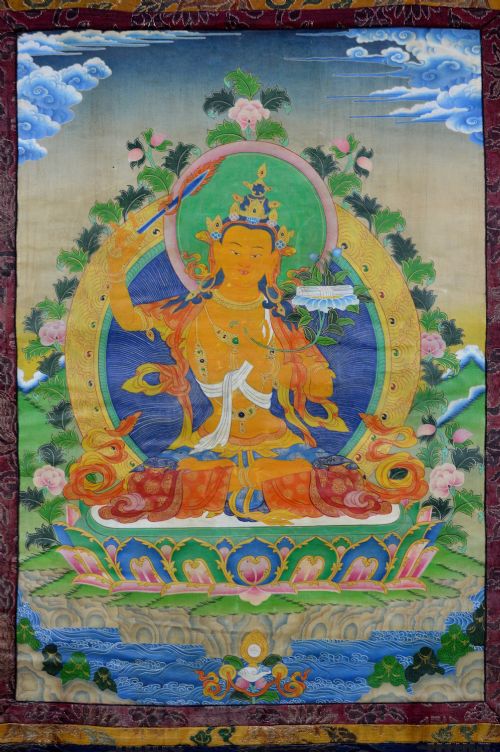
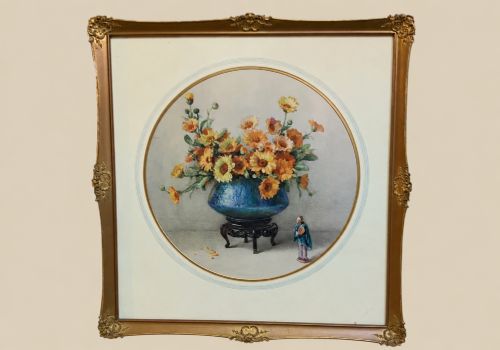
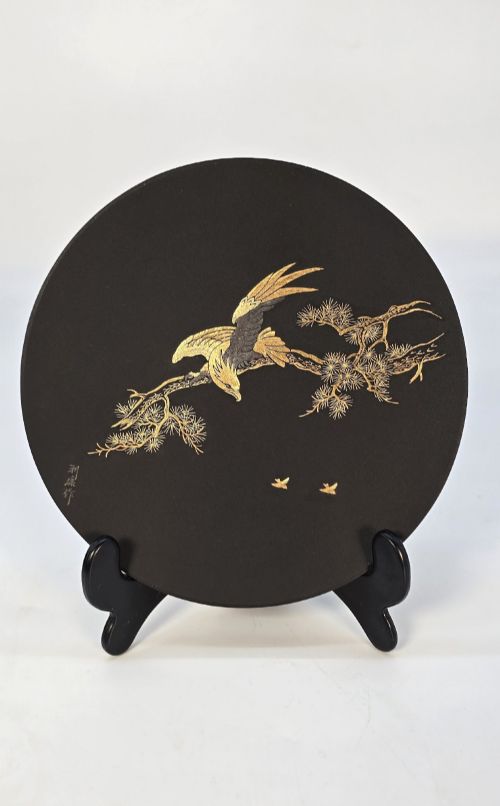
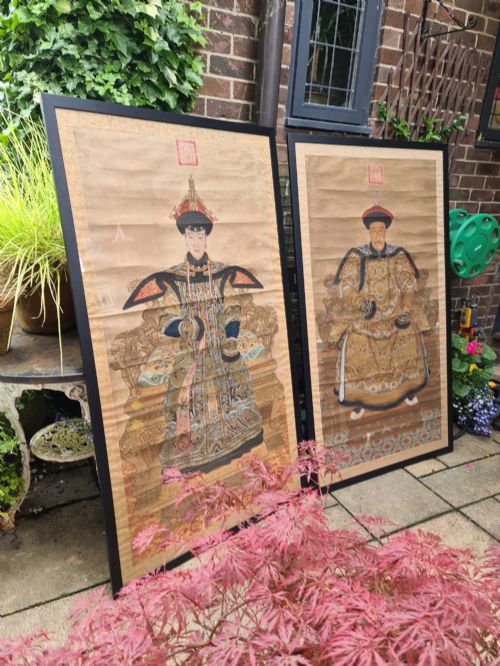
When searching for gold oriental wall art, buyers encounter a diverse range of decorative forms originating from various Eastern traditions and nineteenth-century European interpretations. The selection frequently includes framed paintings, embroidered textile art, carved wooden temple panels, and metallic wall plaques adorned with shimmering leaf.
Most examples date from the nineteenth and early twentieth centuries, spanning periods such as the Qing Dynasty, Meiji period, and Victorian era. Pieces range from delicate Chinese pith paintings and Indian silk miniatures to large embroidered hangings and reverse painted mirrors featuring rich gilt highlights.
The collection reflects global artistic exchange, blending traditional Asian motifs like deities, tigers, and plum blossoms with Western Orientalist perspectives. Buyers typically select these works to introduce distinct cultural narrative and reflective warmth into residential and commercial interiors.
Materials and construction methods
Artisans built these works using traditional organic supports including paper, silk, canvas, glass, and wood, often enhanced with gold leaf, gilt wood, and lacquer. Painters applied watercolours, oils, gouache, and pastels directly onto these prepared surfaces.
Textile pieces rely on dense silk embroidery featuring metallic threads, while sculptural plaques utilise carved wood, patinated iron, and bronze with applied gold and silver inlay. Reverse painted mirrors demonstrate specialised skill by applying pigment directly to the rear of the glass plate.
Listings feature works spanning the eighteenth, nineteenth, and twentieth centuries, utilising silk, glass, gold leaf, and wood.
Distinguishing quality in the pieces
Quality rests upon the precision of the handwork, the preservation of fragile organic materials like silk and paper, and the depth of the metallic application. Superior works exhibit refined brushwork, intricate needlework, and well-preserved gilding that retains its original brilliance.
The sophistication of the composition and the integrity of the original framing or structural panels further separate exceptional examples from standard decorative items. Masterful execution in specialised techniques such as reverse glass painting or metal inlay commands particular attention.
Frederick Goodall RA·R.A Bartlett·Richard Wilson·K. Schubert
The Gold Oriental Wall Art Glossary
- Qing Dynasty
- The final imperial dynasty of China, lasting from 1644 until 1912. Items from this era often feature traditional court motifs and meticulous detail.
- Chinoiserie
- A European artistic style reflecting Chinese artistic influences. This aesthetic was widely interpreted by Western makers during the eighteenth and nineteenth centuries.
- Pith painting
- Artwork created on thin cellular pith paper derived from the stem of the Tetrapanax papyrifer plant. These delicate watercolours were typically produced in nineteenth-century Canton for export.
- Reverse painted mirror
- A technique where the artist paints directly onto the back of a glass panel so the image is viewed through the front. This method creates a luminous, reflective surface finish.
- Gilt wood
- Wood surfaces decorated with a thin layer of gold leaf or powder. This treatment was frequently applied to carved architectural panels and frames.
Gold Oriental Wall Art: Frequently Asked Questions
How do I hang antique silk textiles?
Silk and embroidered panels require professional mounting behind UV-filtering glass to protect the delicate fibres from light damage and atmospheric dust. Avoid hanging them in direct sunlight or areas prone to high humidity.
Weight distribution is crucial for large textiles, so use custom backing boards rather than suspending the fabric directly by its edges.
What is a pith painting?
Pith paintings are delicate watercolours created on a spongy vegetable paper made from plant pith. They were primarily produced in China during the nineteenth century for Western export.
Because the material is exceptionally fragile, these works should remain sealed in their original frames and handled as little as possible.
How do I identify Chinese export art?
Chinese export art typically combines traditional Eastern iconography with stylistic elements tailored for Western European and American markets. These objects often utilise materials like silk, export porcelain, and reverse glass.
Examining the framing, backing materials, and paper supports helps determine whether an object originated during the Qing Dynasty or later.