



Gold on Silver Plates
Gold on silver plates represent intricate craftsmanship across diverse decorative objects, bringing historic luxury and rich gilt details directly to your collection.
Gold on Silver Plates
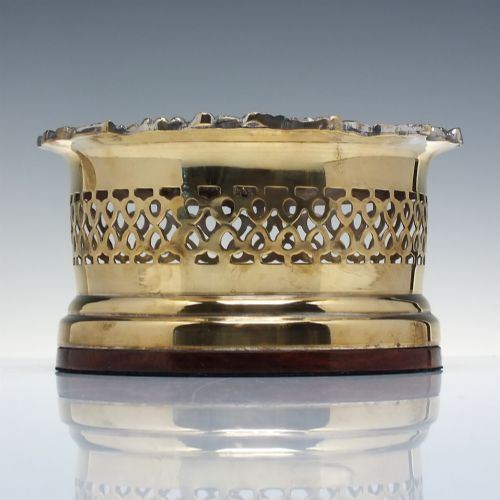
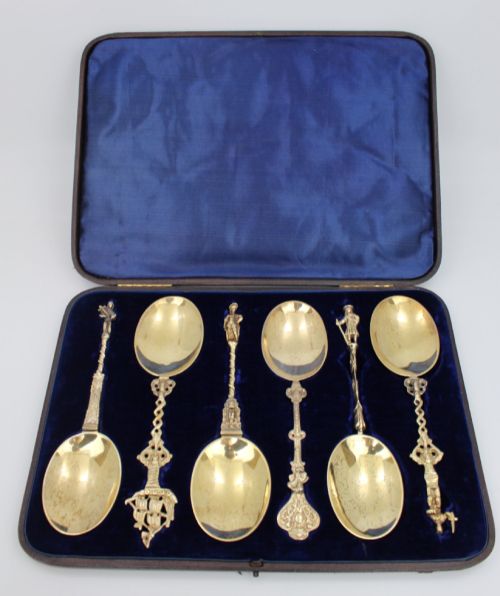
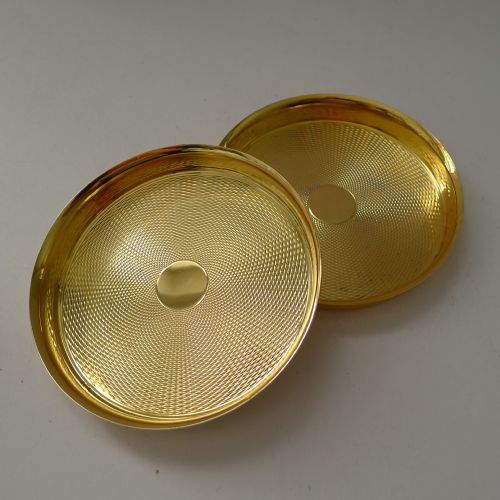
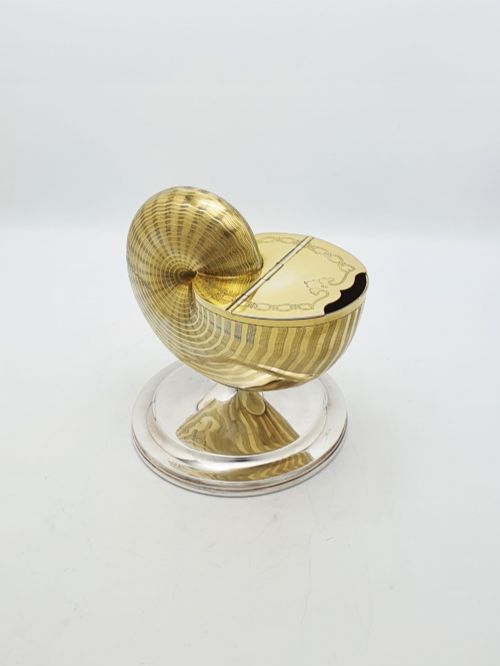
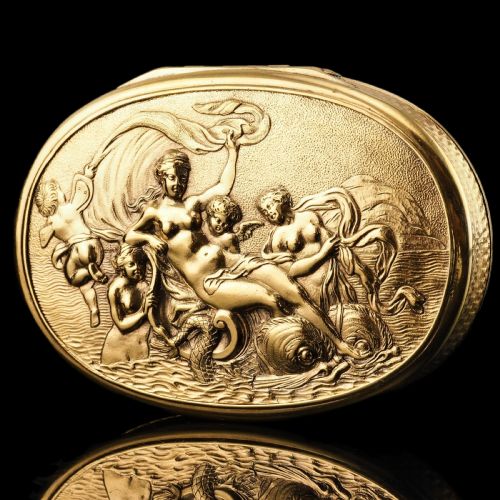
When buyers search for gold on silver plates, they encounter a diverse range of items spanning the Georgian, Victorian, and mid-century periods. These pieces include decorative plaques, tableware such as coasters and spoon warmers, and personal accessories like snuff boxes.
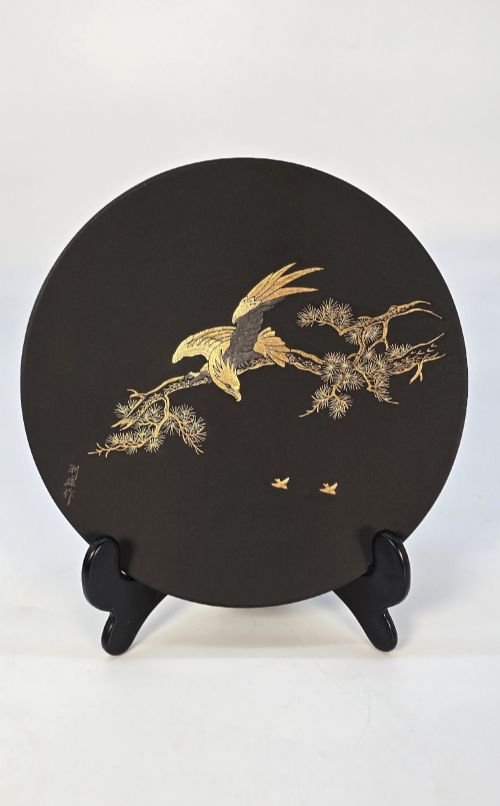
The objects displayed on this page frequently utilise silver gilt, vermeil, and silver plating techniques. Such items showcase varied stylistic influences, from Arts and Crafts and Art Deco designs to Japanese patinated ironwork.
Materials and Technique
Makers utilised sterling silver, silver gilt, and brass as foundational bases for these items. Applying gold to silver surfaces through fire gilding or vermeil techniques created a durable, lustrous finish that endured centuries.
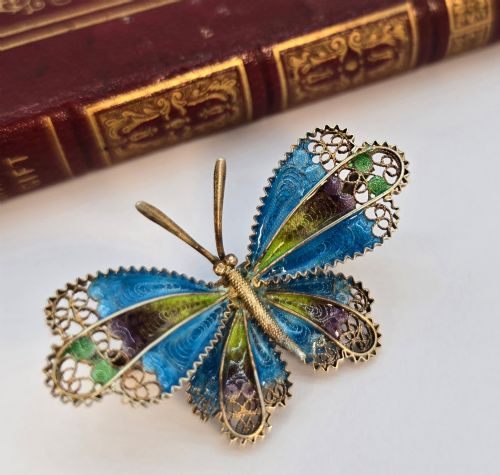
Specialised artisans incorporated enamel details, patinated iron, and detailed casting into pieces like brooches and clocks. These methods demonstrate the high technical skill required to combine contrasting metallic tones.
Gold on Silver Plates Retail Price Guide 2026
Typical asking prices for gold on silver plates among the pieces listed under this phrase on Sellingantiques today, from the lower quarter to the upper quarter. They describe what is for sale here now, not the wider market.
Current listings feature items spanning the Georgian period, the 19th century, and mid-century modern designs up to 1960.
Assessing Quality and Execution
The precision of the metal inlay and the depth of the figural engraving distinguish finer examples from standard production. Superior items display crisp detailing on scenes and motifs, whether on a large sideboard dish or a small brooch.
The preservation of the original gilt surface against the underlying silver or base metal determines the integrity of the piece. Masterful execution ensures that contrasting metals remain sharply defined without rubbing.
Deakin and Francis·Hermes Paris
The Gold on Silver Plates Glossary
- Silver Gilt
- Silver that has been coated with a thin layer of gold. This technique protects the underlying metal while providing the appearance of solid gold.
- Vermeil
- A high-quality type of gold plating where gold is layered over sterling silver. It requires a substantial gold thickness to meet specific standards.
- Old Sheffield Plate
- A composite material formed by fusing a sheet of silver to a thicker copper base. It represents an early method of producing silver-appearance items before electroplating.
- Patinated Iron
- Iron treated with chemicals or heat to produce a stable surface finish. This technique adds depth and colour to Japanese decorative plaques.
- Sifter Spoon
- A specialised utensil featuring a pierced bowl designed for dusting sugar or spices. They frequently appear in silver gilt finishes.
Gold on Silver Plates: Frequently Asked Questions
What is silver gilt?
Silver gilt is solid silver that has been coated with a thin layer of gold. This process combines the structural integrity of silver with the rich appearance of gold.
Artisans used this technique across various items, including flatware, boxes, and decorative dishes, to enhance their visual appeal.
How do I care for vermeil?
Vermeil requires gentle cleaning with a soft cloth and mild soap to protect the thin gold layer over the silver base. Avoid harsh chemical dips and abrasive polishes that can strip the plating.
Store these items in a dry place away from direct sunlight and humidity to maintain their original finish.
What is Old Sheffield Plate?
Old Sheffield Plate is a material created by fusing a thin sheet of silver to a copper core. This method preceded modern electroplating and produced durable tableware.
Pieces made this way often reveal subtle traces of copper along high-wear edges, which helps collectors identify the period.
How can I date these items?
Dating involves examining hallmarks, manufacturing techniques, and stylistic markers specific to periods like the Georgian era or Art Deco. Maker marks and assay office stamps provide precise chronological clues.
Secondary elements such as hinges, fasteners, and box linings also help determine the exact decade of production.