

Gold Metal Pendant
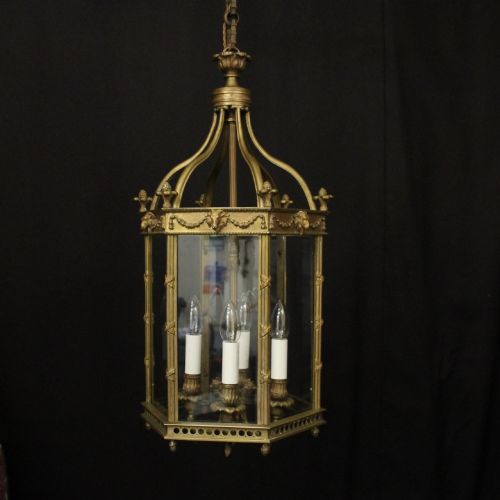
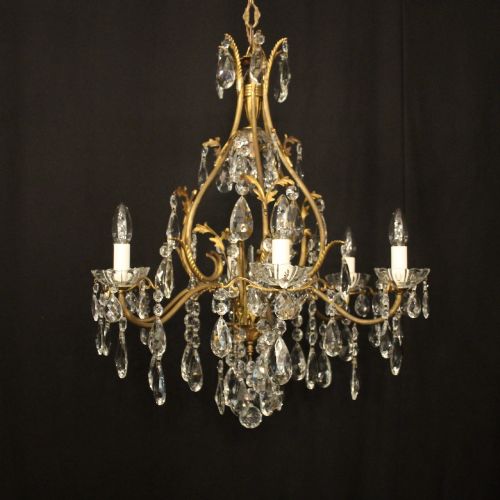
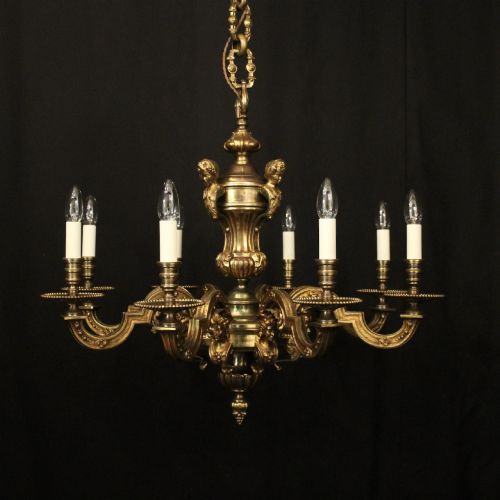
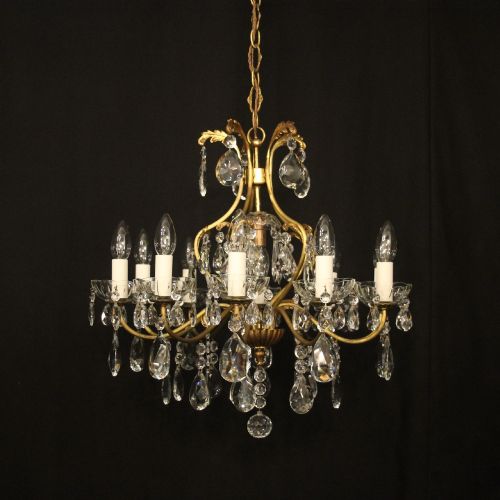
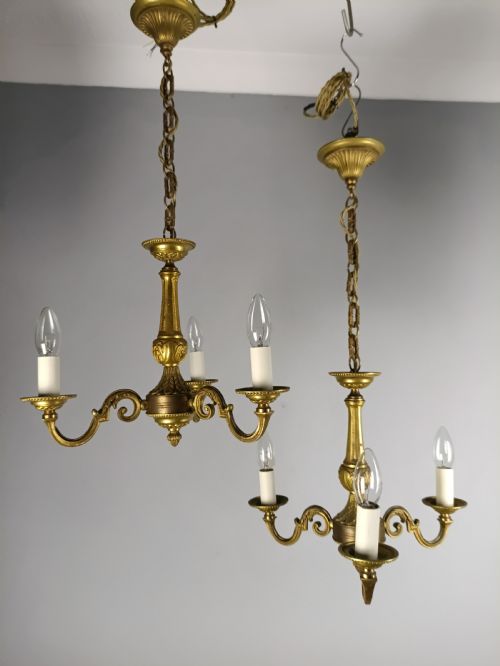
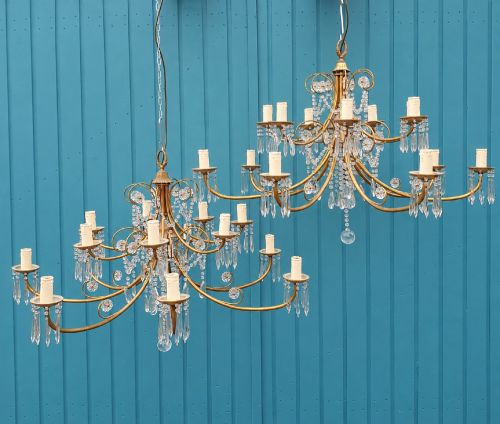
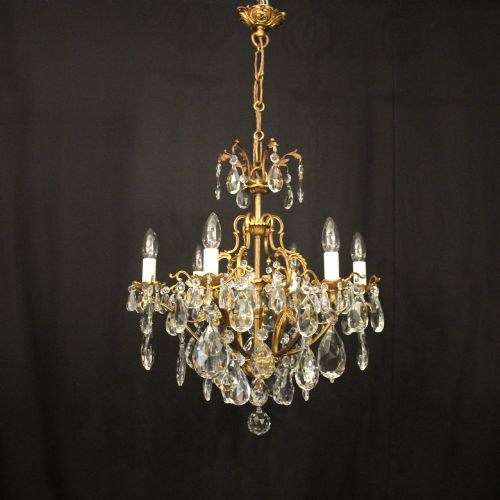
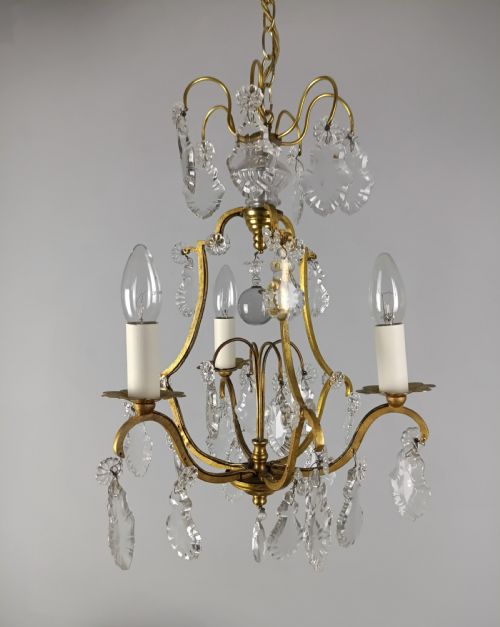
A gold metal pendant gathers light through crystal and glass across Georgian, Victorian and twentieth century interiors.
Gold Metal Pendant
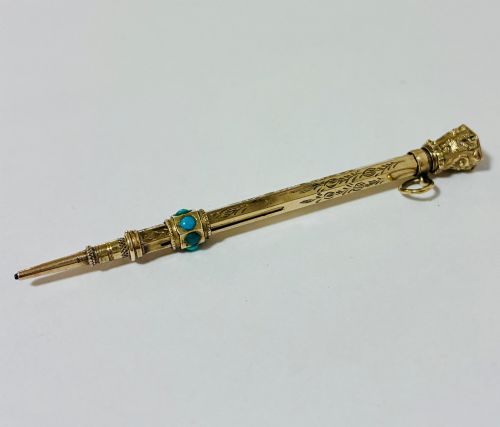
A gold metal pendant encompasses smaller hanging objects, including novelty pendants and propelling pencils alongside lighting forms. Buyers searching for a gold metal pendant typically encounter items fashioned from gilt brass, gilt bronze, and brass paired with glass or crystal components.
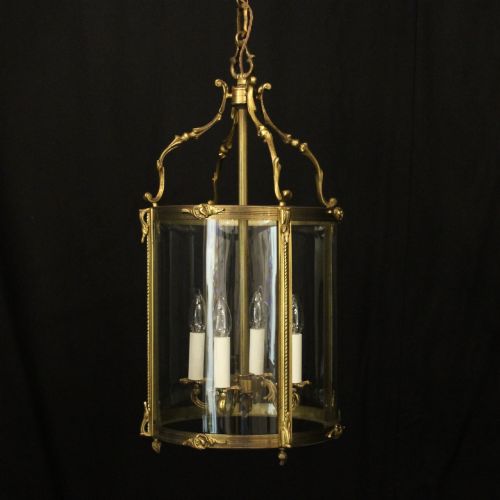
The pieces span periods from the Georgian era through the Edwardian years and into the 1930s. Smaller accessories like propelling pencil pendants appear alongside larger ceiling fixtures and hall lanterns.
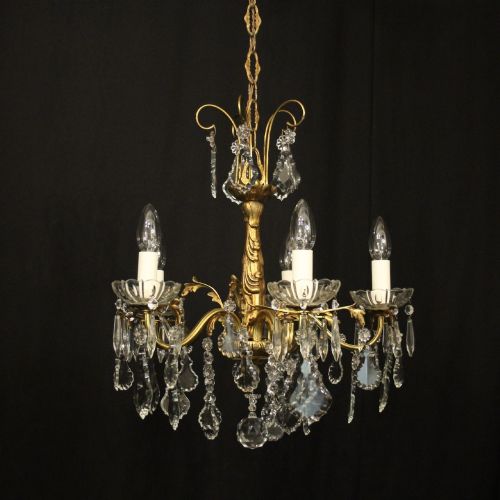
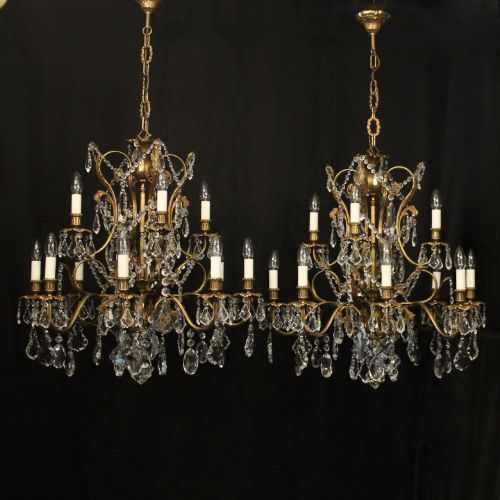
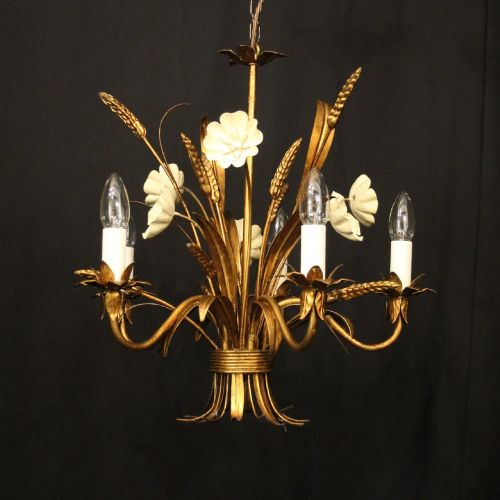
French and Italian workshops dominate the origin of these items, showing styles such as French Rococo, Italian Florentine and French Neoclassical. Smaller objects like swivel fobs and portrait miniatures also represent the category.
Materials and construction methods
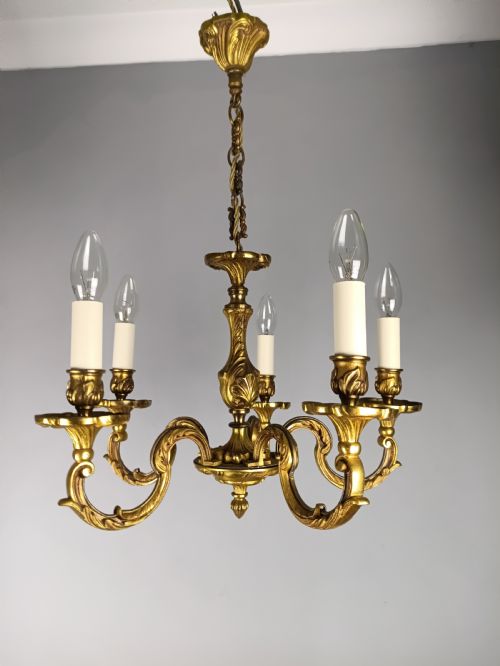
Makers utilised brass, bronze and base metals treated with gilding to achieve a gold finish. Gilt metal, gilded brass and gilt bronze provide the metallic structure for both lighting and small pendant accessories.
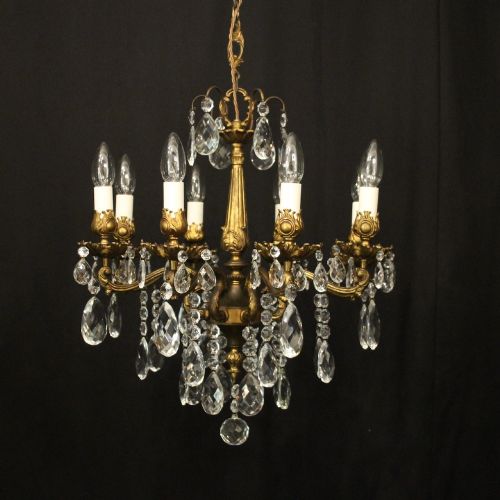
Glass and crystal elements, including drops, prisms and beads, integrate into chandeliers and pendant lights. Toleware, ceramic flowers and enamel decorate specific pendant types and lighting frames from the early twentieth century.
Gold Metal Pendant Retail Price Guide 2026
Typical asking prices for gold metal pendant among the pieces listed under this phrase on Sellingantiques today, from the lower quarter to the upper quarter. They describe what is for sale here now, not the wider market.
Materials span gilt bronze, brass, toleware, crystal, glass, and ceramic.
Assessing quality in gold metal pendant examples
The standard of ciselure on gilt bronze and the crispness of casting in brass framework distinguish finer items. Hand-chased details on metal mounts and the clarity of cut glass crystals indicate superior manufacture.
Integration of secondary materials such as carved stone, enamel work, or delicate ceramic floral elements alters the refinement of the piece. The complexity of the metal armature and the precision of assembly mark the distinction between workshops.
John C D Engleheart·William Naish
The Gold Metal Pendant Glossary
- Gilt bronze
- Copper alloy cast and coated with a layer of gold. This material allows for sharp, detailed casting in decorative metalwork.
- Toleware
- Painted or lacquered sheet metal items. This technique appears on decorative lighting branches and floral elements.
- Propelling pencil
- A pencil with a mechanism that advances the lead. Examples from this category often incorporate decorative casing and pendant suspension loops.
- Birdcage chandelier
- A lighting form constructed with vertical metal wires or straps resembling a cage. Crystal drops frequently suspend within or around this framework.
- Swivel fob
- A seal or decorative pendant mounted on a rotating pivot. Georgian examples often set hardstones within gilt metal frames.
Gold Metal Pendant: Frequently Asked Questions
What periods do gold metal pendant items cover?
The selection spans from the Georgian era and the nineteenth century through Edwardian designs and the 1930s. These pieces include both personal accessories and interior lighting fixtures.
Craftsmanship reflects the prevalent tastes of each decade, ranging from ornate Florentine details to early twentieth century forms.
How were small gold metal pendant objects used?
Small pendant objects such as propelling pencils and fobs hung from chains or ribbons as personal accessories. They served practical writing and sealing functions while acting as personal ornaments.
Larger pendant items functioned as ceiling lighting and hall illumination for period interiors.
How do I care for gilt metal and crystal?
Gilt surfaces require gentle dusting with a soft cloth to protect the thin gold layer from abrasion. Moisture and chemical cleaners can strip the historical surface finish.
Crystal drops and glass components can be cleaned individually with mild solutions before reattachment to the metal frame.
What distinguishes French and Italian pendant lighting?
French lighting frequently employs gilt bronze or brass frames with birdcage structures and crystal teardrops. Styles often reference neoclassical, rococo or chateau aesthetics.
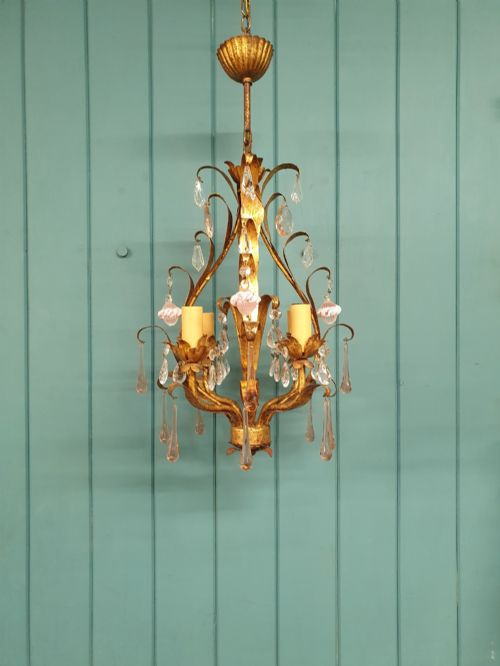
Italian examples, particularly from Florentine workshops, emphasise leafy metalwork and integrated crystal arrangements.