




Gold Metal Hand
These gold metal hand objects bring together period craftsmanship and decorative utility, offering a distinctive addition to any interior scheme.
Gold Metal Hand
A gold metal hand search reveals a diverse collection of decorative and functional objects spanning the eighteenth century through to the art deco period. Buyers encounter various forms, including mantel clocks, cachepots, trays, and wall art produced across multiple stylistic traditions.
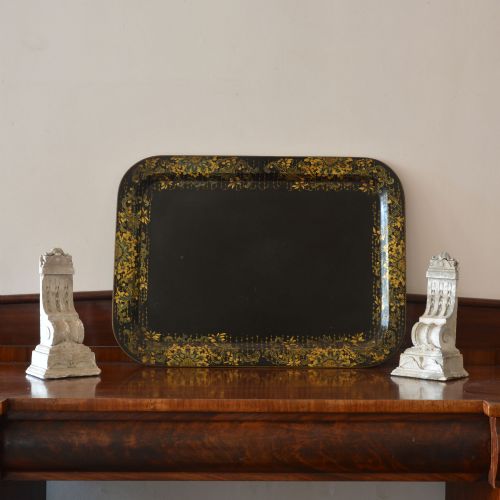
The pieces listed on this page frequently originate from French, British, and international makers, showcasing periods such as the Victorian era and the nineteenth century. Common manifestations involve gilt bronze, brass, and mixed metal constructions integrated into domestic items.
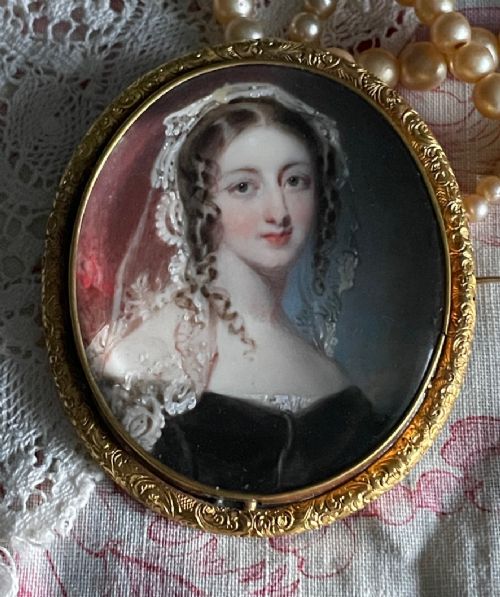
Among the selection, items incorporating hand motifs or hand-painted details stand alongside traditional gilt metal furnishings. Each piece reflects the specific material choices and stylistic preferences of its manufacturing period.
Materials and construction techniques
Makers utilised cast brass, gilt bronze, and mixed metal to form the structural foundations of these decorative items. Metalworking techniques such as embossing, engraving, and hand-finishing allowed artisans to achieve intricate surface textures and decorative relief.
Porcelain, enamel, and cut crystal frequently appear combined with metal mounts in clocks, centrepieces, and wall plaques. These varied components required specialised assembly methods to secure delicate painted surfaces and glass elements within metal frames.
Gold Metal Hand Retail Price Guide 2026
Typical asking prices for gold metal hand among the pieces listed under this phrase on Sellingantiques today, from the lower quarter to the upper quarter. They describe what is for sale here now, not the wider market.
Town criers and school children once answered to the authoritative ring of a solid brass hand bell.
Distinguishing quality across the range
Quality in these items is determined by the crispness of the metal casting and the precision of the hand-engraving or embossing. Superior examples display sharply defined relief work and harmonious integration of mixed materials without visible structural compromise.
The refinement of secondary components, such as hand-painted porcelain plaques, enamel detailing, and crystal cutting, further separates standard production from higher-tier pieces. Depth of finish and the overall balance of design proportions dictate the standing of each object.
Japy Freres·Berlin KPM
The Gold Metal Hand Glossary
- Gilt bronze
- An alloy treated with a gold application to produce a lustrous decorative surface. This material appears frequently in nineteenth-century French clock mounts and decorative hardware.
- Cachepot
- An ornamental container designed to hold a flowerpot. These vessels are constructed from brass or porcelain to sit within domestic interiors.
- Mantel clock
- A household timepiece designed to stand on a fireplace mantelpiece. They are commonly housed in cases made of gilt bronze, porcelain, and mixed metals.
- Curtain tie back
- A decorative fixture attached to a wall to hold drapery aside. Examples from the eighteenth century incorporate enamel and gilt metal elements.
Gold Metal Hand: Frequently Asked Questions
How are gilt metal and bronze pieces cleaned?
These metal surfaces require gentle dusting with a soft, dry cloth to prevent the accumulation of abrasive particles. Avoid chemical polishes that can strip the original gilt layer.
Water and harsh detergents must be kept away from painted porcelain and enamel sections integrated into the metalwork. Specialist conservation cleaners are suitable only when applied with extreme care.
Where were these decorative metal objects placed?
Items such as cachepots, trays, and mantel clocks served both functional and decorative roles in nineteenth-century interiors. They populated drawing rooms, libraries, and hallways as displays of refinement.
Smaller accessories like curtain tie backs and hand mirrors integrated utility directly into domestic furnishings. Their placement depended on the specific stylistic conventions of the period.
How do you date mixed metal trays and clocks?
Dating relies on stylistic indicators such as French Rococo Revival or Art Deco motifs, alongside manufacturing signatures. Material combinations like cut crystal with gilt bronze point towards specific late-nineteenth-century workshops.
Construction marks and housing styles for clock movements provide further chronological clues. Comparing piece proportions with documented period designs confirms the era of production.
What distinguishes French mantel clocks from other styles?
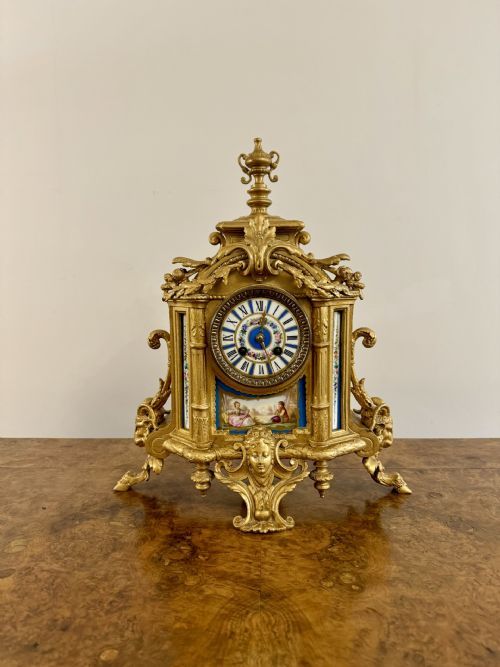
French mantel clocks often combine gilt bronze or metal cases with hand-painted porcelain panels or figural mounts. The presence of established makers like Japy Freres marks high-grade horological production.
These pieces frequently incorporate intricate casting work and classical revival themes. Their detailed execution separates them from mass-produced domestic timepieces of later decades.