

Gold Metal Fireplace Guard
A gold metal fireplace guard brings warmth and elegance to a hearth, keeping sparks contained while framing the fire.
Gold Metal Fireplace Guard
A gold metal fireplace guard serves as both a practical barrier and a decorative focal point in a room. When searching for this phrase, buyers encounter various forms designed to shield living spaces from stray embers and ash.
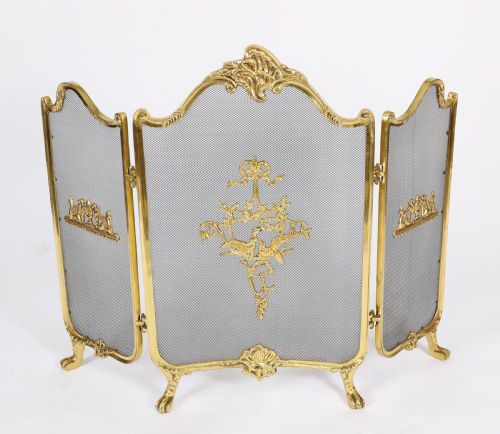
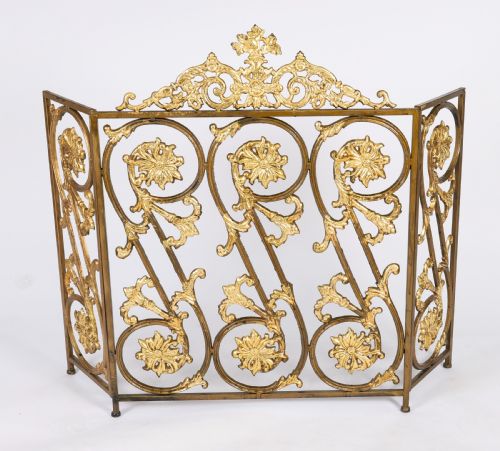
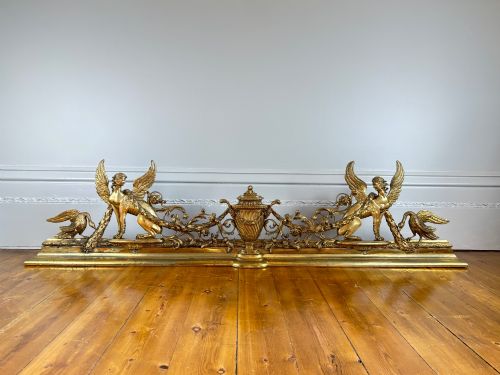
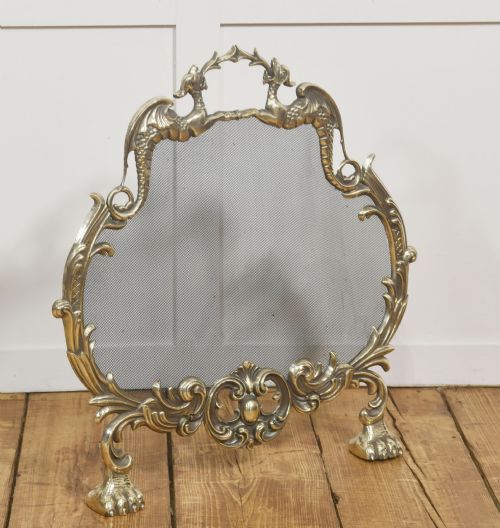
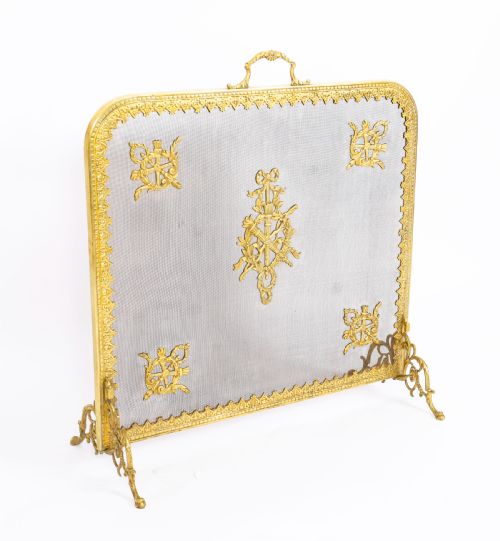
The selections available primarily consist of fire screens, spark guards, and fireplace fenders originating from the nineteenth century up to the early twentieth century. Many examples reflect revivalist aesthetics popular during the Victorian era.
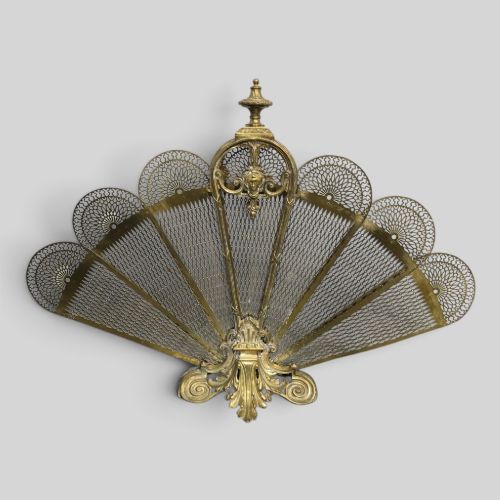
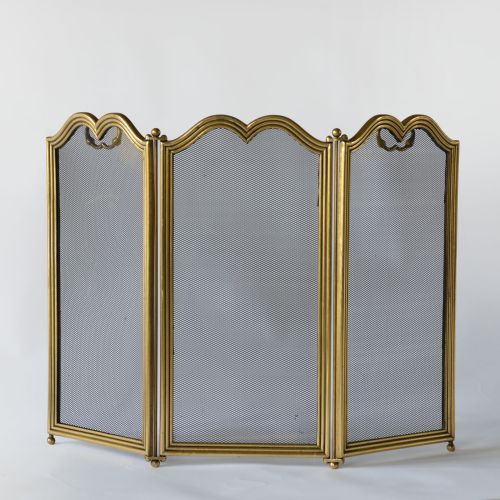
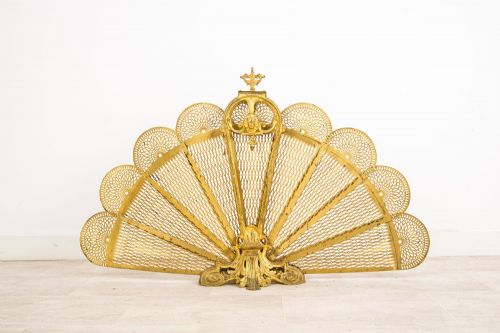
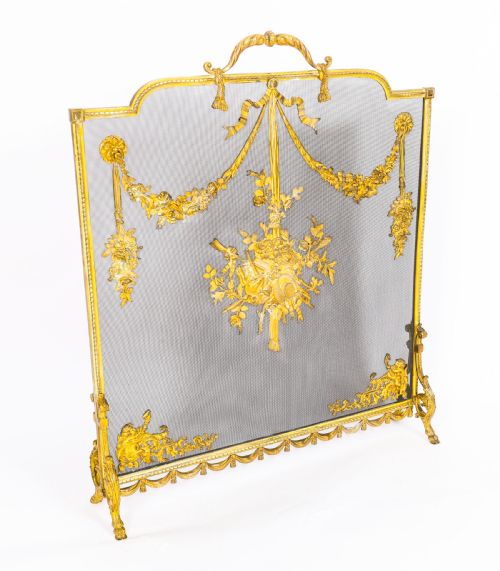
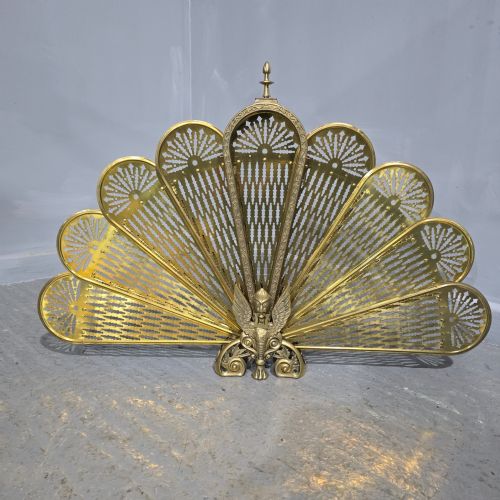
French influences predominate among the listed items, particularly pieces showing Rococo, Louis XIV, and Louis XVI styles. Buyers frequently meet folding tripartite screens, peacock fan designs, and solid brass kerbs among these offerings.
Materials and Construction
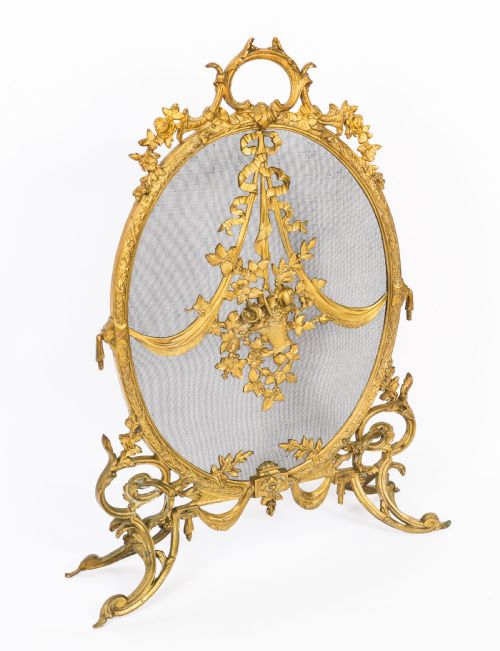
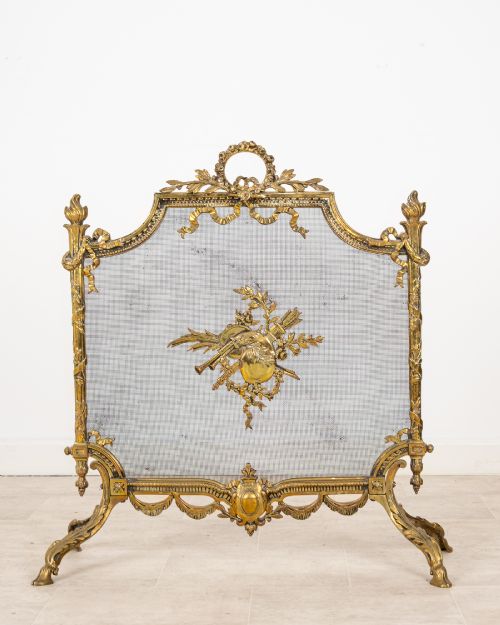
Craftsmen utilised yellow metals such as brass, gilt bronze, ormolu, and gilt brass to create the luminous frames characteristic of these hearth accessories. Wire mesh and iron mesh were integrated into the design to provide durable protection against sparks without blocking the view of the flames.
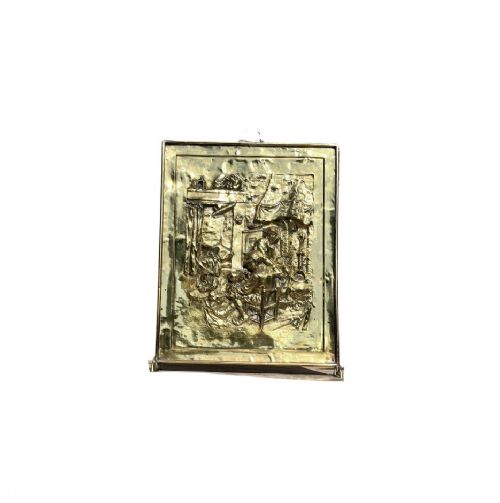
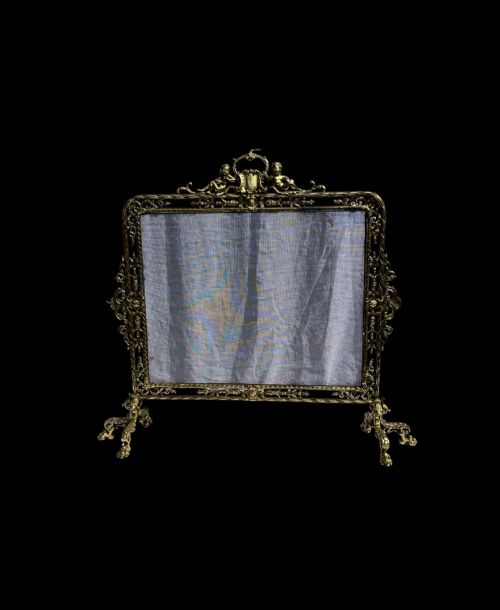
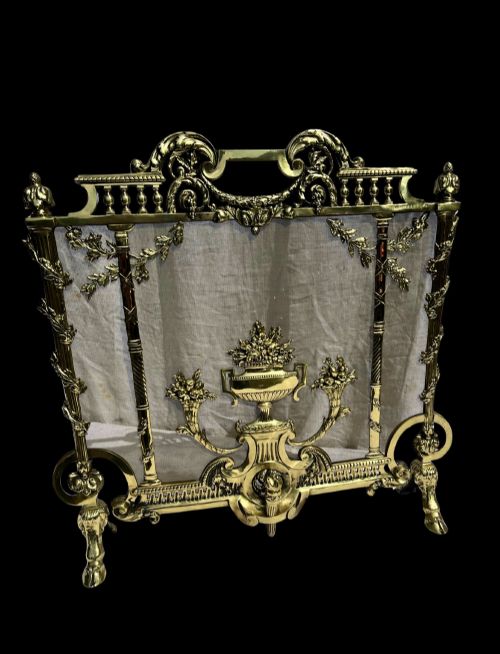
Decorative details often involved casting, piercing, and chiselling metal to achieve ornate floral, musical trophy, or classical motifs. Steel was also utilised alongside brass in specific fender constructions to add structural rigidity.
Peacock fan screens fan open like proud tail feathers, turning practical spark guards into theatrical hearth ornaments.
Assessing Quality and Craftsmanship
The distinction between standard items and finer pieces lies in the depth and crispness of the cast ornamentation. Heavier gauge brass and meticulously hand-chiseled gilt bronze display superior artistry compared to mass-produced alternatives.
Artisanal precision is evident in the articulation of hinges on folding spark guards and the complexity of pierced brasswork. Preservation of original gilding and the structural integrity of the mesh panels further elevate the standing of an individual piece.
E F Caldwell New York·George Bullock
The Gold Metal Fireplace Guard Glossary
- Ormolu
- High-quality gilt bronze, typically produced by applying a mercury and gold amalgam to bronze before firing. This technique creates a rich, durable golden surface.
- Fire Screen
- A movable panel placed before a fireplace to block radiant heat when the fire is low. They often double as decorative objects during warmer months.
- Fender
- A low metal frame placed on the hearth around the base of a fireplace. It prevents burning logs or coals from rolling onto the floor.
- Rococo Revival
- A nineteenth-century design movement inspired by eighteenth-century French style, characterised by asymmetric scrolls, C-curves, and naturalistic shell motifs.
Gold Metal Fireplace Guard: Frequently Asked Questions
How do I clean a brass fire screen?
Dust the metal gently with a soft cloth to remove everyday debris. Avoid harsh chemical cleaners that can strip away historic patinas or remaining gilding.
For stubborn tarnish, use a mild, non-abrasive metal polish specifically formulated for brass. Apply it sparingly and buff with a clean cloth to restore the shine.
Are these guards safe for active fires?
Many nineteenth-century screens incorporate wire or iron mesh designed to contain sparks effectively. However, delicate gilt surfaces and antique frames require careful placement to prevent heat damage.
It is advisable to check the stability of folding panels and mesh integrity before using any guard with an open fire. Some decorative items serve better as ornamental hearth furniture.
What is the difference between a fender and a screen?
A fender sits flat on the hearth around the base of the fireplace opening to contain rolling embers. They are often extended or kerbed to frame the hearth area.
A screen stands upright on feet or folding sections to block radiant heat and flying sparks. Screens cover the opening vertically rather than bordering the hearth horizontally.
How do I identify French revival styles?
French revival pieces from the nineteenth century emulate earlier royal aesthetics such as Louis XIV or Louis XV designs. Look for sweeping scrolls, asymmetrical cartouches, and classical trophies cast into the metal.
Maker details and country of origin often align with Parisian workshops of the period. The use of fire-gilt bronze or ormolu frequently distinguishes these finer continental items.