


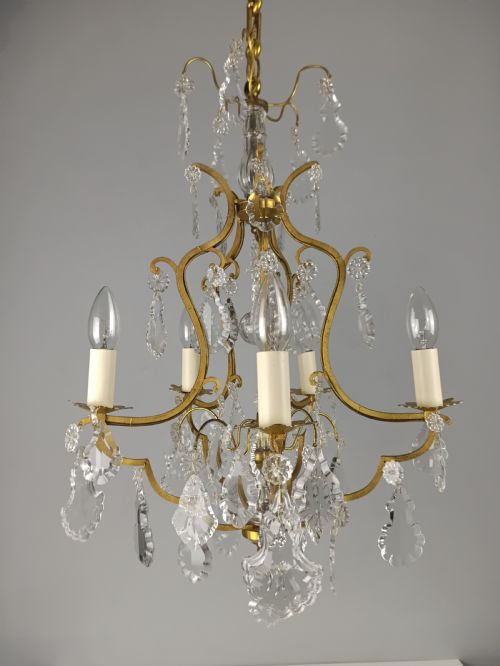

Gold Metal Crystal Chandelier
A gold metal crystal chandelier brings immediate warmth and sparkle to a room, drawing the eye upwards with its gleaming framework and hanging prisms.
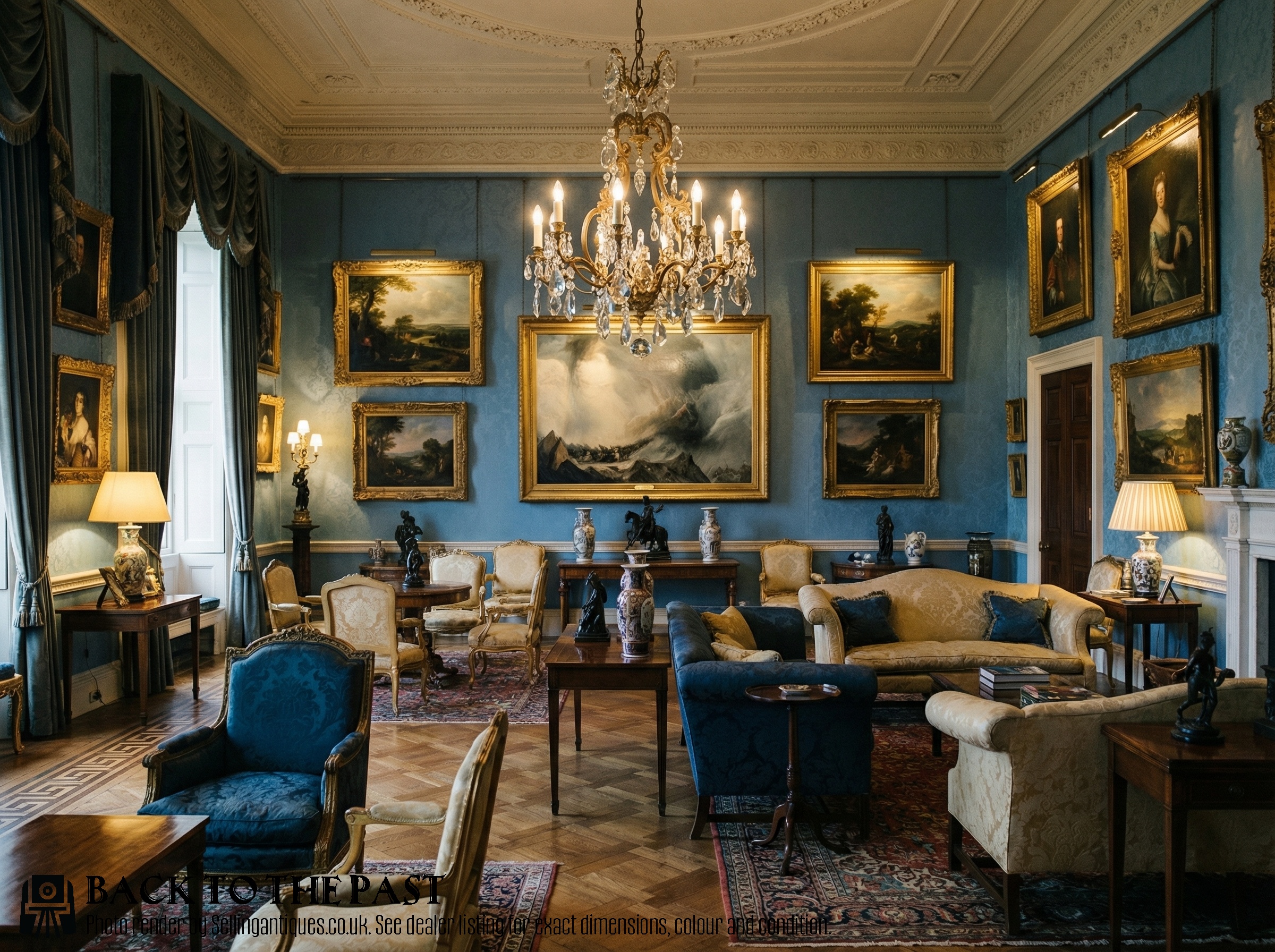
Gold Metal Crystal Chandelier
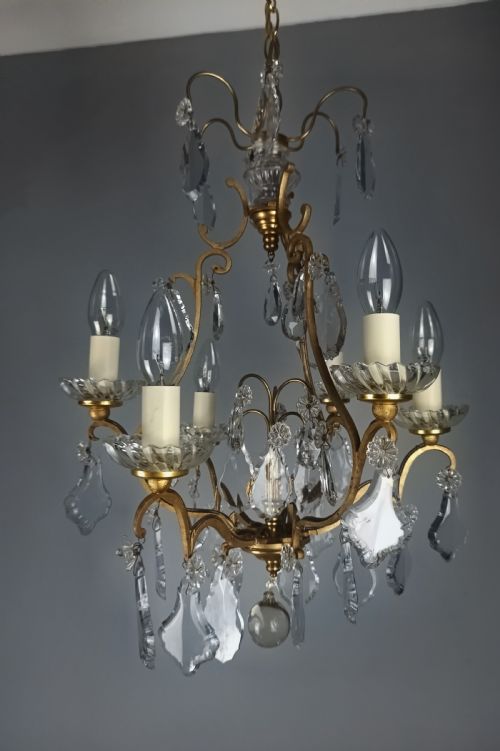
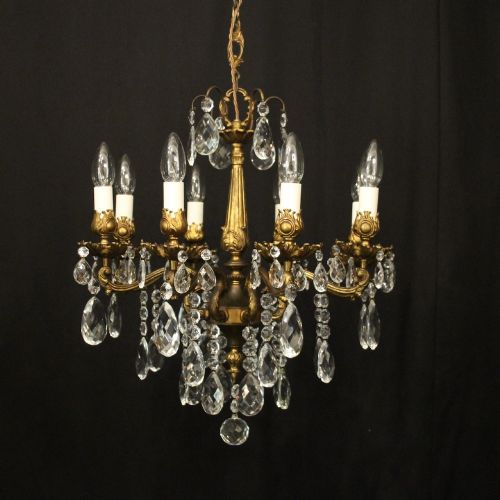
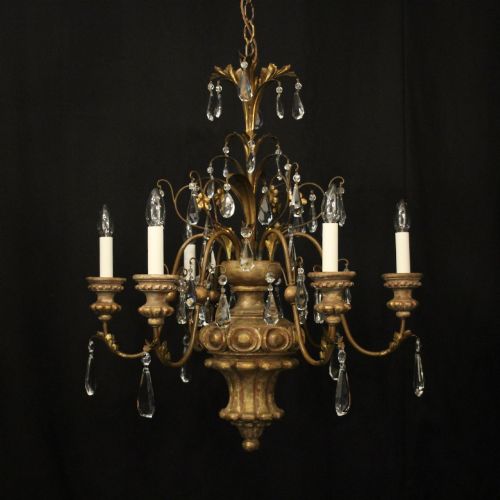
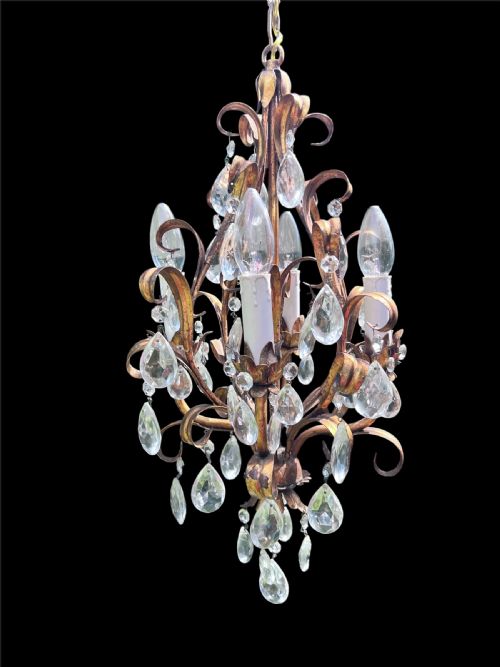
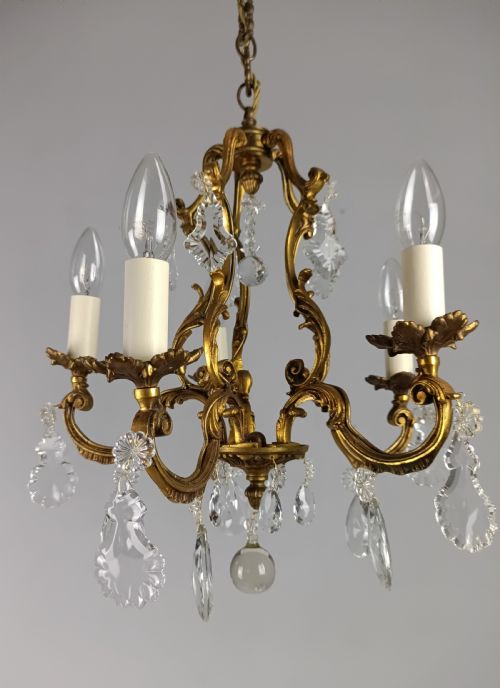
When you search for a gold metal crystal chandelier, you find a range of lighting fixtures spanning from the eighteenth century through to the early twentieth century. The selections available typically include French chateau and Italian Florentine designs, which showcase elaborate gilded frames alongside hanging glass elements.
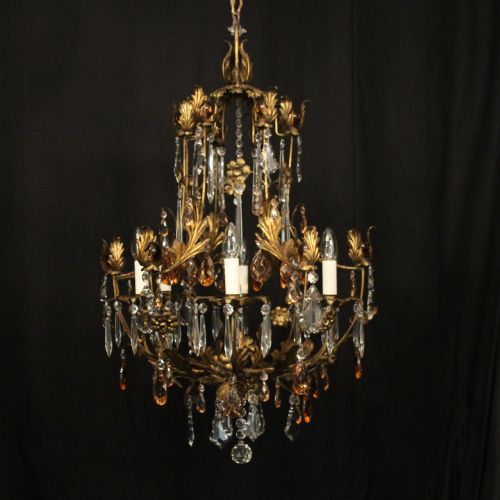
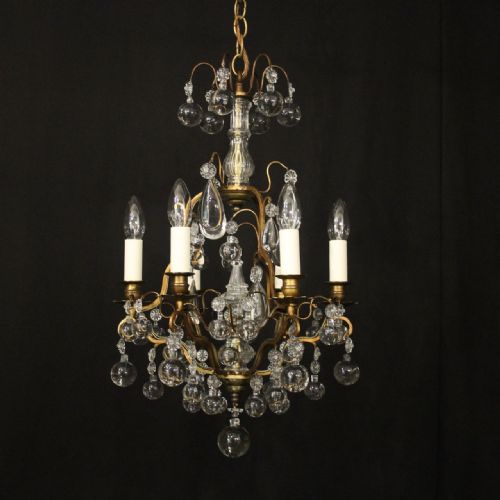
You will frequently encounter birdcage forms, tent and waterfall configurations, and multi-light structures dated across the nineteenth and twentieth centuries. These pieces originate mainly from French and Italian workshops, employing brass, bronze, spelter, and gilt metal as foundational armatures.
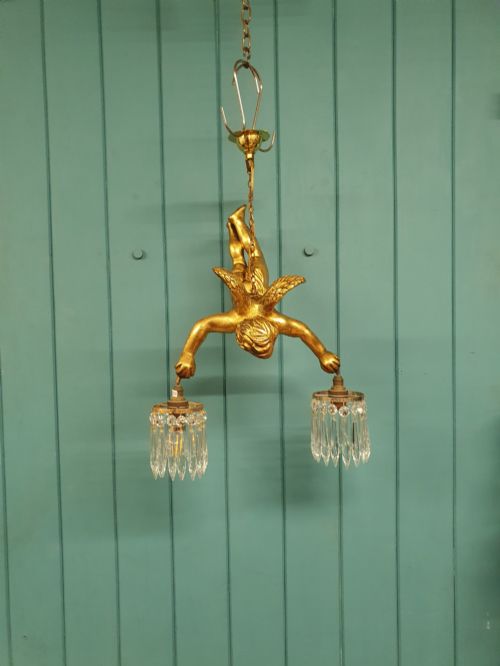
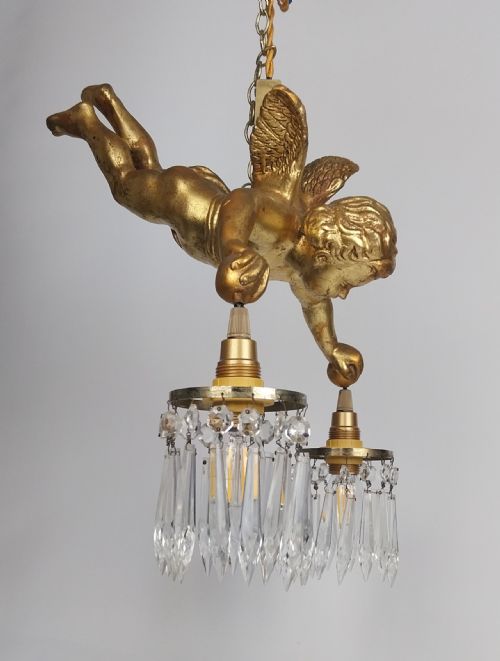
The aesthetic leans heavily towards ornate styles such as Rococo revival and Florentine Baroque, often incorporating decorative elements like cherubs, floral motifs, and porcelain flowers. Buyers select these fixtures to anchor formal rooms with historic character and reflective illumination.
Materials and construction methods
The underlying framework relies on cast and wrought metals, including brass, bronze, and gilt spelter, shaped into leafy scrolls, birdcage frames, and multi-armed structures. Artisans applied thin layers of gold leaf or gilding to the metal surfaces to achieve a rich, reflective finish that complements the surrounding decor.
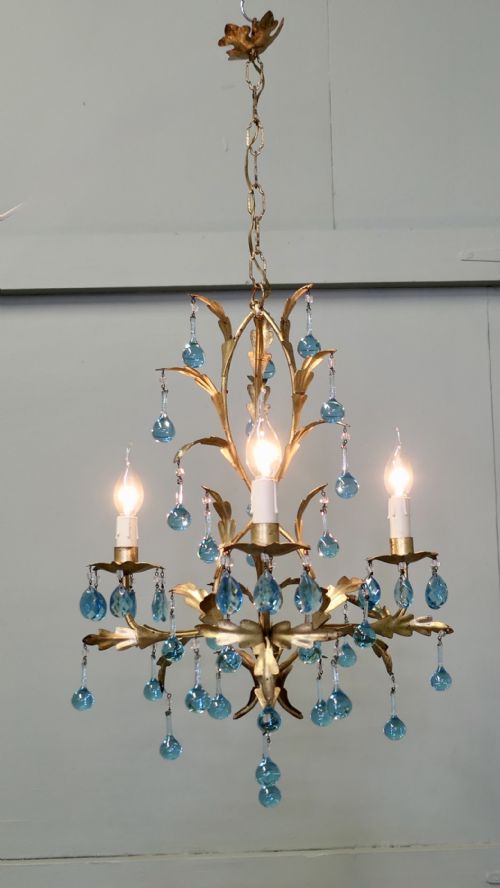
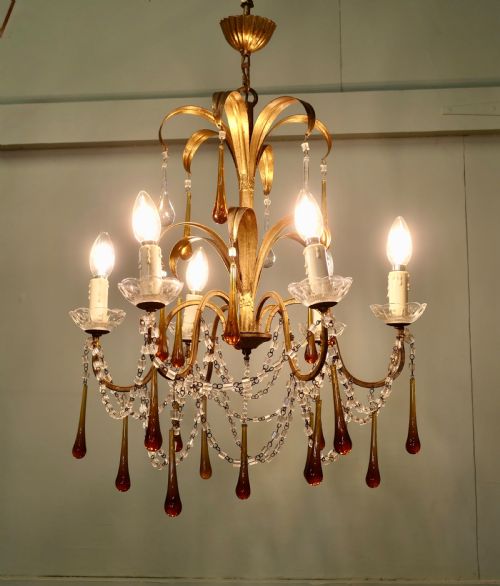
Cut glass and crystal drops, ranging from amber teardrops and coloured fruits to clear spikes and beads, are suspended from the metal frames using wire or pins. These hanging elements refract light from multiple bulb lights, creating the characteristic sparkle associated with these period fixtures.
Several early twentieth-century fixtures incorporate playful porcelain flowers and flying cherubs alongside glittering crystal spikes.
Distinctions in craftsmanship and design
The distinction between standard and exceptional pieces rests upon the intricacy of the metalwork and the clarity of the glass elements. Elaborate fixtures feature hand-carved or finely cast details such as winged cherubs, polychrome floral accents, and complex double-tiered frames that demand high levels of artisanal skill.
Greater quality appears in chandeliers with dense arrangements of cut crystal drops, custom-gilt brass arms, and integrated decorative touches like porcelain flowers or toleware components. Simpler iterations utilise basic stamped metal frames with minimal glass drops, offering a more restrained presence.
The Gold Metal Crystal Chandelier Glossary
- Birdcage chandelier
- A lighting fixture featuring a curved metal framework resembling a birdcage, heavily hung with crystal drops and beads. This form became particularly popular in French designs during the nineteenth and early twentieth centuries.
- Florentine style
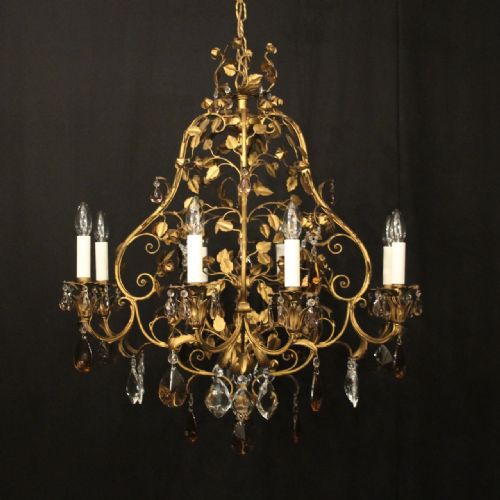
- An ornate design tradition originating in Italy, characterised by carved gilt leaf motifs, floral arrangements, and elaborate branching arms. These fixtures often employ polychrome details alongside gold-gilded metalwork.
- Tent and waterfall
- A chandelier configuration where upper crystal strands form a tent shape over lower cascading drops that resemble a waterfall. This arrangement maximises the reflective surface area of the glass.
- Toleware
- Painted or lacquered metalware used in lighting fixtures to introduce colourful decorative accents alongside gilt metal and crystal drops. It appears frequently in twentieth-century French designs.
Gold Metal Crystal Chandelier: Frequently Asked Questions
What is a birdcage chandelier?
A birdcage chandelier gets its name from the caged metal superstructure that houses the central stem and interior lights. Rows of crystal beads and drops hang from the curved ribs to form the characteristic silhouette.
This form originated in earlier centuries and remained popular through the Edwardian period. The design allows light to filter through a dense web of hanging prisms.
Are these chandeliers wired for modern use?
Most antique fixtures are adapted for contemporary electrical standards while retaining their historic metal frames and glass components. Professional rewiring ensures the internal sockets and wiring meet current safety regulations.
Buyers should consult a qualified electrician to check the weight-bearing capacity of their ceiling before installation. These heavy brass and bronze structures require sturdy support.
How do I identify Italian Florentine lighting?
Italian Florentine pieces are distinguished by carved gilt leafy frameworks, floral motifs, and sometimes polychrome painted finishes. The metal arms often twist and curve to mimic natural botanical forms rather than strict geometric symmetry.
These fixtures frequently date from the early twentieth century and showcase regional artisan techniques. The combination of gold-gilt surfaces and delicate flowers sets them apart from French designs.