




Gold Leaf Wall Panel
These gold leaf wall panel pieces bring gleaming surface and historic presence to an interior, drawing the eye instantly through their rich metallic finish.
Gold Leaf Wall Panel
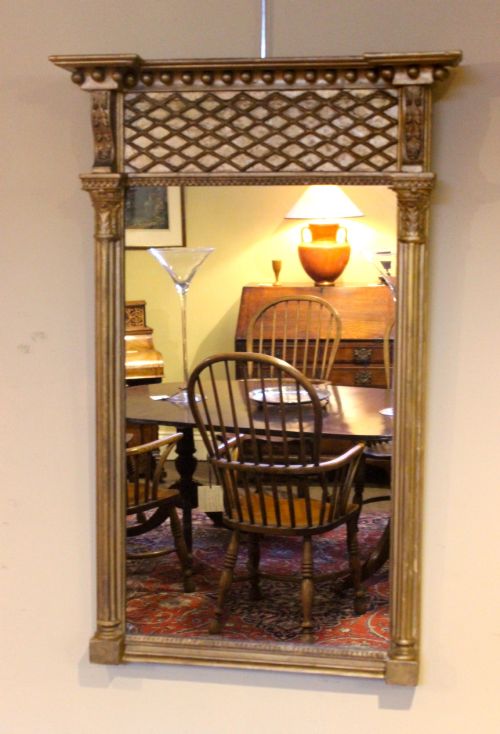
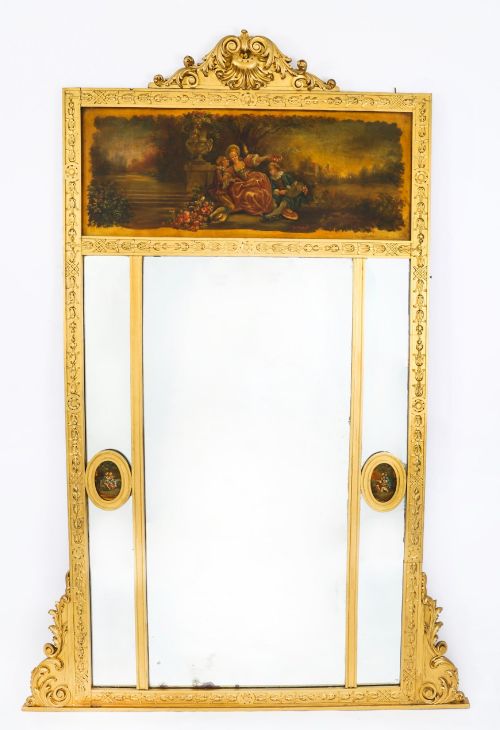
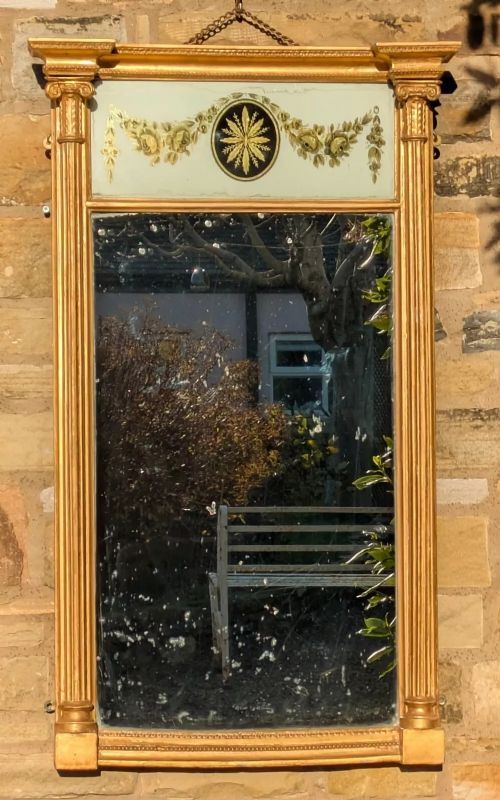
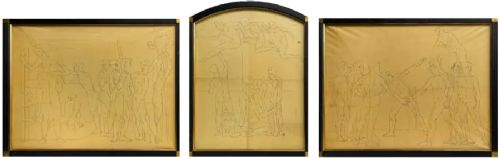
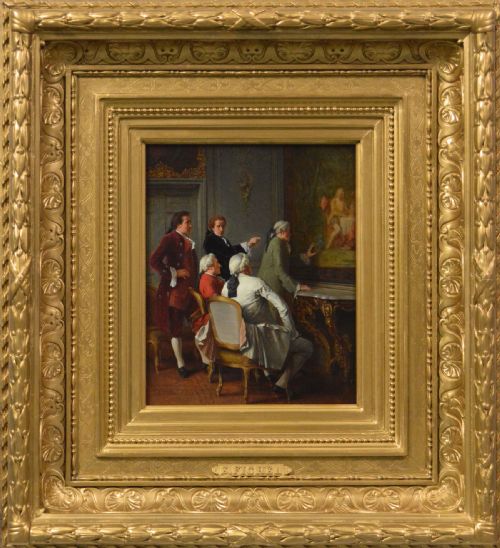
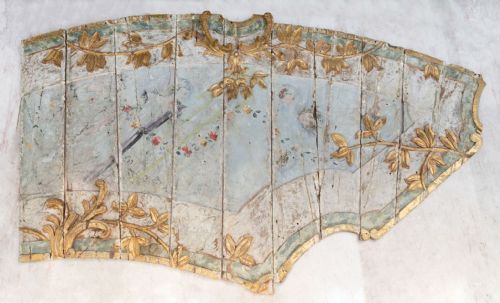
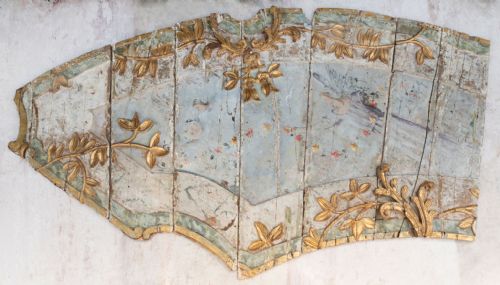
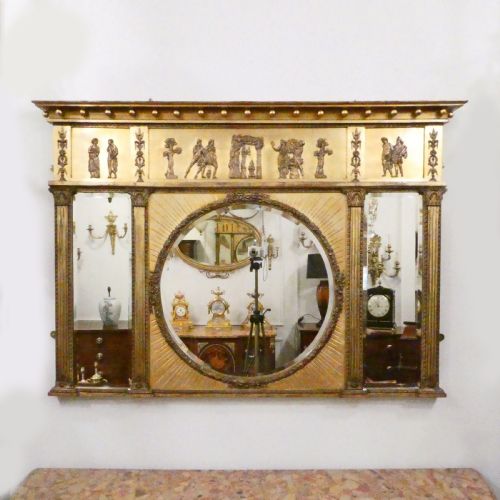
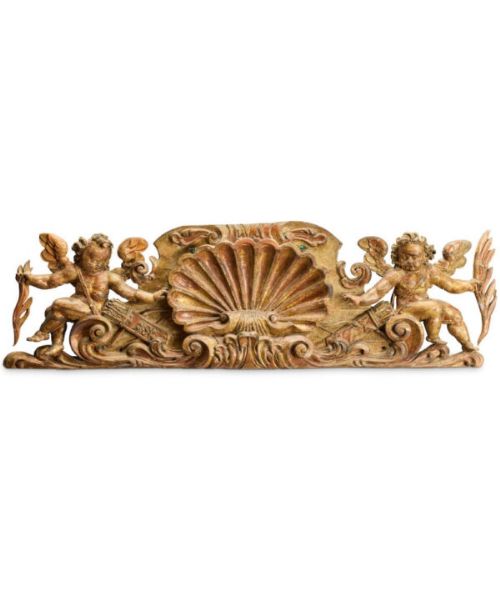
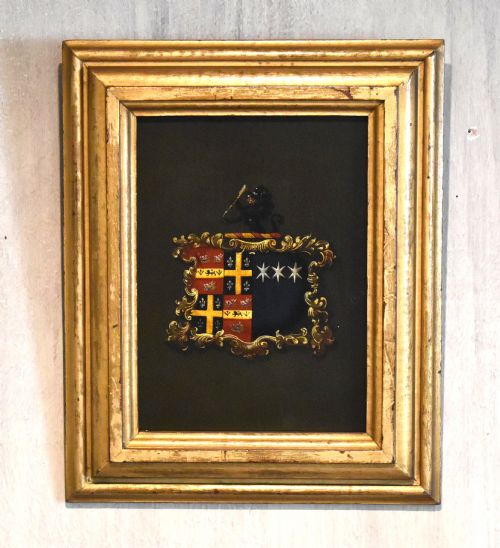
A gold leaf wall panel search brings together an eclectic mix of antique mirrors, carved wooden plaques, religious icons, and fine oil paintings. Buyers seeking this aesthetic will most frequently encounter nineteenth-century giltwood mirrors, Chinese carved temple panels, and architectural fragments.
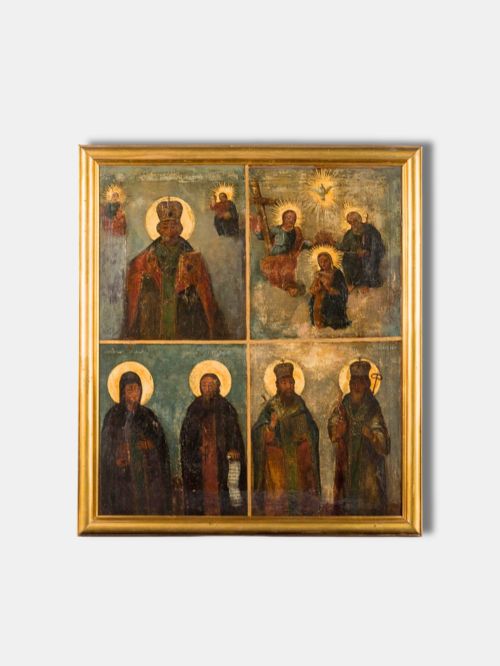
The inventory spans multiple centuries and cultural origins, ranging from Russian Orthodox icons and Italian panels to Georgian coaching panels and Regency pier glasses. These items function primarily as focal points for interior decoration, combining reflective glass, painted canvas, and carved timber.
How they were made
Makers utilised traditional craftsmanship, applying delicate gold leaf and gesso onto wooden substrates, carved frames, and canvas surfaces. Artisans also employed oil paints, tempera, and lacquer to create intricate details on architectural panels and religious icons.
Giltwood elements relied on skilled woodcarving, often utilising timber bases built up with plaster or gesso layers before the application of metal leaf. Mirror plates, oil on panel supports, and specialised techniques like verre eglomise further defined the construction of these decorative items.
Gold Leaf Wall Panel Retail Price Guide 2026
Typical asking prices for gold leaf wall panel among the pieces listed under this phrase on Sellingantiques today, from the lower quarter to the upper quarter. They describe what is for sale here now, not the wider market.
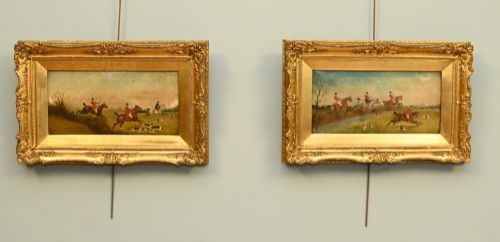
The selection includes architectural fragments, religious icons, Regency pier glasses, and Victorian sporting art.
What varies in quality
Quality depends on the precision of the hand-carved details and the depth of the gilding applied to the wood, gesso, or canvas. Finer examples display crisp articulation in architectural pediments, carvings, and painted surfaces that have aged with harmonious stability.
The integration of materials also dictates overall excellence, as seen in the clarity of verre eglomise panels, the preservation of original tempera or oil mediums, and the structural integrity of large overmantel frames and temple plaques.
James Stroudley·Icilio Federico Joni·Pieter Cornelis Dommersen·Joseph Emmanuel Weiser
The Gold Leaf Wall Panel Glossary
- Giltwood
- Timber that has been coated with gold leaf or gold paint. This technique was widely utilised on frames, mirrors, and architectural panels during various periods.
- Gesso
- A plaster mixture used as a smooth base for paint and gold leaf on wood panels. It provides a durable foundation for intricate carving details.
- Verre Eglomise
- A cold decoration technique where design is applied to the reverse of glass using gold or silver leaf. It appears frequently on Regency pier glass panels.
- Tempera
- A permanent, fast-drying painting medium consisting of coloured pigment mixed with a water-binder. It is commonly found on early religious icons and painted wood covers.
Gold Leaf Wall Panel: Frequently Asked Questions
What is a gold leaf wall panel?
These pieces encompass a diverse range of items including gilded mirrors, carved wooden temple plaques, and painted panels decorated with metallic leaf. They serve primarily as decorative wall art or functional overmantel mirrors.
Origins span from nineteenth-century European interiors to Chinese craftsmanship and traditional religious iconography, offering varied artistic expressions.
How were these panels used historically?
Many items functioned as architectural embellishments, such as overmantel mirrors placed above fireplaces or carved wooden panels integrated into room interiors. Religious icons served devotional purposes within sacred spaces.
Other formats, like painted wood book cover bindings and coaching panels, demonstrated specific decorative or narrative functions suited to domestic and institutional settings.
How do I live with antique gilt panels?
Position these pieces away from direct sunlight and excessive moisture to protect the delicate gold leaf, gesso, and painted surfaces. Secure heavy items like large overmantel mirrors firmly to wall studs.
Pair them with complementary lighting to accentuate the reflective qualities of the metallic finish and the texture of the carved wood.
How can I tell the periods apart?
Stylistic indicators help distinguish eras, such as Regency motifs on pier glasses, ornate carving in nineteenth-century Italian panels, and traditional aesthetics on Qing dynasty Chinese plaques. Construction methods and framing styles also provide clues.
Examining the materials, from tempera on early canvas to Victorian mirror plates, clarifies the chronological context of each piece.