



Gold Leaf Sculptures
Gold leaf sculptures bring centuries of metallic brilliance and carved form into interior spaces, offering rich historic texture.
Gold Leaf Sculptures
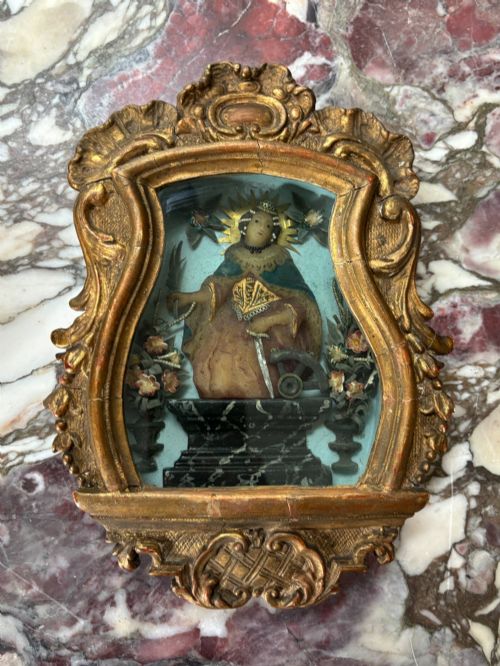
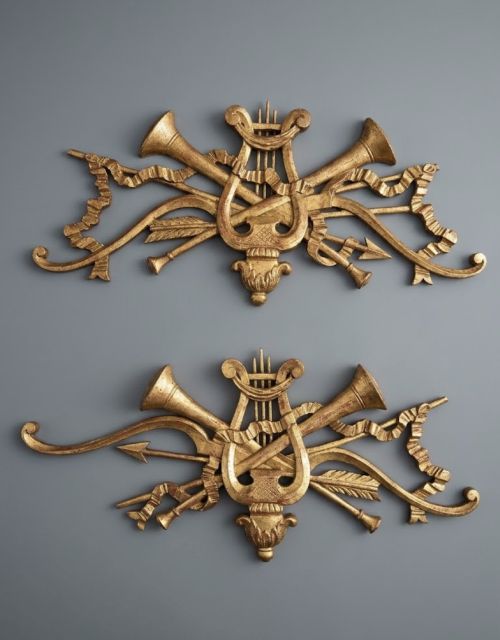
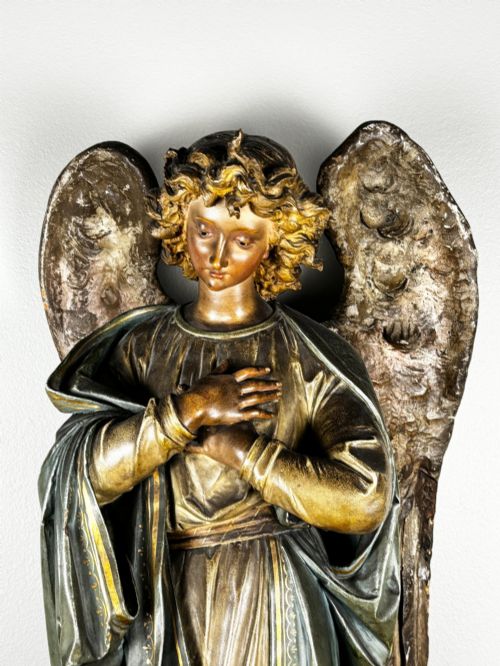
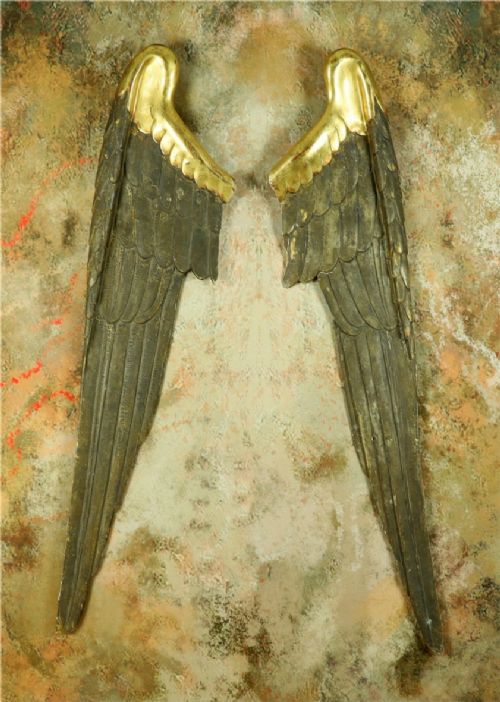
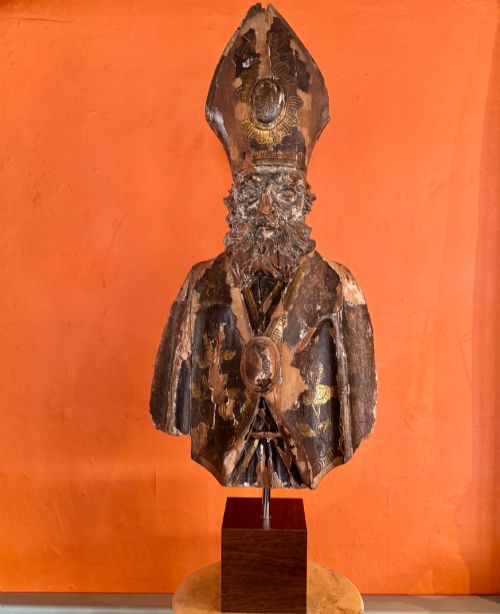
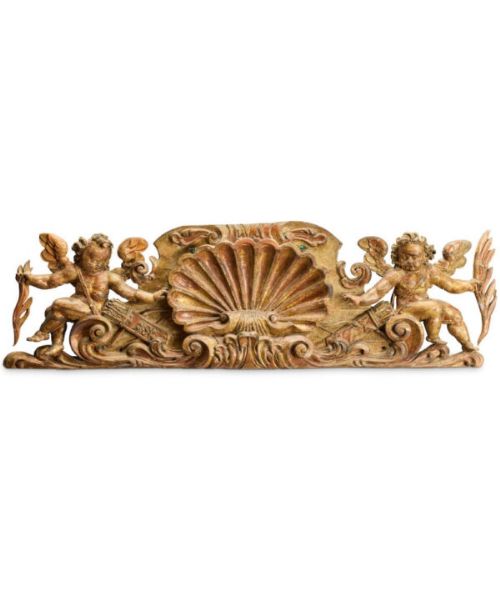
Gold leaf sculptures encompass carved wooden figures, ecclesiastical busts, and architectural fragments finished with metallic leaf or gilding. When exploring gold leaf sculptures, buyers encounter diverse forms ranging from religious figures to decorative animals and architectural elements.
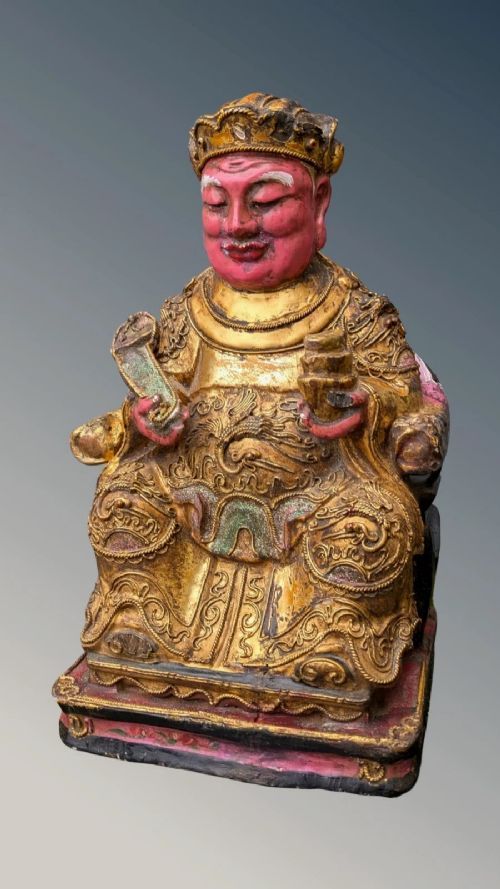
The selection spans multiple periods, including the sixteenth, seventeenth, eighteenth, and nineteenth centuries, alongside specific cultural traditions like Qing Dynasty and Meiji Period works. These pieces frequently manifest as carved angels, saints, cherubs, and oriental deities originating from European, Asian, and British workshops.
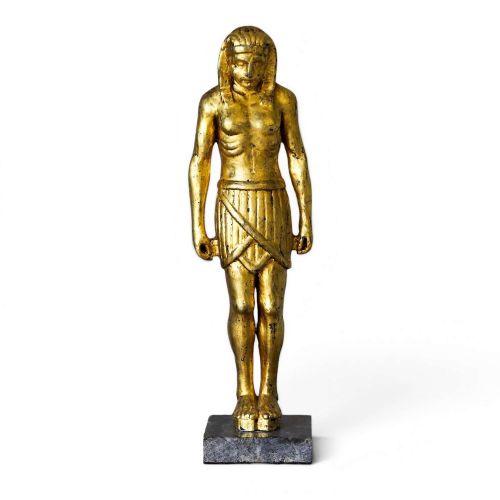
Common regional styles represented include Italian and English Baroque, French eighteenth century, and Egyptian Revival pieces mounted on granite bases. Such objects serve primarily as decorative focal points, wall sculptures, and table-top figures.
Materials and construction methods
Techniques involved intricate carving of timber substrates, followed by the application of gesso layers to prepare smooth surfaces for gilding. Craftsmen then applied thin sheets of gold leaf by hand, often achieving parcel-gilt effects that revealed portions of the underlying polychrome or wood.
Gold Leaf Sculptures Retail Price Guide 2026
Typical asking prices for gold leaf sculptures among the pieces listed under this phrase on Sellingantiques today, from the lower quarter to the upper quarter. They describe what is for sale here now, not the wider market.
Listings feature wooden, stone, and porcelain substrates decorated with gold leaf, gesso, and polychrome paint across multiple centuries.
Quality variations across the range
The calibre of carving on wooden substrates dictates much of the visual impact, distinguishing fluid drapery and expressive faces from rigid or flat execution. Superior pieces exhibit confident tool marks and nuanced proportions characteristic of skilled period workshops.
The preservation of the original gold leaf and underlying gesso layer determines the integrity of the surface. Surviving polychrome paint adds complexity and depth, whereas heavy over-painting or loss of metallic leaf alters the visual balance of the sculpture.
The Gold Leaf Sculptures Glossary
- Giltwood
- Wood that has been treated with gesso and covered in thin layers of gold leaf or metal powder. This finish provides a luminous, reflective surface popular in European decorative arts.
- Gesso
- A plaster mixture used as a base coat on wood before applying gilding or paint. It creates a smooth, absorbent surface that holds fine detail.
- Polychrome
- The practice of decorating architectural elements, sculptures, or pottery in a variety of colours. It frequently accompanies gilding on historical religious figures.
- Parcel-gilt
- An object or surface gilded only in parts, leaving other areas of the material, such as natural wood or paint, exposed. This creates deliberate contrast within the design.
- Okimono
- A Japanese decorative statue or ornament designed for display in a household interior. These items often showcase traditional craftsmanship in various materials.
Gold Leaf Sculptures: Frequently Asked Questions
What periods do these sculptures originate from?
The available pieces span several centuries, with examples originating from the sixteenth, seventeenth, eighteenth, and nineteenth centuries. Regional styles range from European Baroque to Asian traditions.
Specific dated items reflect distinct periods such as the Qing Dynasty, Meiji Period, and Egyptian Revival movements.
How were these wooden sculptures finished?
Artisans carved wooden substrates and applied layers of gesso to prepare a smooth foundation for decoration. Fine sheets of gold leaf were then attached to the surface.
Many figures also incorporate polychrome paint to delineate facial expressions, hair, and garments alongside the metallic finish.
Where were these figures displayed historically?
Many ecclesiastical items, such as angels and busts of saints or bishops, originated from church settings and altars. Architectural pediments and wall sculptures adorned period interiors.
Other domestic forms, including figurines, shrines, and decorative figures, served as room ornaments or architectural elements in private residences.
How do I care for a gilded wooden sculpture?
Gilded and polychrome surfaces require stable indoor environmental conditions free from excessive moisture and direct sunlight. Dusting should be performed gently with a soft, dry brush.
Avoid applying liquid cleaners, polishes, or abrasive cloths directly onto the gold leaf or painted areas.