

Gold Landscape Art
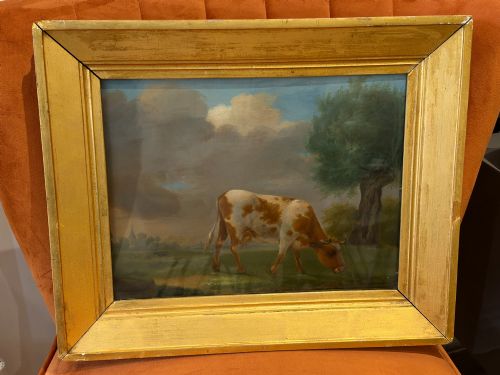
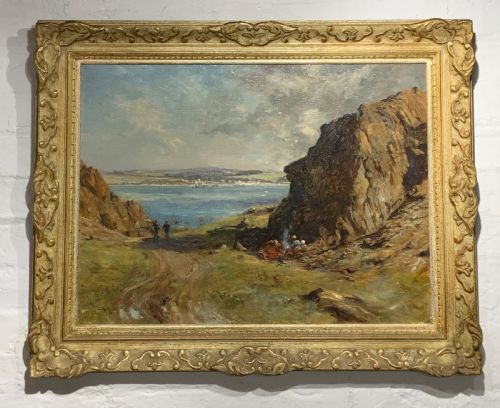
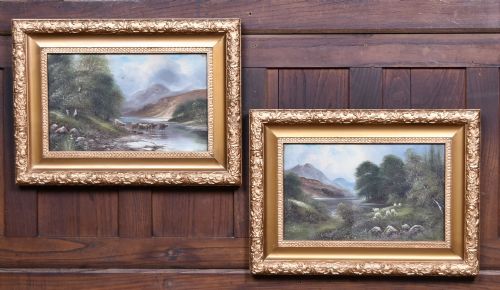
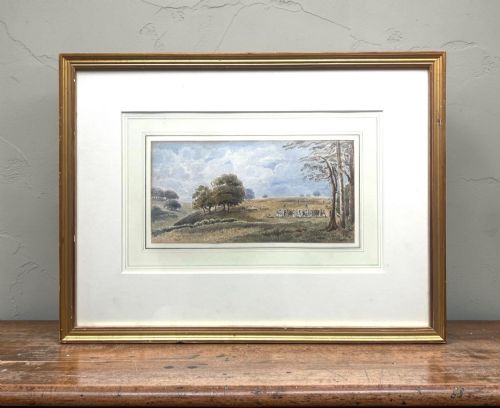
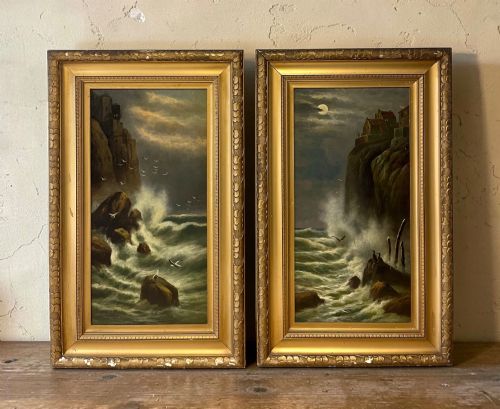
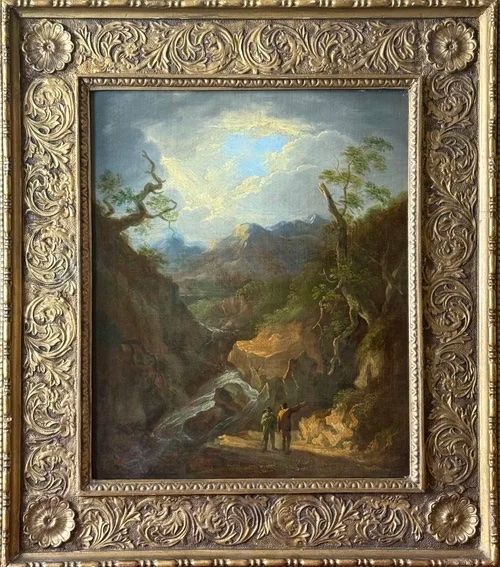
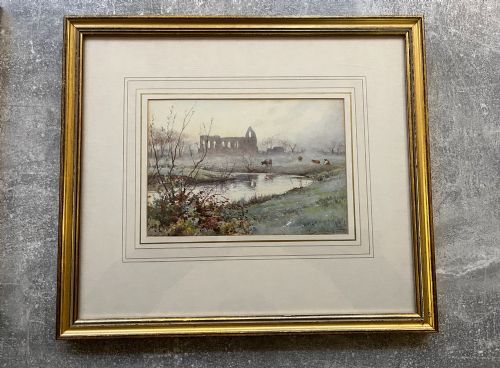
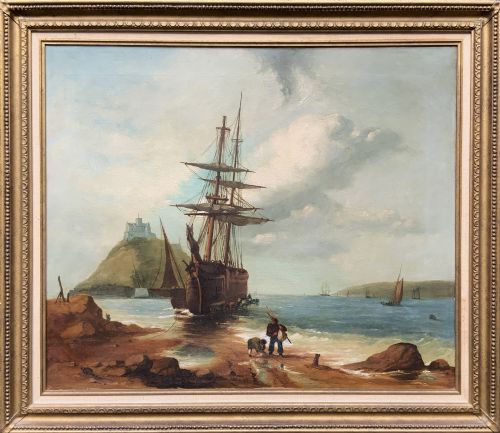
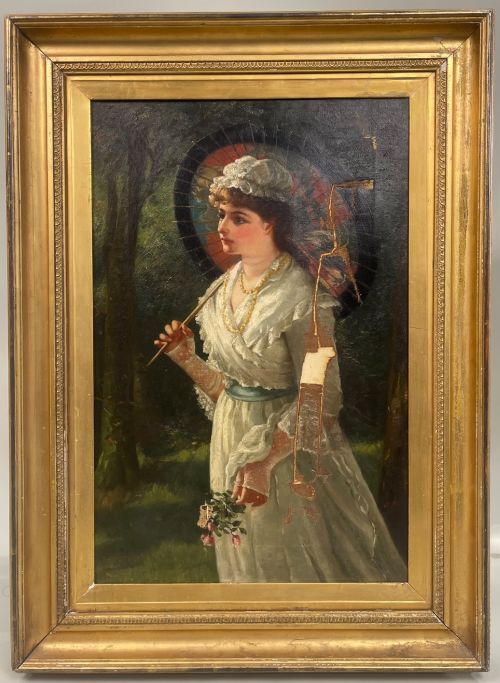
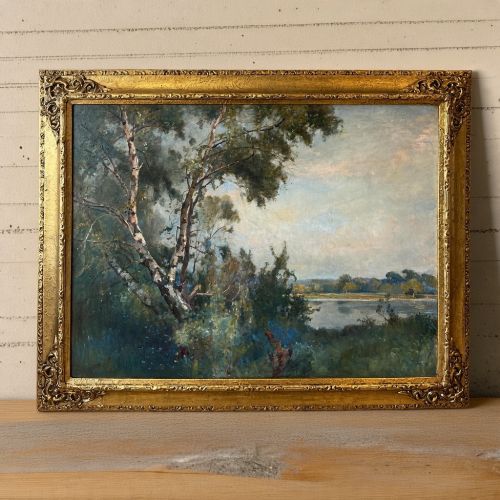
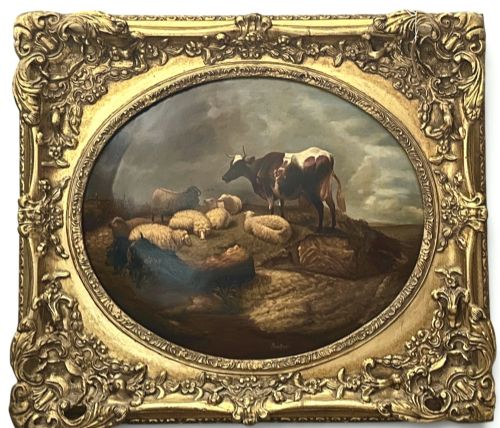
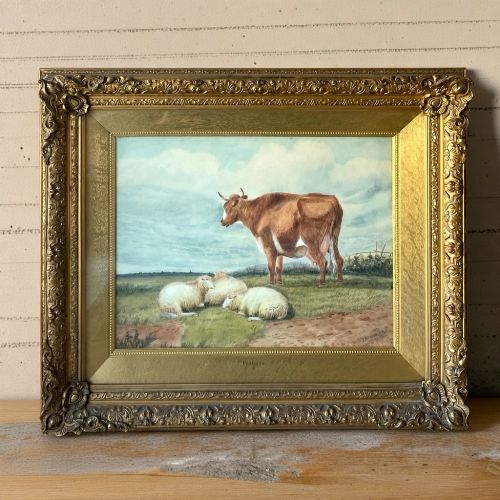
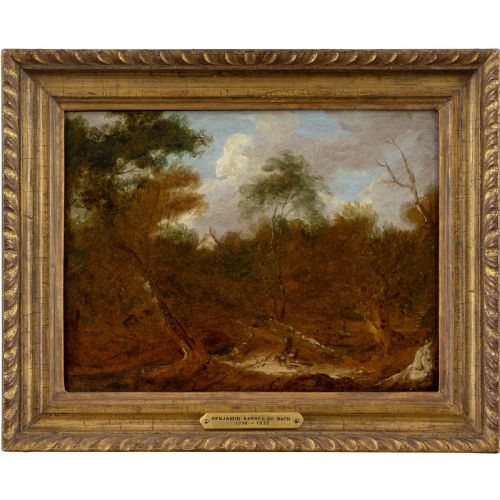
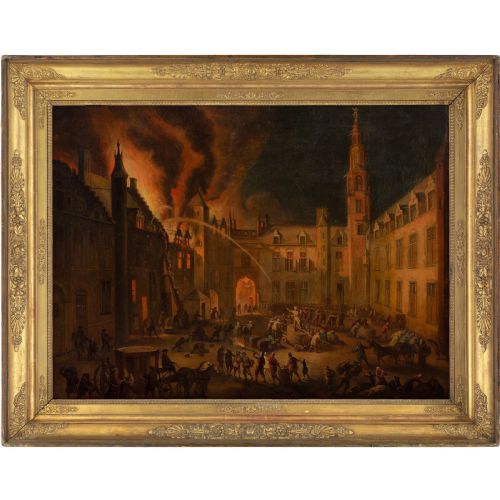
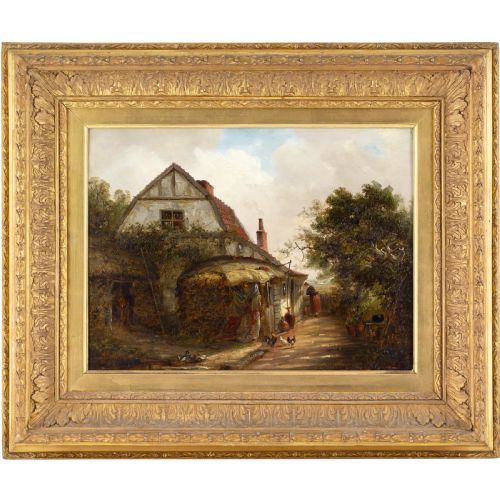
Gold landscape art comprises historic paintings and plaques rendered in oil, watercolour, and gouache, often framed in giltwood to capture natural light.
Gold Landscape Art
Gold landscape art encompasses oil paintings, watercolours, gouache, and porcelain plaques depicting rural scenes, alpine views, and historic vistas. When browsing gold landscape art, buyers encounter works spanning from the seventeenth century through the Victorian and Edwardian eras into the mid-twentieth century.
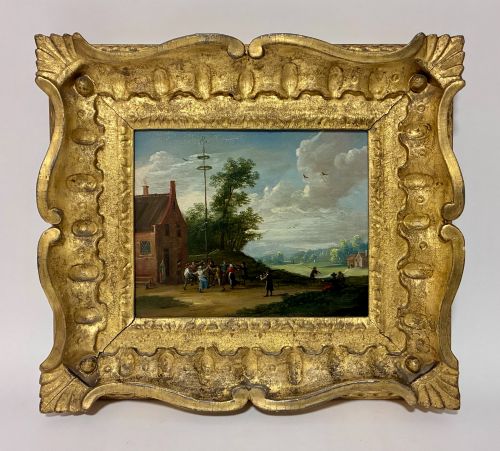
The subjects range from Dutch winter scenes with ice skaters to British farmyards, coastal inlets, and Italian architectural capriccios. Many pieces retain their period frames, incorporating ornate gesso and gilt wood to complement the painted imagery.
How They Were Made
Makers applied oil paint, watercolour, pastel, or gouache onto prepared canvas, paper, wood panels, or porcelain plaques. Canvases are supported by wooden stretchers, while works on paper or panel often employ framing beneath glass.
Frames are constructed from wood and finished with layers of gesso before applying gold leaf or metallic paint to create the distinctive gilt surface that enhances the composition.
Gold Landscape Art Retail Price Guide 2026
Typical asking prices for gold landscape art among the pieces listed under this phrase on Sellingantiques today, from the lower quarter to the upper quarter. They describe what is for sale here now, not the wider market.
Ice skaters frequently glide across frozen Dutch winters, adding quiet movement to centuries of still landscapes.
What Varies in Quality
The standard of execution in brushwork, perspective, and atmospheric depth distinguishes individual compositions. Masterful handling of light and shadow, particularly in depicting skies and reflective water, elevates a piece above simpler, more formulaic workshop output.
The integrity and preservation of the original support, pigment, and frame determine the overall standing of an artwork. Intact period giltwood frames that harmonise with the painting contribute significantly to the integrity of the object.
Robert Duddingstone Herdman·William Barnard·John Syer RI·Adolf Johann Höffler·Robert Gallon·Pieter Cornelis Steenhouwer·William Shayer·Alonso Perez·William Langley·JACOB PHILIPP HACKERT·Sushila Singh·Samuel Joseph Clark·Edward Holmes RBA·Walter Robin Jennings·William Mellor·Willem J Palman·Hugh Barry-Scott·William Manners·Karel Dujardin·Barent Gael
The Gold Landscape Art Glossary
- Giltwood
- Wood carved and coated with gold leaf or metallic powder. This material provides a reflective border designed to catch interior illumination and frame the artwork.
- Gesso
- A plaster mixture applied to wood frames before gilding. It creates a smooth, receptive surface for gold leaf application and detailed moulding.
- Capriccio
- An architectural fantasy combining buildings, ruins, and other architectural elements in a fictional landscape. Painters utilise this genre to display compositional invention.
- Mezzotint
- A printmaking process of the intaglio family done on copper. It allows smooth gradations of tone and dark moods to be achieved in printed reproductions.
Gold Landscape Art: Frequently Asked Questions
What periods do these pieces cover?
The collection spans multiple centuries, featuring works from the seventeenth century through the Victorian and Edwardian periods up to the mid-twentieth century.
Artistic styles shift from Dutch Golden Age traditions and classical Italian landscapes to nineteenth-century British realism and Edwardian rural scenes.
How should I hang these framed works?
Ensure your wall can support the weight of traditional wood and gesso frames, particularly larger oil paintings on canvas.
Position pieces away from direct sunlight and excessive moisture to protect both the painted surface and the delicate giltwood framing.
Are these paintings signed by artists?
Many works bear artist signatures, monograms, or inscriptions either on the front canvas or recorded on the reverse.
Some pieces represent notable listed portrait and landscape artists, while others reflect the skilled output of the broader British and continental schools.
What materials support the painted scenes?
Artists utilised oil paint on canvas, wood panels, and board, alongside watercolours, pastel, and gouache on paper.
Several examples feature hand-painted ceramic porcelain plaques depicting classical or literary subjects.