
Gold Gilt Portrait
A gold gilt portrait pairs painted likenesses with ornate metallic frames, capturing historical presence through enduring artistic skill.
Gold Gilt Portrait
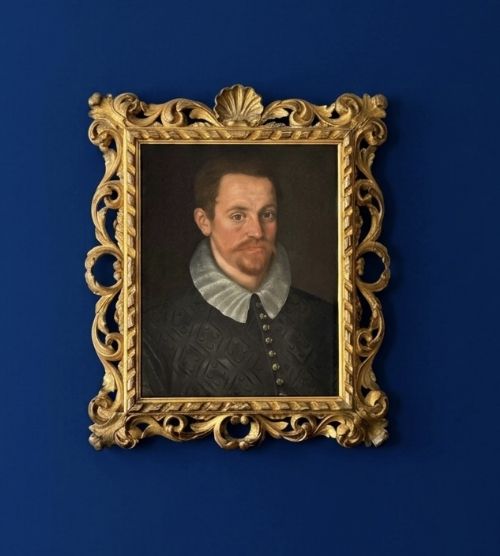
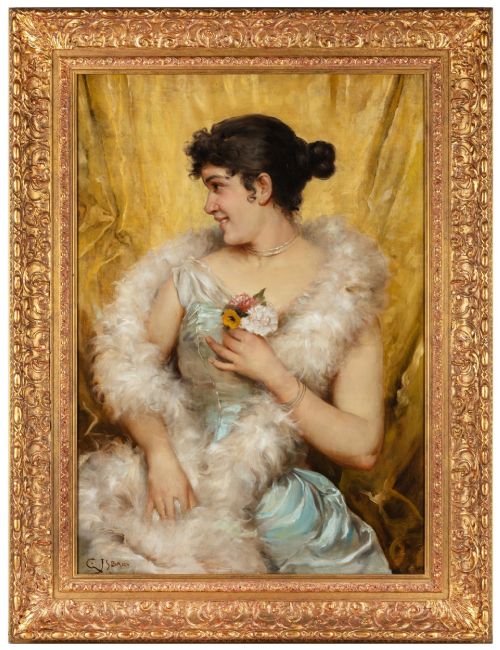
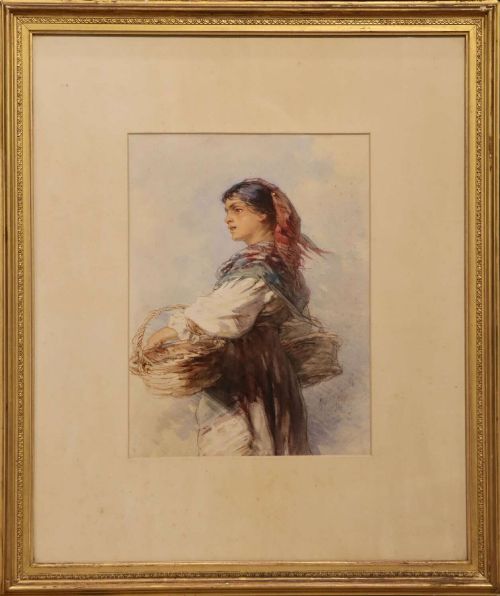
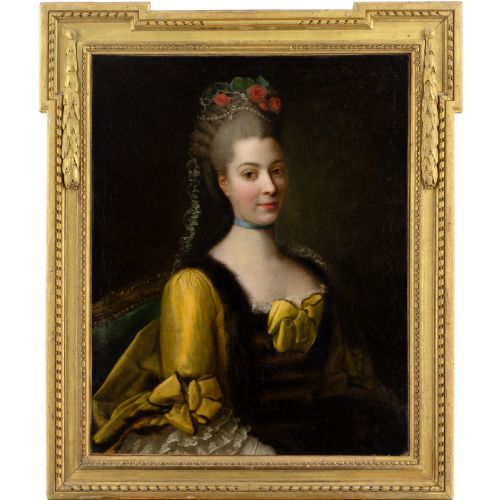
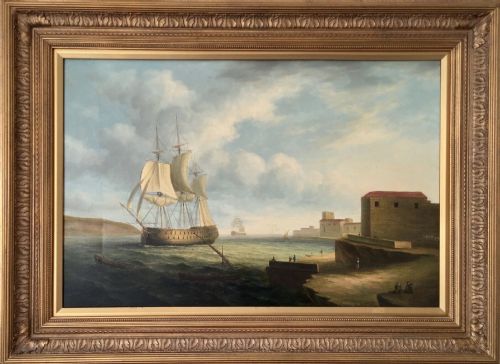
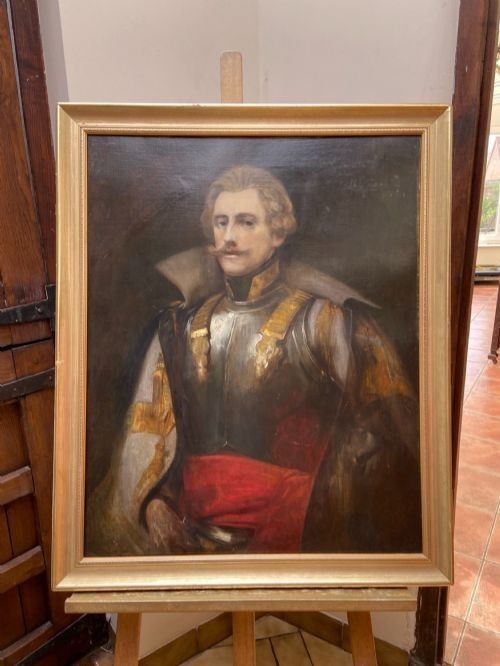
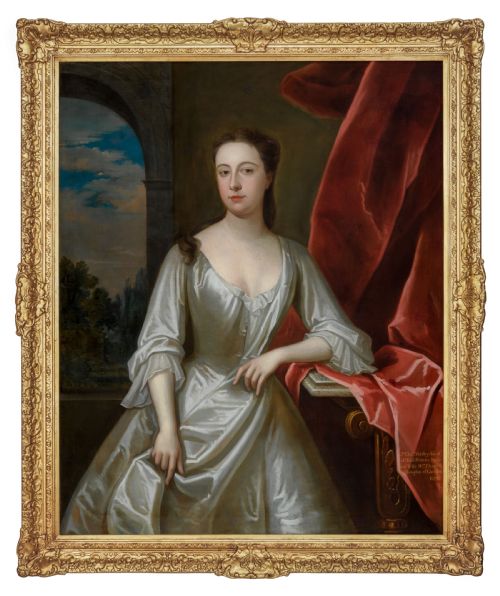
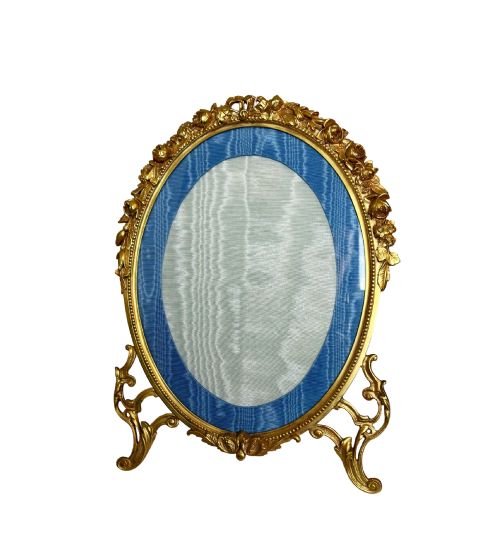
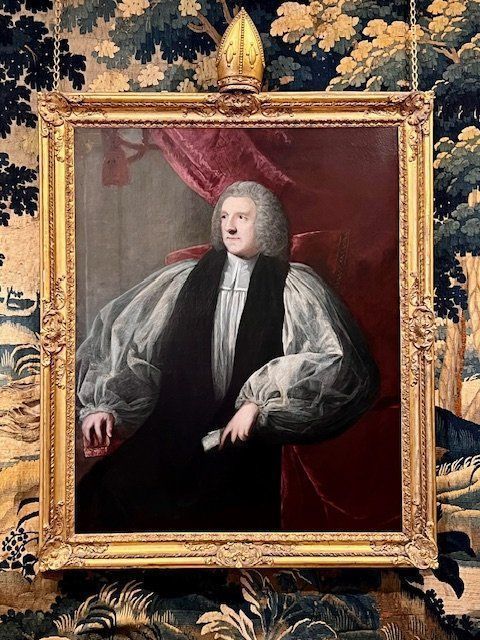
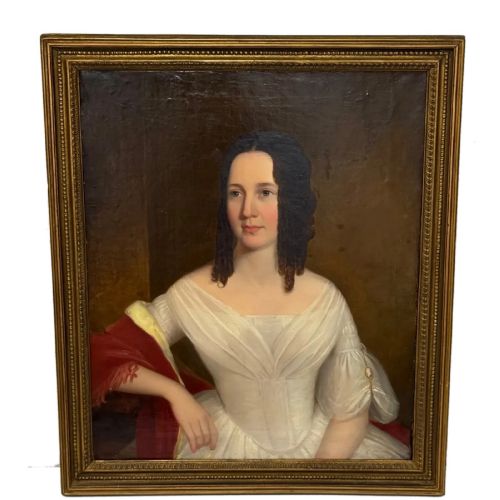
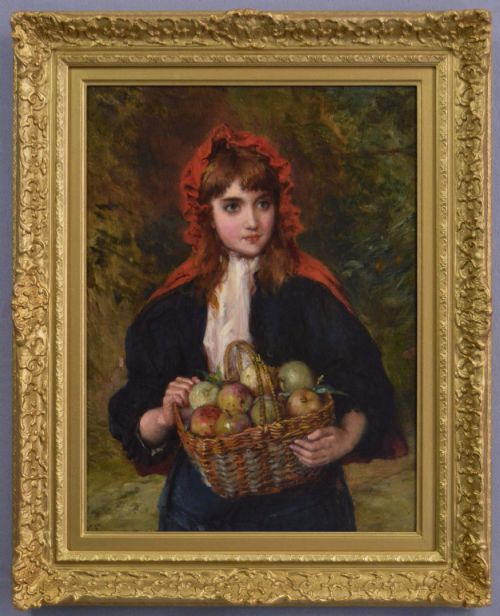
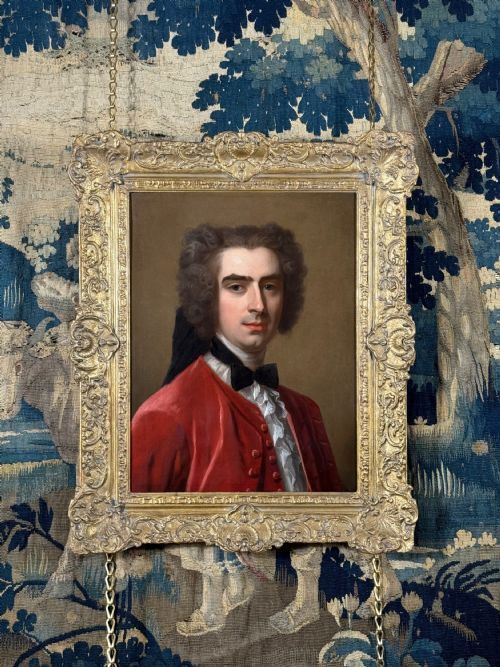
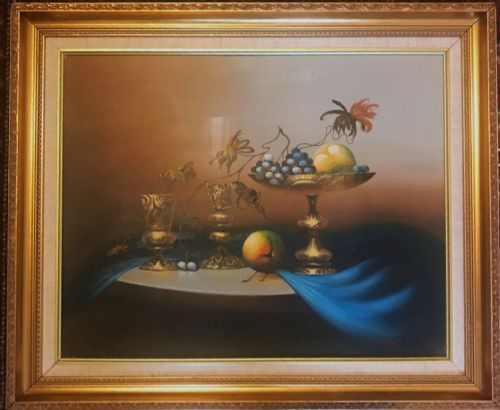
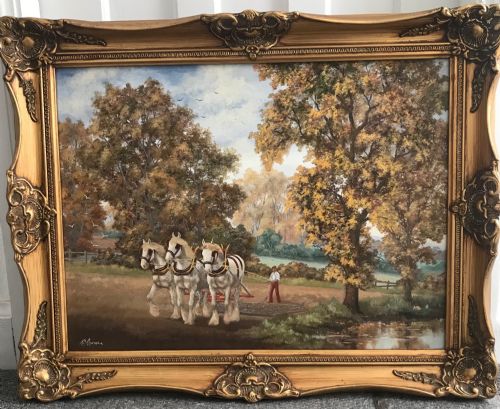
When a buyer searches for a gold gilt portrait, they encounter painted likenesses and framed works spanning from the seventeenth century through the twentieth century. These objects include oil paintings on canvas and panel, pastels, and watercolors, alongside standalone picture frames rendered in giltwood and gilt bronze.
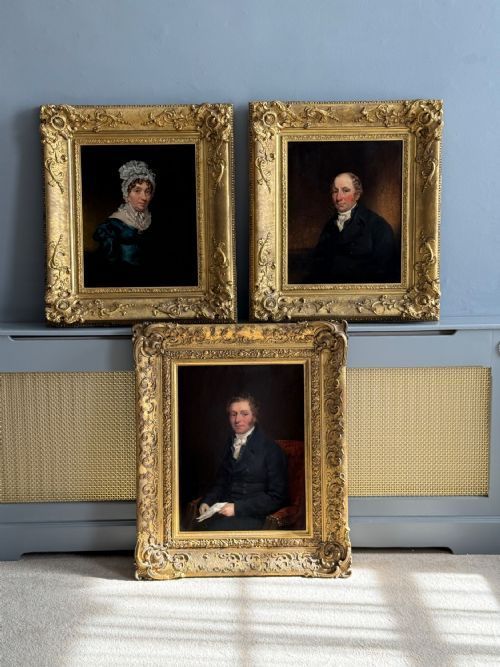
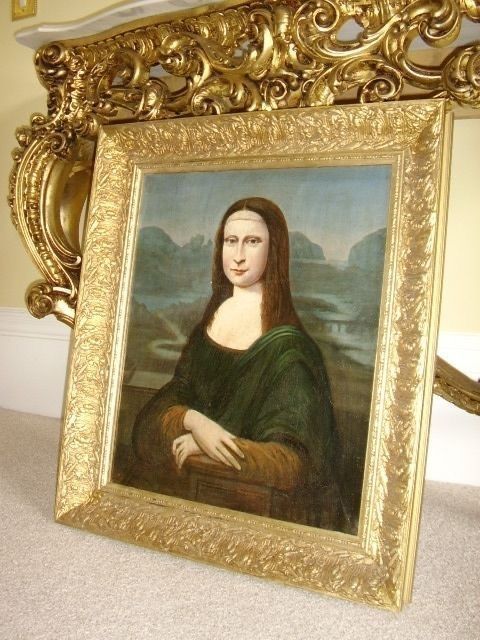
The selections on this page range from grand depictions of nobility and clergymen by notable historical circles to intimate portrayals of country figures and animals. Alongside original fine art, the selection encompasses later copies and commemorative prints housed in matching gilded surrounds.
Portraits from the Georgian and Victorian eras dominate the selection, often presenting subjects in formal attire accompanied by symbolic props like books or textiles. These pieces reflect the artistic conventions of their respective periods, moving from British Baroque and French Rococo aesthetics toward later nineteenth-century realism.
Materials and Technique
Makers built these works using oil paint applied to woven canvas, wooden panels, or paper supports, frequently building depth through layered glazes and pigments. Portraitists of earlier centuries mixed their own colours, relying on organic and mineral compounds that retain their visual weight over generations.
The accompanying frames and decorative mounts utilise carved wood or cast bronze finished with layers of metallic leaf or paint. Artisans applied thin sheets of gold leaf over preparation layers, burnishing the metal to achieve the bright reflective surfaces characteristic of gilded woodwork.
Listings feature works spanning the 17th, 18th, and 19th centuries, utilising oil paint, pastel, and giltwood.
Judging Quality
The strength of a gold gilt portrait rests upon the precision of the brushwork in the subject's face and hands, where master painters captured bone structure and personality with economy. Lesser examples often display rigid proportions and flat drapery, lacking the psychological weight achieved by accomplished hands.
The harmony between the artwork and its mounting plays a defining role, as period frames original to the canvas command greater interest than later replacements. The integrity of the gilded surface, showing natural wear without heavy modern intervention, indicates how well an object has survived.
Sir Joshua Reynolds·Sir Peter Lely·Sir Anthony van Dyck·Sir Godfrey Kneller
The Gold Gilt Portrait Glossary
- Giltwood
- Wood that has been decorated with gold leaf or gold paint. This technique was widely utilised on picture frames and decorative objects during the seventeenth and eighteenth centuries.
- Oil on Canvas
- Pigments bound in a drying oil medium applied to a stretched fabric support. This combination became the primary medium for fine art portraits from the Renaissance onward.
- Oval Picture Frame
- A curved, rounded enclosure designed to hold circular or elliptical artworks. These frames often feature ornate gilded moulding popular during the Victorian period.
- Pastel
- A dry drawing medium composed of powdered pigment and a binder, worked onto paper. Portraits executed in this technique require glass protection to prevent the pigment from disturbing.
- Periwig
- A voluminous men's hairpiece popular in the late seventeenth and early eighteenth centuries. Its presence in a portrait helps date the depiction to the Baroque era.
Gold Gilt Portrait: Frequently Asked Questions
How do I date an old portrait?
Dating relies heavily on the subject's costume, hairstyle, and the construction methods of both the canvas and the frame. Clues such as a periwig or specific military dress often point to a precise decade.
Paint analysis and historical inscriptions written on the reverse or stretcher bars provide further confirmation of the period in which the piece was created.
What is a Grand Tour bronze?
Grand Tour bronzes are small-scale metallic sculptures purchased by affluent travellers touring cultural centres in Europe during the eighteenth and nineteenth centuries. These pieces typically depict classical figures or busts like Antinous.
They served as tangible proof of education and classical taste, displayed prominently within nineteenth-century home interiors.
Are period frames original to the paintings?
Many historical portraits have been reframed over the centuries due to damage or changing domestic tastes. Finding a canvas retained within its original swept giltwood frame is a notable occurrence.
Matching the age of the woodwork to the date of the canvas requires examining rabbet wear, corner construction, and the type of gesso preparation utilised underneath the gold leaf.
How should I care for an oil portrait?
Oil paintings require stable indoor humidity and temperature levels away from direct sunlight to prevent the canvas from sagging and the paint layers from cracking. Dusting should be done gently with a soft, dry brush.
Harsh chemical cleaners must be avoided entirely on both the painted surface and the delicate gilded areas of the frame to preserve the original finish.