



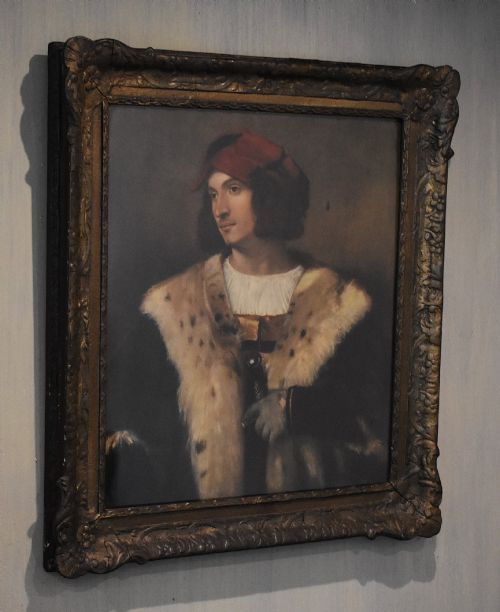


Gold Gilt Lithograph
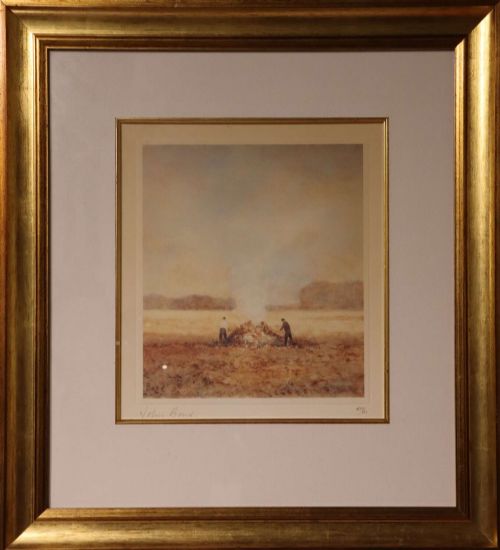
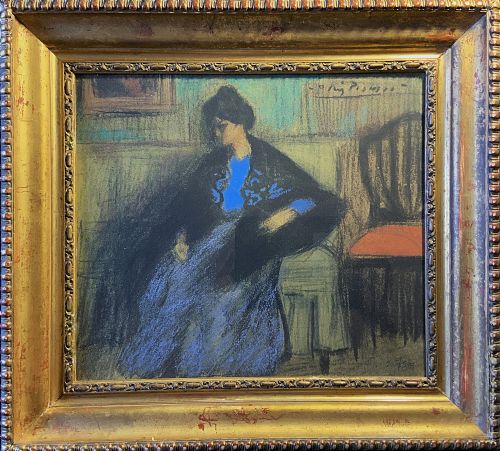
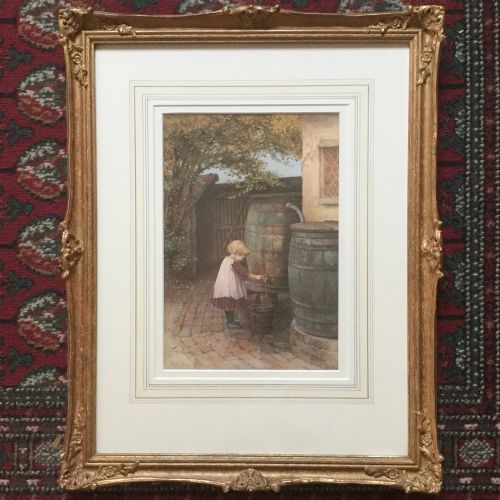
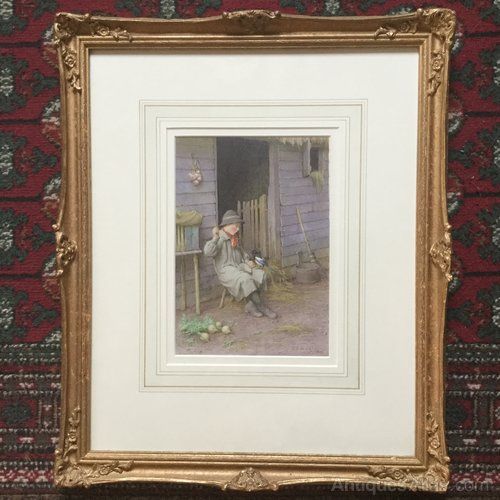
These gold gilt lithograph pieces bring period wall art into focus, combining printed imagery with the warmth of gilded frames.
Gold Gilt Lithograph
A gold gilt lithograph brings together printed imagery and ornamental framing, encompassing everything from 19th-century natural history plates to advertising prints and modernist works. When searching for gold gilt lithograph, collectors encounter framed prints and wall art spanning the Regency period, the Victorian era, and the mid-twentieth century.
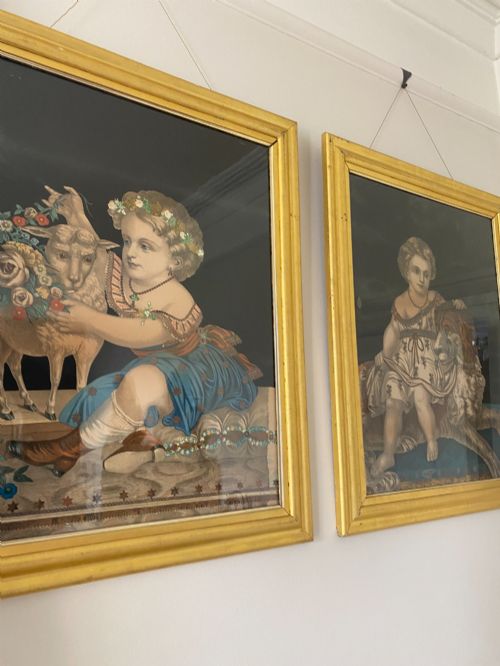
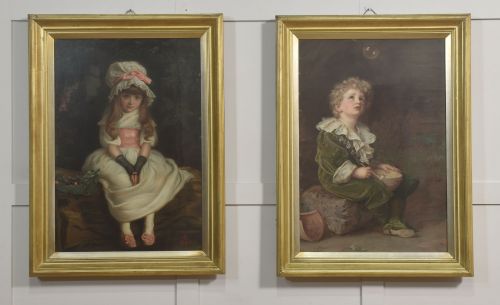
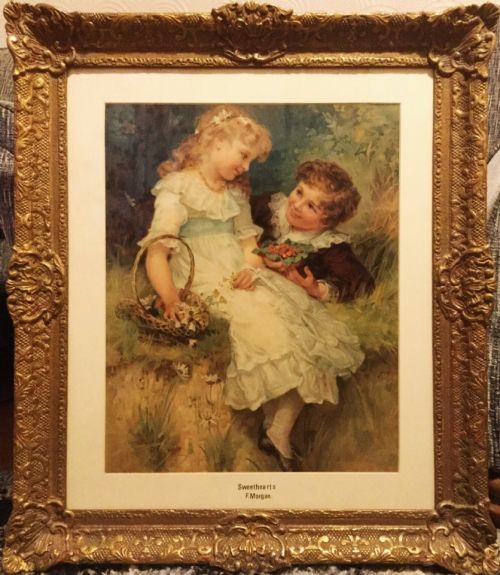
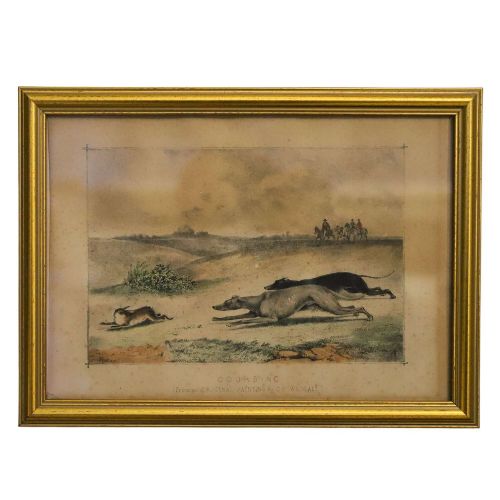
The selections on this page range from Victorian genre art and sporting scenes to Edwardian advertising items and Art Deco prints. Many pieces arrive housed in frames finished with gold leaf, gilt wood, and gesso, highlighting the interplay between the printed surface and the gilded surround.
How they were made
These works rely on lithographic printing techniques on paper, often combined with hand-colouring to bring vibrancy to subjects such as birds, portraits, and architectural tile designs. The accompanying frames utilise wood, glass, and gesso as a base for layers of gold leaf or gilt finishes.
Framing techniques involve applying gold leaf or liquid gilt to wooden mouldings, sometimes modelled with gesso ornament to achieve the decorative sheen seen on Regency and Victorian pieces.
Gold Gilt Lithograph Retail Price Guide 2026
Typical asking prices for gold gilt lithograph among the pieces listed under this phrase on Sellingantiques today, from the lower quarter to the upper quarter. They describe what is for sale here now, not the wider market.
Even Napoleon makes a grand appearance among the birds and butterflies, captured in a massive set of nineteenth-century prints.
What varies in quality
The distinction between standard and superior pieces rests on the crispness of the lithographic impression and the integrity of the hand-colouring where applied. Sharpness of detail in subjects like ornithological plates or portraits separates finer impressions from common prints.
Quality also depends on the preservation of the original framing, where period gilt wood and intact gesso mouldings hold more decorative presence than later replacements. The harmony between the paper artwork and its gilt surround determines the overall visual weight.
Frederick Morgans·John Bond·C. H. Weigall·Pablo Picasso·Titian·Charles Edward Wilson·Charles Burton Barber·Jean Hardy·David Roberts·Edward Lear·Frank Dadd
The Gold Gilt Lithograph Glossary
- Lithograph
- A print produced by a printing process based on the antipathy of oil and water, commonly utilised for illustrative plates and art reproductions.
- Giltwood
- Wood that has been coated with gold leaf, gold dust, or a thin metallic gilt layer to simulate solid gold decoration.
- Gesso
- A plaster-like mixture applied to wood frames to create a smooth surface for gilding and ornamentation.
- Regency
- A British architectural and decorative style period dating from the early nineteenth century, characterised by classical restraint and refined proportions.
- Pre Raphaelite
- An artistic movement of the mid-nineteenth century focused on detailed observation, romantic themes, and vivid colour.
Gold Gilt Lithograph: Frequently Asked Questions
How do I date a gold gilt lithograph?
Dating relies on stylistic markers within the printed image, the typography where text is present, and the construction methods of the accompanying frame. Examining the paper type and printing technique also provides clues to the era of production.
Items from the nineteenth century often display distinct hand-colouring or Victorian subject matter, whereas twentieth-century examples reflect later artistic movements and modern printing standards.
Are these prints original lithographs?
Many examples are period lithographs produced during the nineteenth and twentieth centuries, often serving as book illustrations, advertising pieces, or independent wall art.
Distinguishing between original lithographs and later reproductions involves inspecting the ink surface under magnification to check for the characteristic dot patterns of modern printing versus stone or plate impressions.
How should I care for gilt frames?
Gilt wood and gesso frames require gentle dusting with a soft, dry brush to prevent the accumulation of dirt on delicate metallic surfaces. Moisture and chemical cleaners should be avoided to protect the underlying gold leaf.
Keeping frames away from direct sunlight and fluctuating humidity levels helps preserve the stability of the wood and the brilliance of the gilding over time.
What subjects are most common?
The selections frequently feature natural history subjects such as birds and butterflies, alongside architectural views, portraits, and advertising prints. Sporting scenes and romantic prints from the nineteenth century also appear regularly.
These varied subjects reflect the broad application of lithography for both scientific illustration and domestic wall decoration across different periods.