
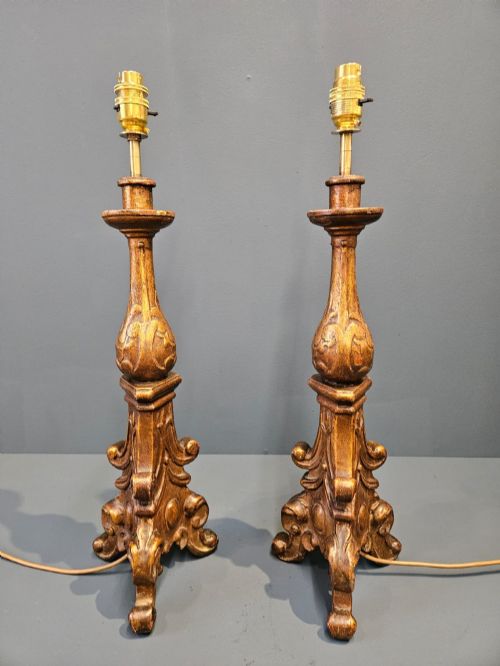


Gold Gilt Desk Lamp
These gold gilt desk lamp pieces bring bright period character to a study, blending heavy cast metalwork with classic forms.
Gold Gilt Desk Lamp
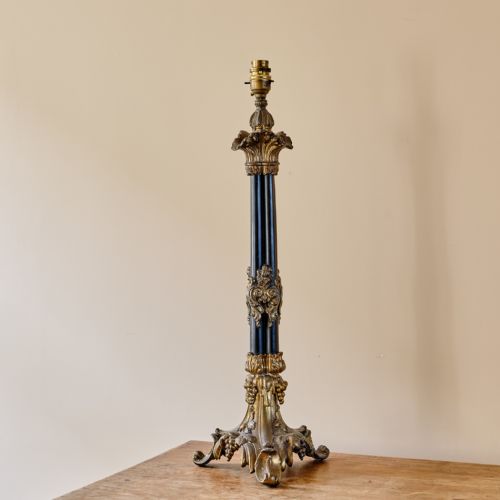
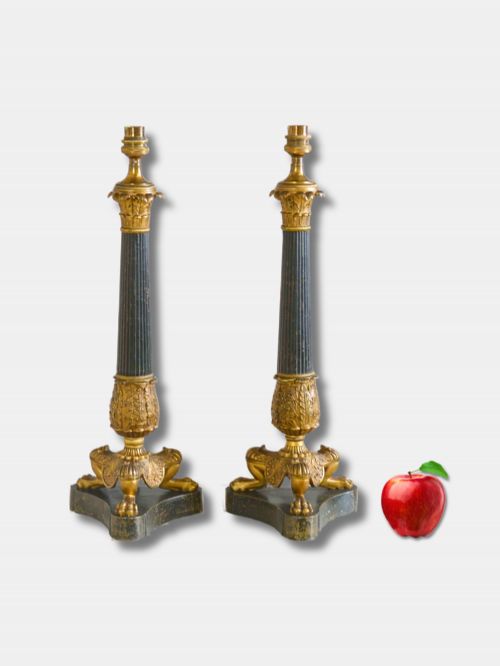
When you search for a gold gilt desk lamp, you encounter table lamps and lamp bases dating primarily from the nineteenth century into the early twentieth century. Many examples originate from France, often reflecting styles such as Louis XVI, Rococo Revival, and French Empire. English and continental workshops also produced distinct variants during the Victorian and Regency periods.
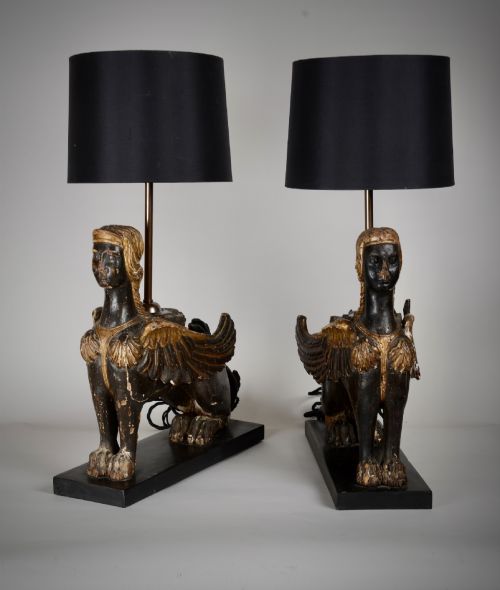
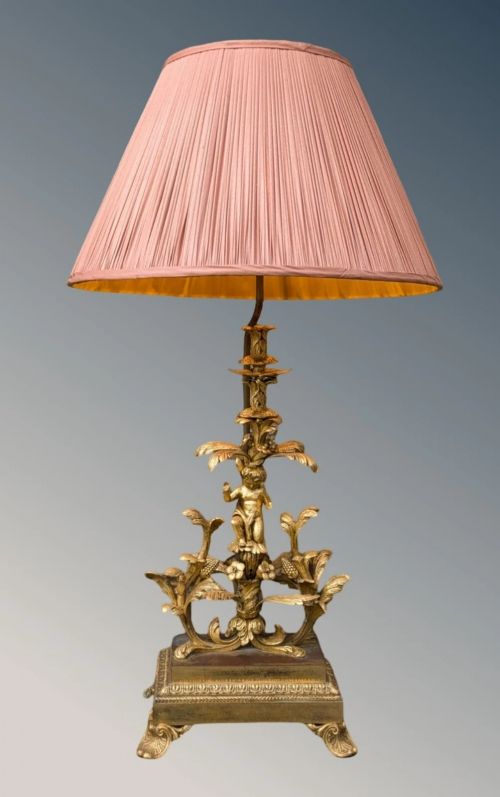
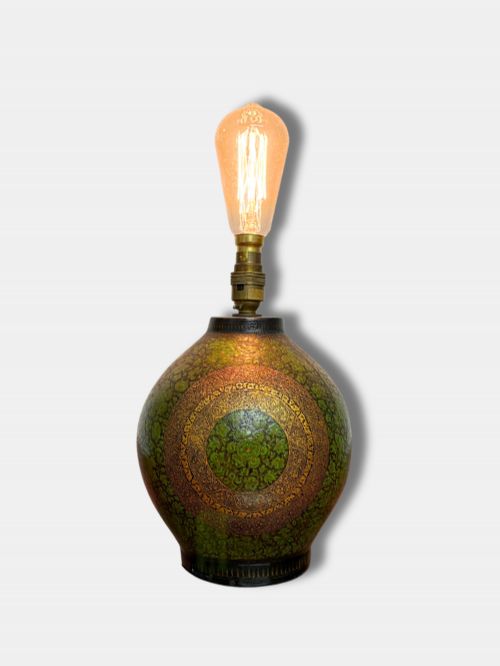
The selection frequently includes electrified conversions of older items like altar candlesticks, tea canisters, and ewers, alongside purpose-built figural and column bases. Materials span cast ormolu, gilt bronze, carved giltwood, and brass, occasionally paired with marble, onyx, or fabric shades. Buyers meet both single accent pieces and matched pairs intended for symmetry on a writing surface or side table.
How they were made
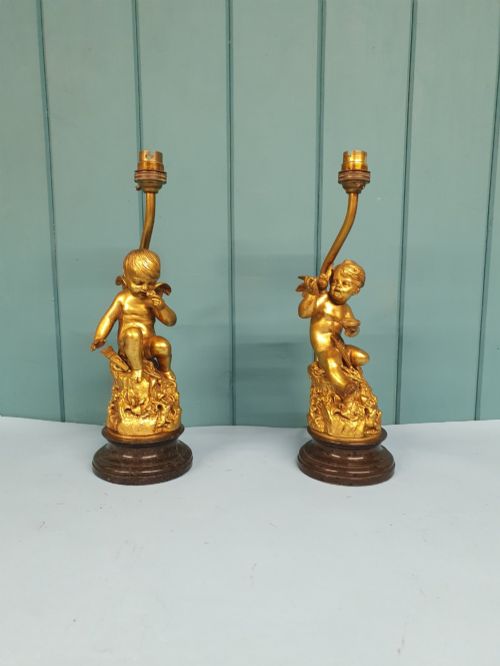
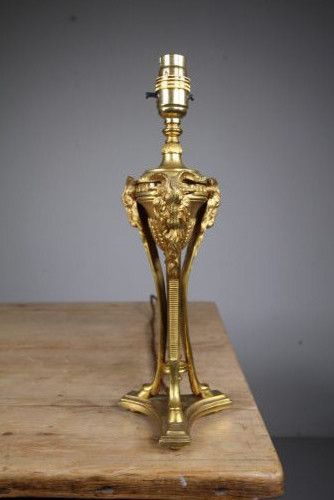
Makers utilised lost-wax casting and sand casting to shape ormolu and gilt bronze, creating intricate mounts with cherubs, rams heads, and classical motifs. Artisans then applied mercury gilding or gold leaf finishes over the bronze, brass, or carved wooden frames.
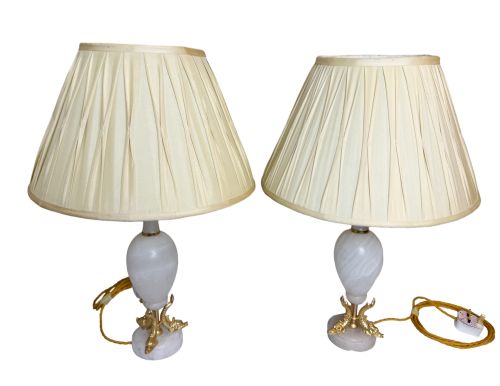
Stone elements like marble and onyx were hand-turned and fitted with cast metal collars and bases. Converted items integrated antique candlesticks and porcelain bodies, adapting earlier lighting vessels or altar pieces for electrical cords.
Listings feature items spanning the eighteenth century through the 1930s, incorporating materials such as marble, silk, and cast ormolu.
What varies in quality
The integrity of the original gilding and the weight of the underlying bronze, brass, or carved timber also mark the difference between standard production and exceptional studio work. Solid marble and onyx plinths with well-fitted bronze mounts indicate higher production standards than lighter composite substitutes.
The Gold Gilt Desk Lamp Glossary
- Ormolu
- Gilded bronze, where finely ground high-carat gold is applied to a cast bronze object using a mercury amalgamation technique or modern electroplating. This finish gives the metal a warm, durable golden lustre.
- Gilt bronze
- An alloy of copper and zinc or tin that has been coated in gold leaf or liquid gold paint. It forms the structural core of many nineteenth-century decorative bases.
- Giltwood
- Timber, often gesso-coated pine or lime, that has been carved and covered in thin sheets of gold leaf. It appears frequently on converted candlesticks and continental altar pieces.
- Chinoiserie
- European artistic style reflecting Chinese motifs and decorative patterns, often rendered in lacquered finishes on wood or metal lamp bodies.
- Candlestick conversion
- The practice of adapting an older lighting device, designed originally for wax candles, to hold electrical wiring and lamp fittings. This preserves antique turned stems while updating their function.
Gold Gilt Desk Lamp: Frequently Asked Questions
Are these lamps safe for daily use?
Most antique fixtures require rewiring to meet modern electrical safety standards before regular daily use. A qualified electrician can easily update internal components while preserving the historic exterior.
Original brass and ormolu components remain structurally robust, but older plugs and cords must be replaced for safe domestic operation.
How do I clean gilt bronze surfaces?
Dust these lamps gently with a soft, dry cloth or a fine feather duster to remove surface particles. Avoid chemical polishes, abrasive cloths, and water, which can strip away delicate gold leaf or damage the underlying patina.
If the metal requires deeper cleaning, consult a professional conservator who specialises in gilded surfaces.
How do I identify the period of a lamp?
Look closely at the casting style, decorative motifs, and fastening methods. Nineteenth-century pieces often display hand-cut screws and heavier bronze casting compared to later twentieth-century reproductions.
Stylistic cues such as Louis XVI columns or Art Nouveau whiplash lines offer strong clues to the decade of manufacture.
Can I replace the lampshade safely?
Shades can be swapped provided the harp or fitter matches the existing socket style. Choose proportions that complement the weight and height of the heavy metal or stone base.
Silk and fabric shades diffuse light effectively, matching the historical character of nineteenth-century desk illumination.