




Gold Geometric Necklace
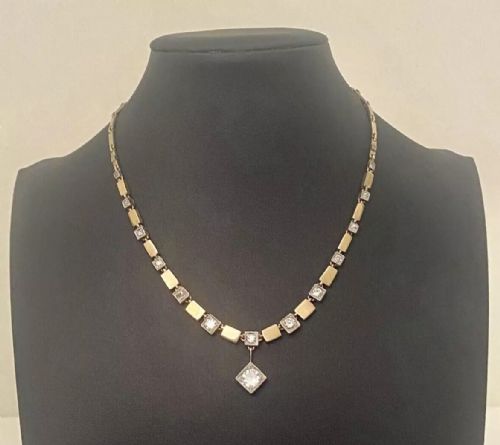
A gold geometric necklace brings structured elegance to the neck, combining period craftsmanship with sharp angles and clean lines.
Gold Geometric Necklace
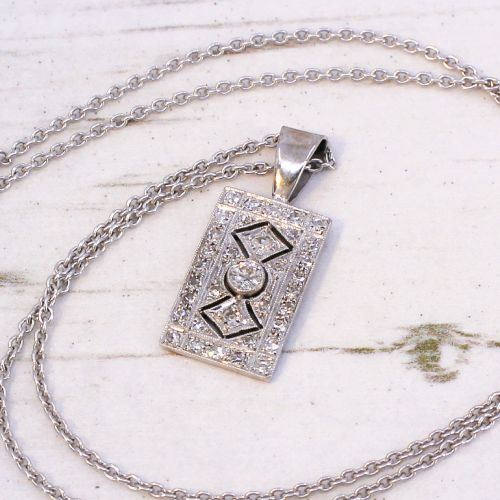
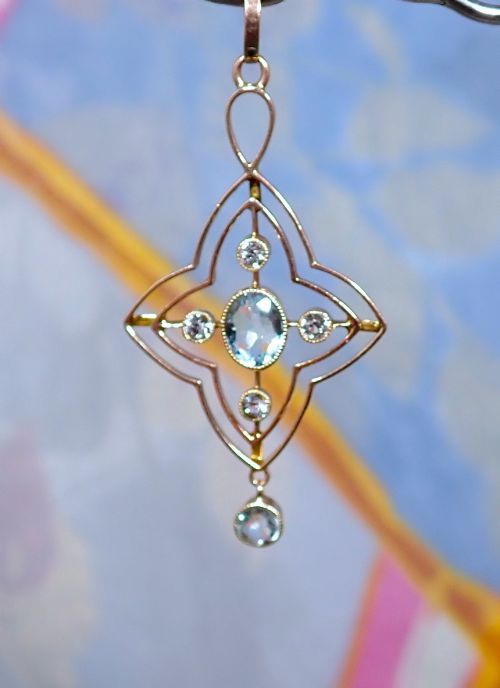
A gold geometric necklace brings together the clean lines and structured forms characteristic of early twentieth century design. Buyers exploring this category will frequently encounter pendants and necklaces hailing from the Art Deco and Edwardian eras.
The pieces on offer span the Victorian period through to the 1930s, encompassing distinct styles like Art Deco alongside earlier Edwardian influences. Such items showcase a fascination with symmetry, repeating motifs, and balanced proportions.
Forms range from simple pendants suspended on fine chains to elaborate fringe necklaces and triple strand pearl strands featuring diamond clasps. These creations rely on specific historical periods to define their architectural shapes.
How they were made
Maker workshops utilised precious metals such as 9ct gold, 14ct rose gold, 18ct white gold, and platinum to form the skeletal frameworks of these jewels. Metalworking techniques focused on creating precise linear channels and mounts capable of securing intricate gemstone layouts.
Gemstones including diamonds, aquamarines, white sapphires, carnelian, and rock crystal were cut and set to accentuate the angular geometry of the mountings. Cultured saltwater pearls were incorporated into multi-strand necklaces, often secured by diamond-set clasps that matched the primary pendant design.
France makes a solitary appearance as a documented origin, proving that geometry knew no borders when it came to a chic clasp.
What varies in quality
The calibre of a piece depends heavily on the precision of the metalwork and the integration of the stones within the geometric layout. Superior examples display seamless alignment between the gold or platinum settings and the faceted gems.
Material selection dictates the upper tiers of the range, particularly where substantial diamond carat weights, clean aquamarines, or carefully graded cultured pearls are present. Finer execution in the clasps and secondary suspension elements further distinguishes exceptional items from standard production.
The Gold Geometric Necklace Glossary
- Art Deco
- A design style flourishing during the 1920s and 1930s characterised by symmetrical geometric shapes, stylised motifs, and modern industrial influences. It remains the dominant aesthetic for this type of necklace.
- Edwardian
- A period spanning the early twentieth century known for delicate garland styles, platinum work, and lighter, airier mountings before the advent of bold geometric abstraction.
- Carnelian
- A reddish-orange variety of chalcedony quartz frequently utilised in early twentieth century jewellery for its striking colour contrast against gold.
- Rock Crystal
- Clear quartz cut and polished into geometric drops or plaques, popular during the Art Deco era to mimic ice or enhance transparency in pendants.
- Old Cut Diamond
- A diamond cut style predating modern brilliants, featuring a smaller table, higher crown, and deep pavilion that produces a softer, candlelit sparkle.
Gold Geometric Necklace: Frequently Asked Questions
What periods do these necklaces come from?
The pieces span the Victorian era, the Edwardian period, and extend predominantly into the 1920s and 1930s.
Art Deco is the most common aesthetic found among these listings, alongside earlier Edwardian examples.
What materials are used in the settings?
Makers utilised 9ct gold, 14ct rose gold, 18ct white gold, and platinum to construct the frames and chains.
White gold and platinum became especially favoured during the 1920s and 1930s to contrast against yellow gold and diamonds.
How do pearl necklaces feature geometry?
Pearl necklaces in this category typically incorporate geometric clasps fashioned from white gold or platinum set with diamonds.
Graded cultured saltwater pearls are arranged in single or triple strands that lead the eye towards the central structured clasp or pendant.
What stones accompany the gold?
Diamonds form the primary gemstone component across many pieces, accompanied by aquamarines, white sapphires, carnelian, and rock crystal.
These coloured stones and clear crystals provide the contrasting hues necessary to define the architectural patterns.
How should I care for a vintage gold necklace?
Store each piece individually in a lined box to prevent scratching between the metal and softer stones like pearls or carnelian.
Professional cleaning by a specialist jeweler ensures that delicate settings and old cut diamonds remain secure without damaging the historic gold.