
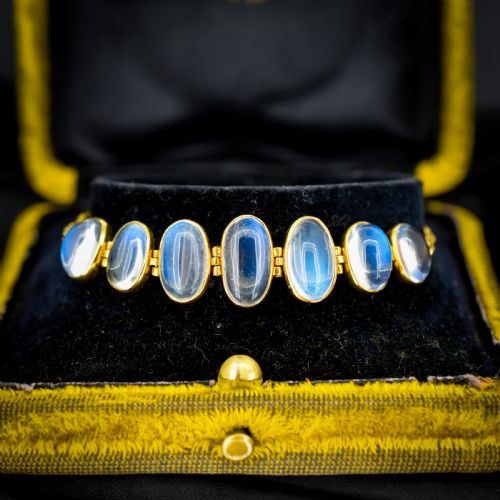


Gold Gemstone Wristlet
A gold gemstone wristlet is a wearable piece of history, combining precious metals and coloured stones to grace the wrist with enduring elegance.
Gold Gemstone Wristlet
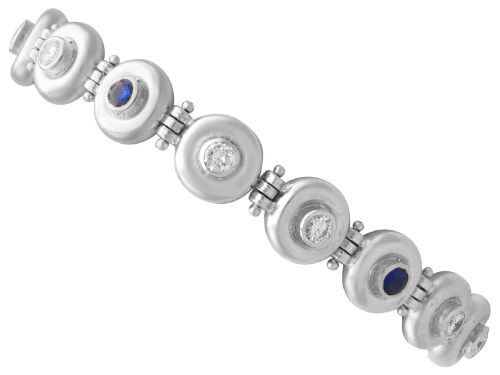
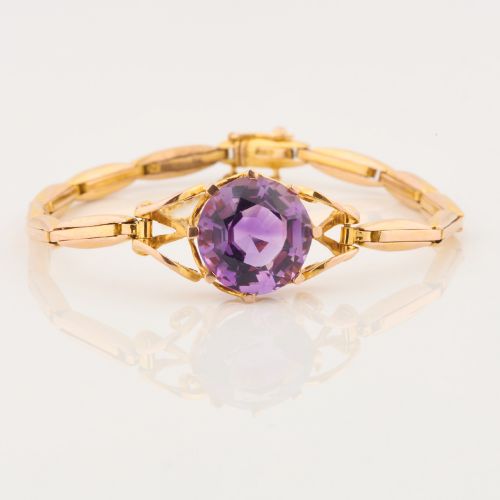
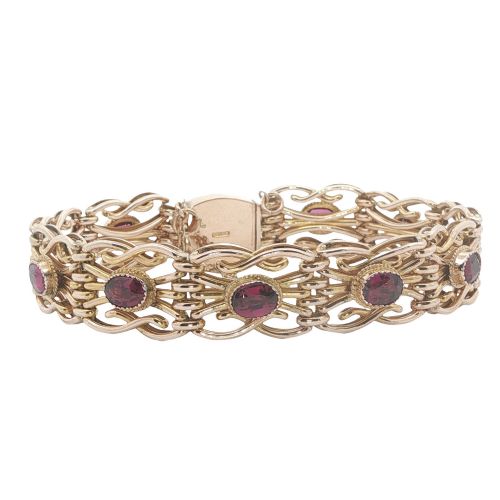
When you search for a gold gemstone wristlet, you are looking at antique and vintage bracelets that span from the Victorian and Edwardian eras through the Art Deco period and into the mid-twentieth century. These items encompass varied designs, from delicate seed pearl pieces to substantial sapphire and diamond line bracelets.
Materials and construction
Jewellers utilised distinct metal purities including nine-carat rose gold, fifteen-carat yellow gold, and eighteen-carat white and yellow gold to form the structural links and settings of each bracelet. These metals provide both the necessary strength for daily wear and distinct colour profiles ranging from warm pinks to bright yellows.
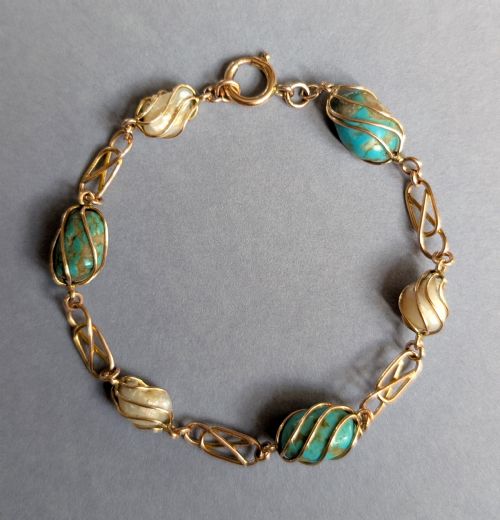
Gems such as diamonds, sapphires, rubies, opals, and pearls were securely set using traditional claw or bezel techniques suited to the period. The integration of seed pearls and turquoise cabochons demonstrates meticulous hand assembly typical of early twentieth-century workshops.
Several pieces incorporate secret symbolism, using lovers knots and delicate seed pearls to communicate affection across the generations.
Distinctions in quality
The standard of a gold gemstone wristlet depends heavily on the uniformity and clarity of the set stones, such as graduating moonstones or matched natural sapphires. Superior examples exhibit careful selection of carat weight and harmonious colour pairing across every gemstone.
Construction resilience also dictates worth, where intricate metalwork like a lovers knot or secure link articulation shows superior artisan skill. The integrity of the gold settings and the precision of the stone placement separate standard productions from finer pieces.
The Gold Gemstone Wristlet Glossary
- Cabochon
- A gemstone shaped and polished with a smooth, rounded surface rather than faceted. This style was frequently utilised for turquoise, moonstone, and opal settings.
- Line bracelet
- A symmetrical arrangement of precious stones set continuously around the band. These commonly feature diamonds paired with sapphires in white gold.
- Lovers knot
- A decorative motif formed by intertwined strands of metal symbolising affection. It appears frequently in Edwardian rose gold designs.
- Seed pearl
- A very small, naturally formed pearl often used in delicate clusters. They add subtle texture alongside larger gemstones in older pieces.
- Belle Epoque
- A period of refined jewellery design spanning the late nineteenth and early twentieth centuries. Pieces from this era often showcase white gold and platinum with intricate diamond and ruby work.
Gold Gemstone Wristlet: Frequently Asked Questions
How do I wear a gold gemstone wristlet?
These bracelets suit both formal evening attire and refined daytime wear depending on the stone and metal combination. Pair simpler gold link designs with everyday outfits while saving diamond and sapphire pieces for special occasions.
Ensure you secure the clasp properly before fastening it around your wrist. Store the piece flat in a dedicated jewellery box to prevent scratching against other items.
Are these bracelets suitable for daily wear?
Many of these pieces were constructed with durable metals like eighteen-carat gold and robust gemstones such as sapphire and diamond. However, antique items featuring softer stones like opal, turquoise, or pearls require greater care.
Remove your bracelet before engaging in strenuous physical activity or housework to protect the settings. Periodic inspection by a professional jeweller helps maintain the security of the claws.
How do I identify the period of my bracelet?
Examine the metal purity hallmarks and the overall design style to determine the era of manufacture. Victorian and Edwardian pieces often use rose or yellow gold with organic motifs, whereas Art Deco and later twentieth-century items favour white gold and geometric lines.
Consulting the specific gemstone cuts and setting techniques can also narrow down the decades. Graduating stones and specific configurations like seed pearl clusters point directly to early twentieth-century workshops.
How should I clean my antique bracelet?
Use a soft, dry cloth to gently wipe away surface dust and skin oils after wearing. Avoid harsh chemical dips or ultrasonic cleaners, especially if the piece contains pearls, opals, or turquoise.
For deeper cleaning on durable stones like sapphire and diamond, use warm soapy water and a very soft brush. Rinse thoroughly and dry completely before storing.