


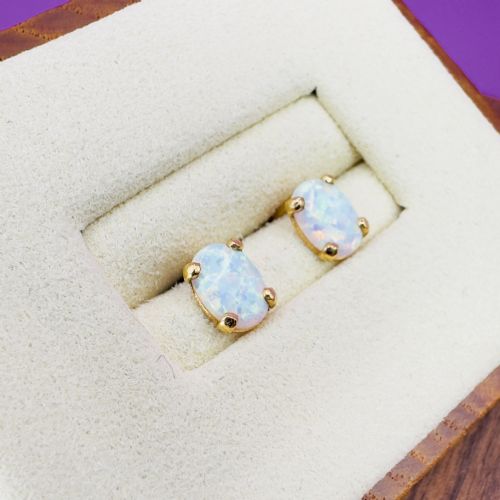

Gold Gemstone Stud Earrings
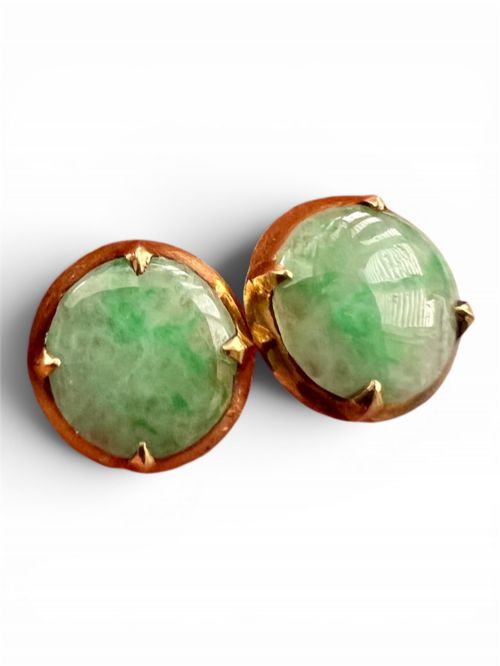
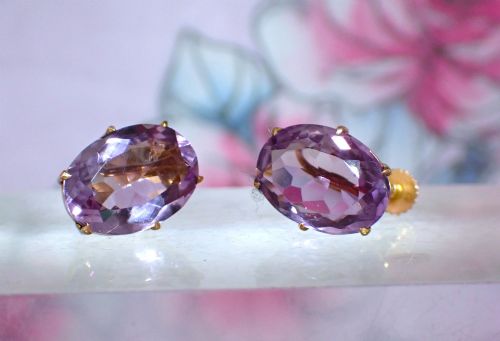
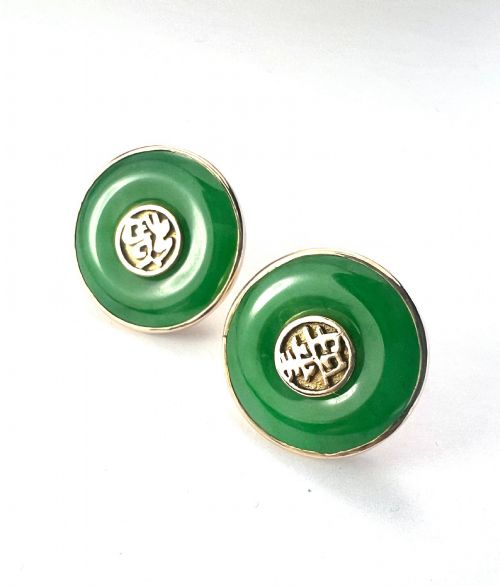
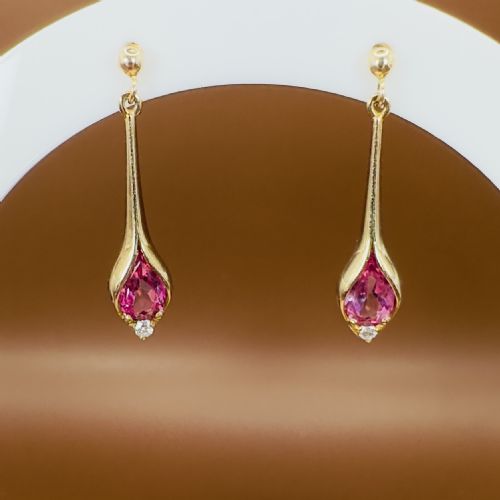
Gold gemstone stud earrings sit close to the lobe, combining precious metals with colourful minerals in wearable designs spanning the Victorian era to the mid-century.
Gold Gemstone Stud Earrings
Gold gemstone stud earrings take many forms, from simple solitaire stones to intricate cluster arrangements and drop configurations. Buyers seeking gold gemstone stud earrings encounter examples shaped by Art Deco geometry, mid-century modernity, and Victorian tradition.
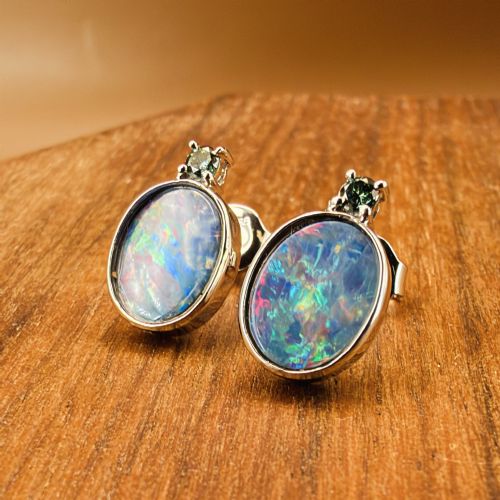
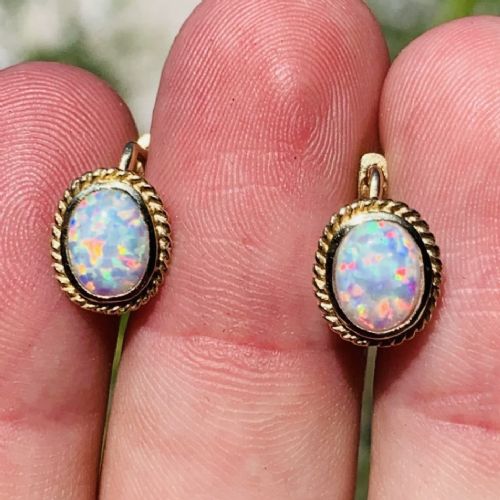
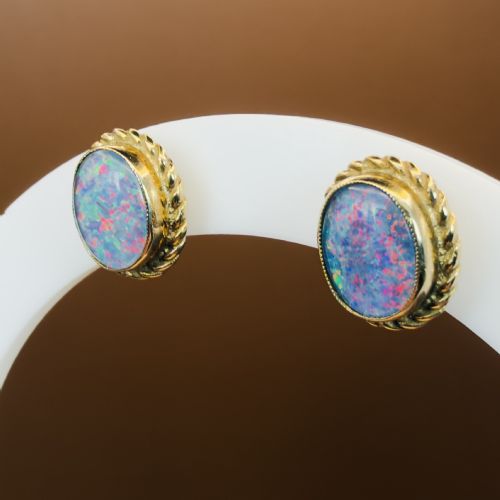
The selection ranges across several decades, bringing together Edwardian delicate work, 1930s jade, and 1950s opal doublets. Most pieces utilise standard post fittings, though screw-on mechanisms appear in earlier periods.
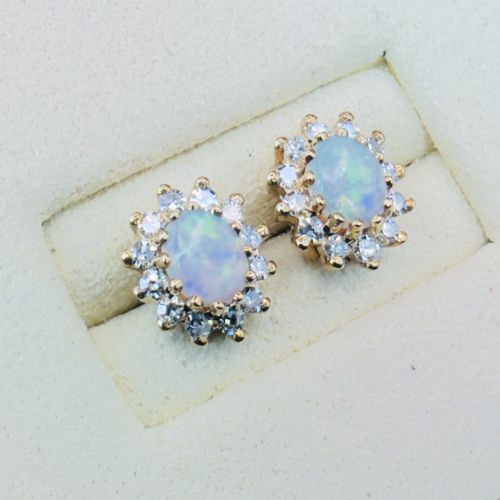
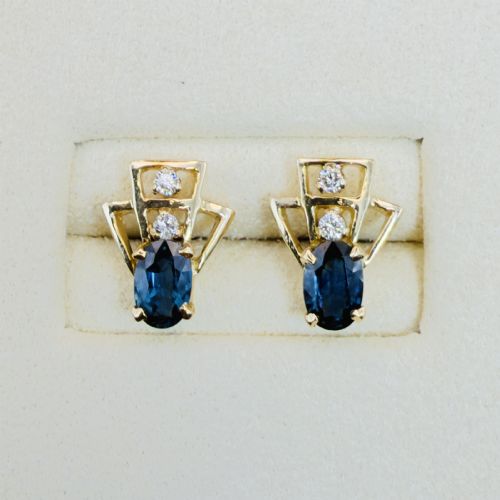
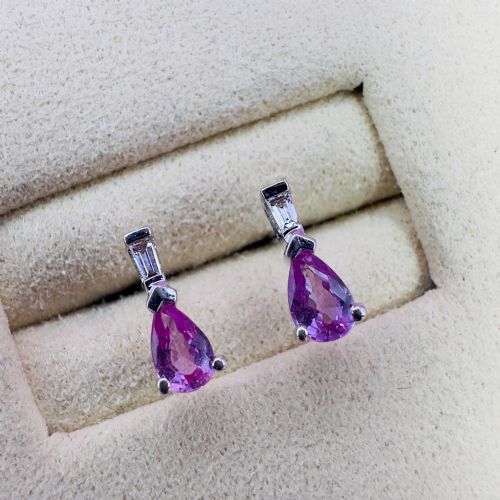
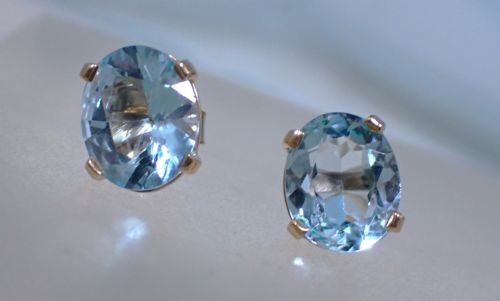
Stones set into these mounts include aquamarine, garnet, opal, sapphire, emerald and amethyst. Yellow gold and white gold provide the primary settings for these varied gemstones.
Materials and construction
Goldsmiths utilised 9ct and 18ct gold, in both yellow and white varieties, to mount faceted and cabochon stones. Metalwork techniques involve prong settings, bezel wraps, and delicate filigree frames.
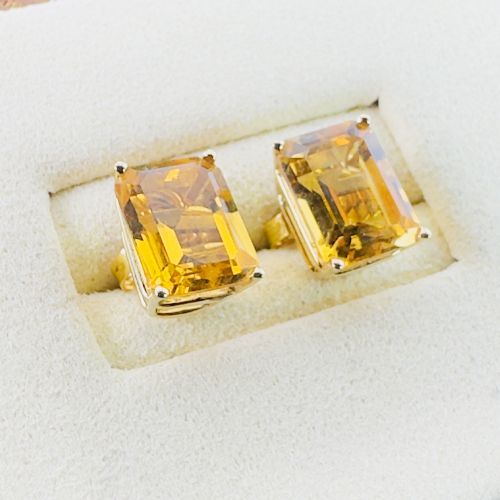
Gemstones undergo specific cutting methods suited to their mineral structure, producing oval, emerald, pear, and marquis shapes. Diamonds frequently surround central coloured stones in cluster formations.
Gold Gemstone Stud Earrings Retail Price Guide 2026
Typical asking prices for gold gemstone stud earrings among the pieces listed under this phrase on Sellingantiques today, from the lower quarter to the upper quarter. They describe what is for sale here now, not the wider market.
Early twentieth-century makers ensured nobody lost an earring down the sink by inventing screw-on backs that clamped firmly onto unpierced lobes.
Quality variations
The calibre of craftsmanship shows in the precision of stone setting and the weight of the gold mount. Heavier gold gauges and secure claw work separate superior examples from lighter production.
Gemstone selection dictates the upper tier, where stones exhibit clean saturation, lively internal light reflection, and balanced carat weights. Match and symmetry between paired stones influence overall harmony.
The Gold Gemstone Stud Earrings Glossary
- Cabochon
- A gemstone shaped and polished with a smooth convex surface rather than faceted facets. This style highlights the internal optical phenomena of opals and jades.
- Doublet
- A composite gemstone made of two joined sections, often pairing a thin slice of opal with a supportive backing. This technique provides stability and colour depth.
- Cluster
- An arrangement of smaller stones set closely around a larger central gemstone. Diamond halos often frame emeralds or sapphires in this manner.
- Filigree
- Ornamental work consisting of fine wire soldered together in open patterns. This technique appears on Victorian and mid-century gold mounts.
- Toris
- A rounded ring shape used for carved jade components. These solid forms thread directly onto gold posts or suspension loops.
Gold Gemstone Stud Earrings: Frequently Asked Questions
How do I date gold gemstone stud earrings?
Dating relies on the cut of the stones, the alloy colour, and the mounting style. Art Deco pairs display geometric precision, while mid-century pieces often utilise organic cluster configurations.
Hallmarks stamped on the metal provide official registry dates or maker marks. Examining the fastening type also helps distinguish Edwardian screw-backs from later post designs.
What is an opal doublet?
An opal doublet consists of a genuine opal slice cemented to a darker backing material such as ironstone or onyx. This construction adds durability and deepens the play of colour visible on the surface.
Master lapidaries developed this method to display vibrant opal hues securely within everyday jewellery mounts.
How should I clean antique gold earrings?
Cleaning requires warm water and mild soap applied gently with a soft brush to remove surface oils. Soaking gemstone pieces depends on the mineral, as softer stones like opals and pearls tolerate moisture poorly.
Professional ultrasonic cleaners suit hard stones like diamonds and sapphires but risk damaging softer or composite materials.
Are screw-on earrings difficult to convert?
Screw-on mechanisms from the Edwardian period rest on threaded posts designed for non-pierced lobes. Jewellers can adapt these fittings to standard posts if desired.
Retaining the original screw mechanism preserves the historical integrity of the piece for collectors.