
Gold Gemstone Cocktail Ring
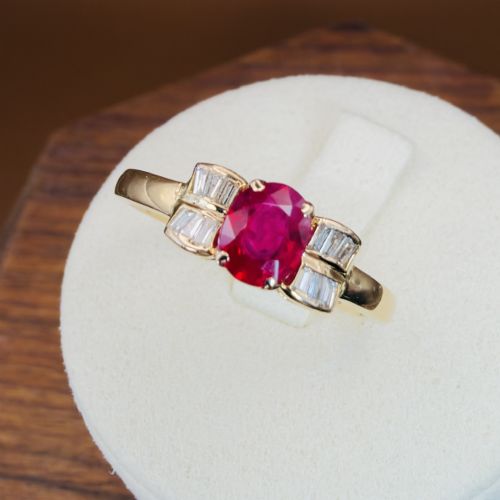
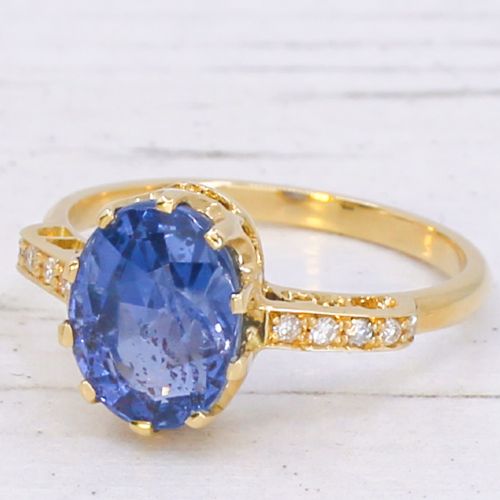
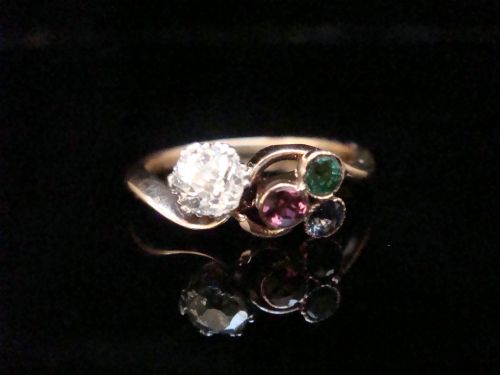
A gold gemstone cocktail ring brings dramatic scale and vibrant colour to the hand, drawing the eye with substantial central stones.
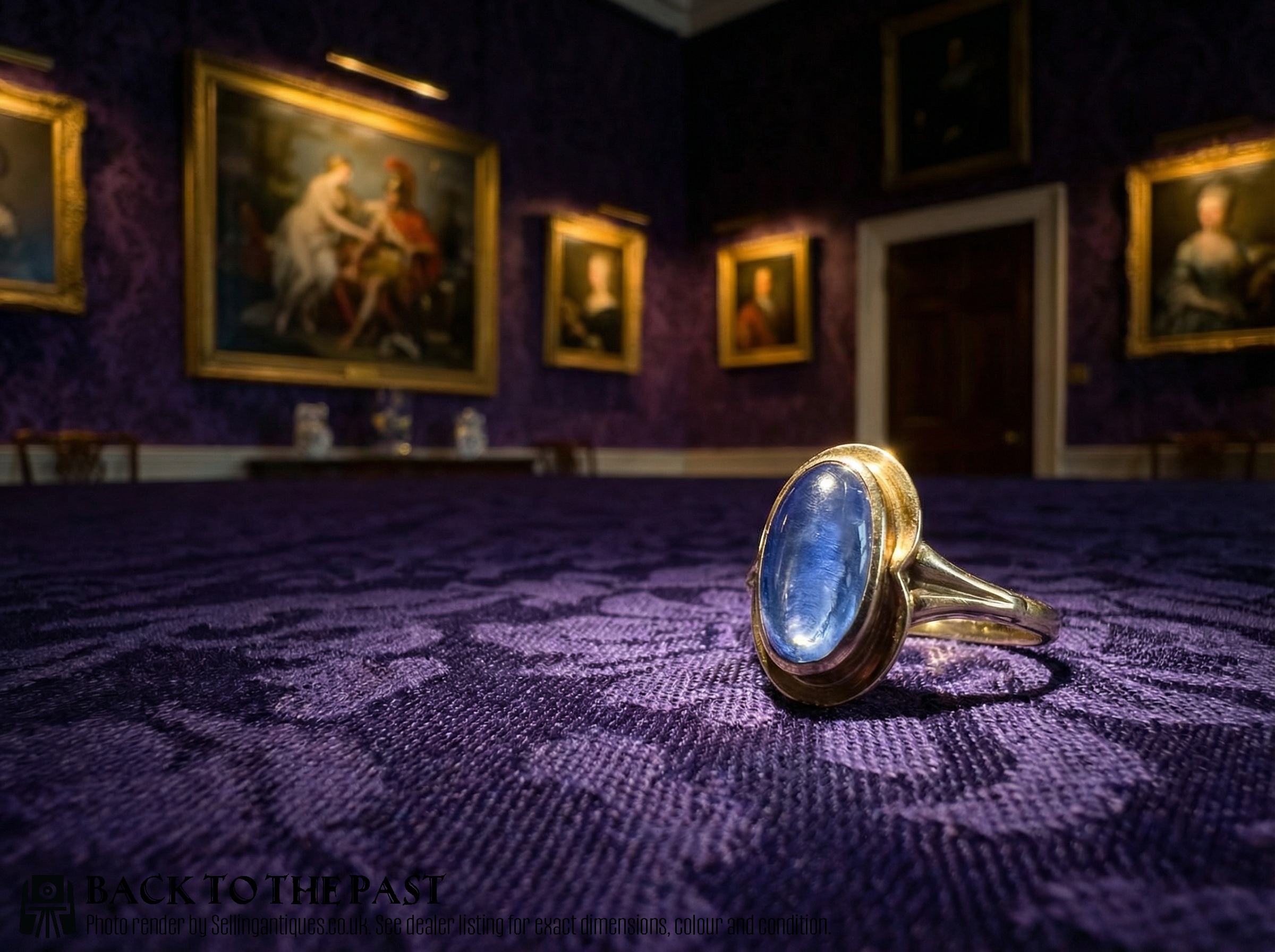
Gold Gemstone Cocktail Ring
A gold gemstone cocktail ring is a statement piece designed to stand out through generous proportions and bold arrangements of coloured stones. When exploring this phrase, buyers encounter striking designs spanning the Edwardian era, Art Deco period, Mid-Century decades and Victorian times.
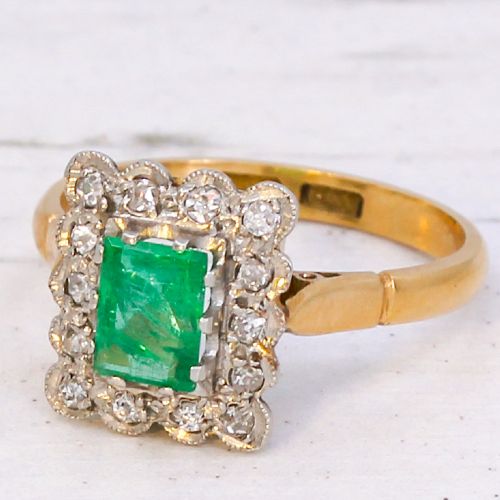
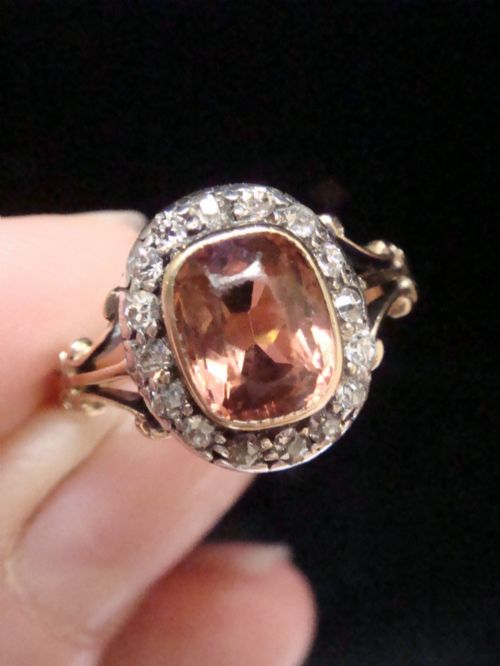
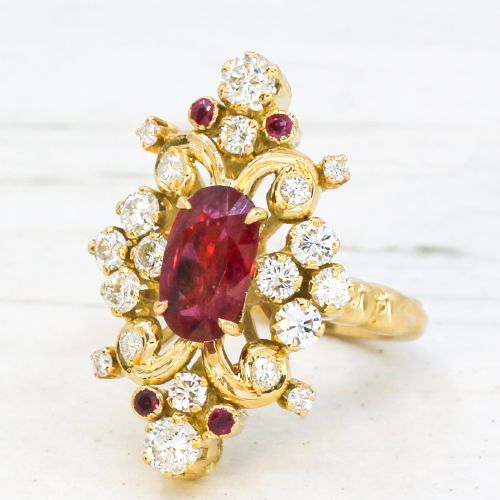
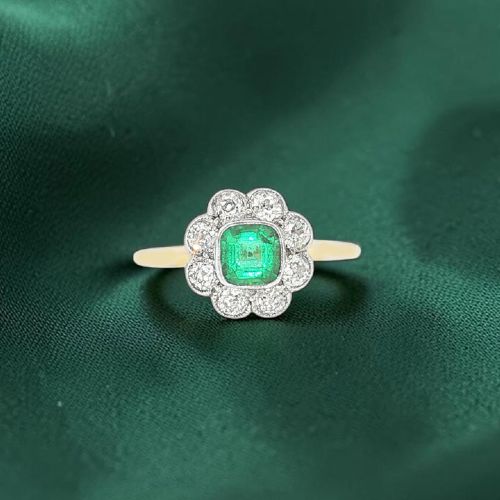
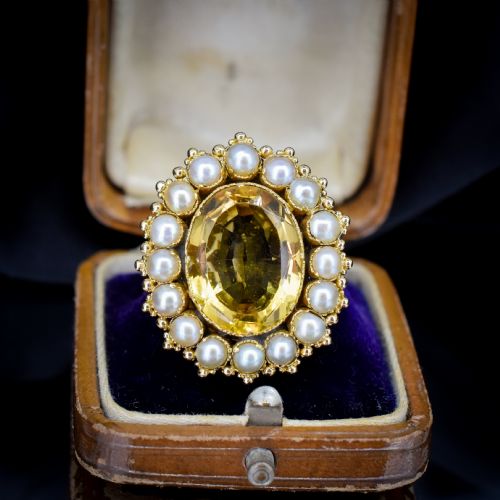
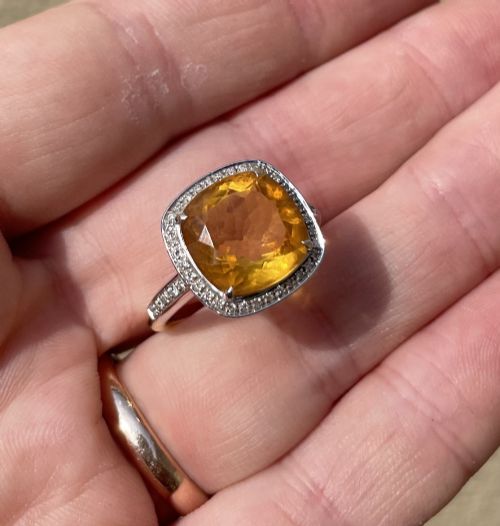
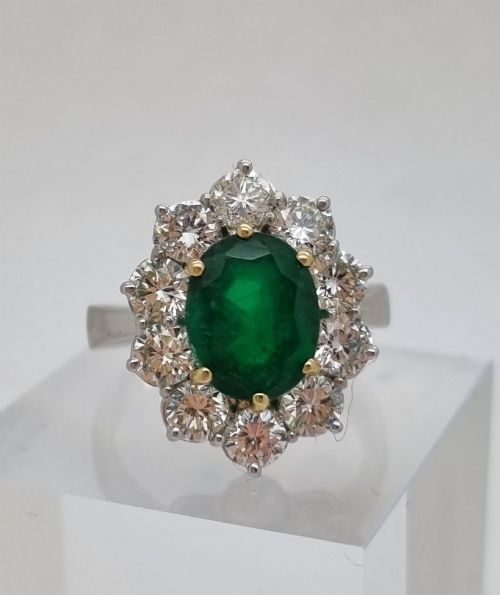
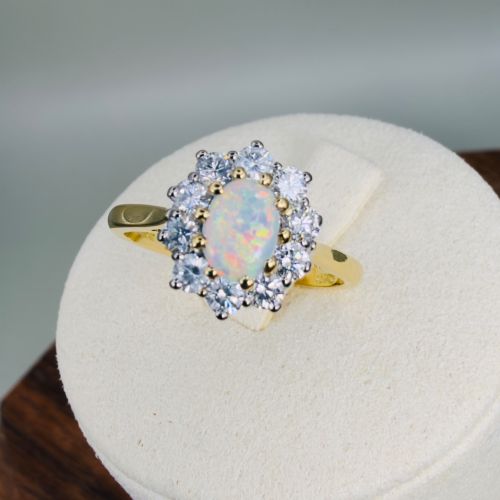
The most common version met on this page is the cluster ring, which groups smaller diamonds around a prominent central gem like sapphire, emerald, ruby or citrine. These designs frequently utilise traditional mountings in yellow gold, white gold or platinum to frame the colourful centrepiece.
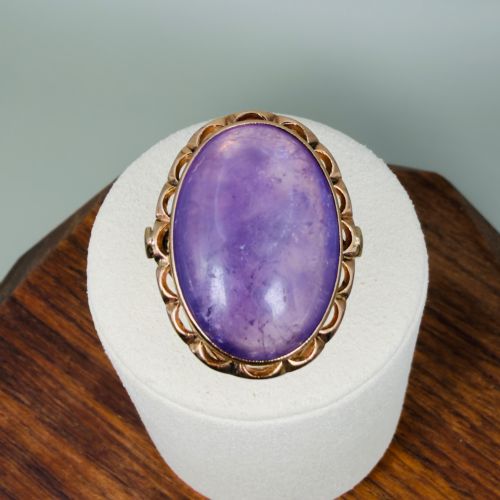
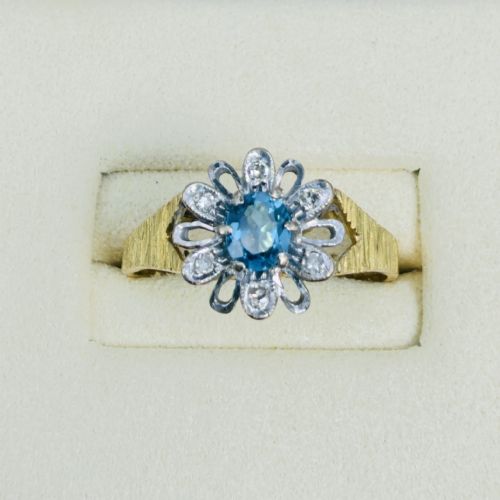
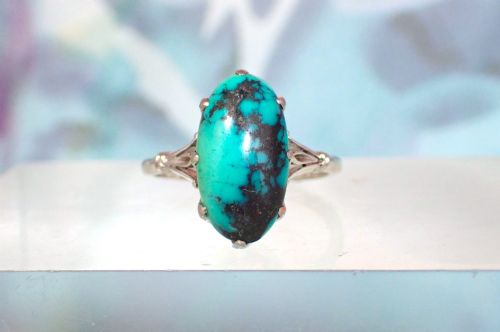
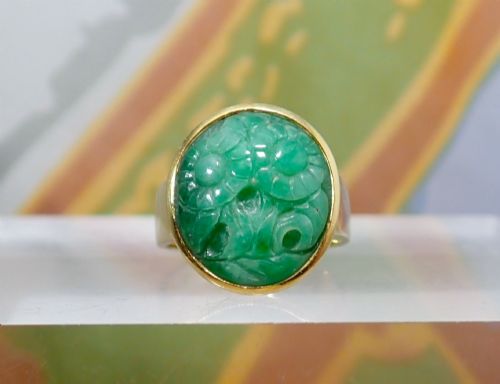
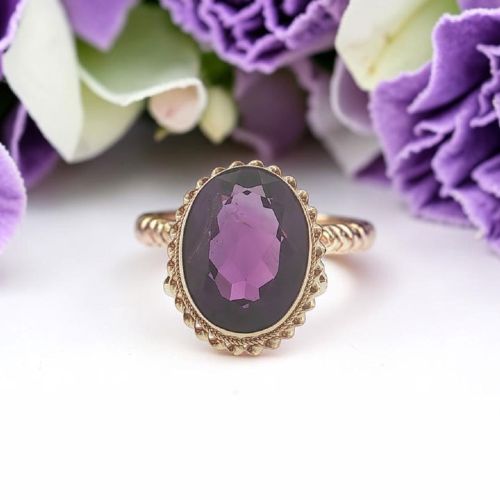
Beyond standard clusters, the selection encompasses floral motifs, navette shapes and large single-stone cabochons set in rose or yellow gold. Pieces range from delicate Edwardian work to substantial mid-century creations featuring aquamarine, amethyst, opal and jade.
Materials and construction
Gold forms the structural base of these rings, appearing in 9ct and 18ct yellow and white variations, alongside 14ct rose and yellow gold. Platinum is also employed in period mountings, particularly during the Art Deco era to secure diamonds in crisp white settings.
Gems are selected for strong colour and presence, encompassing unheated Ceylon and Burma sapphires, Colombian emeralds, and Mogok rubies alongside semi-precious stones like citrine, amethyst and tourmaline. Cut styles vary from old cut diamonds and cushion cuts to cabochons and oval faceting.
Setting techniques rely on traditional hand-crafting methods such as claw settings, bezels and cluster arrangements designed to maximise light passing through coloured stones. Older examples incorporate intricate gallery work and delicate millegrain edges.
Central gems include aquamarine, amethyst, tourmaline, citrine and jade alongside traditional sapphire, ruby and emerald.
Differentiating quality in cluster rings
Quality rests upon the natural origin, clarity and saturation of the central gemstone, alongside the presence of gemmological reports confirming unheated status. Stones with vivid, natural colour command attention over paler or heavily treated alternatives.
The precision of the metalwork and the condition of the setting claws dictate the durability and refined appearance of the piece. Substantial mountings with intact gallery details and secure stone placement represent superior craftsmanship.
The Gold Gemstone Cocktail Ring Glossary
- Cluster ring
- A ring design featuring a prominent central gemstone surrounded by a border of smaller stones, typically diamonds. This arrangement maximises the visual impact of the primary gem.
- Cabochon
- A gemstone shaped and polished with a smooth, convex surface rather than faceted edges. This cut is frequently applied to opaque or translucent stones like opal, jade and turquoise.
- Navette
- A boat-shaped ring setting that tapers to points at either end, lengthening the appearance of the finger. It is also known as a marquise shape.
- Old cut
- A diamond cutting style prevalent in antique jewellery characterised by a smaller table, higher crown and open culet. These stones exhibit a distinctive, softer candlelight sparkle.
- Millegrain
- A decorative technique featuring a row of tiny raised metal beads along the edges of a setting. This detail is common in Edwardian and Art Deco jewellery.
Gold Gemstone Cocktail Ring: Frequently Asked Questions
What is a cocktail ring?
A cocktail ring is a large, eye-catching piece of jewellery traditionally worn at evening gatherings and parties during the twentieth century. These rings deliberately break away from understated everyday wear by showcasing oversized stones and bold artistic designs.
Today, the term applies broadly to any substantial dress ring featuring prominent coloured gems surrounded by diamonds or gold work. They remain popular for adding personality and distinct historical character to modern outfits.
How do I care for antique gemstone rings?
Care depends entirely on the specific stones set within the ring, as softer materials like opal and emerald require much gentler handling than diamonds or rubies. Avoid ultrasonic cleaners and harsh chemicals, opting instead for professional inspection to ensure setting claws remain tight.
Store each ring separately in a lined box to prevent scratching between harder and softer stones. Regular, careful cleaning with a soft cloth preserves the original polish of the gold and the brilliance of the gems.
How can I date an antique ring?
Dating relies on stylistic clues, manufacturing techniques, hallmark stamps and the specific cuts of the diamonds and gemstones used. Edwardian pieces often display delicate platinum millegrain work, while Art Deco items favour geometric symmetry and white gold.
Hallmarks stamped inside the band provide official assay office marks and date letters for British pieces made after the introduction of statutory testing. Combining these physical details builds a clear timeline of when the ring was created.
Are these gemstones natural?
The listings include natural unheated sapphires, untreated emeralds and natural rubies alongside certified stones accompanied by professional gemmological reports. Natural origin and the presence or absence of heat treatment significantly influence the character and documentation of the piece.
Detailed descriptions note specific geographical origins such as Ceylon, Burma or Colombia when verified by experts. Buyers seeking untreated stones can review individual reports provided with the specific ring.