



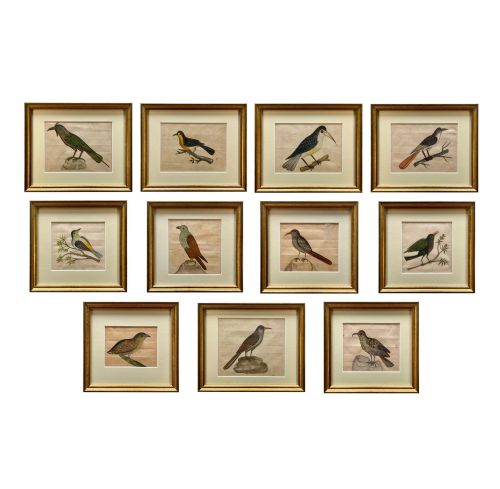
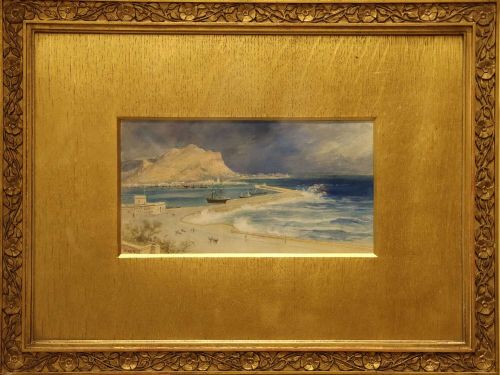
Gold Framed Watercolor
A gold framed watercolor brings colour and historic character to a wall, combining delicate brushwork on paper with ornate metallic surrounds.
Gold Framed Watercolor
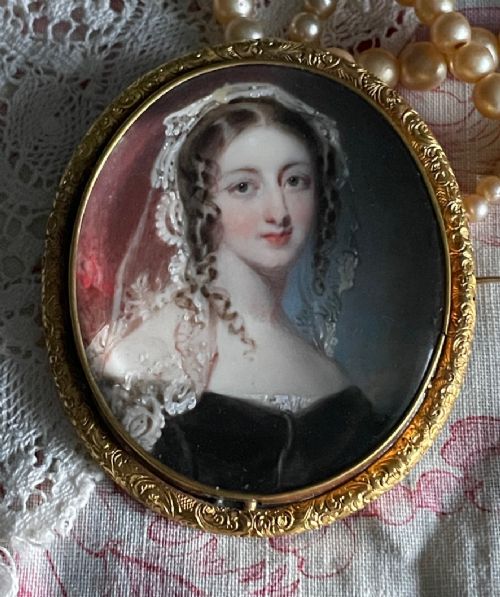
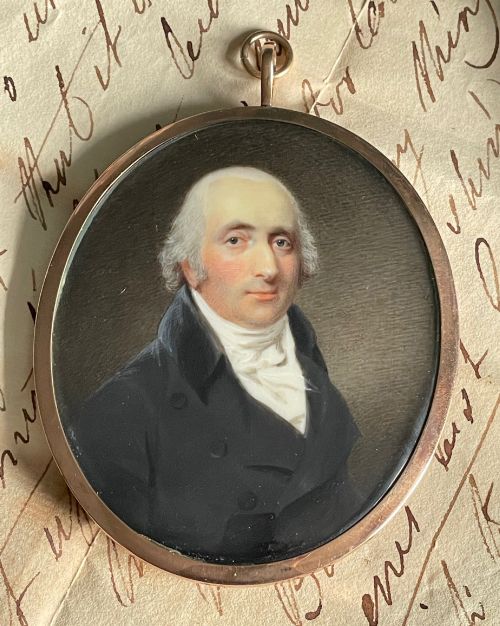
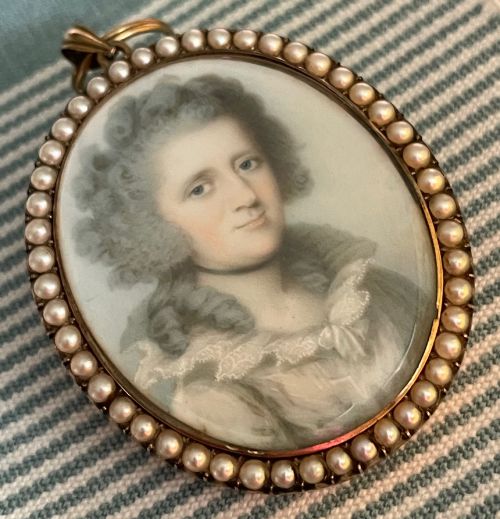
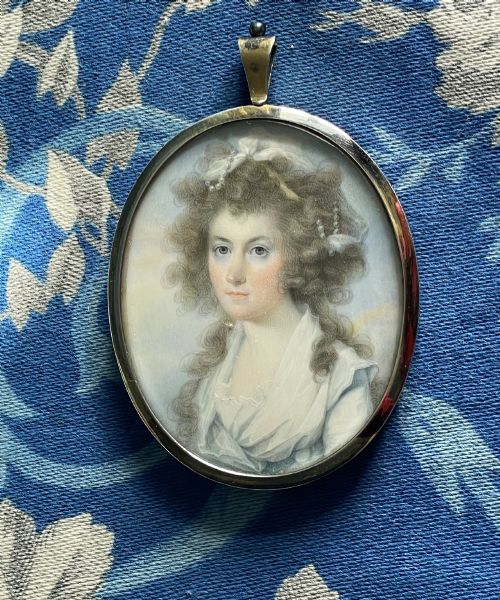
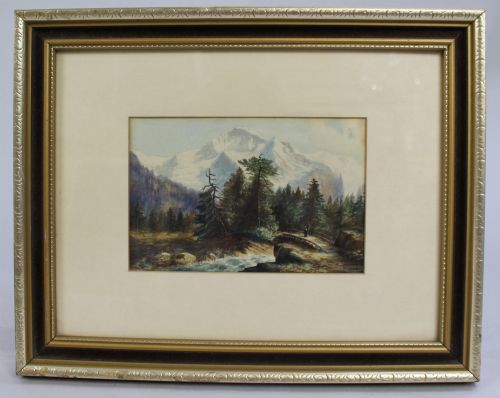
When you search for a gold framed watercolor, you are looking at original paintings executed on paper using water-soluble pigments, paired with protective glass and housed within wooden or gilded frames. These works span several centuries, capturing landscapes, marine scenes, botanical studies, and intimate portrait miniatures.
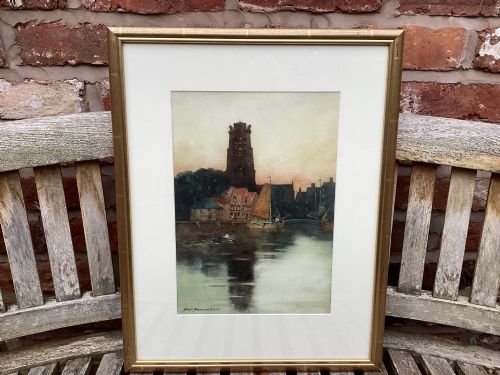
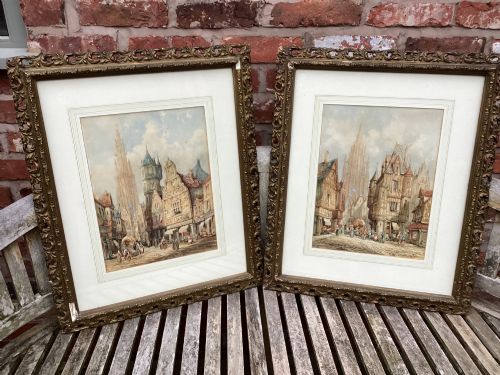
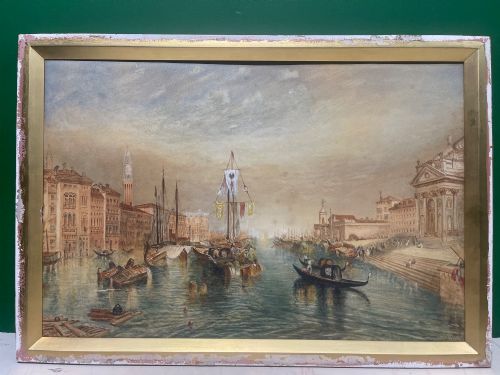
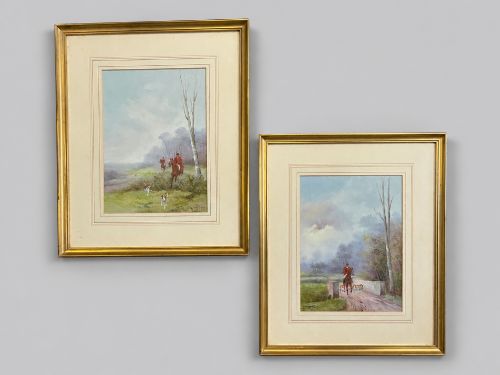
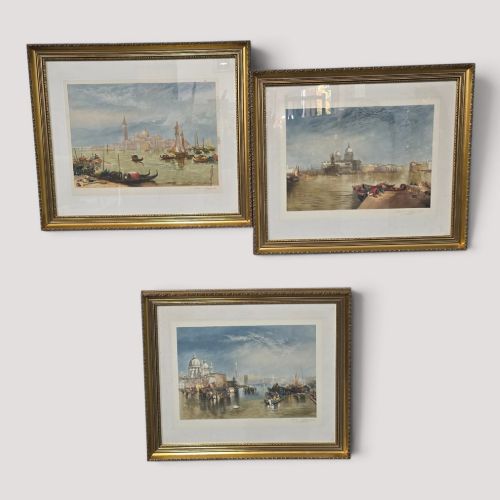
You are most likely to meet nineteenth-century examples on this page, alongside works from the Georgian, Victorian, and Edwardian periods. Landscapes depicting harbours, countryside views, and architectural subjects appear frequently, often signed by listed artists or emanating from British and European schools.
Materials and Techniques
Artists painted primarily on paper or card, utilising transparent watercolour washes, pen and ink, and occasionally gouache to build depth and fine detail. Some portrait miniatures incorporated watercolour painted directly on glass.
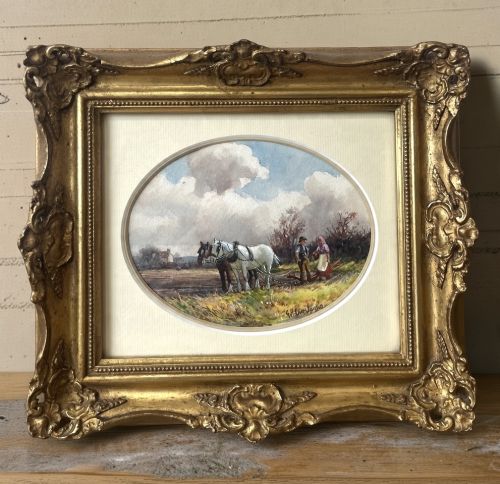
The enclosing frames consist of wood shaped by hand or moulded, then finished with gold leaf, giltwood, or gold plating to create a reflective metallic border that complements the tones of the painting within.
Gold Framed Watercolor Retail Price Guide 2026
Typical asking prices for gold framed watercolor among the pieces listed under this phrase on Sellingantiques today, from the lower quarter to the upper quarter. They describe what is for sale here now, not the wider market.
Subject matter ranges from Italian harbours and alpine views to botanical studies of wild roses and marigold flowers.
Judging Quality and Execution
The distinction between ordinary and exceptional pieces lies in the sureness of the brushwork and the artist's command of light and atmosphere. Stronger works display confident draftsmanship, careful preservation of paper integrity, and sensitive handling of pigment.
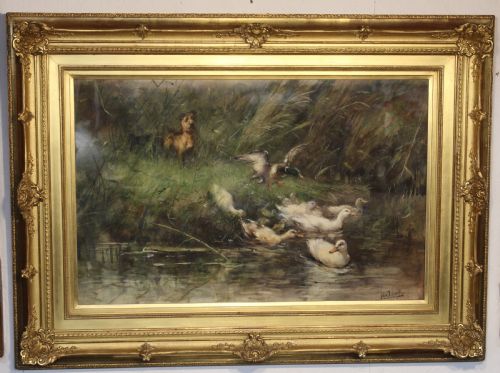
Frame quality also plays a role, with original period giltwood or ornate moulded frames displaying superior craftsmanship compared to later replacements. Signatures by recognised Royal Academy artists or documented practitioners elevate the standing of a painting.
Frederick Buck·Stuart Lloyd·Robert George Talbot Kelly·Ernest Arthur Rowe·Richard Cosway
The Gold Framed Watercolor Glossary
- Watercolour
- A painting method in which the paints are made of pigments suspended in a water-based solution. These works are typically executed on paper.
- Giltwood
- Wood that has been treated with a thin layer of gold leaf or gold paint. This finish provides a bright, reflective border to historic pictures.
- Portrait Miniature
- A small, highly detailed painting depicting a person, executed during the eighteenth and nineteenth centuries. They are frequently housed in oval or portable frames.
- Gouache
- An opaque water-based paint often used alongside watercolour to create solid areas of colour and highlights. It adds weight and opacity to specific details on paper.
Gold Framed Watercolor: Frequently Asked Questions
How do I care for a watercolour?
Keep watercolours away from direct sunlight to prevent the pigments and paper from fading over time. Maintaining a stable indoor humidity helps protect both the paper support and the wooden frame.
Ensure the glass remains intact to shield the delicate paint surface from dust and atmospheric moisture. Professional framing using acid-free materials provides the best long-term preservation.
How do I identify the period?
Period styles are often indicated by the framing techniques, the subject matter, and the costume or architectural details within the painting. Georgian and Victorian works frequently utilise distinct framing profiles and mounting methods.
Signatures matched against historical artist records help narrow down the date of creation. Handwritten notes on the reverse of the frame or paper can also provide clues to the year it was made.
Why are some frames gold plated?
Gold leaf and gilt finishes were applied to complement the warm tones of the watercolour and reflect candlelight in historic interiors. These reflective surrounds drew the eye toward the detail of the painting.
Different eras favoured specific moulding styles, from simple rounded wooden profiles to heavily ornamented Victorian and Edwardian frames. The frame often remains contemporary with the artwork it encloses.