

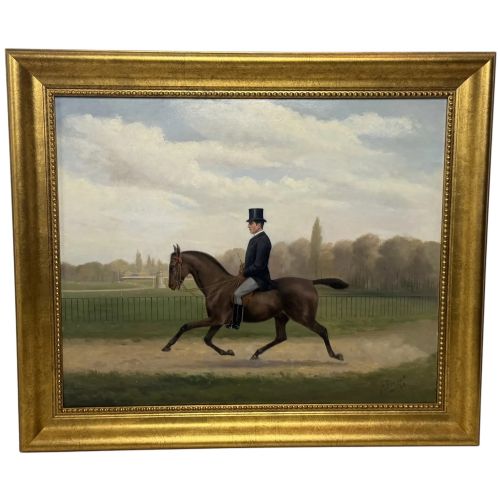
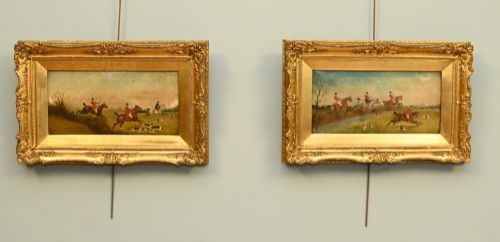
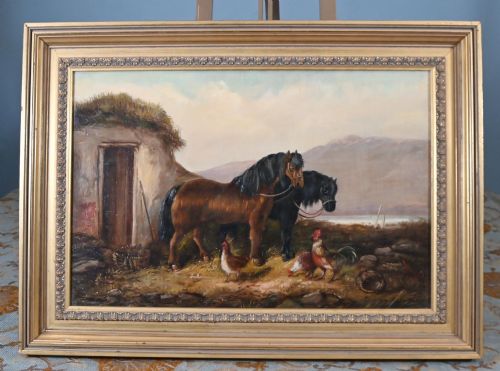
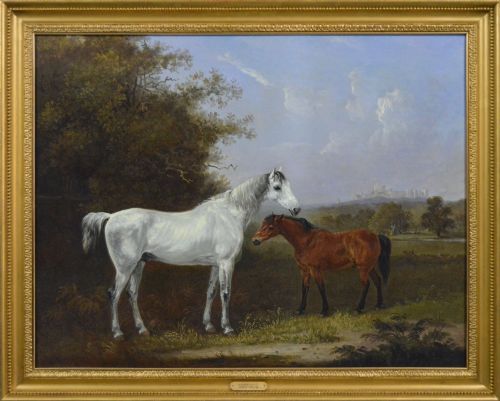
Gold Framed Horse Art
When you search for gold framed horse art, you are looking at equestrian paintings united by period gilt moulding.
Gold Framed Horse Art
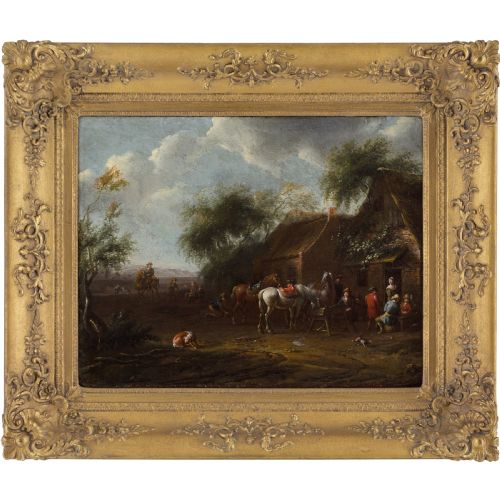
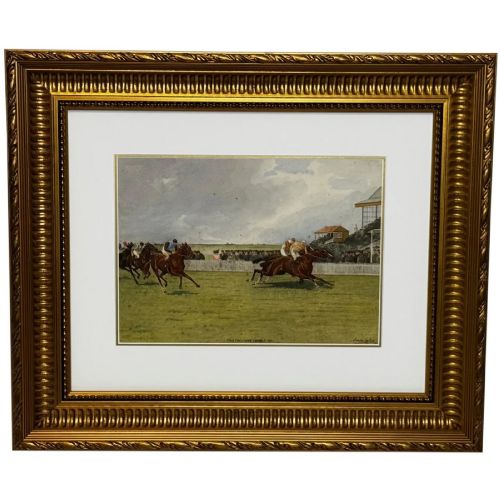
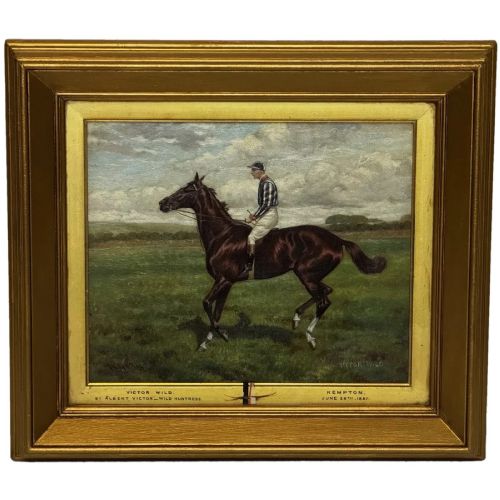
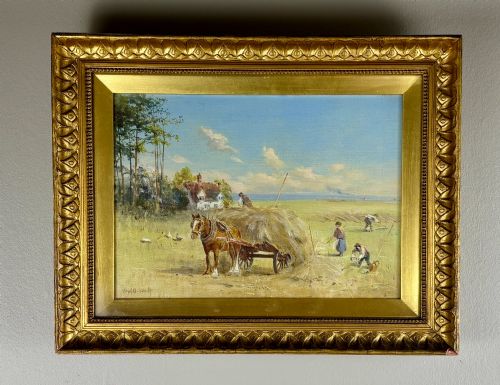
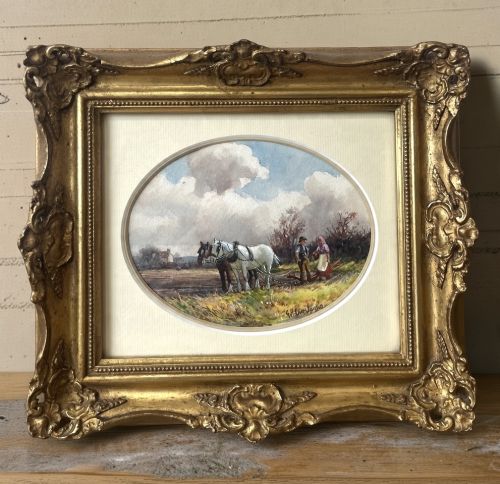
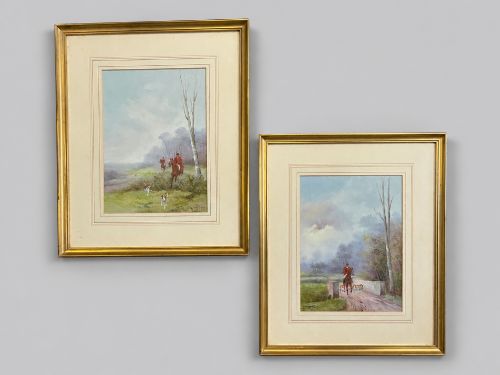
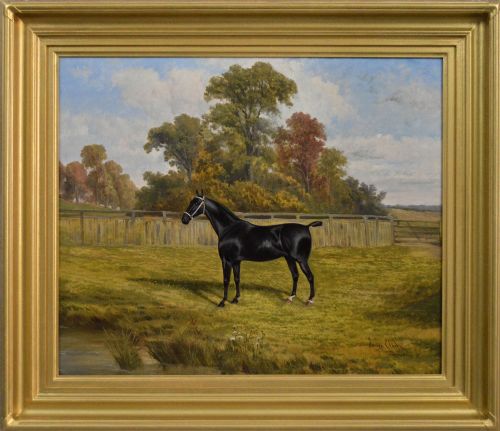
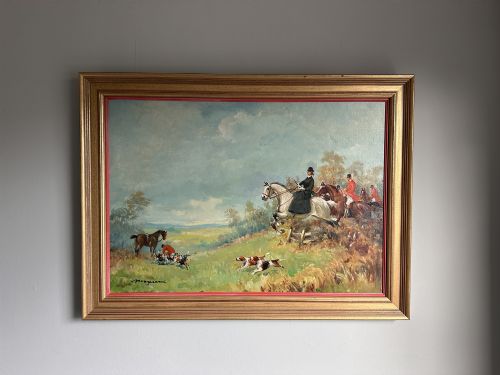
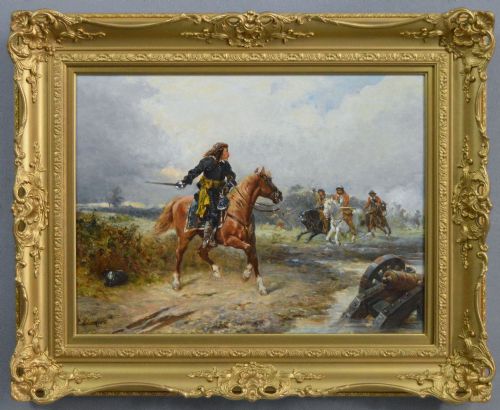
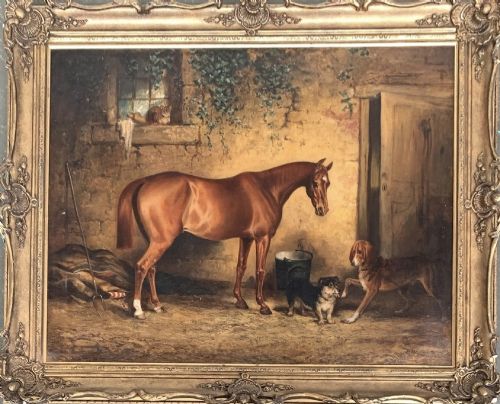
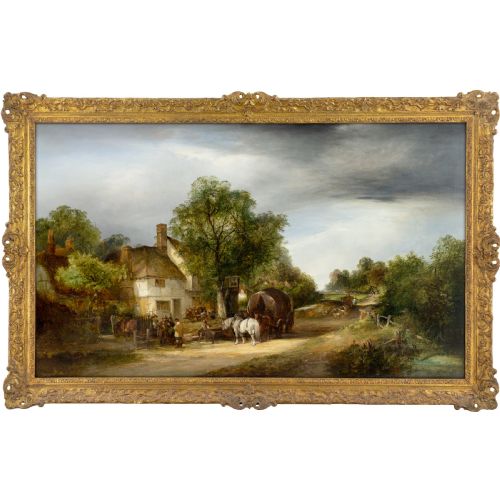
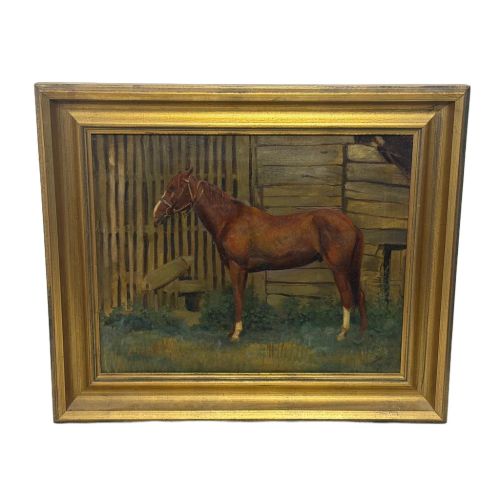
Gold framed horse art encompasses centuries of equestrian painting, stretching from seventeenth-century continental scenes to twentieth-century British sporting works. You will frequently encounter nineteenth-century Victorian pieces on canvas, depicting hunting scenes, stable portraits, and coaching travels.
The subjects range from individual portraits of named racehorses and royal mounts to rural landscapes featuring working farm horses and cavalry charges. These works capture the central role of the horse in historical transport, agriculture, and sport.
Most examples are oil paintings executed on canvas or wood panels, though you will also find occasional watercolours and textile needleworks. Each piece arrives enclosed within a decorative wooden frame finished in gesso and gilt.
How They Were Made
Artists painted primarily with oil paint on stretched canvas or wooden panels, building up layers to render the musculature and coats of the animals. Canvases were secured within timber structures that provided the necessary tension for decades of preservation.
Gold Framed Horse Art Retail Price Guide 2026
Typical asking prices for gold framed horse art among the pieces listed under this phrase on Sellingantiques today, from the lower quarter to the upper quarter. They describe what is for sale here now, not the wider market.
Victorian sporting art forms a substantial portion of the available selection, alongside Edwardian coaching scenes and Georgian portraits.
What Varies in Quality
Quality rests significantly upon the artist's command of equine anatomy and movement, separating skilled portraits from stiff, naive interpretations. Superior works capture the precise conformation and individual character of the animal rather than relying on generic outlines.
The craftsmanship of the enclosing border also dictates the standing of the piece, with hand-carved or deeply moulded giltwood frames showing superior depth compared to simpler twentieth-century substitutes. Original pairings of canvas and period frame elevate the integrity of the object.
Henry Barraud·Walter Robin Jennings·Edmund Bristow·Robert Alexander Hillingford·Thomas Smythe·Albert Clark·Abraham Cooper·John Alfred Wheeler·Philip Rideout
The Gold Framed Horse Art Glossary
- Giltwood
- Wood that has been coated with gold leaf or a gilt finish. This material forms the characteristic bright borders surrounding antique canvases.
- Gesso
- A plaster-like mixture applied to wooden frames as a base for gilding. It allows artisans to carve intricate relief patterns before applying gold leaf.
- Equestrian
- Pertaining to horses and horseback riding. In art, this genre focuses on the depiction of horses in portraits, sporting events, and rural life.
- Sporting Art
- A genre of painting dedicated to pursuits such as hunting, racing, and coaching. These works document the history of field sports and equine breeding.
Gold Framed Horse Art: Frequently Asked Questions
How do I date a gold framed horse painting?
Examine the canvas preparation, the style of the stretcher bars, and the construction methods of the wooden frame. Costume details and architectural elements within the painting also provide clues to the era.
Brushwork and pigment analysis further assist specialists in narrowing down the decade of creation. Comparing the subject matter to known historical records often confirms the period.
Are these paintings original or reproductions?
The pieces listed are period works created by historical artists rather than modern reproductions. Each painting carries the unique brushstrokes and material ageing characteristic of its era.
Signatures, exhibition labels, and canvas stamps help verify the authenticity of individual works. Conservation records can also reveal the history of the physical support.
How should I clean a gilded wooden frame?
Dust the moulding gently with a soft, dry brush to remove surface particles without disturbing the delicate gold leaf. Avoid using water, chemical cleaners, or abrasive cloths.
Moisture can damage the underlying gesso and cause the metallic finish to flake off. Professional conservators should handle any structural repairs or deep cleaning.
What subjects are most common in equine art?
Portraits of prize-winning racehorses, hunters, and farm animals dominate the historical selection. Coaching scenes and fox hunting gatherings also appear frequently across the nineteenth century.
Artists frequently placed these animals within detailed landscapes, country estates, or stable interiors. Military commissions often featured officers alongside their trusted mounts.