

Gold Framed Crest
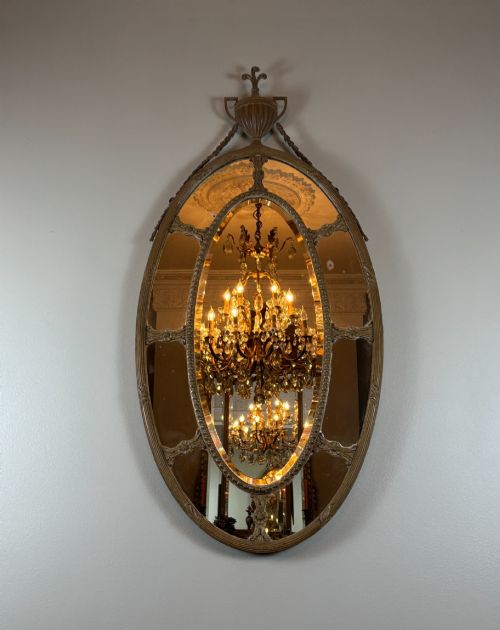
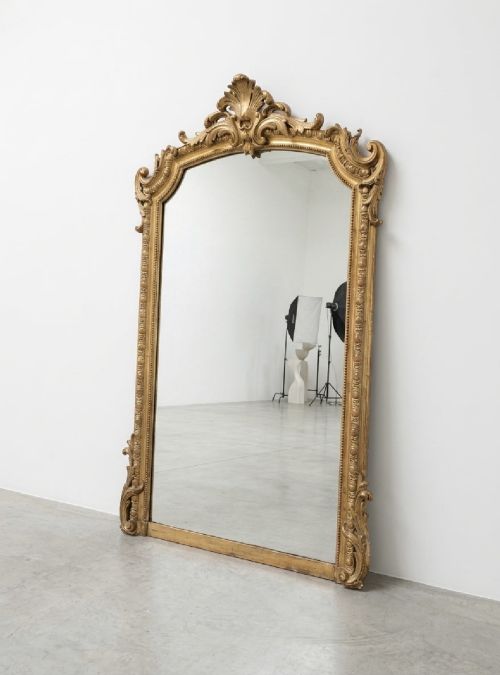
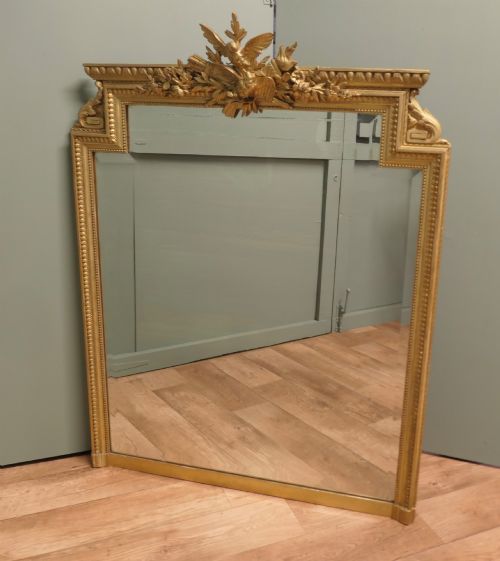
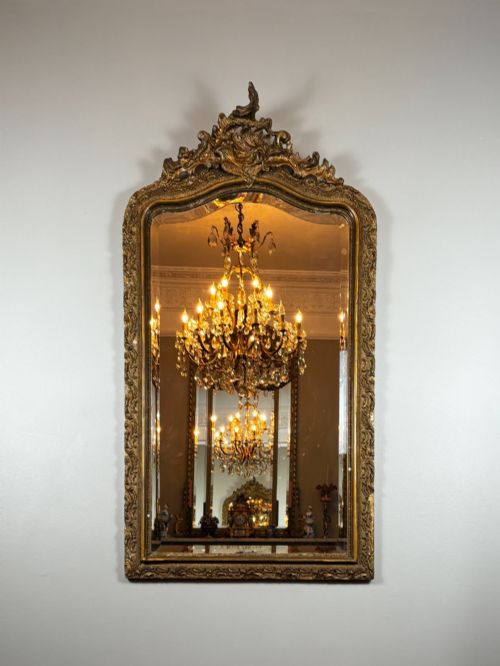
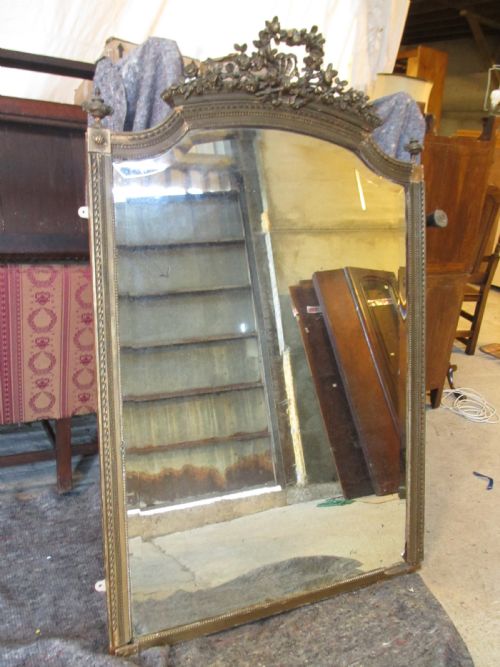
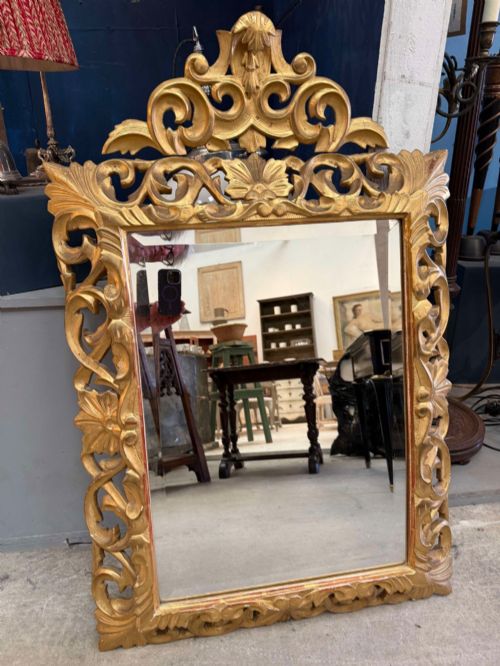
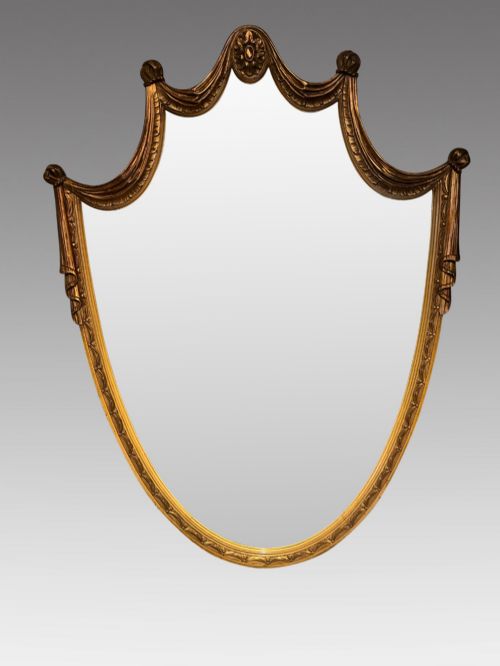
These gold framed crest mirrors and frames bring nineteenth-century ornamentation and elaborate cresting into a room.
Gold Framed Crest
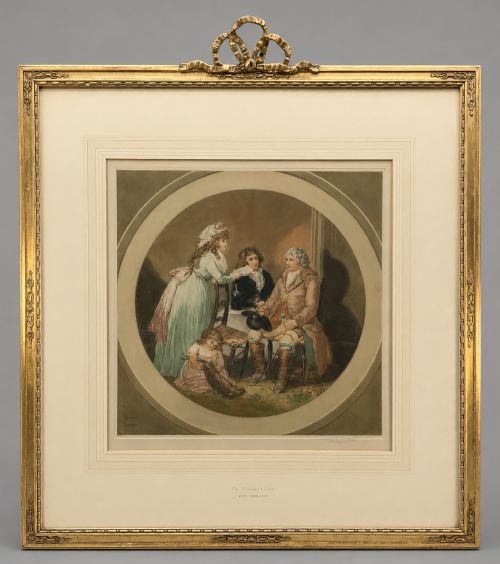
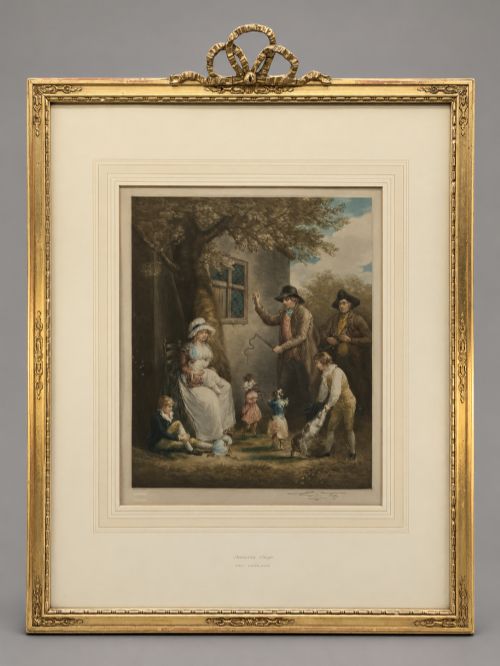
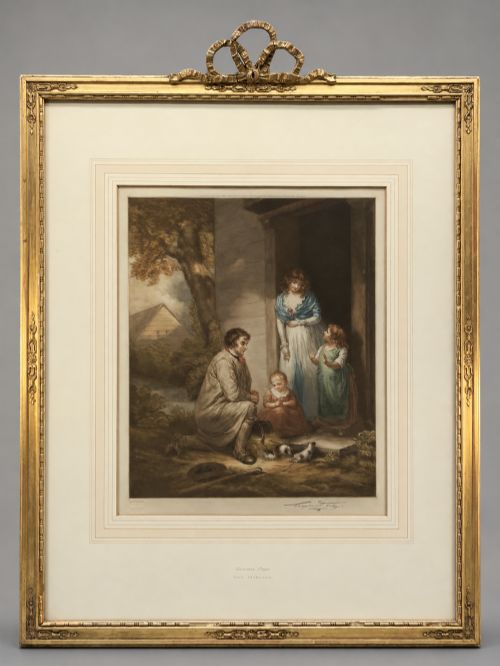
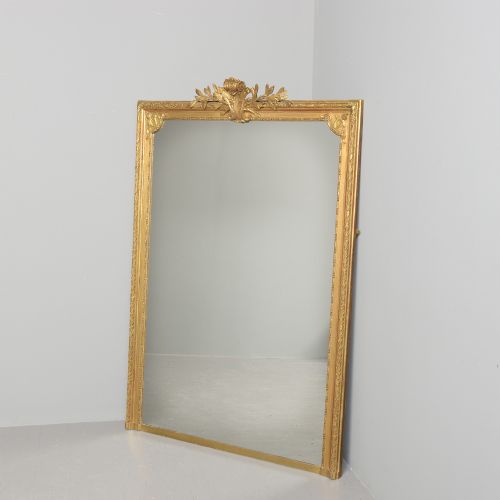
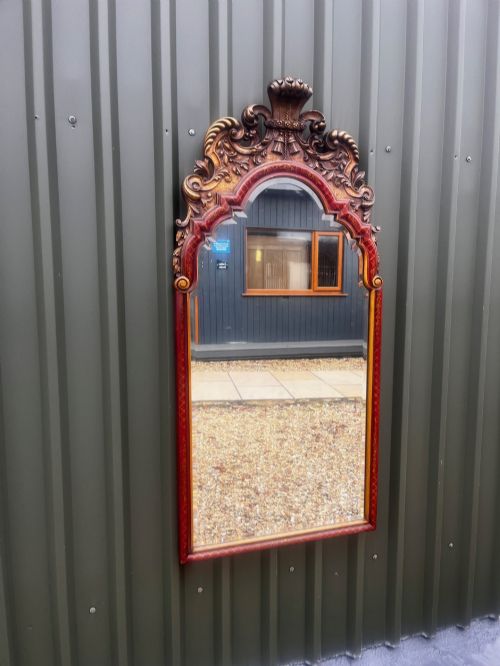
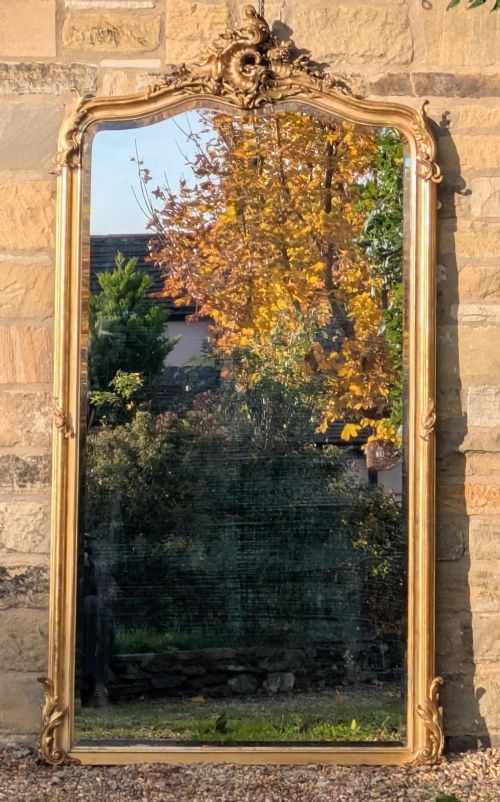
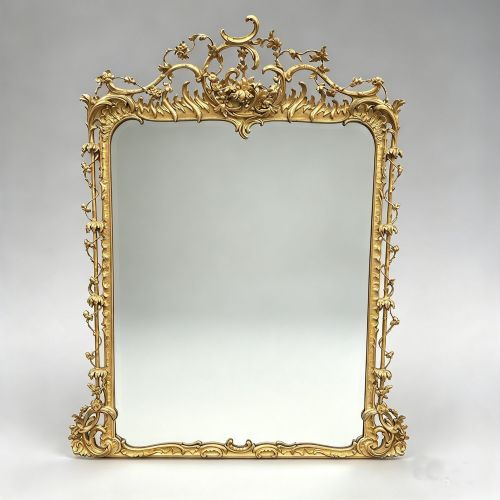
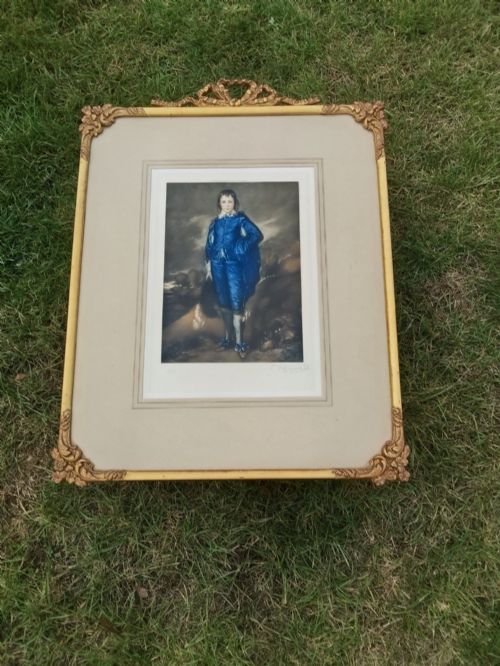
When searching for a gold framed crest, a buyer encounters large wall mirrors, overmantel mirrors, and picture frames dating predominantly from the nineteenth century. These pieces encompass Victorian, Regency, and French styles such as Louis XVI and Rococo Revival, defined by ornate crestings above the glass or panel.
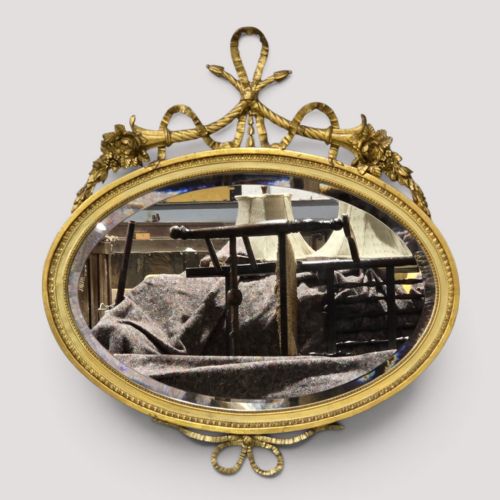
The most common versions met on this page are large arched or rectangular overmantel mirrors and wall mirrors originating from French and English workshops. They combine heavy giltwood, gesso, or gilt bronze frames with decorative top ornaments like ribbons, carved foliage, or classical motifs.
The selection ranges from tall pier mirrors and convex mirrors to smaller oval wall mirrors and picture frames. Each object carries the decorative ambition of the period, utilising gold leaf or gilt finishes to catch the light in a room.
Materials and Technique
Carpenters and carvers built the foundational structures of these pieces using timber such as wood, applying layers of gesso to create smooth surfaces for detailed carving and moulding. Composition ornament was often pressed into moulds and affixed to wooden frames to achieve complex relief patterns efficiently.
Gilders applied thin sheets of gold leaf or silver-gilt over prepared boles, or utilised water gilding techniques to achieve a bright, burnished finish on the carved details. Mirror glass, including original bevelled plates and mercury plates, was then fitted into the finished frames.
Gold Framed Crest Retail Price Guide 2026
Typical asking prices for gold framed crest among the pieces listed under this phrase on Sellingantiques today, from the lower quarter to the upper quarter. They describe what is for sale here now, not the wider market.
Some nineteenth-century mirrors proudly wear their Masonic symbols, ensuring reflected guests know the room holds secret architectural ambitions.
Determinants of Quality
The standard of a gold framed crest piece is determined by the depth and crispness of the hand-carved woodwork compared to mass-pressed composition ornament. Superior examples display sharply defined foliage, scrolls, and crests that demonstrate exceptional skill from the carver.
The integrity of the gilding and the preservation of the original surface finish separate fine examples from heavily restored pieces. Original mirror glass, such as early bevelled or mercury plates retained within the frame, adds substantial character and authenticity.
Arsène Rochette of Versailles
The Gold Framed Crest Glossary
- Giltwood
- Wood that has been coated with gold leaf or a gold-coloured finish. This material forms the primary structure of many ornate nineteenth-century frames and mirrors.
- Gesso
- A plaster-like mixture applied to wood frames to create a smooth surface for gilding and low-relief carving. It allows craftsmen to model intricate details before applying gold leaf.
- Overmantel mirror
- A large mirror designed specifically to hang above a fireplace mantelpiece. These pieces often feature elaborate cresting to fill the vertical space on the wall.
- Water gilding
- A traditional technique where gold leaf is applied to a wet clay bole, allowing parts of the gold to be burnished to a high shine. This method creates a brilliant metallic lustre.
- Convex mirror
- A circular mirror with an outward-curving glass surface that offers a wide-angle reflection of the room. They are frequently framed in giltwood with decorative balls or reeded bezels.
Gold Framed Crest: Frequently Asked Questions
Where were overmantel mirrors placed?
Overmantel mirrors were traditionally hung on the chimney breast directly above the fireplace mantelpiece. Their large proportions helped to reflect light from fires and windows across the room.
Today, they function similarly in living spaces, either mounted above fireplaces or leaned against tall walls as leaner mirrors.
How do I identify a nineteenth-century frame?
Nineteenth-century frames show distinct construction methods, such as hand-carved wood combined with gesso and composition ornaments. Examining the backboards, joinery, and the type of gilding reveals the age of the piece.
Original glass plates, including bevelled edges or early mercury silvering, also point toward nineteenth-century manufacturing techniques.
How do I care for giltwood?
Giltwood requires gentle dusting with a soft, dry brush to prevent damage to the delicate gold leaf layer. Moisture and chemical cleaners should be strictly avoided, as they strip the historical finish.
Keeping the piece away from direct sunlight and dramatic humidity changes protects both the wooden substrate and the gesso preparation.