



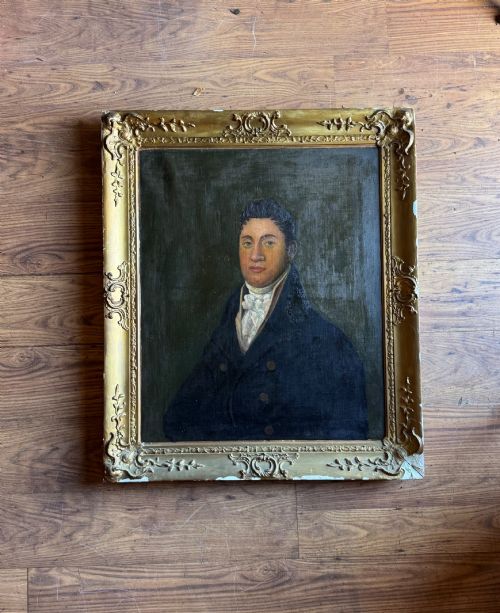
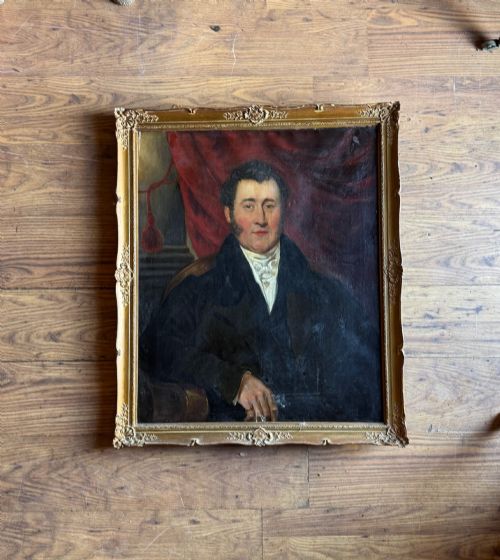
Gold Framed Canvases
Gold framed canvases bring together centuries of oil painting and decorative woodwork, offering rooms a strong focal point of history and depth.
Gold Framed Canvases
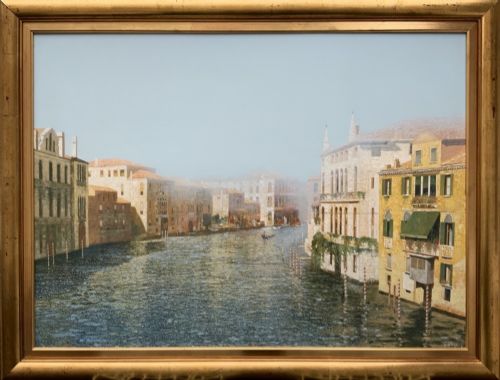
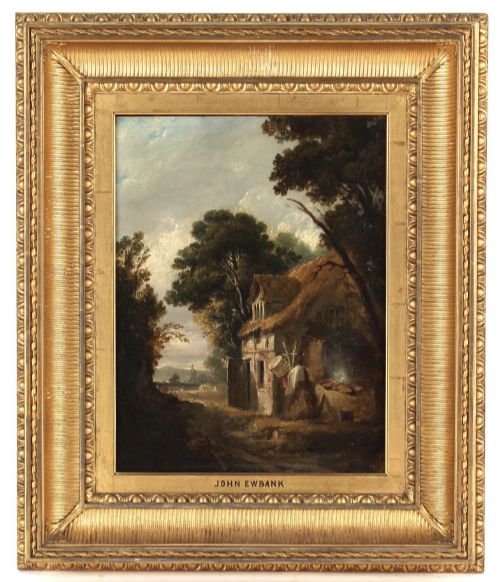
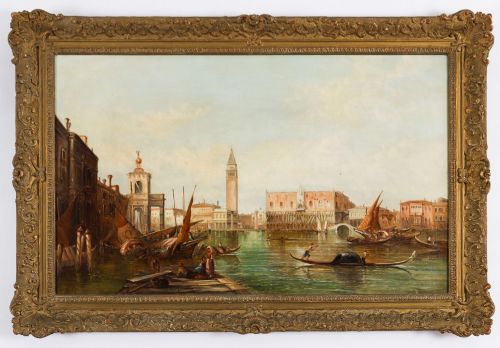
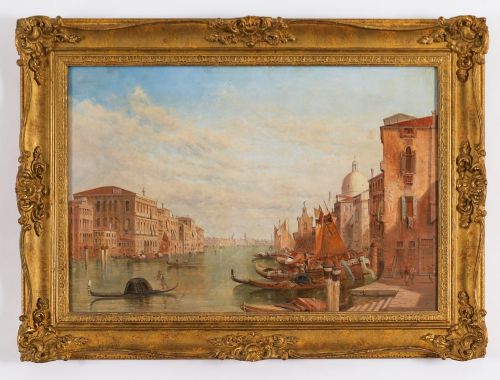
Gold framed canvases are oil paintings stretched over canvas supports and housed within decorative wooden surrounds finished with metallic leaf or gesso. When searching for gold framed canvases, collectors encounter works ranging from seventeenth-century portraits to mid-twentieth-century landscapes.
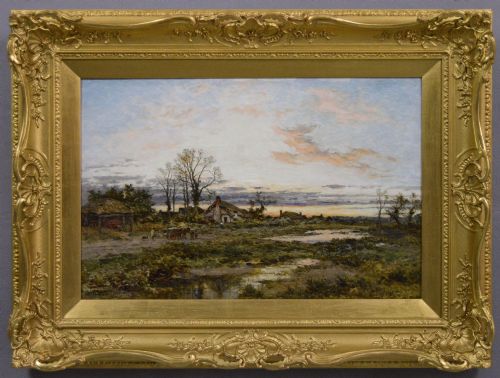
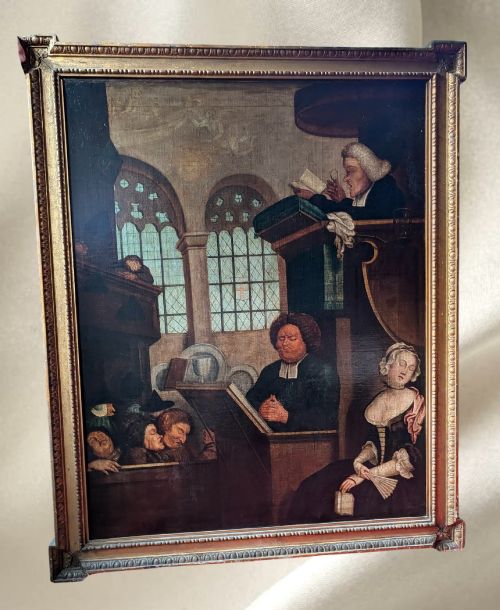
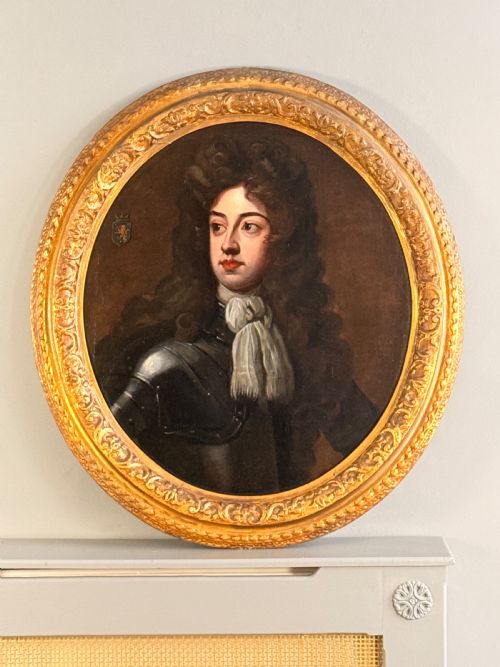
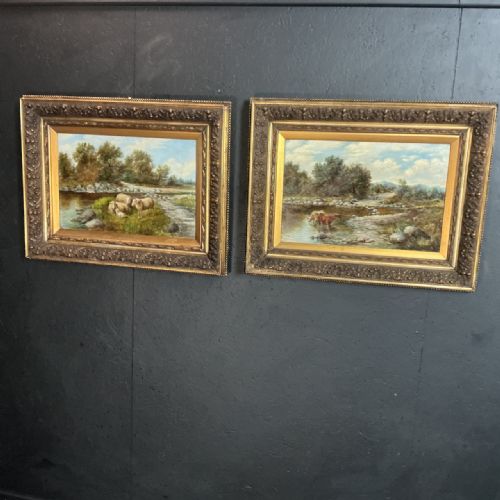
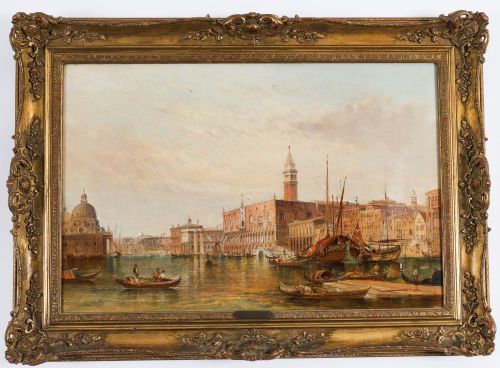
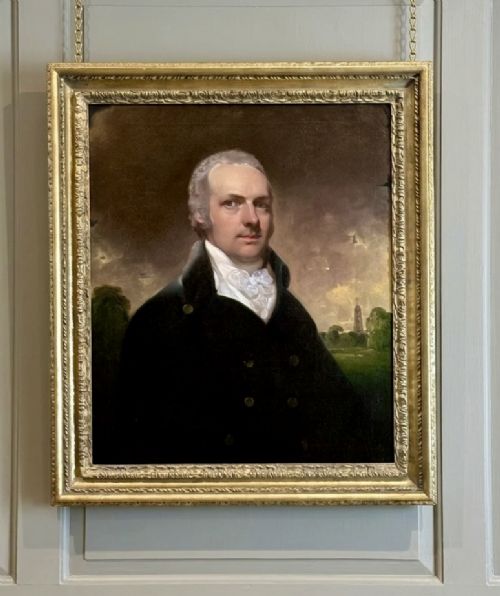
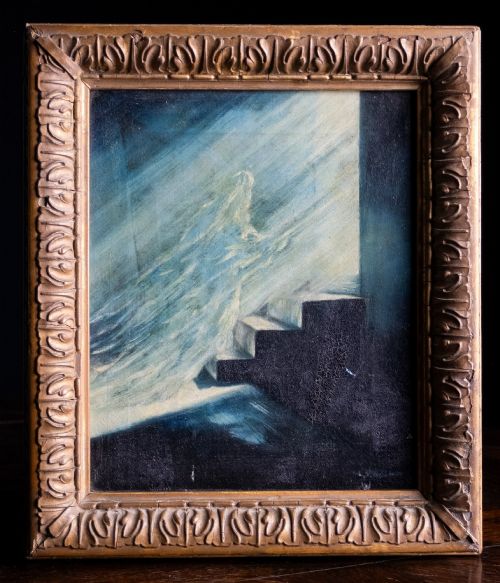
The pieces on this page span the seventeenth, eighteenth, nineteenth, and twentieth centuries, encompassing styles from the Dutch Golden Age and French Baroque to Victorian realism and mid-century modernism. Portraits, rural scenes, equestrian studies, and landscapes dominate the selection.
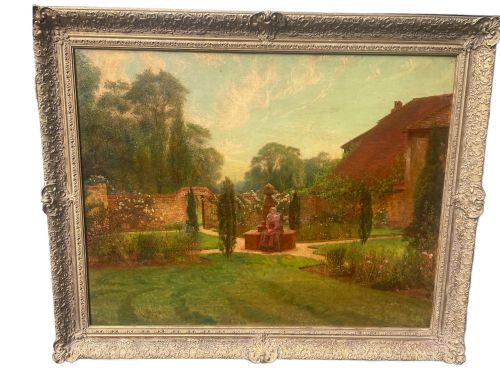
Buyers are most likely to meet nineteenth-century oil paintings and twentieth-century decorative canvases framed in ornate wood and gilt. These span domestic British scenes, European landscapes, and studio portraits.
How They Were Made
Painters applied oil paint to stretched canvas substrates using fine bristles, building pigment layers to achieve depth and luminosity. The supporting stretcher frames were constructed from seasoned timber to maintain canvas tension over decades.
The surrounding frames utilise wood carved or moulded into profile shapes, then coated with gesso as a smooth preparation layer for gold leaf or metallic application. Artisans burnished the gold surfaces to create varied matte and reflective textures.
Gold Framed Canvases Retail Price Guide 2026
Typical asking prices for gold framed canvases among the pieces listed under this phrase on Sellingantiques today, from the lower quarter to the upper quarter. They describe what is for sale here now, not the wider market.
Among the portraits of nobility and historic landscapes, several pieces capture cats, spaniels, and farmyard horses gazing directly outward.
What Varies in Quality
Quality rests in the execution of the painted surface, where anatomical precision, brushwork control, and atmospheric composition separate master works from standard studio output. Period frames matching the age and scale of the canvas also elevate the integrity of the piece.
The depth of the gesso moulding and the purity of the gold leaf applied to the timber frame indicate the original workshop investment. Intricate hand-carved wooden ornamentations command higher regard than mass-moulded composition decoration.
Sir Godfrey Kneller·John Syer RI·Adolf Johann Höffler·William Ayerst Ingram·Robert Gallon·Pieter Cornelis Steenhouwer·Francis Lindo·Michiel van Musscher·George F. Bird·Alonso Perez·Sebastiano del Piombo·Raphael·Lionel Ellis·William Langley·Jacob Philipp Hackert·Sushila Singh·Samuel Joseph Clark·Sir Thomas Lawrence·Edward Holmes RBA
The Gold Framed Canvases Glossary
- Giltwood
- Wood that has been coated with a thin layer of gold leaf or gold powder. This finish protects the timber base while providing a bright metallic sheen.
- Gesso
- A plaster mix of chalk, gypsum, and binder used to coat wooden frames. It creates a smooth surface ready for gilding and fine detailing.
- Oil on Canvas
- Pigment mixed with drying oil applied to a woven fabric support. This combination allows for flexible blending and rich colour depth.
- Stretcher Frame
- The internal wooden structure that holds the canvas taut. Proper construction prevents sagging and preserves the painted surface.
- Baroque
- An artistic style spanning the seventeenth and eighteenth centuries characterised by drama, rich detail, and dynamic movement. Works from this era often feature deep chiaroscuro lighting.
Gold Framed Canvases: Frequently Asked Questions
How do I hang a heavy gold framed canvas securely?
Heavy gold framed canvases require robust wall fixings anchored directly into masonry or wooden studs using heavy-duty picture hooks and steel wire. Ensure the weight is distributed evenly across two points to maintain stability.
Avoid hanging large oil paintings in areas subject to dampness or direct sunlight, as fluctuations in temperature affect both the canvas tension and the integrity of the giltwood frame.
How can I tell the period of a canvas frame?
Older frames exhibit hand-carved wooden mouldings, traditional joinery at the corners, and layered gesso that shows natural shrinkage cracks over time. Mid-century and later examples often use machine-extruded compo ornamentation.
Matching the wood type and ageing patterns on the reverse of the frame to the estimated date of the oil painting helps confirm if the pairing is original.
What subjects are most common in these paintings?
Portraits of military gentlemen, nobility, and children dominate the seventeenth and eighteenth-century selections, reflecting historical patronage. Landscapes, farmyard scenes, and domestic animals become more prominent in Victorian and later works.
Dutch winter scenes, equestrian portraits, and coastal views also appear frequently across nineteenth and twentieth-century listings.