

Gold Flower Engagement Ring
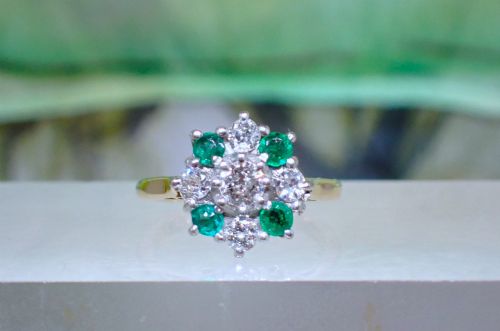
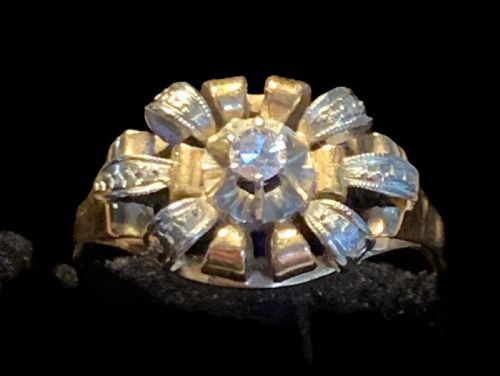
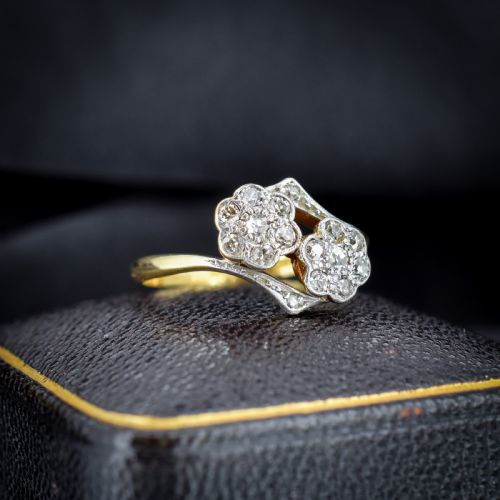
A gold flower engagement ring gathers diamonds and coloured stones into a floral cluster that sits low on the hand.
Gold Flower Engagement Ring
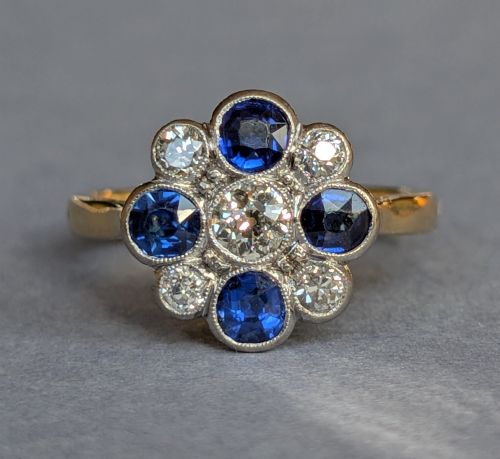
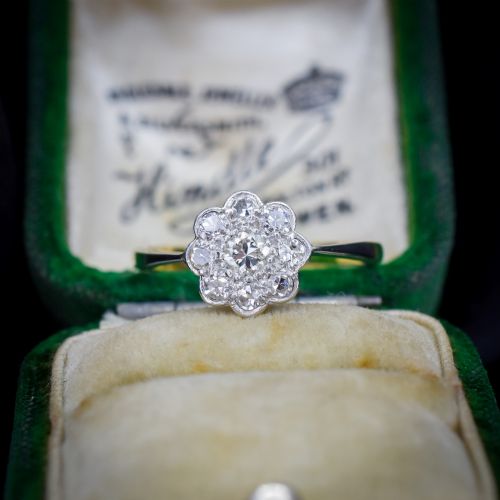
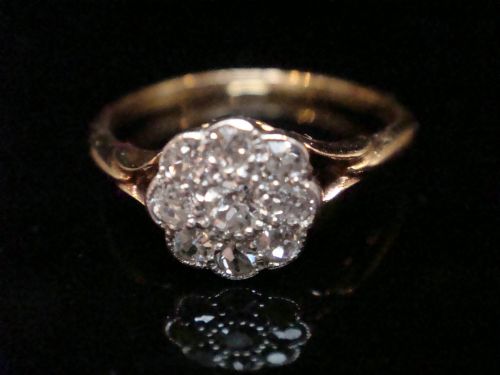
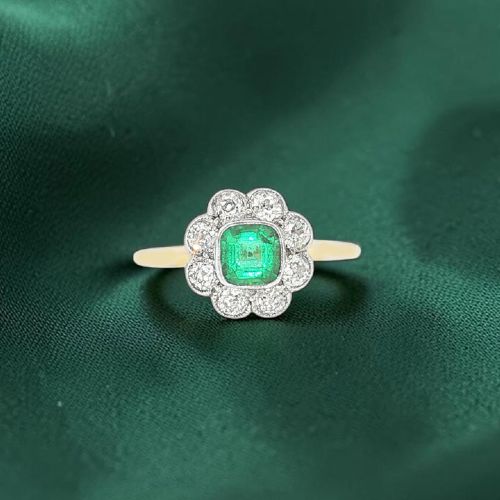
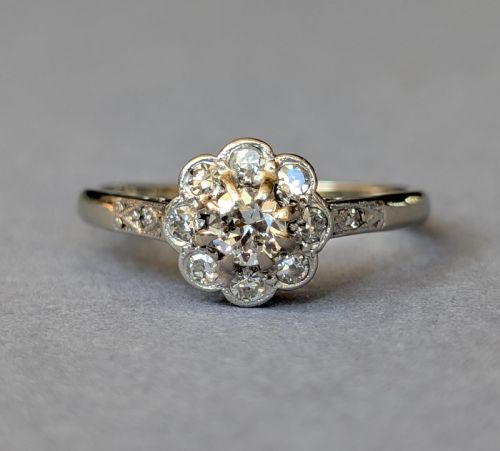
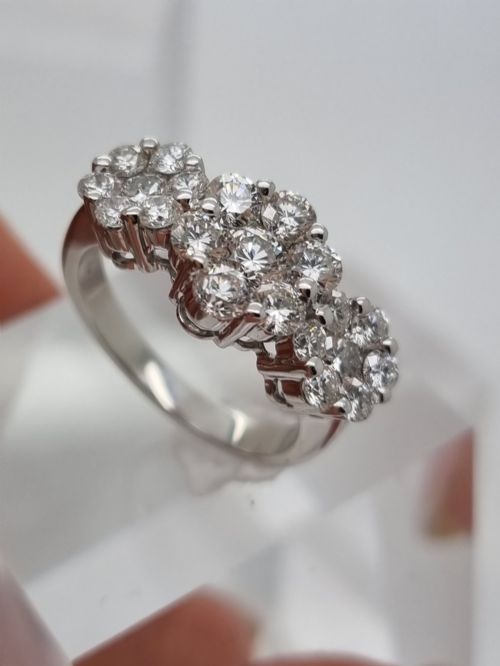
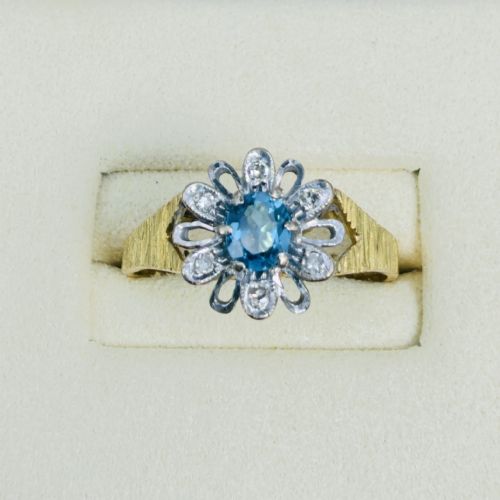
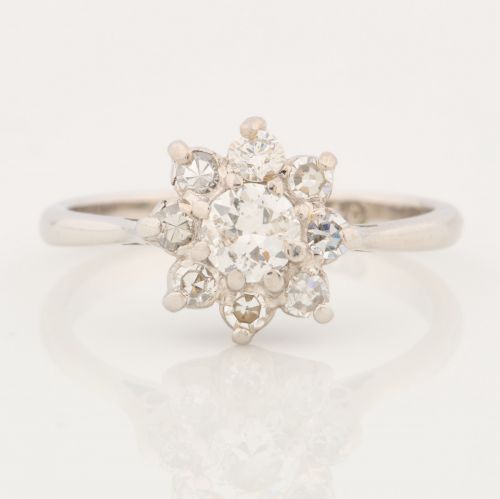
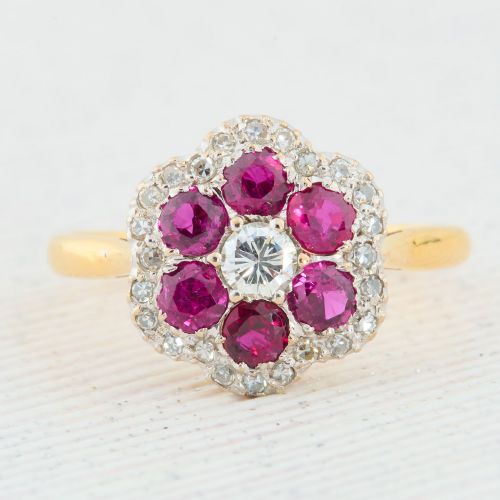
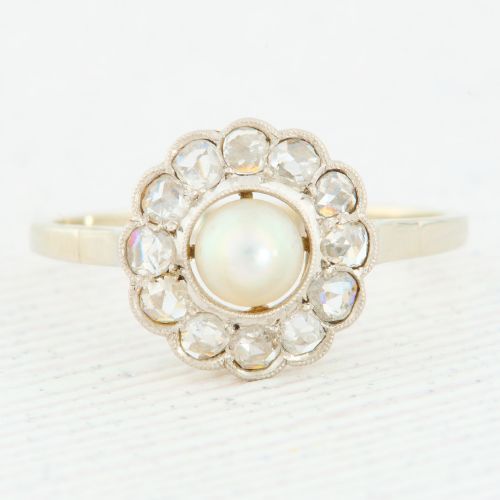
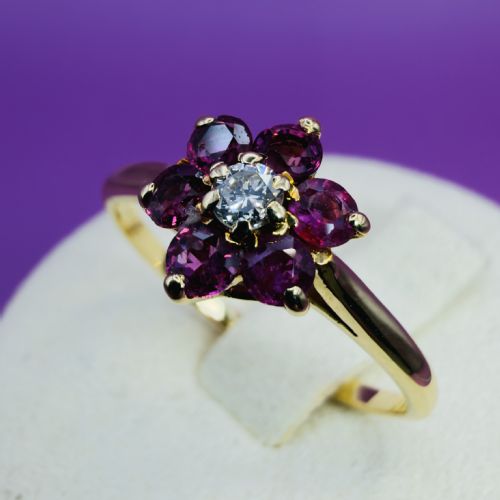
A gold flower engagement ring typically takes the form of a cluster or daisy motif, arranging a central stone surrounded by petal-like gems. These pieces span the Victorian, Edwardian, Art Deco and mid-century periods, capturing organic floral shapes in precious metal.
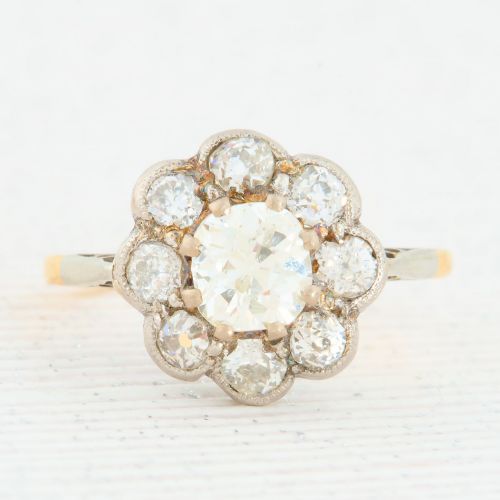
The version most commonly met on this page is the 18ct gold and platinum cluster ring, often set with old-cut diamonds or sapphires. Such rings rely on a central gem framed by smaller stones to create the silhouette of a blossom.
Originating across British, French and Italian workshops, these rings reflect distinct regional jewellery traditions from the late nineteenth century through to the mid-twentieth century. The overarching design unites diverse periods through a shared botanical inspiration.
How they were made
Goldsmiths utilised 18ct yellow gold, 18ct white gold and platinum to construct the mounts for these floral rings, frequently combining yellow gold shanks with platinum settings to enhance the brilliance of white stones. This mixed-metal technique is particularly prevalent in Edwardian and Art Deco examples.
Stones such as diamonds, sapphires, rubies, emeralds and pearls were hand-set into cluster formations, relying on closely grouped claws or bezels to define the petal outlines. The selection of old-cut diamonds and natural coloured gemstones dictates the character of each individual flower motif.
Materials recur across multiple decades, pairing 18ct yellow and white gold with platinum, diamonds, emeralds, rubies and sapphires.
What varies in quality
The finesse of the metalwork distinguishes superior examples, particularly where platinum claws or millegrain edges articulate each individual petal with precision. Heavier, more robust mountings generally indicate a higher standard of original craftsmanship.
Stone selection and matching determine the upper tier of the range, where uniform colour saturation in sapphires, rubies or emeralds meets well-matched diamond weight and clarity. The harmony between the central stone and the surrounding cluster dictates the visual impact of the ring.
The Gold Flower Engagement Ring Glossary
- Cluster ring
- A ring design featuring a central stone encircled by a border of smaller gemstones. This configuration forms the basis of the floral motifs seen across these listings.
- Old-cut diamond
- A diamond cut by hand before the advent of modern machinery, typically possessing a smaller table and a higher crown. These stones exhibit distinctive soft light refraction.
- Millegrain
- A decorative technique consisting of a fine line of small raised metal beads along the edge of a setting. This method adds textural detail to Edwardian and Art Deco pieces.
- Daisy cluster
- A specific floral cluster arrangement comprising a round central stone bordered by evenly spaced round petals. The style mimics the simple geometry of a common field flower.
Gold Flower Engagement Ring: Frequently Asked Questions
What periods do these rings date from?
These rings originate from multiple eras, spanning the Victorian, Edwardian, Art Deco and mid-century decades. Each period introduces subtle shifts in mounting style and gemstone selection.
Victorian and Edwardian examples often pair yellow gold with platinum, while Art Deco pieces favour geometric precision and white metal settings.
How do I care for a vintage floral ring?
Gentle cleaning with warm soapy water and a soft brush maintains the metal and stones without damaging delicate settings. Regular inspection by a professional jeweller ensures the claws remain secure.
Avoid wearing such rings during heavy manual work to protect the older gold alloys and gemstone settings from unnecessary impact.
Are all these rings made of 18ct gold?
The majority of pieces utilise 18ct yellow or white gold, frequently combined with platinum for the stone settings. A small number of listings feature alternative gold purities such as 9ct.
The choice of metal often reflects the period of manufacture, with platinum-topped gold being a hallmark of Edwardian craftsmanship.
What gemstones appear besides diamonds?
Sapphires, rubies, emeralds and pearls frequently serve as focal points or petal accents alongside diamonds. These coloured stones define the botanical character of the cluster.
Deep blue sapphires and rich red rubies are particularly common in pieces from the early twentieth century onwards.