

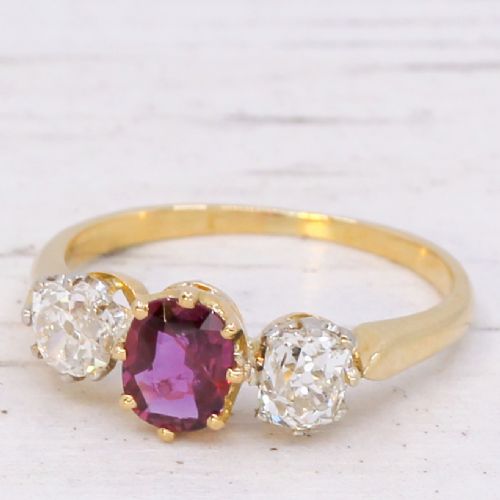

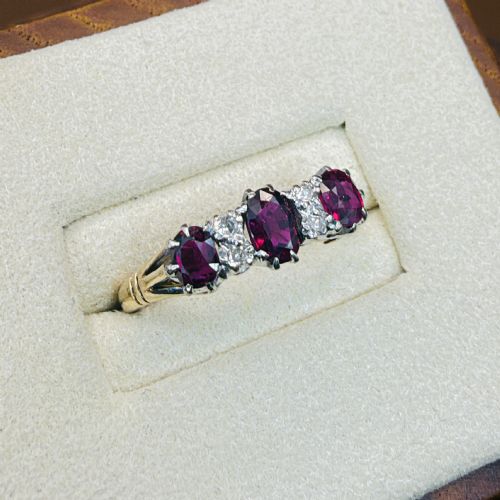
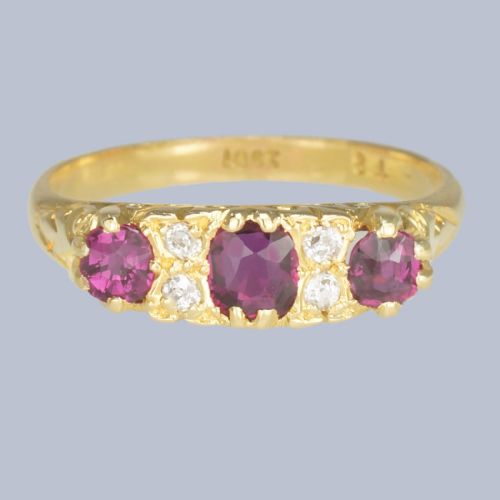
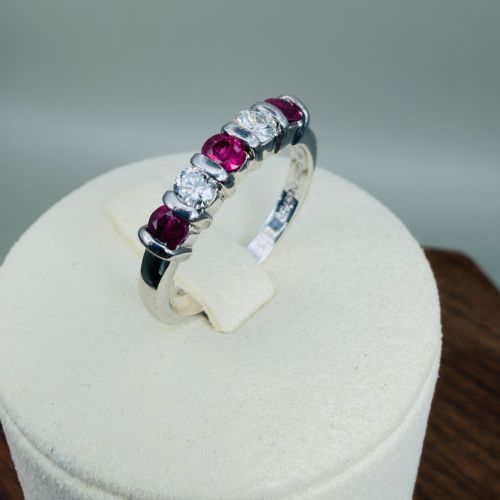
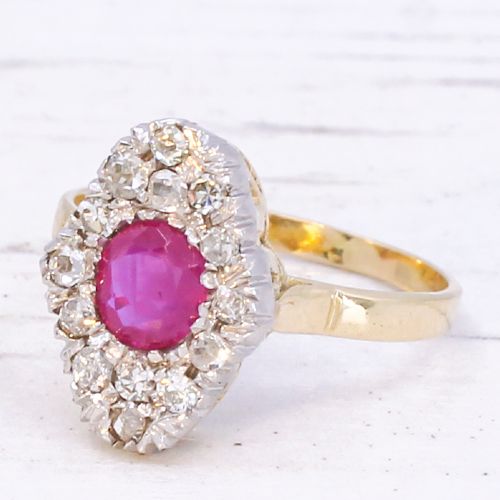


Gold Dress Ring Red Stone
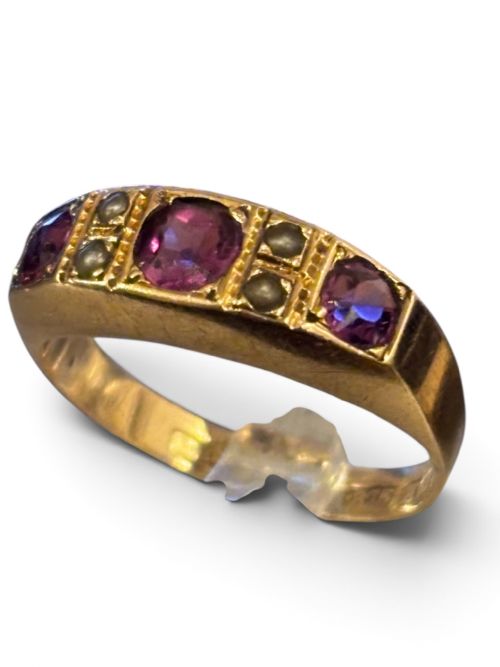
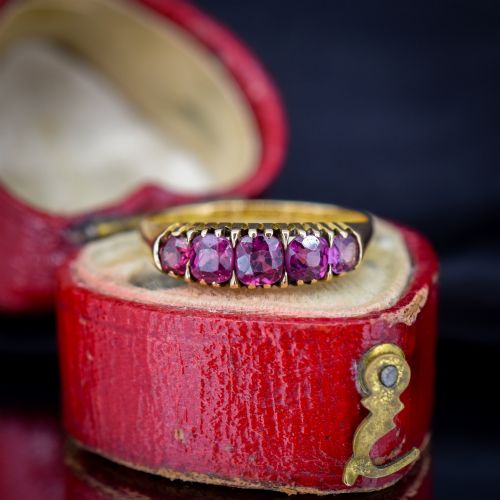
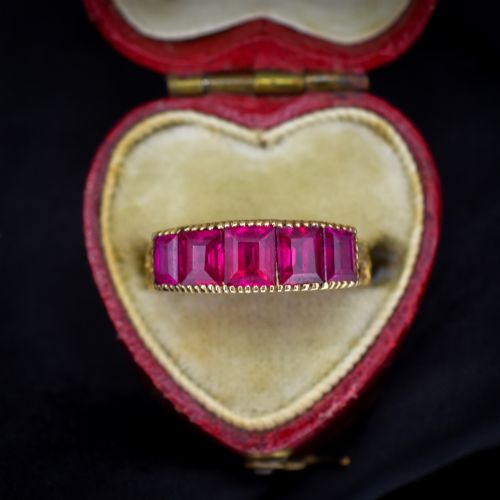
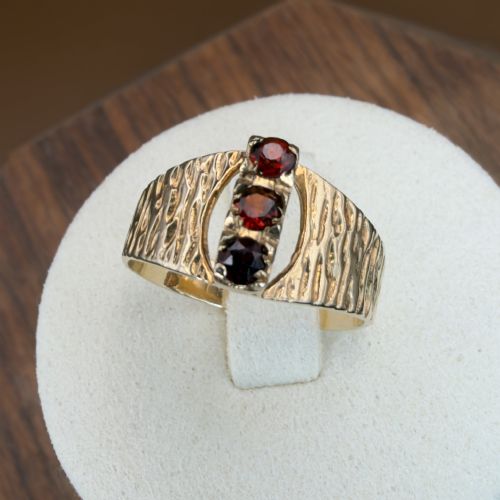
A gold dress ring red stone brings together warm precious metals and vibrant crimson gems in designs spanning from the Victorian era to the mid-century.
Gold Dress Ring Red Stone
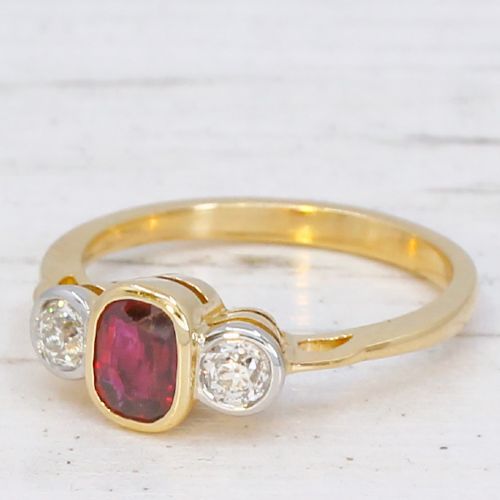
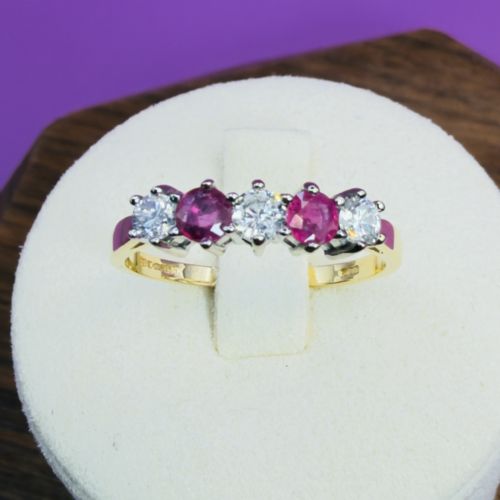
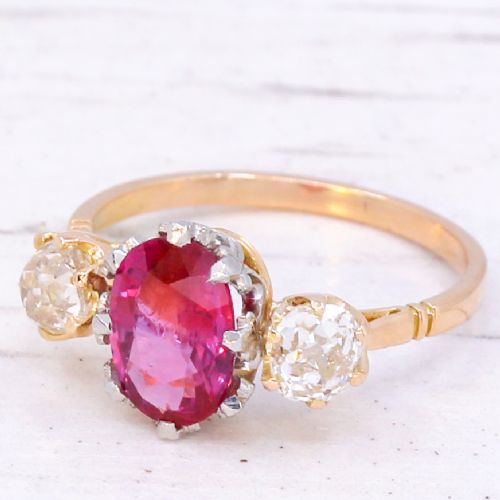
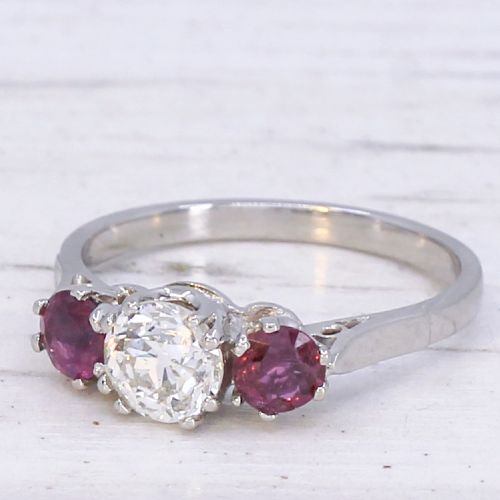
When someone searches for a gold dress ring red stone, they encounter a selection of finger jewellery that predominantly pairs yellow or white gold with red gemstones like rubies, garnets, and carnelians. These pieces emerge from periods including the nineteenth century, the Edwardian years, and the Art Deco era.
The forms span cluster rings, three-stone trilogies, five-stone bands, and gypsy settings, reflecting the shifting fashions of past decades. Buyers frequently meet pieces set with old-cut diamonds alongside the central red stone, following traditional arrangements of the late Victorian and mid-century periods.
Originating from workshops in Britain and beyond, these rings showcase the enduring appeal of pairing coloured stones with durable precious metals. Each era brings distinct structural characteristics, from intricate carved half-hoops to clean geometric lines.
Materials and Construction
The construction relies heavily on 9ct and 18ct gold, sometimes in white variations, paired with platinum highlights to secure the stones. Gemstones are meticulously set using claw, starburst, or flush techniques designed to maximise light entry.
Makers utilised traditional hand-tooling methods, evident in the bark effect textures and detailed shoulders seen on mid-century and Victorian examples. Old-cut diamonds and unheated rubies are integrated alongside garnets and spinels, held firmly within solid precious metal mounts.
Gold Dress Ring Red Stone Retail Price Guide 2026
Typical asking prices for gold dress ring red stone among the pieces listed under this phrase on Sellingantiques today, from the lower quarter to the upper quarter. They describe what is for sale here now, not the wider market.
Materials recorded in current items include 9ct and 18ct gold, platinum, diamonds, rubies, garnets, spinels, and carnelians.
Assessing the Craftsmanship
Quality rests in the precision of the stone setting and the integrity of the gold work, distinguishing finely hand-finished pieces from simpler production. The clarity and natural origin of the red stones, alongside the cut and brilliance of accompanying old-cut diamonds, define the upper tier of the range.
Subtleties in the weight of the gold mount and the crispness of period details, such as carved shoulders or starburst engravings, separate standard examples from superior expressions of historical jewellery.
The Gold Dress Ring Red Stone Glossary
- Gypsy ring
- A style where the stones are flush-set directly into the tapered metal band, popular in the late nineteenth century.
- Old cut
- A traditional diamond cutting style featuring a smaller table and higher crown, prevalent in pieces predating modern brilliant cuts.
- Trilogy ring
- A three-stone setting symbolising past, present, and future, often combining a central red stone with side diamonds.
- Cluster ring
- An arrangement where a central red stone is surrounded by a border of smaller diamonds or contrasting gems.
- Carved half hoop
- A ring band featuring decorative sculptural carving along the upper half of the gold shank.
Gold Dress Ring Red Stone: Frequently Asked Questions
How do I care for a vintage gold dress ring red stone?
Clean these rings gently using warm soapy water and a soft brush, avoiding harsh chemical dips that might harm softer red stones like garnets.
Store each piece separately in a fabric-lined box to prevent the diamonds from scratching the softer gold bands or coloured gems.
Can I wear an antique gold dress ring every day?
Most sturdier 18ct gold and platinum settings handle daily wear well, provided the stone settings are checked periodically by a professional jeweller.
Delicate Edwardian or Victorian pieces with fine claws benefit from more mindful, occasional wear to preserve their historical integrity.
What is the difference between a ruby and a garnet in these rings?
Rubies are a variety of corundum known for exceptional hardness and vibrant fluorescence, whereas garnets are a distinct mineral group with a deep, earthy red hue.
Victorian and mid-century makers utilised both stones depending on the desired colour saturation and the budget of the original buyer.
How do I identify the period of my ring?
Look to the overall silhouette, such as the geometric symmetry of Art Deco pieces or the organic floral motifs of the Edwardian era.
Maker marks, gold purity stamps, and assay office symbols stamped inside the band provide definitive clues to the exact year of creation.