







Gold Dress Cufflinks
Gold dress cufflinks are sophisticated gentlemen's fastenings that elevate formal attire with precious metals, enamel and gemstones.
Gold Dress Cufflinks
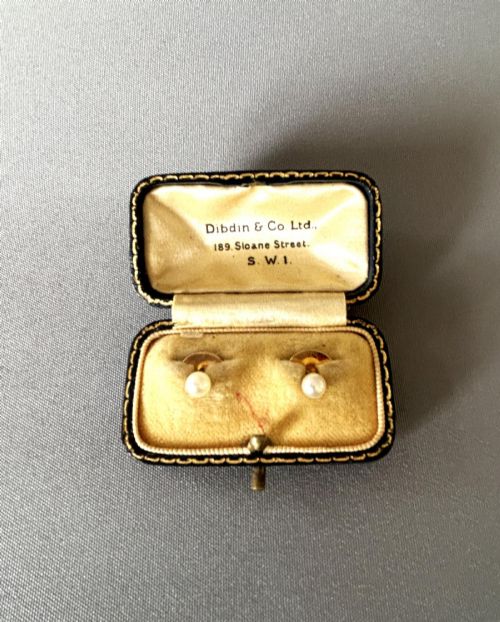
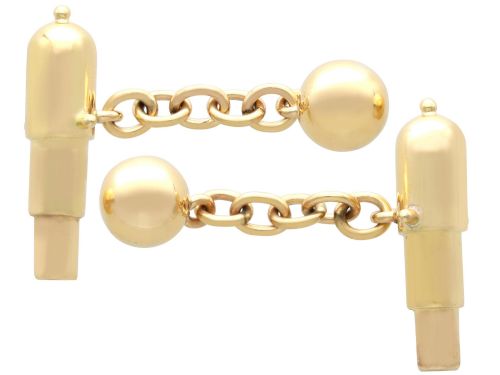
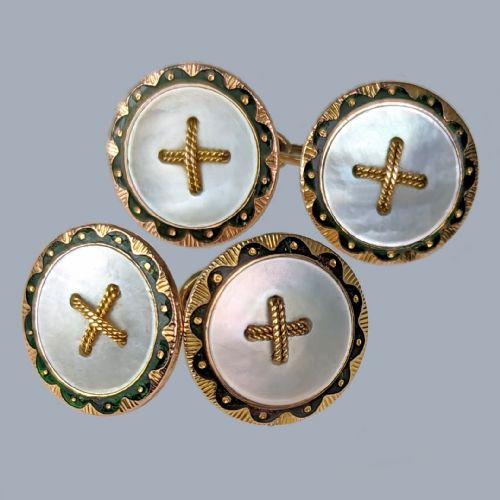
Gold dress cufflinks are refined fasteners designed for formal shirts, appearing across various historical periods from the Victorian era through the mid-twentieth century. These pieces frequently incorporate precious materials and distinct stylistic traits associated with Edwardian elegance, Art Deco geometry and Victorian sentimentality.
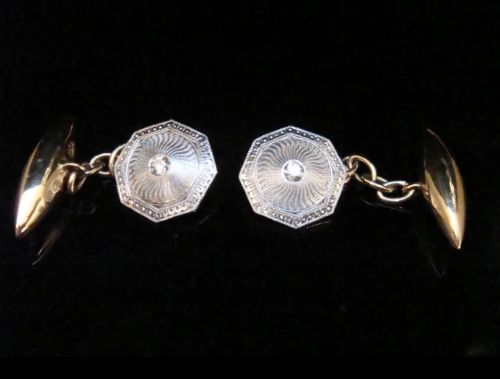
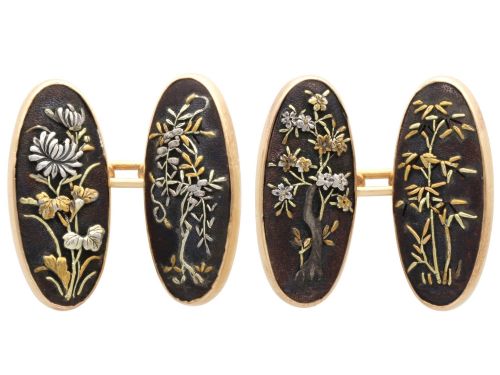
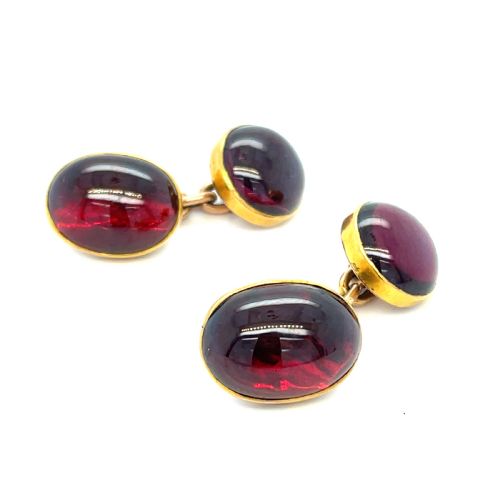
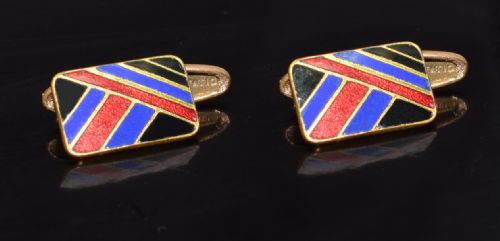
Buyers meeting these items on this page will encounter a diverse selection of forms, with 9ct and 18ct yellow gold frequently framing decorative elements like mother of pearl, enamel and gemstones. Edwardian and Art Deco examples dominate the available inventory, displaying either delicate botanical motifs or sharp, modernist geometric lines.
The objects serve a practical function while acting as miniature works of art, often preserved from periods when formal evening wear demanded meticulous accessorising. Originating from British workshops, French makers and various international origins, these items reflect the shifting aesthetic preferences of well-dressed gentlemen over more than a century.
Materials and construction
Goldsmiths utilised 9ct and 18ct yellow or white gold as the primary structural foundation for these fasteners, often combining the precious metal with platinum for enhanced durability in settings. The selection of metals reflects the period of manufacture, from heavy Victorian yellow gold to the crisper white gold alloys favoured in later decades.
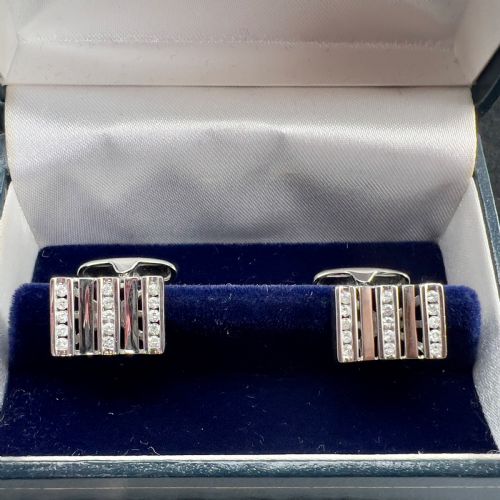
Surface ornamentation relied on meticulous techniques such as vitreous enamelling, hand-carving banded agate, and flush-setting small diamonds, sapphires, or pearls. Artisans secured organic materials like mother of pearl and Essex crystal within metal bezels, frequently employing double-sided mechanisms to display decorative faces on both ends of the cuff.
Gold Dress Cufflinks Retail Price Guide 2026
Typical asking prices for gold dress cufflinks among the pieces listed under this phrase on Sellingantiques today, from the lower quarter to the upper quarter. They describe what is for sale here now, not the wider market.
Listings feature 9ct and 18ct gold pieces incorporating materials from banded agate to sapphire, spanning the Victorian era through the mid-twentieth century.
Defining quality
The distinction between standard examples and superior pieces rests upon the precision of the hand-applied enamel, the clarity and selection of the gemstones, and the crispness of the original metal engraving. Master goldsmiths achieved tighter tolerances in hinge mechanisms and more harmonious proportions between the decorative face and the connecting bar.
Provenance and maker attribution elevate certain items above anonymous production, particularly when associated with recognised workshops or bearing clear provincial hallmarking. The integrity of preserved organic elements, such as undamaged mother of pearl or unblemished enamel work, dictates the overall standing of an individual pair.
Solomon Blanckensee Son·Taye Kenning Spencer Ltd·Abraham Meyer Blanckensee
The Gold Dress Cufflinks Glossary
- Enamel
- A glassy substance fused to metal through high-temperature firing to add vibrant colour and pattern. This technique created durable decorative surfaces on Edwardian and Art Deco pieces.
- Essex crystal
- A convex rock crystal carved and painted on the flat reverse side to create a three-dimensional illusion. These miniature paintings frequently depicted animals, crests or lodge emblems.
- Hallmark
- An official stamp applied to precious metals indicating purity, origin and maker. British items often display specific town marks and date letters alongside the gold standard.
- Cabochon
- A gemstone shaped and polished with a smooth, rounded dome rather than faceted cuts. This style highlights the natural patterns of materials like banded agate and garnet.
- Double-sided
- A cufflink construction featuring decorative faces connected by a rigid bar or chain rather than a simple T-bar pivot. This traditional format ensures the accessory looks finished from every angle.
Gold Dress Cufflinks: Frequently Asked Questions
How do I wear antique cufflinks?
These fasteners slide through the buttonholes of French cuff shirts, securing the fabric together with the decorative face outward. Double-sided versions require passing both ends through the cuffs manually.
For evening wear, pair them with matching shirt studs made from similar materials like mother of pearl or enamel to maintain a cohesive formal appearance.
Are these suitable for daily wear?
While originally built for durability, antique fasteners featuring delicate enamel or organic materials require gentle handling during normal use. Storing them properly prevents unnecessary scratching against other items.
Reserving them for formal occasions or special events preserves the fragile surfaces and intricate metalwork for years to come.
How do I date my cufflinks?
Examine the metal components for official hallmarks, which often include specific symbols indicating the exact year of assay and the workshop responsible. Stylistic clues such as geometric Art Deco motifs or Edwardian filigree also point to specific decades.
Comparing the construction methods, such as the shape of the connecting bars and toggle mechanisms, helps narrow down the period of manufacture.
What is regimental jewellery?
Regimental pieces incorporate specific military crests, colours or insignia associated with particular armed forces units. These items were often commissioned by officers to mark service or affiliation.
They carry historical significance and offer a glimpse into the personal loyalties of the original owner.