



Gold Dress Brooch
A gold dress brooch brings together precious metals and stones in wearable miniature art spanning several centuries of craftsmanship.
Gold Dress Brooch
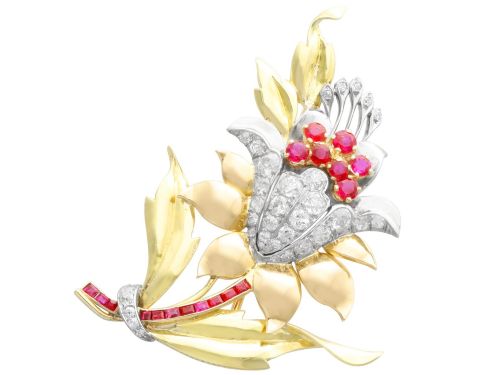
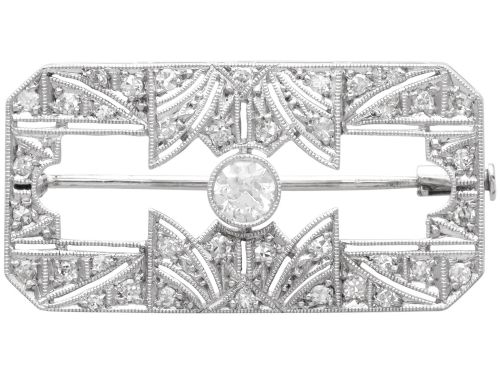
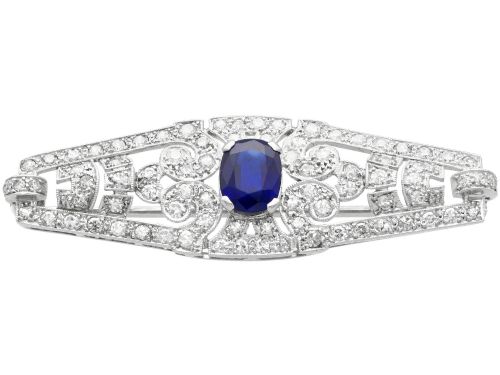
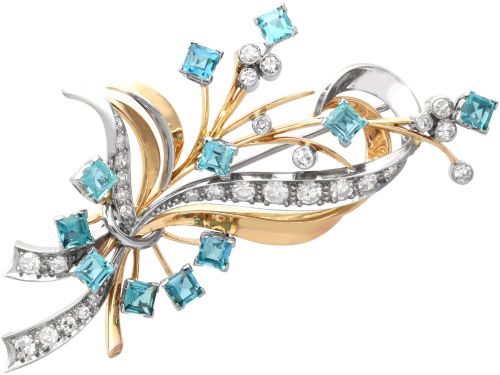
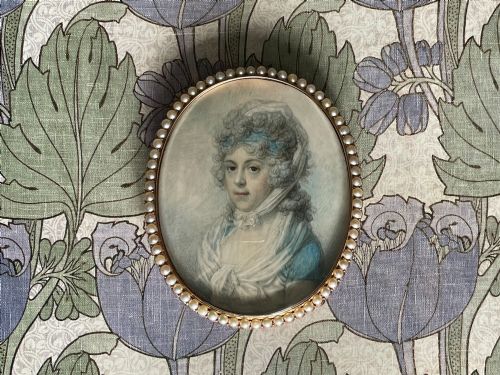
Victorian and Edwardian iterations frequently incorporate foliate motifs, pearls, and rubies, while 1920s and 1930s examples lean towards white gold and platinum settings housing diamonds and onyx. Mid-century spray brooches introduce large aquamarines, amethysts, and emeralds paired with yellow and white gold. Buyers encounter everything from delicate portrait miniatures to robust chatelaine attachments.
Georgian and late Victorian versions often utilise silver-topped gold settings to enhance the brilliance of old-cut diamonds and paste stones. French pieces from the early twentieth century demonstrate precise platinum work atop 18ct gold structures. Each era brings distinct fastenings and weight distributions suited to different fabrics.
Materials and construction methods
Metals span 9ct, 14ct, 15ct, and 18ct yellow, white, and rose gold, frequently combined with platinum or silver-topped sections. The practice of mounting silver over gold during the Georgian and Victorian periods allowed white metal surfaces to hold old-cut diamonds without tarnishing the wearer's clothing. Platinum emerged strongly by the 1920s for its strength in fine geometric settings.
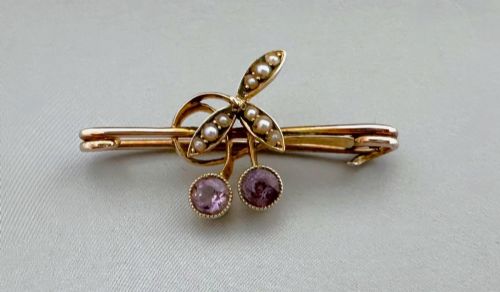
Gemstone selection includes diamonds, sapphires, rubies, emeralds, pearls, amethysts, aquamarines, and rock crystal quartz, secured via prong, bezel, or pavé techniques. Bar brooches often align graduated stones along a linear gold frame, while cluster and spray brooches utilise organic wirework and multi-tiered solder joints. Miniature paintings and chatelaine components involve specialised bezels and suspension loops.
Gold Dress Brooch Retail Price Guide 2026
Typical asking prices for gold dress brooch among the pieces listed under this phrase on Sellingantiques today, from the lower quarter to the upper quarter. They describe what is for sale here now, not the wider market.
Several Victorian brooches disguise delicate ruby-eyed birds perched among gold foliage, watching the wearer with miniature gemstone intensity.
Factors influencing quality
The standard of lapidary work and stone matching dictates visual harmony, particularly in multi-stone spray and bar brooches. Superior pieces display stones selected for consistent colour saturation, clean facets, and secure flush or bead settings that sit evenly within the metal frame. Inferior examples may utilise mismatched stone sizes or uneven spacing within the channel.
Structural integrity relies on the crispness of chased or engraved details, such as foliate motifs or Rococo scrolls, and the rigidity of the pin mechanism. Higher quality items maintain sturdy hinge and clasp assemblies that function smoothly without excessive lateral play in the pin stem. The integration of platinum or high-karat gold adds structural resilience to intricate openwork designs.
The Gold Dress Brooch Glossary
- Bar brooch
- A narrow horizontal pin format popular across the Victorian and Edwardian periods, often featuring central clusters or graduated stones. This form distributes weight evenly across lapels and collars.
- Old-cut diamond
- A vintage diamond faceting style characterised by a small table, high crown, and open culet, designed to catch candlelight and early electric illumination. These stones exhibit softer, broader light dispersion than modern brilliant cuts.
- Chatelaine
- A decorative belt hook suspended with functional or ornamental chains, holding items such as chatelaine brooches. They represent multi-part utility accessories from the nineteenth century.
- Silver gilt
- Silver that has been coated with a thin layer of gold, combining the cool tone of silver settings with the warmth of gold reverses. This technique appears frequently in nineteenth-century mounting work.
- Paste
- Hand-cut and polished lead glass used historically to simulate precious gemstones. High-grade paste stones display sharp facet junctions and deep refraction.
Gold Dress Brooch: Frequently Asked Questions
How do I wear a antique brooch?
Antique brooches secure best to heavier fabrics like wool, tweed, or velvet, which support the weight of gold and gemstones without sagging. Placing them on lapels, collars, or shoulder seams distributes the tension evenly across the garment weave.
For lighter silks or cottons, placing a supportive backing piece or discreet reinforcing patch behind the fabric prevents the pin from pulling or distorting the material during wear.
What is silver-topped gold?
Silver-topped gold is a construction method where a thin sheet of silver is soldered to the front of a gold brooch base. Jewellers used this technique because silver provided a bright white surface that flattered old-cut diamonds.
The underlying gold offered structural strength and prevented the silver from tarnishing against the wearer's clothing or skin.
How do I date a brooch?
Dating relies on stylistic markers, metal combinations, and pin mechanisms. Georgian pieces often feature closed-back foil-backed stones and hand-cut pins, while Victorian examples introduce rich yellow gold and foliate cast motifs.
Art Deco items from the 1920s shift towards geometric platinum and white gold settings, whereas mid-century pieces favour large aquamarines and textured yellow gold spray forms.
Are these brooches suitable for daily wear?
These pieces tolerate regular wear provided they receive appropriate care and gentle handling. Secure pin catches and robust gold or platinum frames ensure durability for special occasions and daily styling.
Owners should fasten and unfasten the pin with care, avoiding pressure on fragile openwork or delicate gemstone settings such as pearls and opals.