



Gold Decorated Glass
Gold decorated glass combines lustrous precious metal with brilliant material, offering striking visual depth for any collection.
Gold Decorated Glass
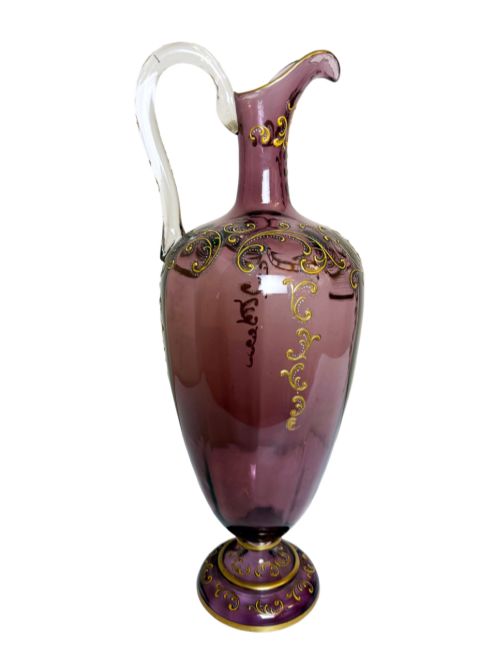
When searching for gold decorated glass, collectors encounter a diverse selection ranging from Victorian and Georgian drinking vessels to Art Nouveau and Jugendstil vases.
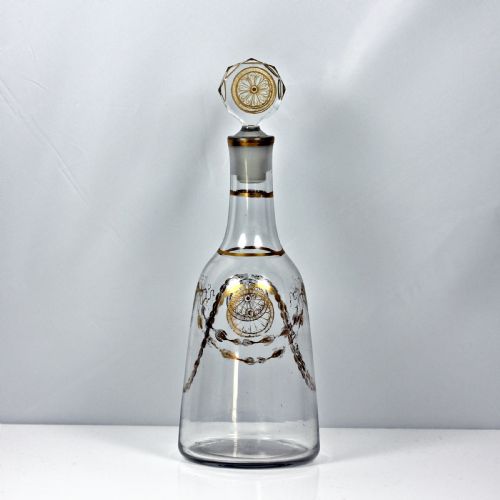
The objects on this page span several centuries, including 18th century decanters, 19th century Bohemian ruby glass bowls, and early 20th century European cups.
Vessels such as pitchers, apothecary jars, and chalices dominate the selection, alongside decorative mirrors and lighting components featuring gilded wooden frames and arms.
How they were made
Craftsmen utilised blown glass techniques, shaping molten material into vases, bottles, and decanters before applying surface embellishments.
Decoration relied on gold leaf and gold enamel, often combined with hand painting, frosting, and glass engraving to create intricate floral and geometric motifs.
Gold Decorated Glass Retail Price Guide 2026
Typical asking prices for gold decorated glass among the pieces listed under this phrase on Sellingantiques today, from the lower quarter to the upper quarter. They describe what is for sale here now, not the wider market.
What varies in quality
The refinement of the gilding and the precision of the hand painting set individual pieces apart, ranging from simple border lines to detailed enamel lotus flowers.
The clarity of the underlying glass, whether clear, ruby, peachblow, or violet, interacts with the gilt application to define the visual success of the object.
James Giles·Emmy Seyfried·Adelbert Niemeyer
The Gold Decorated Glass Glossary
- Gilding
- The application of gold leaf or gold powder to the surface of glass or wood. This technique provides the characteristic metallic sheen seen across Georgian and Victorian items.
- Enamel
- Opaque or translucent glass paste applied to a vessel and fired for permanence. It frequently appears alongside gold decoration to introduce vibrant colour.
- Blown glass
- Molten glass shaped by inflating air through a blowpipe. It forms the primary structural body for pitchers, vases, and decanters.
- Peachblow
- A nineteenth century art glass type characterised by a shaded multicoloured finish. It provides a soft backdrop for subsequent gilding.
Gold Decorated Glass: Frequently Asked Questions
How do I clean gold decorated glass?
Gentle dusting with a soft, dry cloth preserves the fragile gold leaf and enamel surface without causing abrasion.
Moisture and harsh chemical cleaning agents should be strictly avoided to protect the historical gilding from deteriorating.
Are these pieces safe for holding drinks?
Many historical vessels such as decanters and cups were designed for functional use during the Georgian and Victorian periods.
However, fragile gold enamelling and antique material composition often mean modern owners prefer them for display purposes.
How do I date Victorian gold decorated glass?
Stylistic markers such as naturalistic floral motifs, ruby glass tones, and specific Victorian registry marks help establish a timeline.
Comparing the weight of the blown glass and the thickness of the gold application against known examples provides further context.
What is the difference between Georgian and Victorian pieces?
Georgian items often exhibit restrained classical proportions and fine wheel engraving, reflecting 18th century neoclassical tastes.
Victorian pieces tend towards heavier romantic or bohemian aesthetics, incorporating rich ruby hues and dense gold appliques.