




Gold Cross Jewellery
Gold cross jewellery carries centuries of devotion and sentiment, spanning Georgian pastes, Victorian gems and mid-century diamonds.
Gold Cross Jewellery
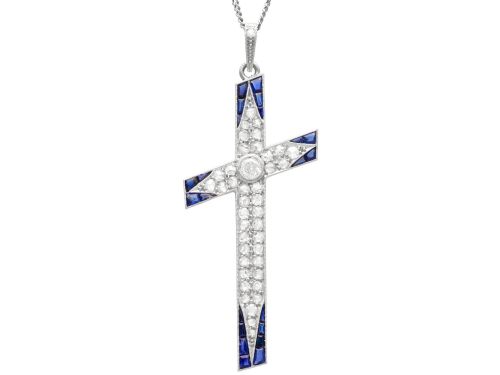
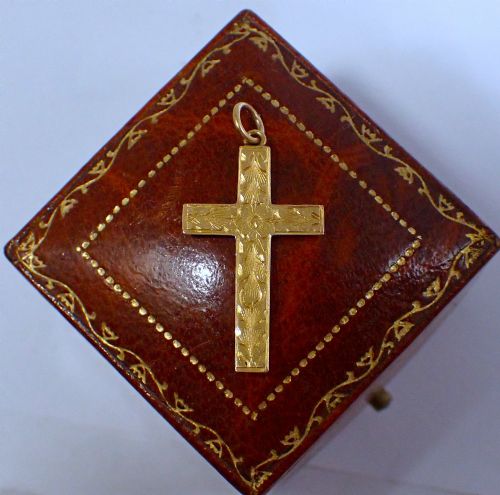
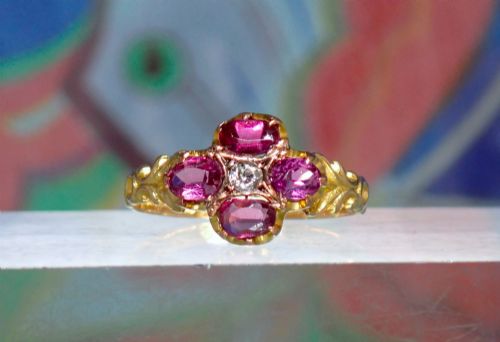
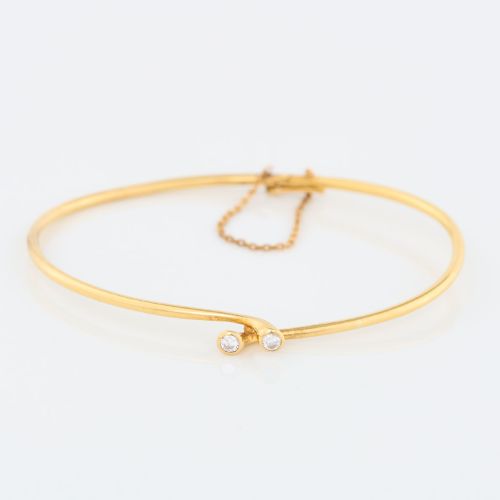
Gold cross jewellery encompasses pendants, brooches, rings and charms fashioned from Georgian through to mid-century periods. These items combine religious symbolism with decorative artistry, utilising precious metals alongside gemstones.
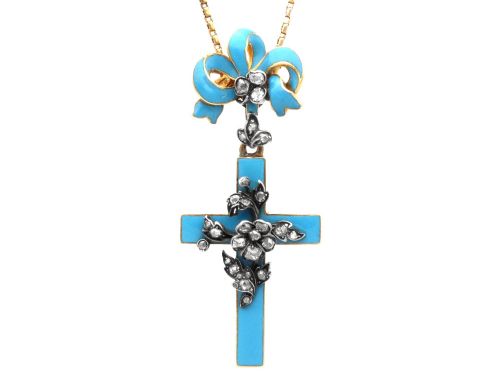
Pendants and charms dominate the selection, frequently appearing as distinct hanging motifs on chains or ribbons. Buyers regularly encounter Victorian iterations featuring turquoise, pearls or garnets, alongside Edwardian and mid-century diamond designs.
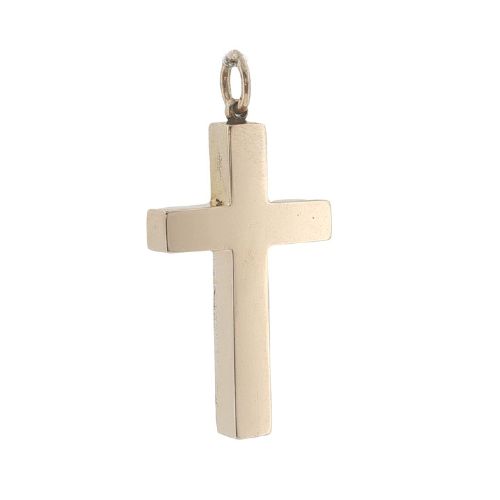
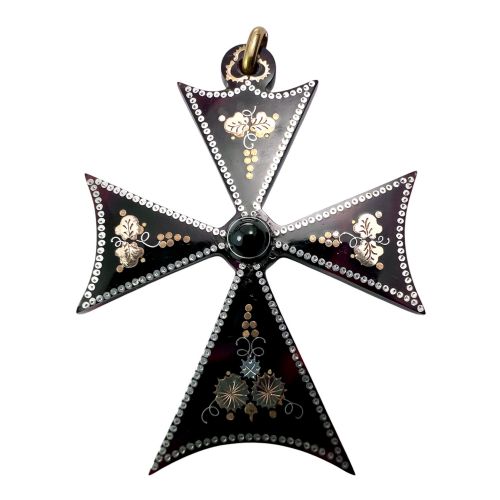
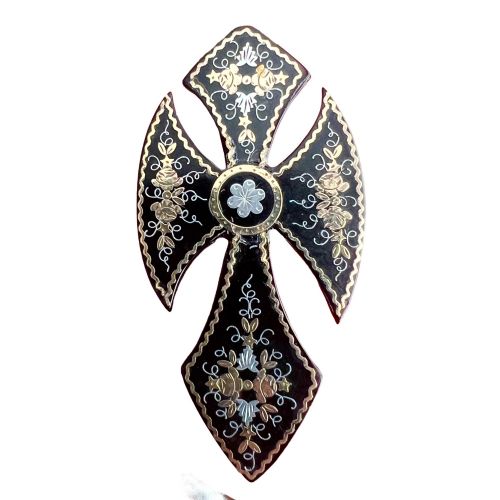
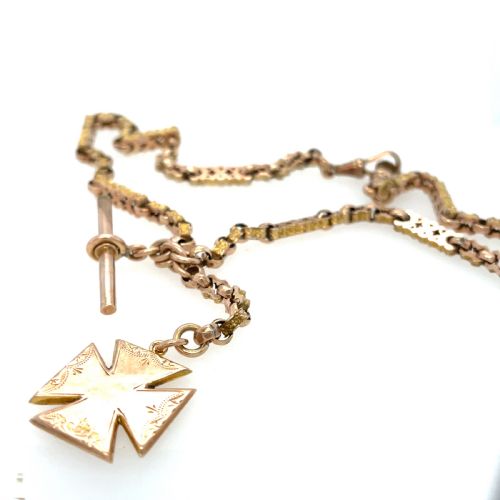
Formations range from simple engraved gold plates to intricate Maltese crosses and sunburst medals. Each period contributes specific stylistic traits, from Georgian coral settings to Italian gold work.
How they were made
Goldsmiths constructed these pieces using 9ct, 14ct, 15ct, 18ct and 22ct yellow, rose and white gold, occasionally incorporating silver settings to enhance diamond brilliance. Enamel work in blue or red frequently adds vibrant colour to the metal surfaces.
Gemstones including diamonds, sapphires, rubies, emeralds, turquoise, pearls, amethysts and garnets were hand-set into the gold frames. Techniques like engraving, inlay and pique work demonstrate precise artisanal skill across different centuries.
Gold Cross Jewellery Retail Price Guide 2026
Typical asking prices for gold cross jewellery among the pieces listed under this phrase on Sellingantiques today, from the lower quarter to the upper quarter. They describe what is for sale here now, not the wider market.
Some Victorian crosses double as lockets, secretly hiding tiny locks of hair or miniature painted portraits inside.
What varies in quality
Quality rests in the precision of the gemstone setting and the depth of the metal craftsmanship, distinguishing standard production from exceptional workshop output. Hand-engraved details and well-matched, lively stones elevate the standing of a piece.
The integrity of enamel work and the originality of components heavily influence the merit of older items. Pieces bearing clear hallmarks or attributed to notable makers demonstrate superior provenance and enduring construction.
Omar Ramsden & Alwyn Carr
The Gold Cross Jewellery Glossary
- Maltese cross
- An eight-pointed cross symbol characterised by V-shaped arms narrowing towards the centre. This specific geometric form appears frequently in French vintage and mid-century pendants.
- Pique
- A method of inlaying contrasting materials, such as gold or silver, into a tortoiseshell or organic base. It requires immense patience and steady hands.
- T-Bar
- A small horizontal metal bar attached to a chain, traditionally used to secure pocket watches in waistcoats. They survive as charming elements on antique chains.
- Almandine garnet
- A deep red variety of garnet rich in iron and aluminium. Victorian jewellers favoured this stone for its dark, rich tone.
Gold Cross Jewellery: Frequently Asked Questions
How do I date a gold cross?
Dating relies on hallmarks, metal purity standards like 15ct gold, and specific gemstone cuts or setting styles. Victorian pieces often use foiled backs or closed-back settings, whereas mid-century designs favour white gold and brilliant-cut diamonds.
Examining the manufacturing techniques and any accompanying maker marks provides further chronological clarity. Comparing stylistic elements with known periods helps establish the exact era of origin.
What is 15ct gold?
Fifteen-carat gold is a historical alloy standard containing 62.5 percent pure gold, widely utilised during the Victorian and Edwardian eras. British authorities phased out this specific purity standard in the early twentieth century in favour of 9ct and 18ct.
Its presence acts as a reliable indicator of an antique British origin. The metal possesses a distinct warm hue that collectors readily associate with nineteenth-century craftsmanship.
How were antique crosses worn?
Historical crosses served multiple purposes, functioning as pendants on long chains, charms on bracelets, or brooches pinned directly to garments. Georgian and Victorian owners frequently displayed them prominently on heavy gold chains or albert chains.
Versatility was a key design feature, with many items engineered to convert between brooches and pendants. This adaptability allowed wearers to display the same piece across various social occasions.
Are these pieces suitable for daily wear?
Most solid gold items withstand regular daily use, provided they receive appropriate care and periodic checks by a specialist. Antique settings containing softer stones like pearls or turquoise require extra caution to prevent damage.
Removing jewellery before strenuous physical activity or swimming preserves fragile enamel and delicate gemstone claws. Storing pieces individually prevents surface scratching against other items.