


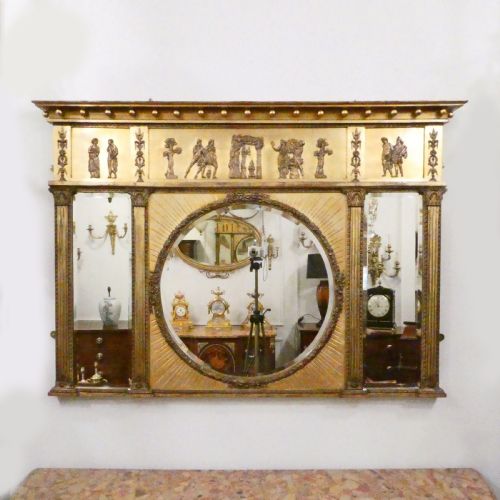


Gold Column Mirror
A gold column mirror brings architectural presence to a room, combining reflective glass with gilded framework.
Gold Column Mirror
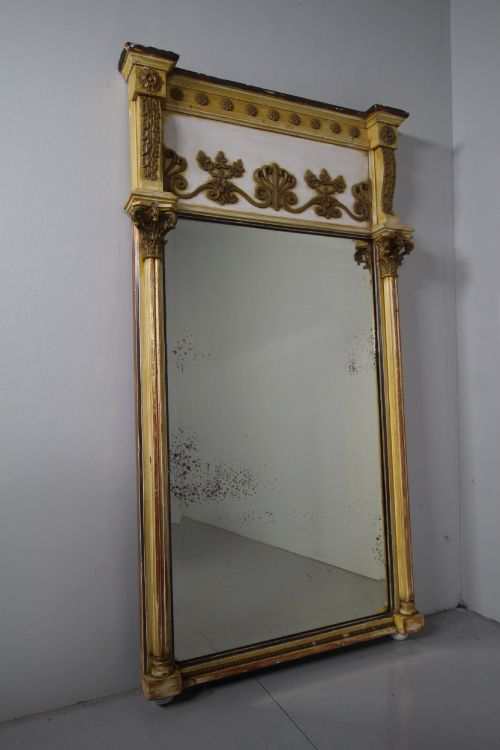
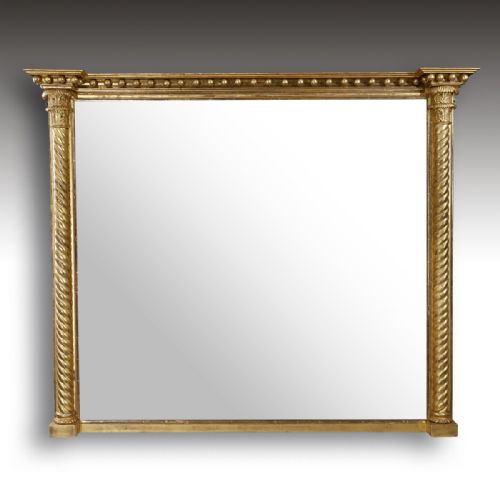
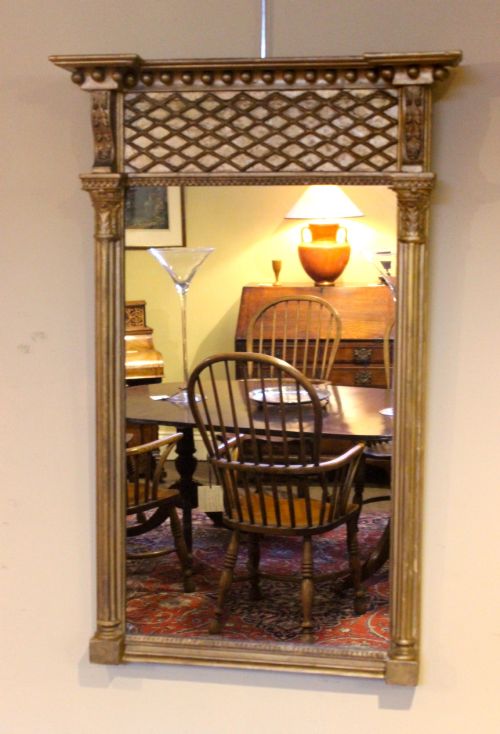
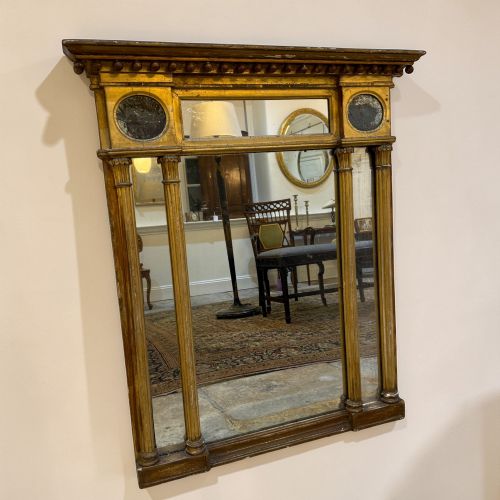
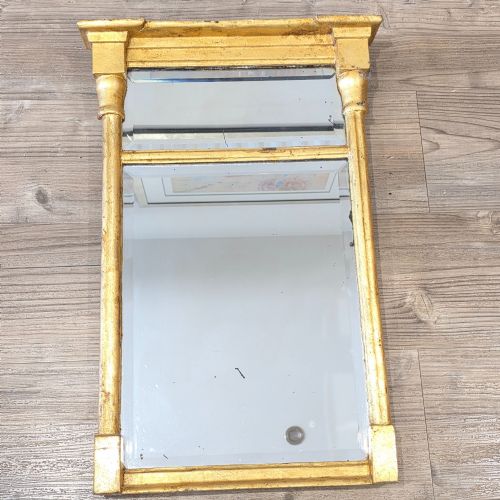
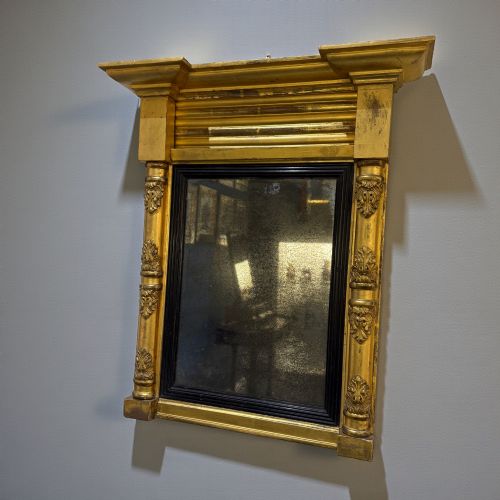
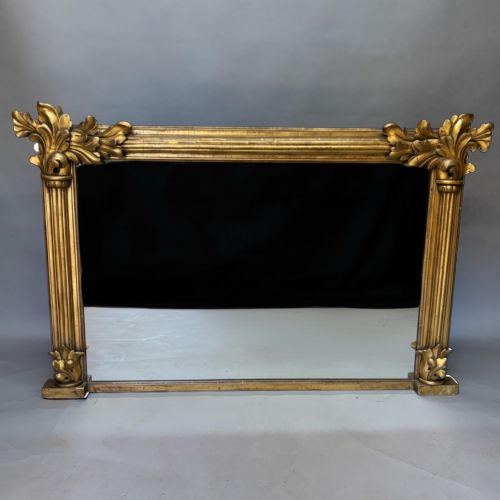
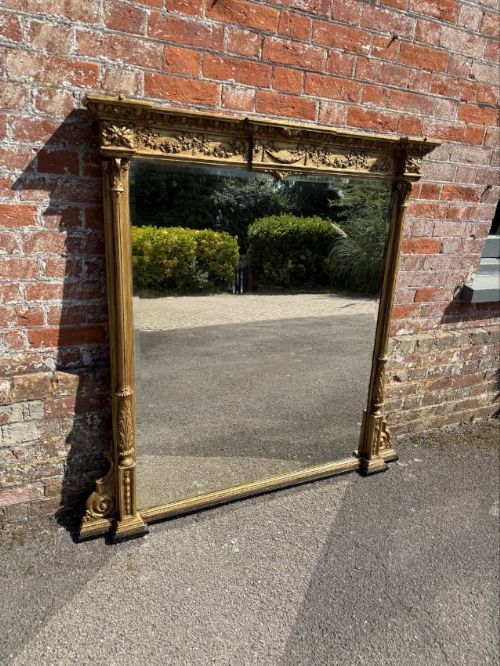
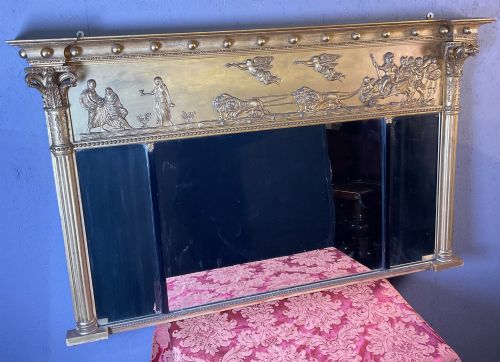
A gold column mirror typically appears in forms such as pier mirrors, overmantels, and wall mirrors dating from the nineteenth century. Buyers searching this phrase encounter pieces spanning Regency, Victorian, and Edwardian periods, often decorated with neoclassical motifs.
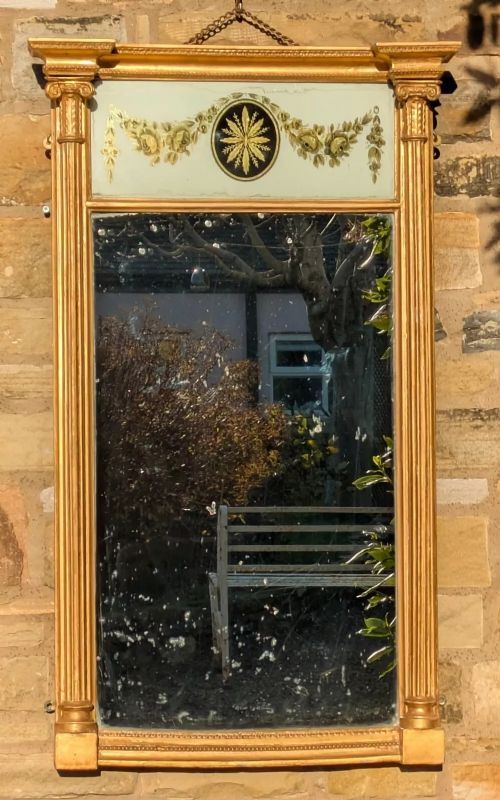
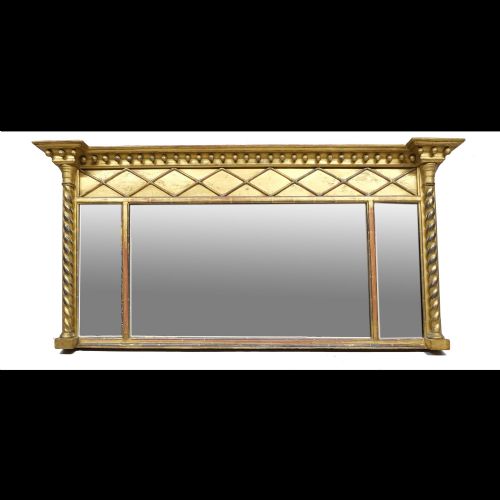
The most common formats on this page are pier mirrors designed to hang between windows and larger overmantel mirrors intended for placement above fireplaces. These objects utilise architectural elements like fluted or ribbed columns to frame the reflective glass plates.
How they were made
Makers constructed the foundational frames using carved wood, applying layers of gesso to build up decorative surface details before gilding with gold leaf or paint. Composition material also appears on moulded ornaments such as acanthus leaves and lion masks.
Gold Column Mirror Retail Price Guide 2026
Typical asking prices for gold column mirror among the pieces listed under this phrase on Sellingantiques today, from the lower quarter to the upper quarter. They describe what is for sale here now, not the wider market.
Certain nineteenth-century pier mirrors keep watch over the room aided by carved wooden lion masks peering out from the gilded columns.
What varies in quality
The depth and crispness of the carved wood and gesso ornamentation dictate the visual strength of the frame. Relief work featuring sharply defined architectural columns and distinct decorative elements demonstrates superior workshop execution.
Integration of specialised components such as verre-eglomise glass panels or multi-plate configurations alters the character of a piece. The harmony between the gilding technique and the underlying wooden structure determines the overall visual weight.
The Gold Column Mirror Glossary
- Pier mirror
- A tall mirror specifically proportioned to hang on the wall space between two windows. These pieces often incorporate column details at the sides.
- Overmantel mirror
- A wide mirror designed to sit directly upon the mantelpiece above a fireplace. They frequently span greater horizontal lengths and sometimes utilise triptych glass plates.
- Verre eglomise
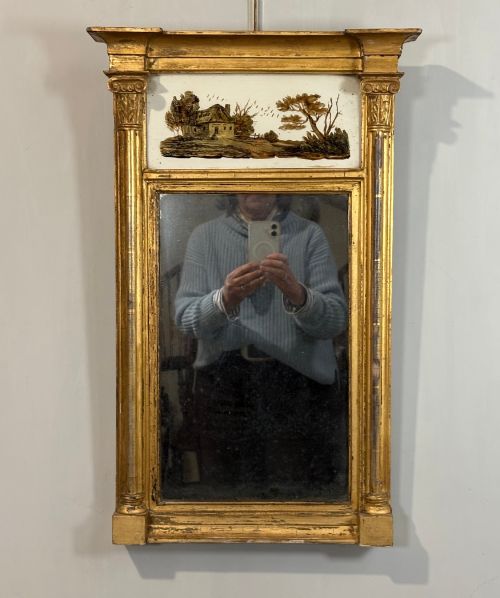
- A cold decoration technique involving gilt and painted designs applied to the reverse of glass panels. This process creates reflective metallic imagery often seen above the main mirror plate.
- Gesso
- A plaster-like mixture applied to wooden frames to provide a smooth surface for gilding. Skilled artisans model intricate reliefs into this material before applying gold leaf.
- Giltwood
- Timber that has been coated with gold leaf or gilt paint. This finish gives the structural frame its characteristic metallic brilliance.
Gold Column Mirror: Frequently Asked Questions
Where should I hang a pier mirror?
A pier mirror works best on narrow wall spaces, traditionally positioned between windows to reflect natural light deeper into a room. Their vertical proportions suit hallways and principal reception rooms.
Ensure the wall construction supports the weight of the timber and gesso frame securely before hanging.
How do I identify a Regency style frame?
Regency style frames typically display neoclassical influences, including architectural columns, pilasters, and classical motifs such as acanthus leaves. The proportions tend to emphasise clean vertical and horizontal lines.
Many examples from this design vocabulary date from nineteenth-century revival periods as well as the original era.
What is verre eglomise?
Verre eglomise is a decorative technique where artists apply gold leaf and pigment to the reverse side of glass. This creates a shadowed, reflective panel set above the main mirror glass.
These panels frequently display pictorial scenes or classical ornamentation.