

Gold Cluster Jewellery
Gold cluster jewellery brings together central stones and surrounding gems across rings, earrings and brooches spanning Victorian to mid-century periods.
Gold Cluster Jewellery
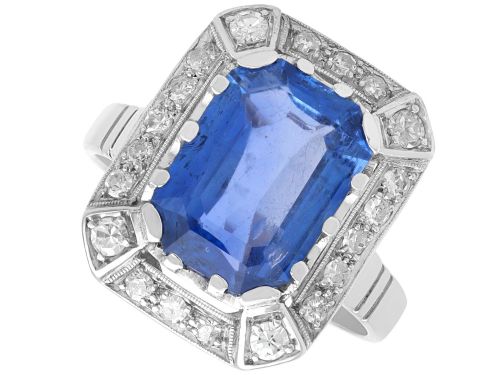
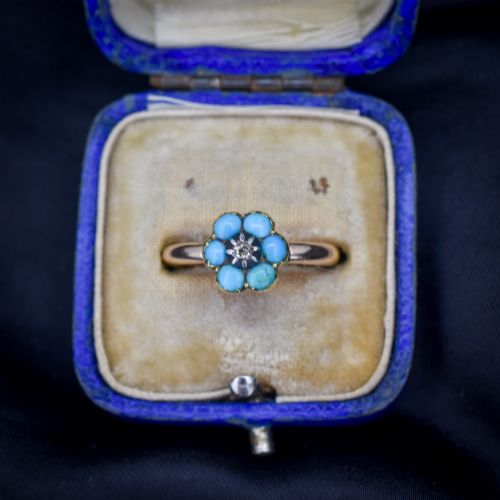
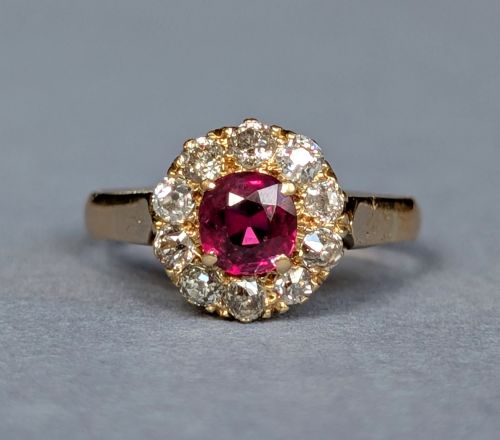
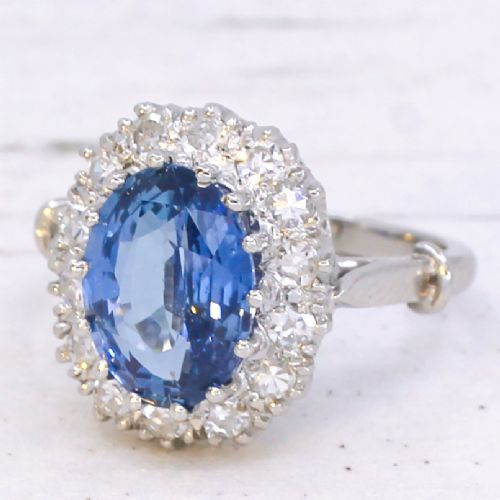
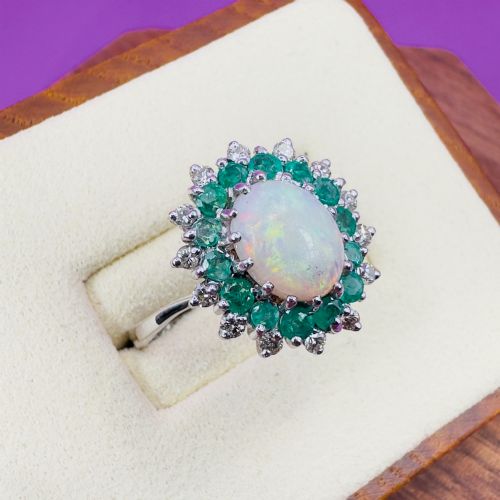
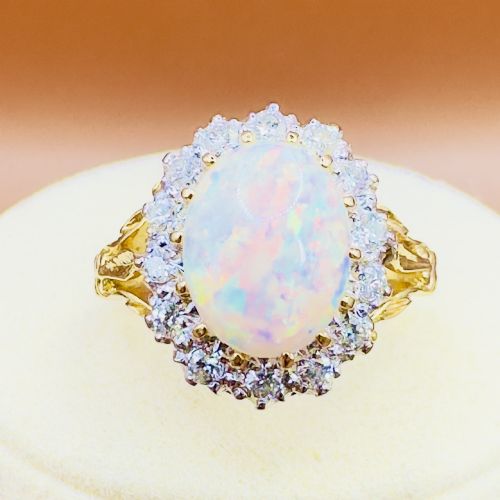
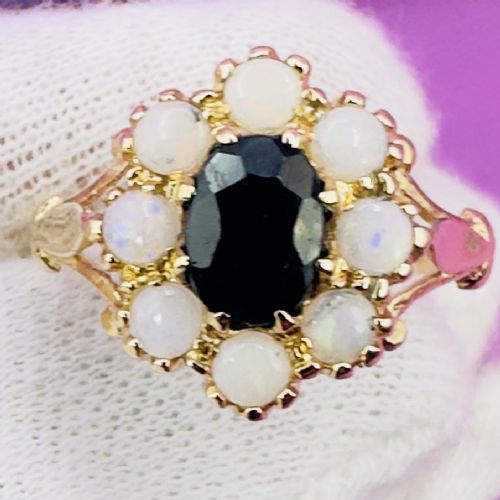
Gold cluster jewellery groups a central gemstone, most often a diamond, ruby, sapphire or opal, within a tight arrangement of smaller supporting stones. The form spans multiple periods, stretching from Victorian and Edwardian iterations through to Art Deco and mid-century modern designs.
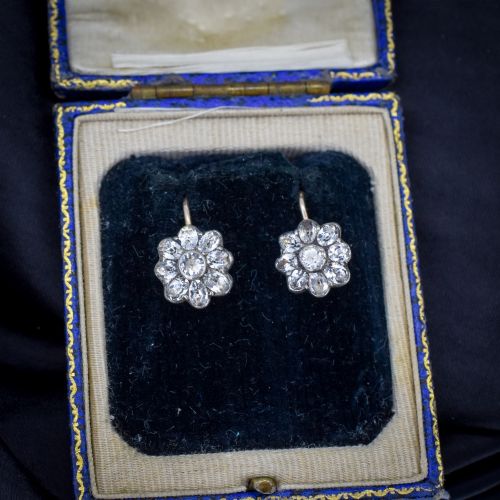
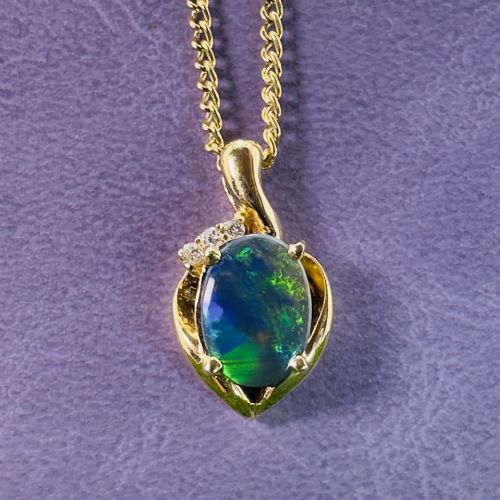
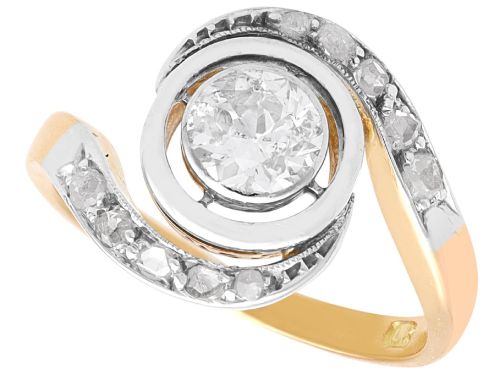
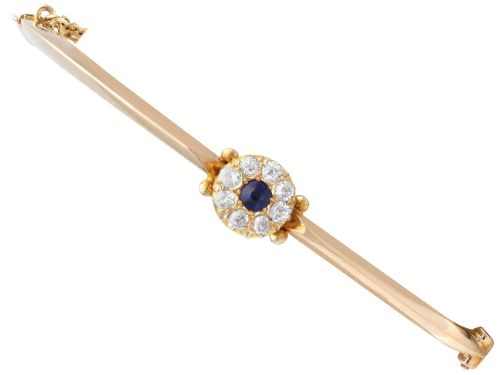
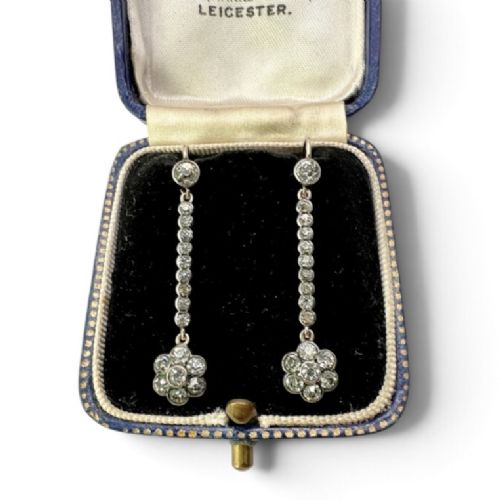
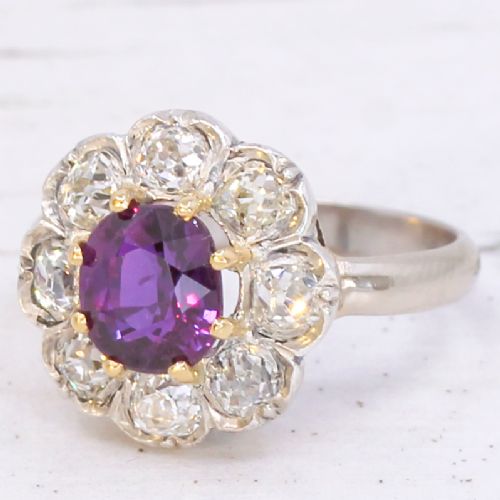
Rings form the vast majority of pieces encountered here, typically configured as daisy clusters, navette shapes, or floral motifs. Earrings, brooches, necklaces and pendants also appear, translating the clustered arrangement into drop earrings, stud fittings and dress pins.
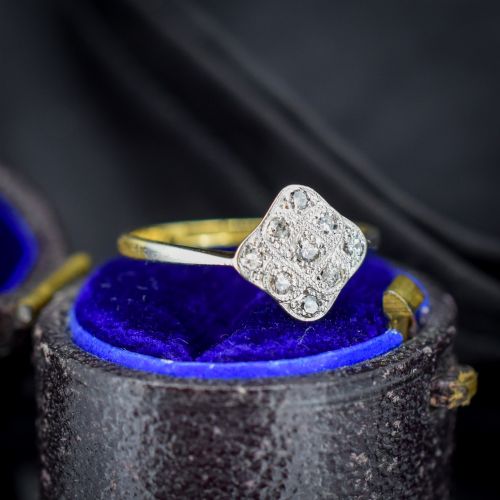
The selection ranges across yellow gold, white gold, rose gold and platinum, often paired with silver in earlier Edwardian and Victorian works. Buyers encounter items dated from the late nineteenth century up to the 1960s, reflecting changing aesthetic preferences from organic floral patterns to geometric Art Deco lines.
How they were made
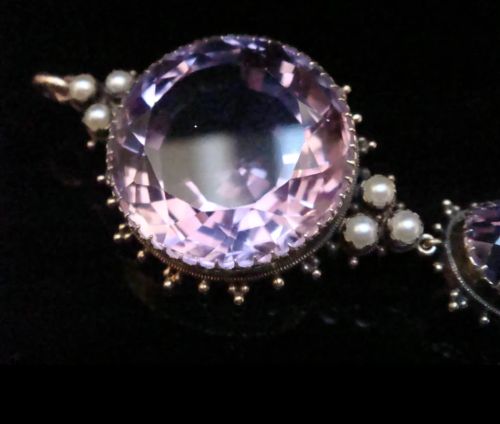
Goldsmiths utilised 18ct yellow gold, 18ct white gold, and platinum to set diamonds, sapphires, rubies, emeralds and pearls into tightly grouped compositions. Early pieces frequently combined gold and silver to enhance the brilliance of old cut diamonds against darker metal surfaces.
Stones were secured using claw settings, bezel mounts and millegrain edges, where minute beads of metal were rolled over the stone borders. Construction methods shifted across decades, moving from hand-forged yellow gold wirework and double twists toward structured platinum mounts and cast white gold sections.
Gold Cluster Jewellery Retail Price Guide 2026
Typical asking prices for gold cluster jewellery among the pieces listed under this phrase on Sellingantiques today, from the lower quarter to the upper quarter. They describe what is for sale here now, not the wider market.
Some cluster rings incorporate hidden galleries beneath the stones, offering secret geometric cutouts visible only from the side.
What varies in quality
The distinction between tiers rests upon the choice and matching of the central gem and its surrounding stones, alongside the precision of the setting work. Better examples demonstrate uniform colour saturation in rubies, sapphires and emeralds, paired with well-matched diamond cuts that present a cohesive surface.
Structural integrity and metal weight also define the grade of a piece, separating lightweight settings from substantial mountings designed for daily wear. The refinement of secondary details, such as millegrain work, twisted wire bands and original clasps or fittings, marks the distinction between standard production and superior craftsmanship.
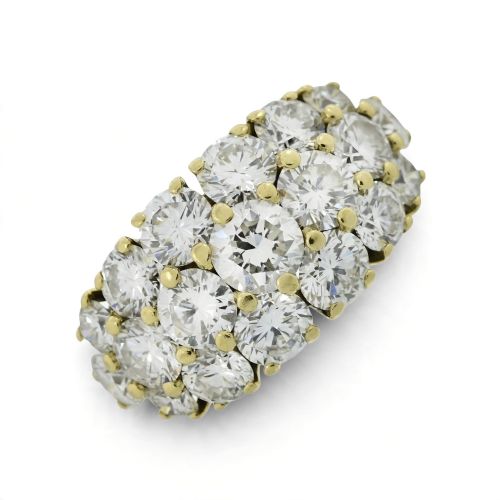
Kutchinsky
The Gold Cluster Jewellery Glossary
- Navette
- A boat-shaped gemstone setting that tapers to points at either end. This elongated silhouette appears frequently in Edwardian and Art Deco cluster rings.
- Millegrain
- A decorative technique involving a raised line of tiny metal beads along the edge of a setting. It softens the metal transition and provides a textural border to stones.
- Old Cut
- A diamond cutting style prevalent in Victorian and Edwardian periods featuring a small table, high crown and open culet. These stones were shaped by hand to catch candlelight.
- Daisy Cluster
- A circular arrangement of round gemstones surrounding a larger central stone, resembling a flower head. This pattern remains a staple form across rings and stud earrings.
- Bypass Ring
- A ring design where the shank ends pass each other rather than meeting in a traditional symmetrical circle. Some cluster iterations use this overlapping movement for floral and twist motifs.
Gold Cluster Jewellery: Frequently Asked Questions
How do I wear an antique cluster ring safely?
Most cluster rings suit daily wear, though older prong settings benefit from gentle treatment during manual tasks. Removing rings before heavy lifting preserves the claws and secures the smaller surrounding stones.
Storing pieces in individual compartments prevents the stones from scratching one another when not on the hand.
What is an old cut diamond?
Old cut diamonds are hand-faceted stones shaped before modern machinery standardised proportions. They feature deeper pavilions and smaller tables that produce a softer, warmer glow under ambient light.
These cuts are characteristic of Victorian and Edwardian cluster jewellery.
How do I clean gold cluster jewellery?
Warm soapy water and a soft brush remove everyday oils from the underside of clustered stones. Rinsing thoroughly in clean water restores the brightness of the central gem and surrounding melee.
Harsh chemical dips risk damaging softer organic materials like pearls and opals often found in these settings.
Are mid-century cluster earrings comfortable?
Mid-century earrings often utilise post and clip fittings to distribute the weight of clustered stones securely across the earlobe. These designs balance structural presence with functional support for extended wear.
Convertible screw-back or clip-on fittings from earlier periods can sometimes be adjusted by a specialist jeweller if required.