

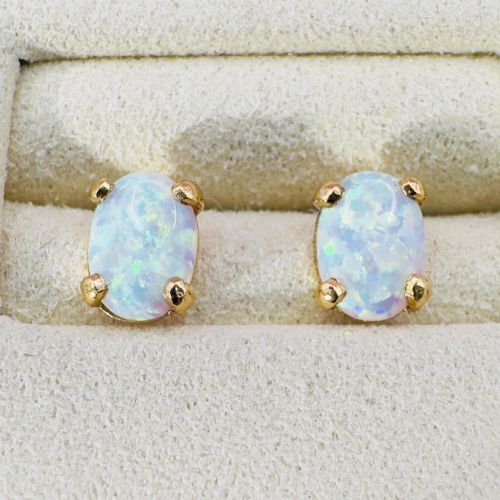
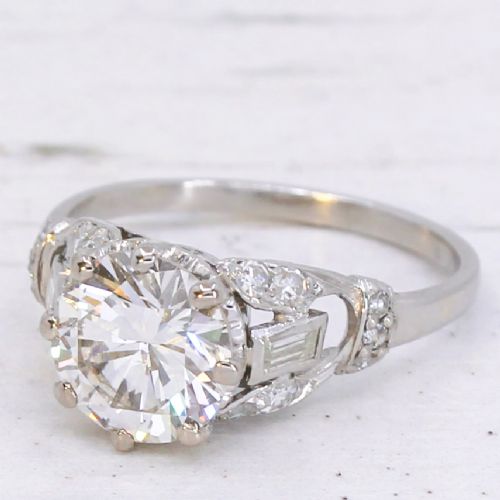
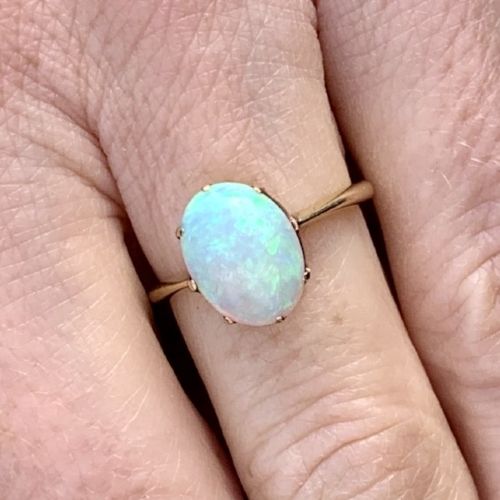
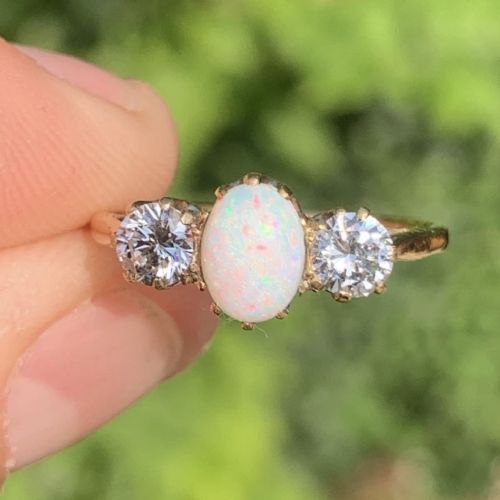
Gold Claw Jewellery
Gold claw jewellery brings together securely set stones and precious metals across rings, earrings, pendants, and brooches.
Gold Claw Jewellery
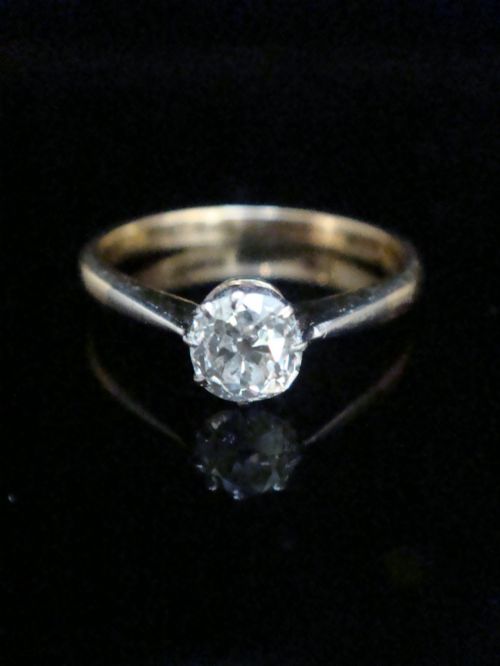
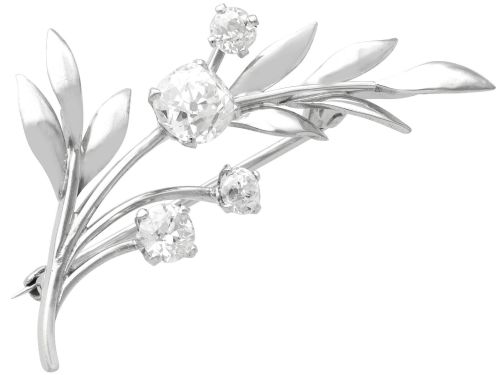
Gold claw jewellery encompasses rings, earrings, charm pendants, bracelets, and brooches designed to hold gemstones securely using metal prongs. These pieces span from the Victorian era and 1890 through the Edwardian period, Art Deco, and mid-century modern designs.
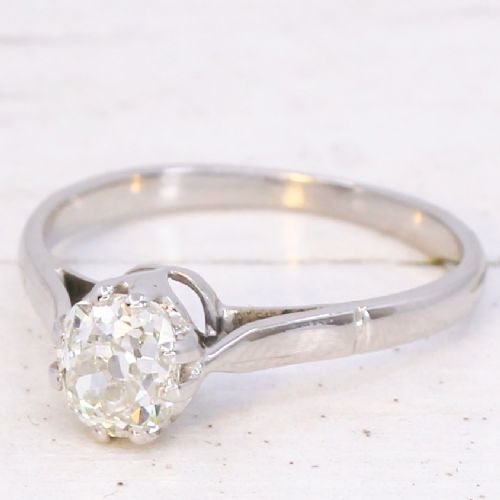
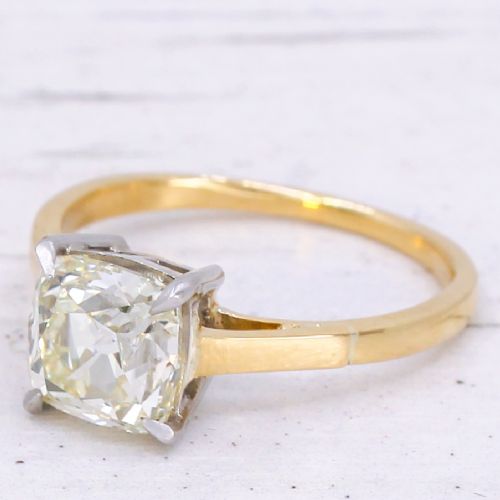
Engagement rings and cluster rings are the most common forms encountered within this selection, often featuring central diamonds or coloured gems. Settings range from traditional yellow gold to white gold, platinum, and combinations incorporating platinum tops with gold shanks.
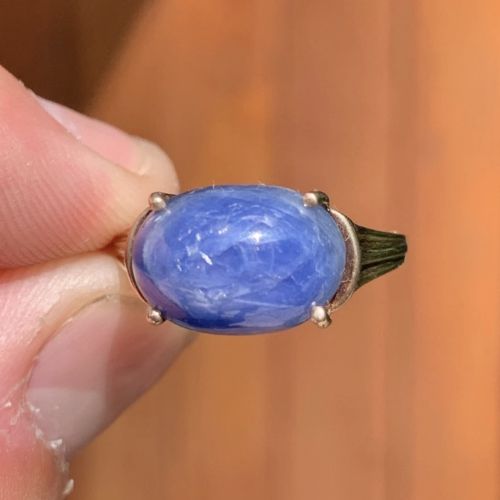
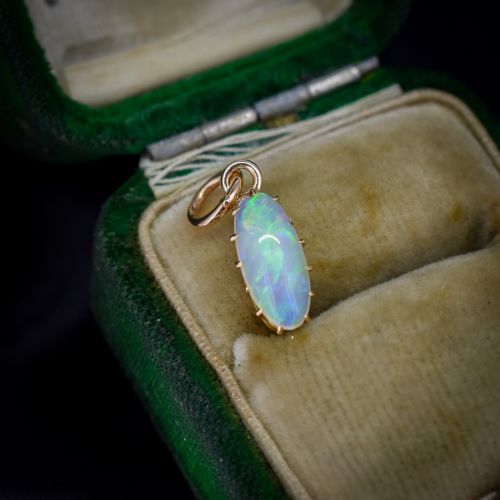
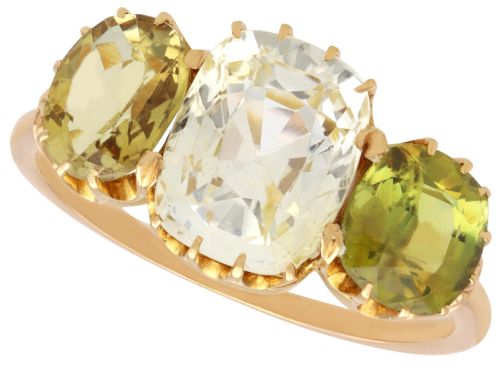
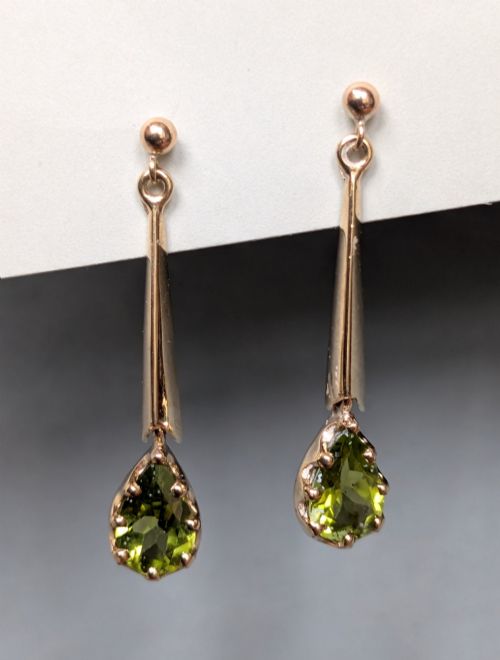
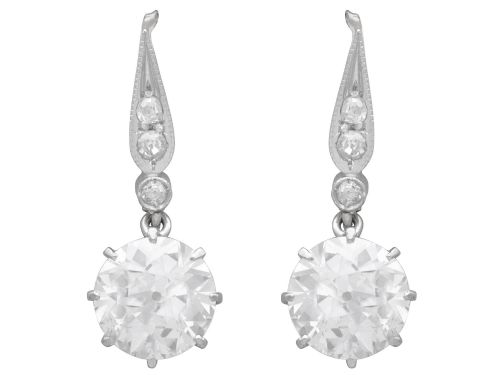
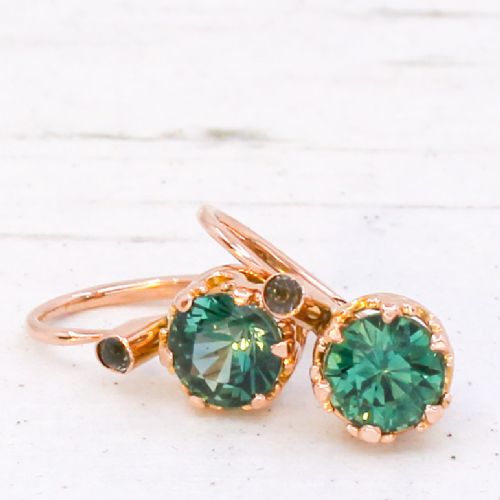
Gemstones utilised across these pieces include old cut diamonds, sapphires, rubies, peridots, opals, aquamarines, chrysoberyls, and garnets. The variety extends to trilogies, solitaire drops, and floral cluster motifs representing distinct historical periods.
Materials and Construction
Jewellery makers constructed these pieces using 9ct, 14ct, 15ct, and 18ct yellow and white gold alongside platinum. Metal purity is often indicated by hallmarks or inherent properties of the period.
Prong or claw settings were shaped to grip gemstones securely while allowing maximum light entry into the stones. Gemstones such as old European cut diamonds and unheated sapphires were hand-set into these mounts.
Gold Claw Jewellery Retail Price Guide 2026
Typical asking prices for gold claw jewellery among the pieces listed under this phrase on Sellingantiques today, from the lower quarter to the upper quarter. They describe what is for sale here now, not the wider market.
Materials span 9ct gold, 18ct yellow and white gold, platinum, diamonds, rubies, sapphires, and opals.
Judging Quality in Settings and Stones
Quality depends on the precision of the claw work and the integration of the metal setting with the gemstone. Finer pieces demonstrate careful hand-finished prongs that hold stones firmly without overwhelming them.
The choice and cut of the gemstones dictate the overall calibre of the piece. Selecting stones with clear colouration, such as unheated rubies or well-matched old cut diamonds, elevates the standard of the jewellery.
The Gold Claw Jewellery Glossary
- Claw setting
- A mounting style utilising metal prongs or claws to hold a gemstone in place. This technique maximises the light passing through the stone.
- Old cut diamond
- A diamond cut by hand during the late nineteenth or early twentieth centuries, featuring a smaller table and larger culet. These stones possess a distinctive softer sparkle compared to modern brilliant cuts.
- Trilogy ring
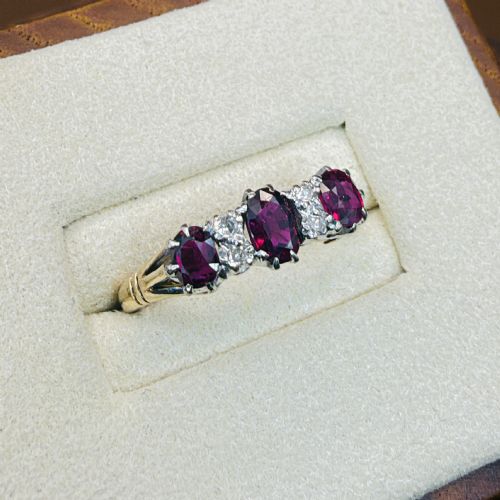
- A ring featuring three prominent gemstones arranged in a row. It often signifies past, present, and future in sentimental jewellery.
- Toi et Moi ring
- A ring design featuring two main gemstones nestled closely together. The phrase translates to you and me.
- Cluster ring
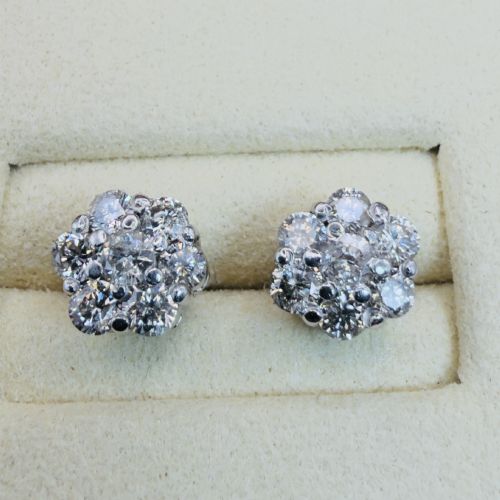
- A jewellery arrangement where a central gemstone is surrounded by a border of smaller stones. This configuration creates a larger visual impact on the hand.
Gold Claw Jewellery: Frequently Asked Questions
What periods do these pieces date from?
The collection spans from the Victorian era and the 1890s through Edwardian times, the 1920s Art Deco period, and mid-century designs up to the 1970s. Each era contributes distinct styles in metalwork and stone selection.
Items reflect the prevailing aesthetic of their decade, ranging from ornate floral clusters to streamlined geometric solitaire rings.
How should claw settings be cared for?
Claw settings require periodic inspection to ensure the metal prongs remain secure around the gemstones. Avoid wearing delicate items during rigorous physical activities to prevent bending the claws.
Gentle cleaning with warm soapy water and a soft brush helps maintain the brilliance of both the gold and the set stones.
What gemstone varieties are included?
Stones encompass diamonds, rubies, sapphires, opals, peridots, aquamarines, tsavorites, amethysts, turquoise, and jadeite. Many feature old cut diamonds with distinctive facet patterns.
Coloured gemstones appear both as single feature stones and within multi-stone cluster or trilogy arrangements.