

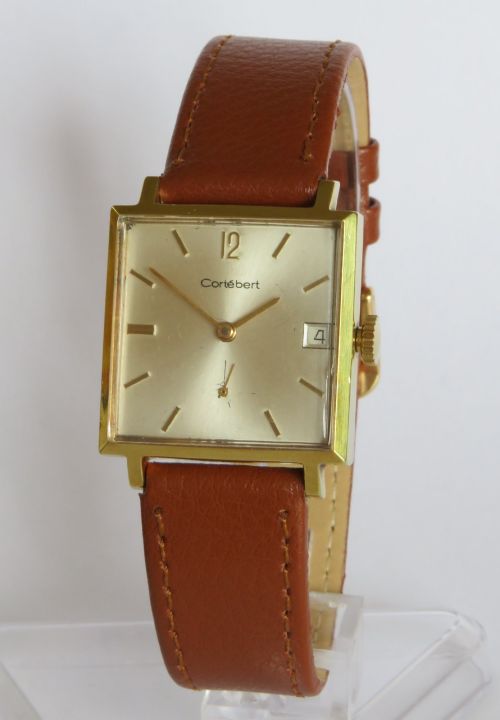
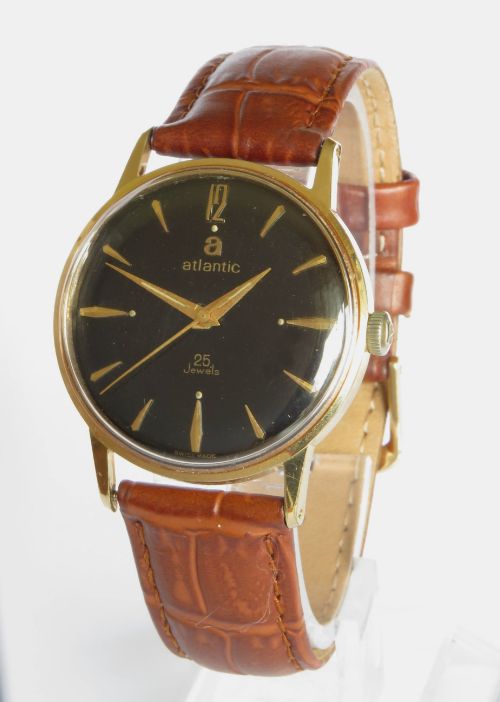
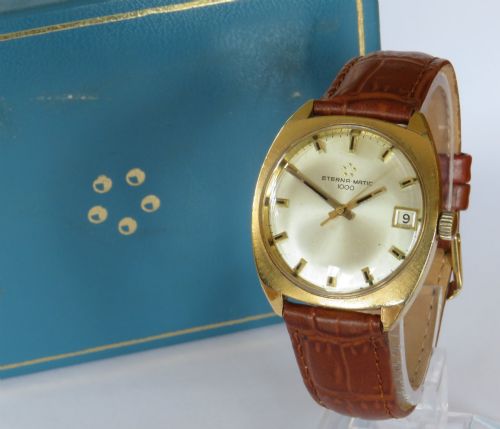
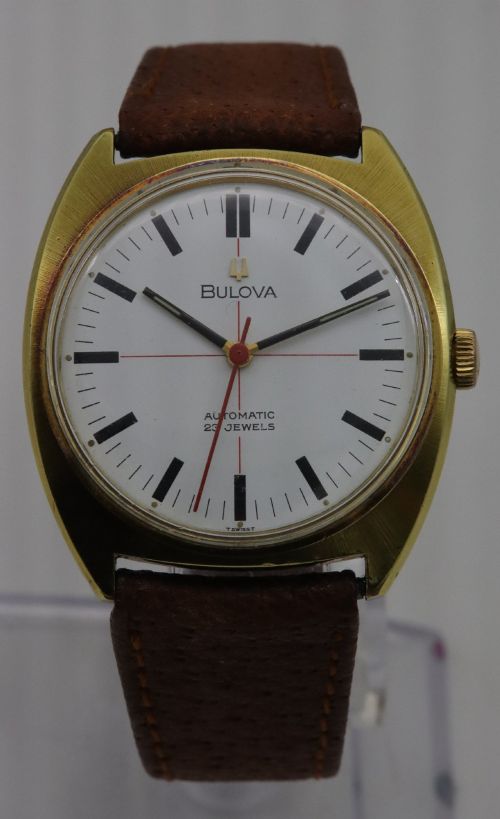
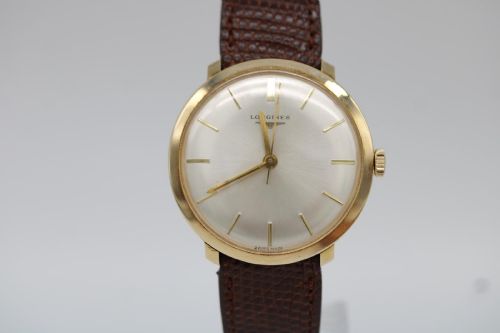
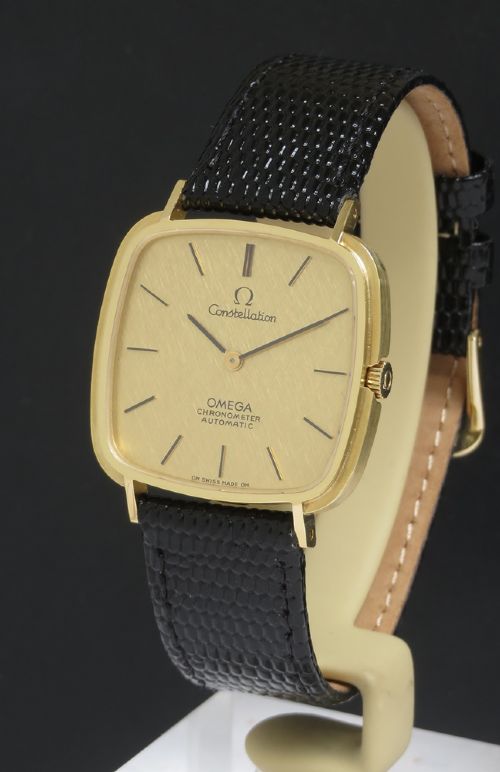
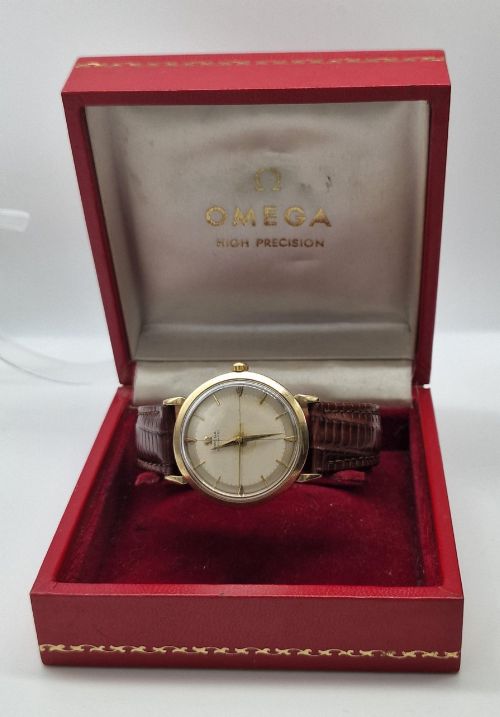
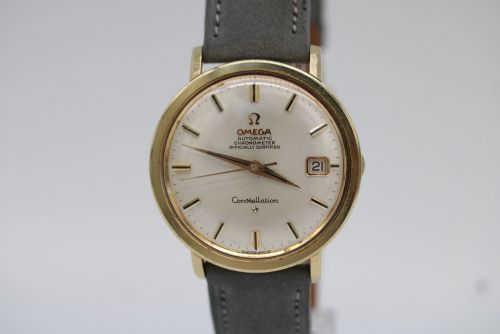
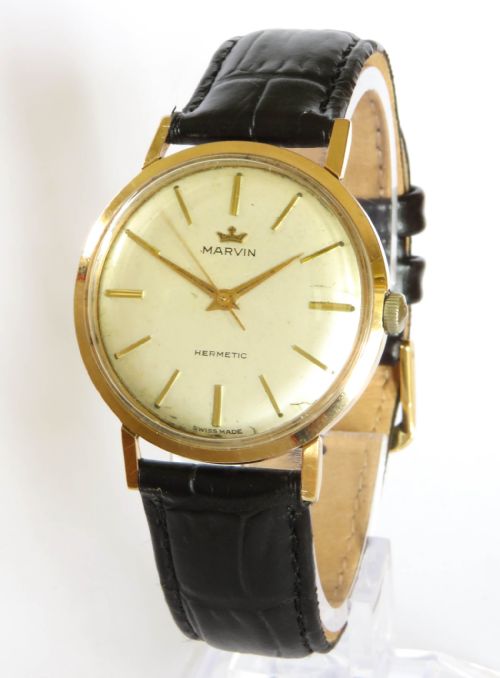
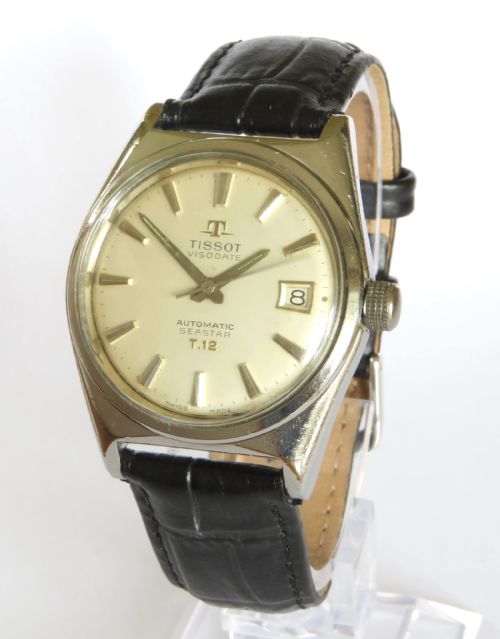


Gold Casing Dress Watch
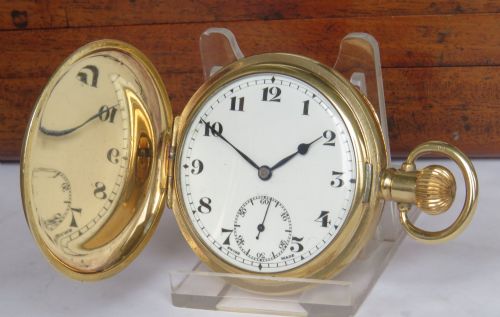
A gold casing dress watch brings together precious metal housings and precise mechanical movements from the Edwardian era to the mid-twentieth century.
Gold Casing Dress Watch
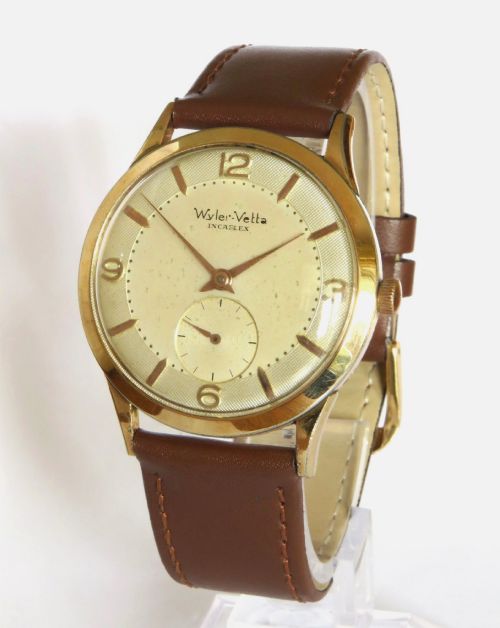
A gold casing dress watch is primarily a gentleman's timepiece housed in gold, gold plate, or white gold, spanning decades from Edwardian pocket watches to mid-century modern wristwatches. Buyers browsing this selection encounter wristwatches and pocket watches originating from periods such as the 1930s, 1940s, 1950s, and 1960s.
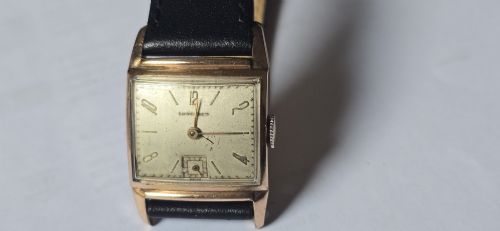
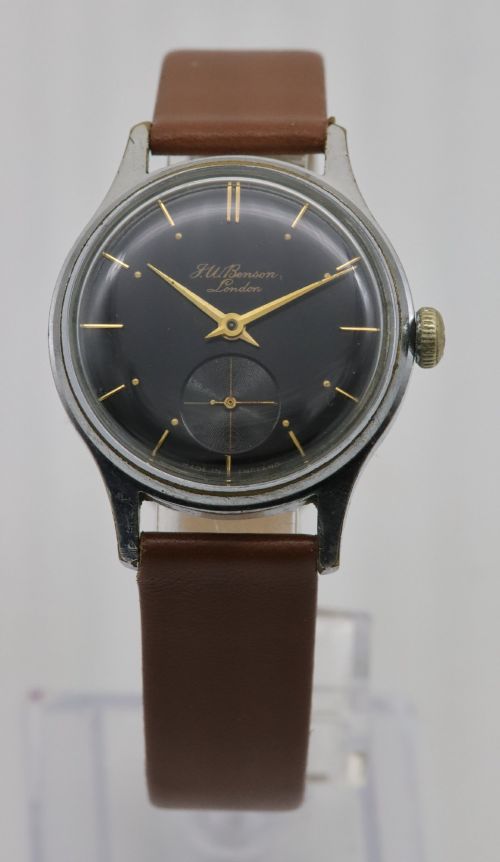
The version most commonly met on this page is the mid-century wrist watch, frequently displaying styles like Mid-Century Modern or Art Deco alongside more traditional circular or rectangular metal cases. These timepieces were designed to sit flat under a cuff, prioritising clean dials and slim profiles over rugged utility.
Materials and construction
Cases utilise solid 18ct gold, 9K gold, 14k gold fill, gold plate, and white gold, enclosing mechanical movements powered by manual wind or automatic calibres. Glass crystals protect the dial face, while secondary components incorporate stainless steel case backs, enamel accents, and acrylic elements.
Straps and secondary housings are fashioned from leather and velvet, often accompanied by fitted presentation boxes. Metal components show careful finishing, from brushed steel to polished gold housings designed to withstand daily wear while maintaining a refined appearance.
Gold Casing Dress Watch Retail Price Guide 2026
Typical asking prices for gold casing dress watch among the pieces listed under this phrase on Sellingantiques today, from the lower quarter to the upper quarter. They describe what is for sale here now, not the wider market.
Listings feature wristwatches and pocket watches spanning the Edwardian period through the 1960s, constructed in solid gold, gold plate, and steel.
Distinctions in quality
The distinction between standard production pieces and finer examples rests on the caliber of the movement and the integrity of the precious metal housing. Solid gold cases and renowned mechanical movements elevate a piece above standard plated alternatives.
Condition plays a central role, particularly the preservation of original dials, hands, and signed crowns without excessive polishing. Retaining original presentation boxes or straps further separates exceptional survivors from ordinary examples.
Omega·Rolex·Tissot·Bulova·Elgin·Longines
The Gold Casing Dress Watch Glossary
- Manual wind
- A mechanical watch movement that requires the wearer to turn the crown by hand to tension the mainspring. This traditional method allows for slimmer case profiles.
- Automatic
- A self-winding mechanical movement that uses a weighted rotor to tension the mainspring through the natural motion of the wearer's wrist.
- Gold fill
- A construction method where a thick layer of gold is mechanically bonded to a base metal core. It offers greater durability than standard gold plating.
- Chronometer
- A high-precision watch movement that has successfully passed rigorous accuracy tests conducted by an official certifying body. These pieces represent peak technical standards for their era.
- Calibre
- The specific manufacturer's designation for a particular watch movement design. Collectors use this number to identify the exact internal mechanism.
Gold Casing Dress Watch: Frequently Asked Questions
How do I wind a manual watch?
Turn the crown clockwise between your thumb and forefinger until you feel gentle resistance. Stop immediately at that point to avoid over-tensioning the internal spring.
Wind the watch at roughly the same time each day to maintain consistent tension and accurate timekeeping.
Are these watches waterproof?
Vintage dress watches generally lack modern waterproof seals. Exposure to moisture, rain, or humidity can damage the dial and rust the delicate internal movement.
Keep these timepieces away from water entirely, removing them before swimming, bathing, or washing hands.
How can I tell the period?
Examine the overall case geometry, dial typography, and style markers such as Art Deco stepped bezels or Mid-Century Modern minimalist indexes. Design cues often reflect the dominant aesthetic of the decade in which the watch was produced.
Opening the case back to check the movement serial number against manufacturer records provides a precise year of production.
Can I wear one daily?
Many buyers wear vintage dress watches for everyday use, provided the movement has been recently serviced by a professional watchmaker. Regular servicing ensures oils remain fluid and internal friction is minimised.
Gentle care is necessary due to the age of the materials, avoiding heavy impact or rigorous physical activity while wearing the piece.