



Gold Cameo Jewellery
Gold cameo jewellery brings together carved relief portraits and precious metal settings, offering wearable history crafted across Georgian, Victorian, and Edwardian periods.
Gold Cameo Jewellery
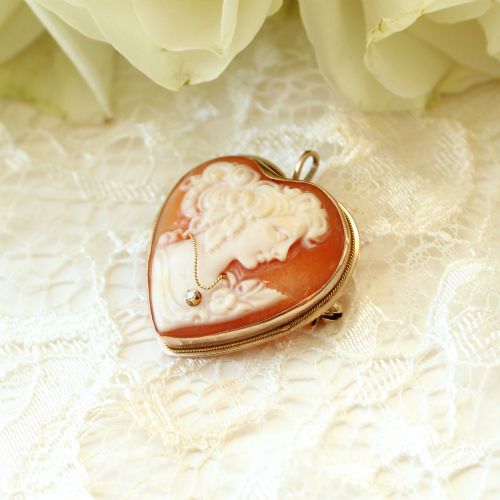
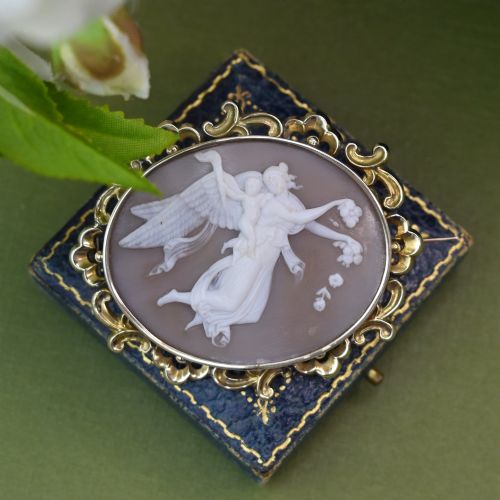
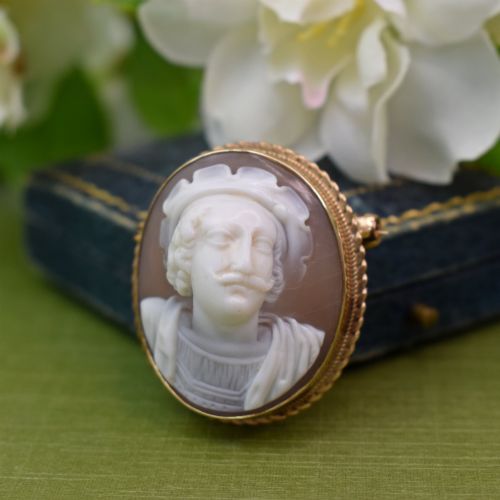
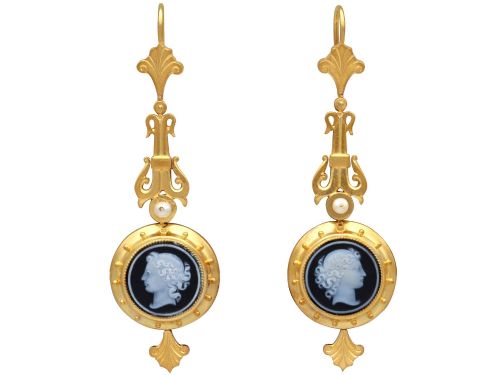
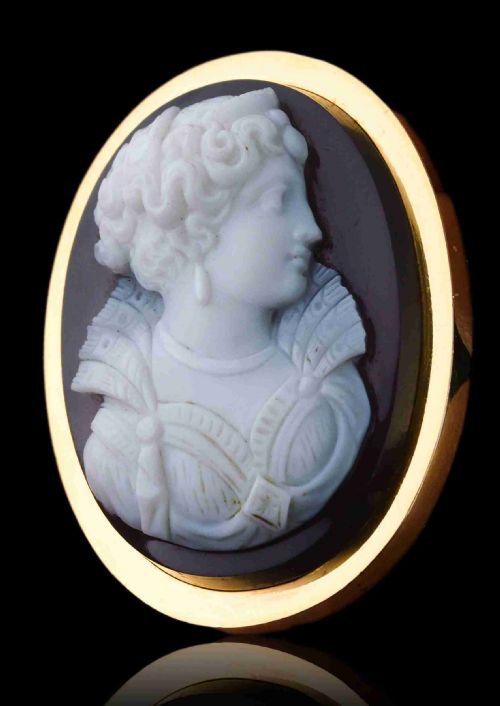
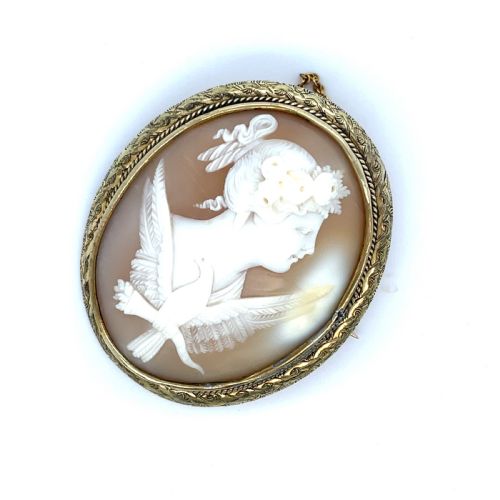
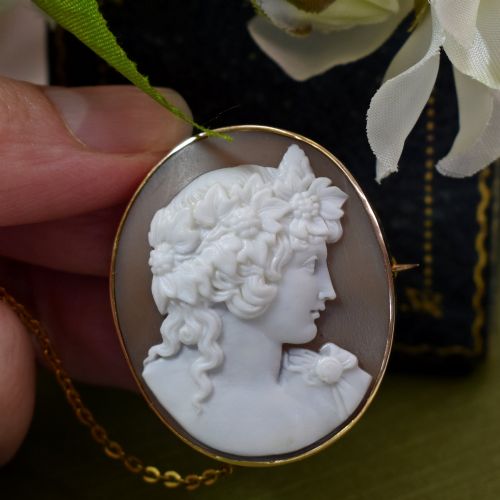
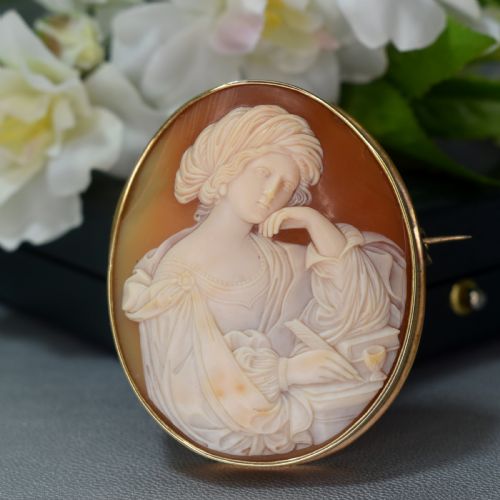
Gold cameo jewellery encompasses brooches, rings, pendants, earrings, and necklaces featuring raised profiles carved from shell, hardstone, coral, agate, or onyx. The pieces span Georgian, Victorian, Edwardian, and mid-century eras, reflecting classical revival motifs and mythological subjects.
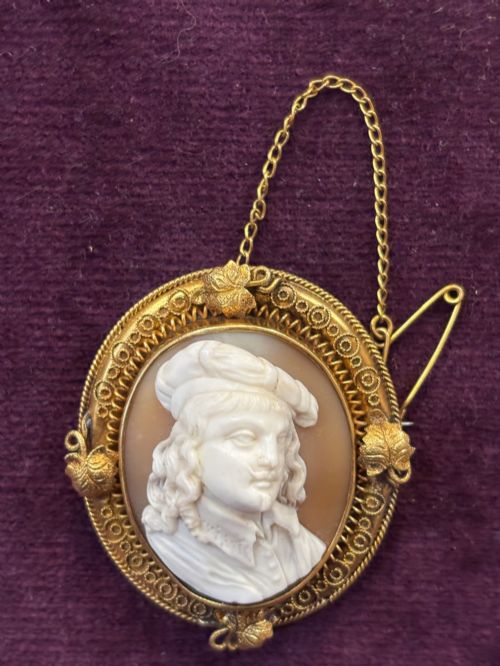
Brooches and pendant necklaces form the majority of surviving examples, often mounted in high-carat yellow or rose gold frames. Earrings and rings appear frequently, utilising drop designs and detailed filigree mounts that secure the carved reliefs.
The aesthetic draws heavily from antique Italian craftsmanship and neoclassical tastes, depicting goddesses, mythological figures, and classical profiles. These wearable miniature sculptures serve as tangible links to nineteenth-century decorative arts.
Materials and construction
Carvers utilise natural materials with contrasting colour layers, selecting multi-layered shell or hardstone such as agate, onyx, and carnelian. The artisan cuts away the upper stratum to reveal a lighter or darker background, isolating the portrait in sharp relief.
Goldsmiths enclose these carvings in robust metal mounts, utilising 9ct, 15ct, 18ct, and occasionally higher purities of gold, alongside pinchbeck for specific nineteenth-century pieces. Frames often incorporate wirework, filigree, and intricate bezels that complement the delicate carving work inside.
Gold Cameo Jewellery Retail Price Guide 2026
Typical asking prices for gold cameo jewellery among the pieces listed under this phrase on Sellingantiques today, from the lower quarter to the upper quarter. They describe what is for sale here now, not the wider market.
Several Victorian cameos depict mythical deities driving chariots, proving ancient speed demons existed long before horsepower.
Distinguishing quality in carving and setting
Depth of relief and anatomical precision define the superiority of the carving itself. Master carvers render facial expressions, drapery folds, and hair strands with sharp definition, whereas lesser examples present softer edges and flatter profiles.
The execution of the gold mount dictates overall refinement. Solid, heavy-gauge frames featuring detailed chased work or integrated pearls elevate a piece beyond standard production output.
Chaumet·R.Pernice
The Gold Cameo Jewellery Glossary
- Cameo
- A method of carving an object such as an engraved gem, item of shell, or piece of stone where a raised relief image stands distinct from a contrasting background.
- Hardstone
- A collective term for semi-precious stones like agate, onyx, and jasper used by lapidaries to create durable, layered cameos and intaglios.
- Pinchbeck
- An alloy of copper and zinc invented in the eighteenth century to imitate gold, frequently found on period frames and mountings.
- Filigree
- Delicate ornamental work of fine gold wire twisted and soldered into intricate patterns, often bordering antique brooch frames.
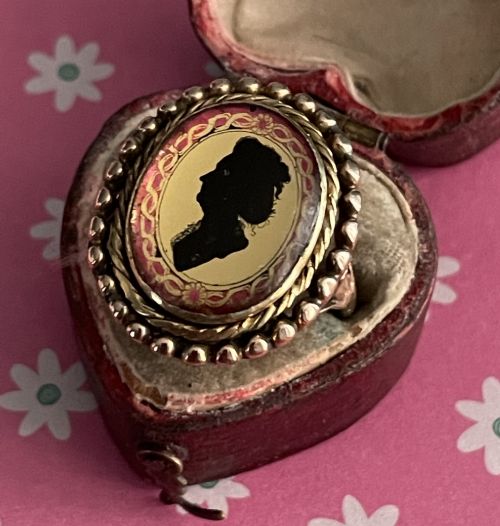
- Verre Eglomise
- A traditional technique of applying a cold painting and gold leaf design to the rear face of glass, creating a reflective silhouette portrait.
Gold Cameo Jewellery: Frequently Asked Questions
How do I care for antique shell cameos?
Shell is a natural organic material sensitive to harsh chemicals, perfumes, and excessive moisture. Clean the surface gently with a soft, dry cloth and avoid submerging the piece in water.
Store each item individually in a lined box to protect the delicate relief from friction against other jewellery. Natural oils from human skin help maintain shell moisture over long periods.
What is the difference between shell and hardstone cameos?
Shell cameos utilise natural marine shells like conch or helmet shell, yielding warm tones and slightly softer surface details. Hardstone cameos employ banded minerals such as agate and onyx, offering greater durability and crisper monochromatic contrast.
Hardstone variants typically require longer carving hours due to the hardness of the quartz material. Both types held immense popularity throughout the nineteenth century.
How can I date my gold cameo jewellery?
Examine the construction of the metal mount, the style of the clasp or pin, and the subject matter depicted. Georgian pieces often feature closed-back settings and heavy hand-carved motifs, while Victorian examples frequently incorporate elaborate frame chasing.
Edwardian and later iterations tend toward lighter mounts, refined millegrain work, or distinctive art deco geometry. Hallmarks, where present, provide definitive metallurgical and geographical clues.
Were these pieces worn every day?
Nineteenth-century wearers integrated cameo brooches and rings into daily mourning and daytime walking attire. Larger theatrical pieces served primarily for evening galas and formal gatherings.
Matching suites, known as parures, allowed wearers to coordinate earrings, necklaces, and brooches for grand social occasions. Their robust gold mountings ensured survival across generations of active use.