

Gold Bronze Light Fixture
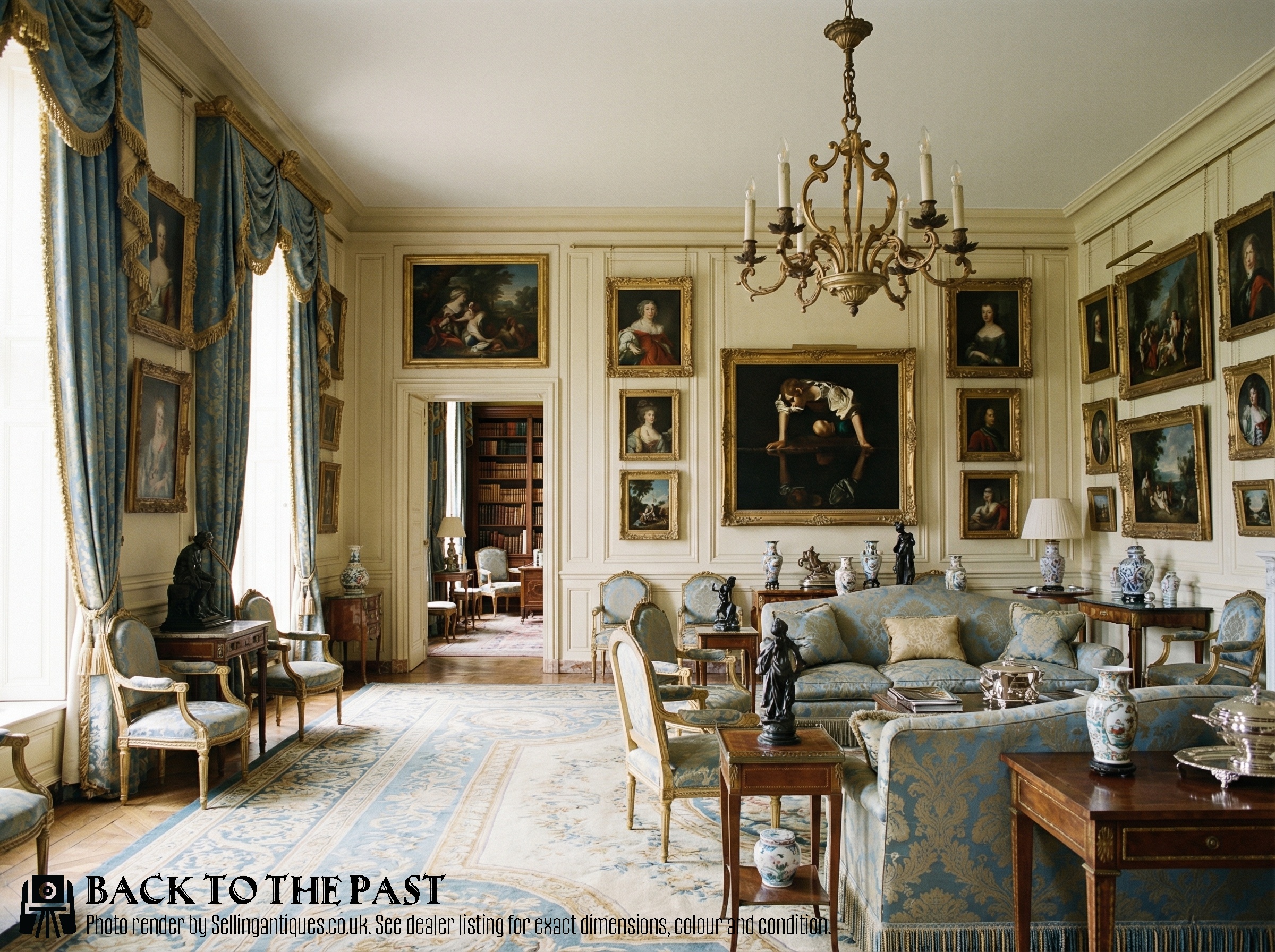
A gold bronze light fixture brings brilliant illumination and period character into a room, combining rich metallic surfaces with traditional hanging forms.
Gold Bronze Light Fixture
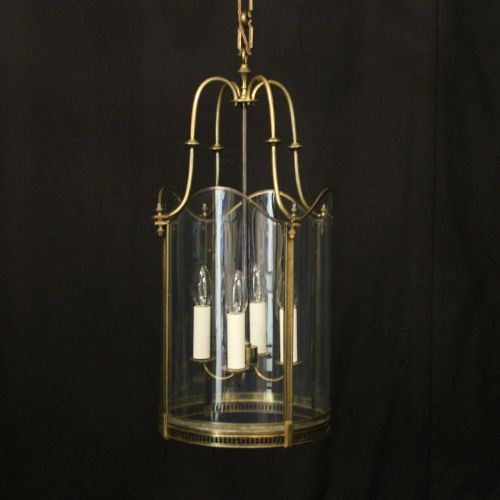
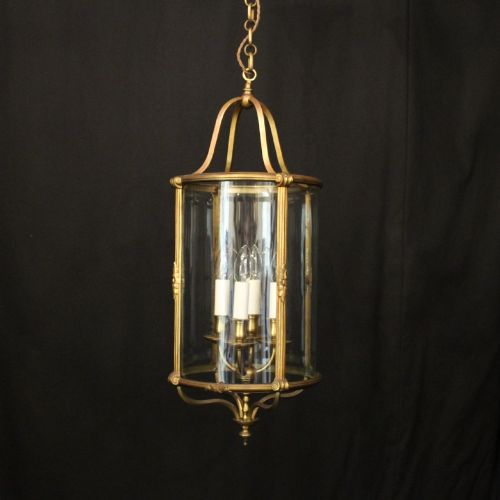
A gold bronze light fixture encompasses ornamental chandeliers, wall lights, and hall lanterns sourced primarily from French workshops spanning the Victorian era through the 1930s. Buyers searching this phrase look for statement illumination pieces that combine functional lighting with decorative metalwork and glass.
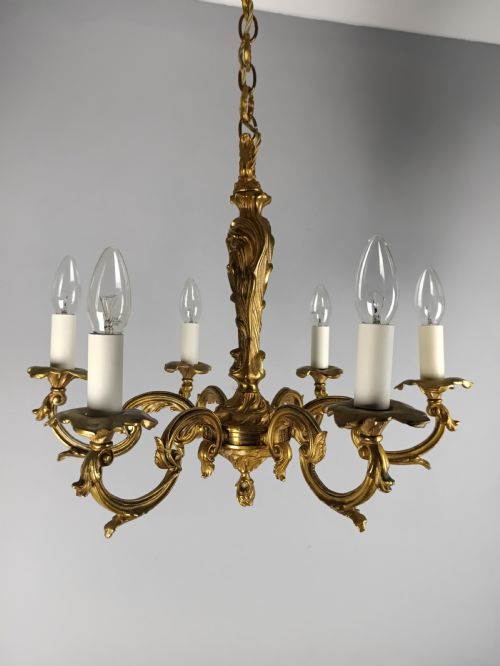
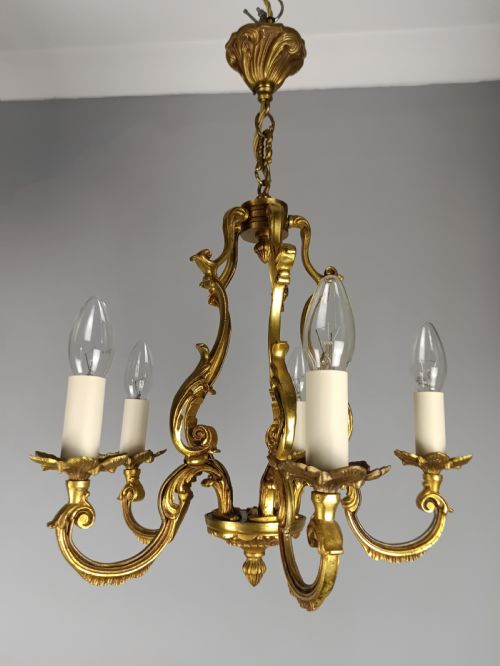
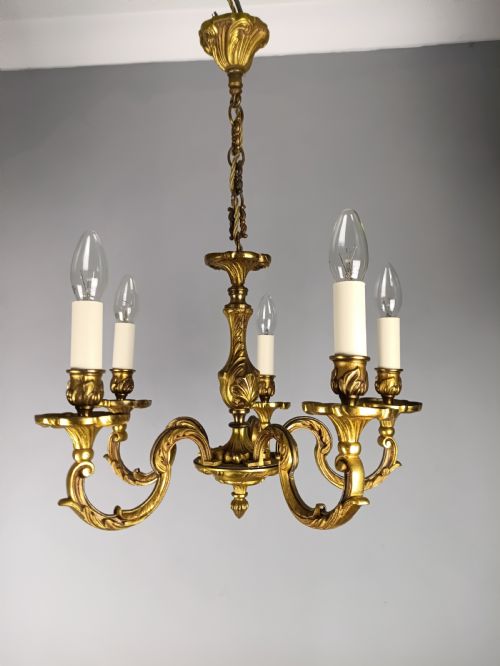
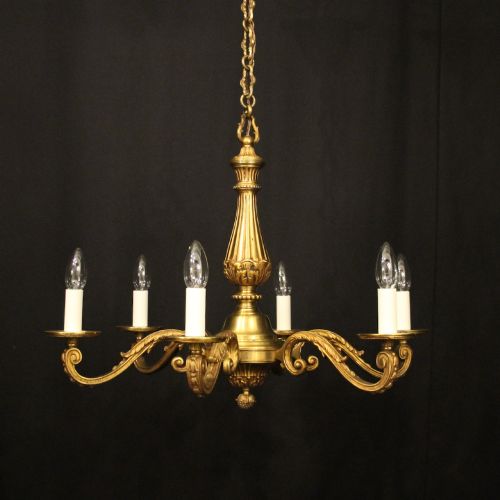
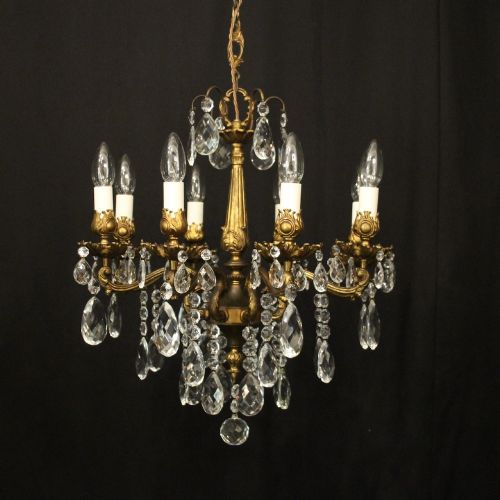
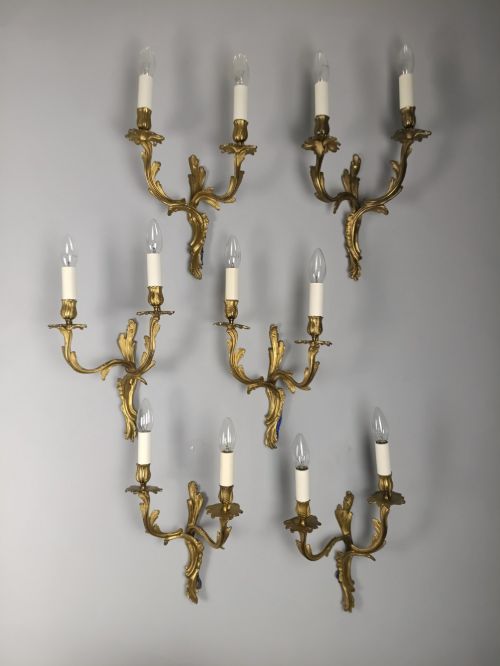
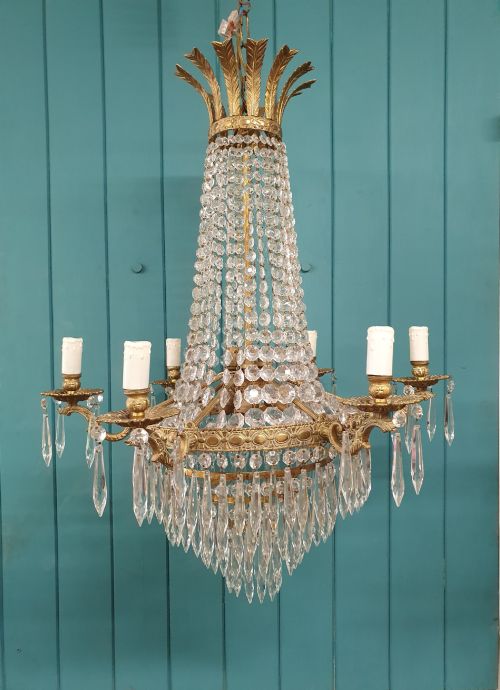
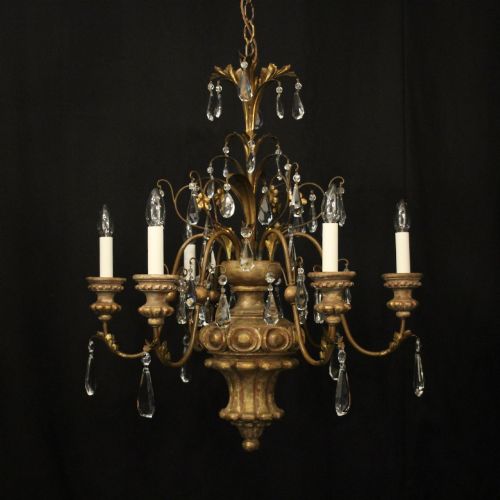
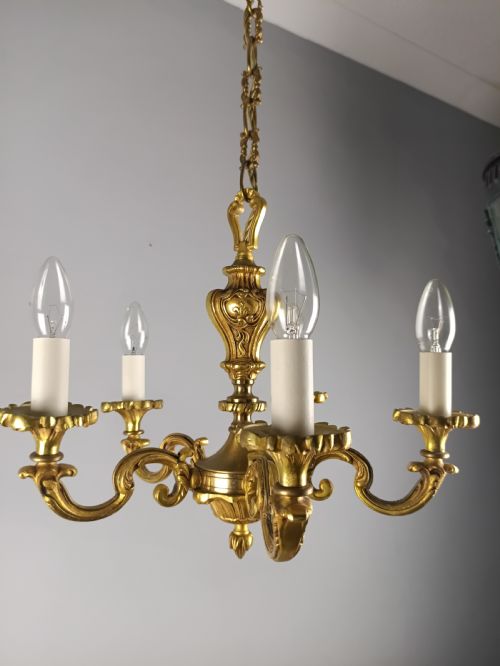
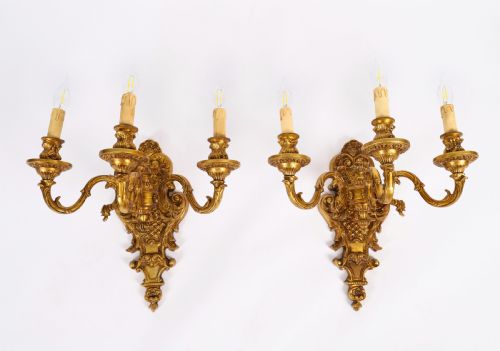
The most common examples on this page are multi-arm chandeliers and matched pairs of wall sconces adhering to French Neoclassical, Empire, and Rococo styles. These pieces rely on gilded bronze, brass, and crystal components to create focal points within domestic interiors.
Materials and Construction
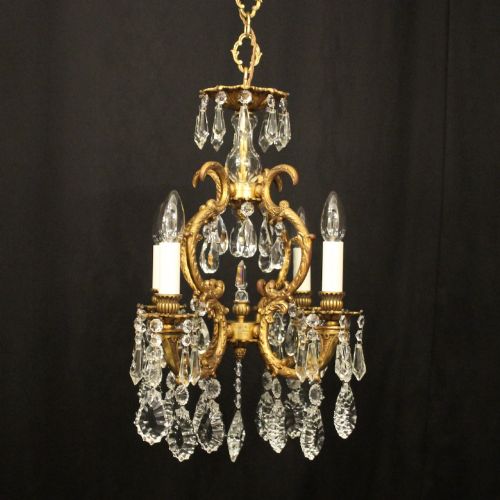
Manufacturers utilised cast bronze and brass as the structural basis for these fixtures, applying fire gilding or surface plating to achieve a rich golden tone. Crystal drops, spikes, and waterfalls were integrated to refract the light produced by multiple candle or bulb arms.
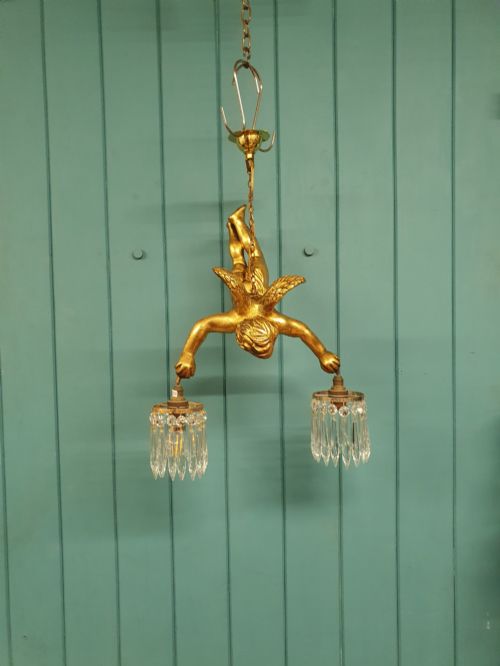
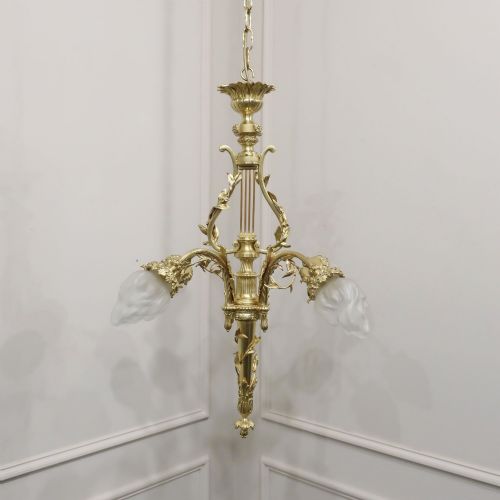
Makers shaped the metal into intricate scrolling arms, leaf decorations, and classical motifs such as lyres and ram's head masks. Assembly involved securing cast components together mechanically, incorporating cut glass pendants and convex glass panes within lanterns.
The listings on this site span periods from the 19th century through 1930, capturing French Empire, Rococo Revival, and Neoclassical design influences.
Assessing Quality
The standard of a gold bronze light fixture depends upon the crispness of the metal casting and the depth of the chased detailing on mounts and arms. Finer examples display sharply defined ornamentation without surface blurring or soft edges.
Weight and material selection also set pieces apart, with solid gilt bronze and heavy cut crystal commanding distinction over lighter brass alternatives. The integration of components, from balanced arm symmetry to hand-cut crystal drops, dictates the overall refinement of the fixture.
The Gold Bronze Light Fixture Glossary
- Ormolu
- Gilded bronze, where a gold-mercury amalgam is applied to a bronze base and heated to leave a durable metallic coating. This finish provides the characteristic warm lustre seen on finer period mounts.
- Sconce
- A wall-mounted lighting fixture designed to hold candles or electric lamps. Pairs of these fixtures are frequently styled with scrolling arms and decorative backplates.
- Tent and waterfall
- A chandelier configuration featuring strings of crystal beads forming an upper tent shape above a cascading waterfall of further crystals. This arrangement maximises light refraction across the room.
- Chasing
- The manual tooling of cast metal surfaces with punches and hammers to sharpen details and add texture. Skilled chasing separates mass-produced metalwork from hand-finished examples.
- Lyre
- A classical stringed instrument shape utilised as a decorative central motif in Neoclassical lighting frames. The symmetrical curved form supports multiple lighting arms.
Gold Bronze Light Fixture: Frequently Asked Questions
How do I hang a heavy chandelier?
Heavy fixtures require anchorage directly into ceiling joists or structural timber using rated steel hooks and fixings. Professional electrical and structural installation ensures safety when supporting cast bronze weight.
Connecting the internal wiring to the building supply should be handled by a qualified electrician, particularly when adapting vintage fittings for modern voltage.
Can these antique fixtures be rewired?
Most period lighting can be adapted for modern electrical standards while preserving the original metalwork and external appearance. Rewiring allows safe daily use in contemporary homes.
Internal channels and candle tubes are updated during the rewiring process to accommodate modern lamp holders without altering the historical exterior.
How should I clean gilded bronze?
Dusting gently with a soft, dry brush prevents the accumulation of grime on delicate surfaces without harming the gilded layer. Avoid abrasive cloths or chemical cleaners that strip the metallic finish.
Crystal components can be cleaned individually using a mild soapy solution before being carefully dried and rehung on the frame.
What is the difference between an Empire and a Rococo fixture?
Empire pieces draw on classical Greek and Roman symmetry, featuring clean architectural lines, laurel wreaths, and star motifs. They project formal elegance and balanced proportions.
In contrast, Rococo designs embrace asymmetry, organic leaf scrolls, and flowing curves inspired by natural forms. These fixtures display exuberant ornamentation and dynamic movement across the arms.