

Gold Brass Light Fitting
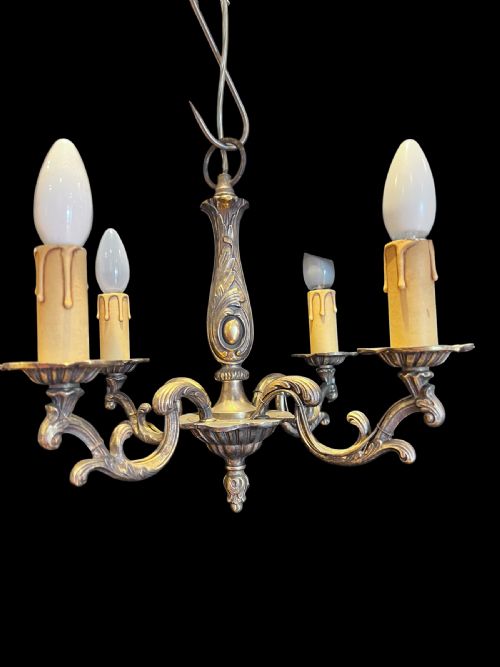
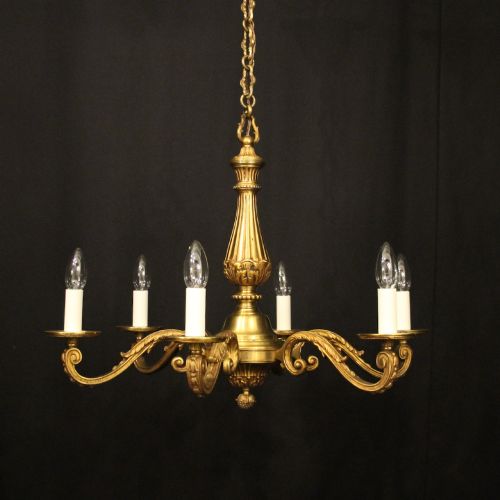
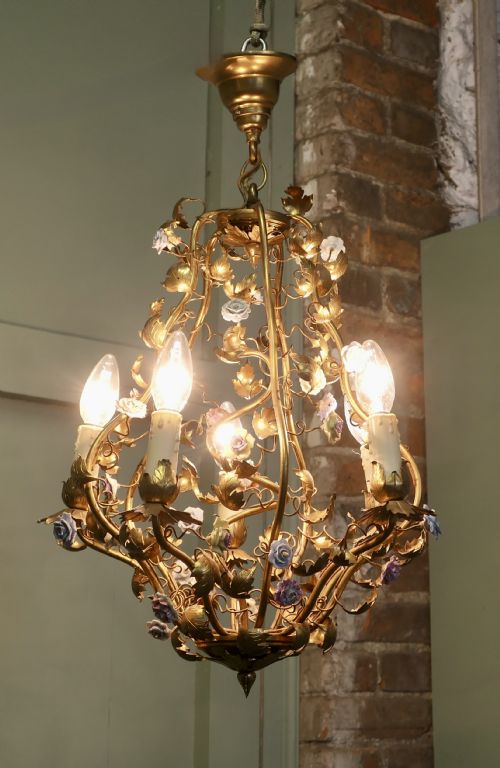
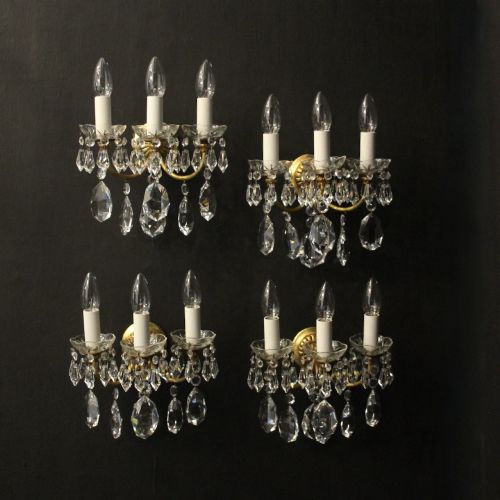
A gold brass light fitting brings warmth and period character to a room through cast metal, crystal, and glass.
Gold Brass Light Fitting
A gold brass light fitting encompasses a range of domestic lighting forms designed to illuminate interiors with metallic lustre and decorative glass. When searching for a gold brass light fitting, buyers encounter items dating from the nineteenth century through the early twentieth century, including Edwardian examples and pieces from the nineteen-thirties.
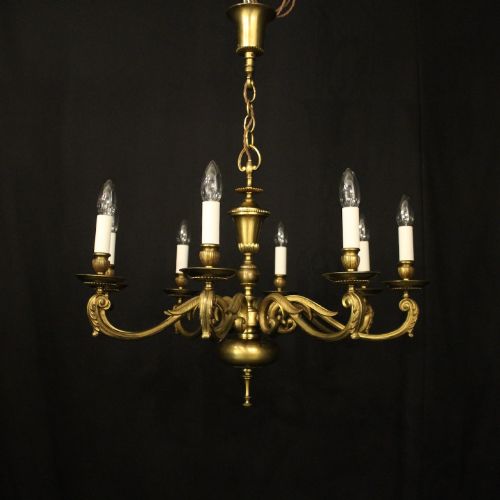
The selection centres heavily on grand chandeliers, hall lanterns, and wall lights alongside occasional table lamps. French designs dominate the offerings, frequently rendered in styles such as French Rococo, French Empire, and French Neoclassical, alongside English and Italian variants.
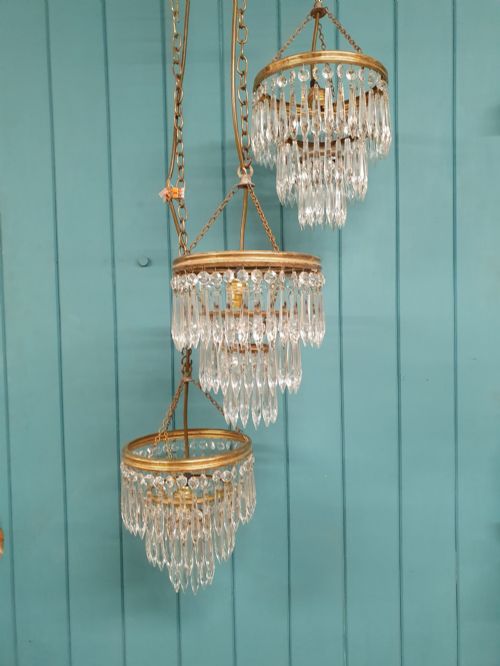
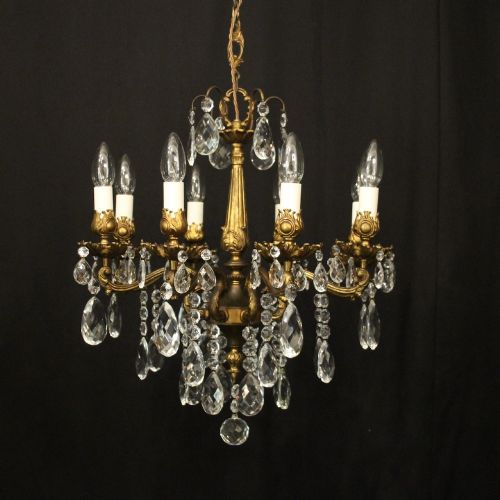
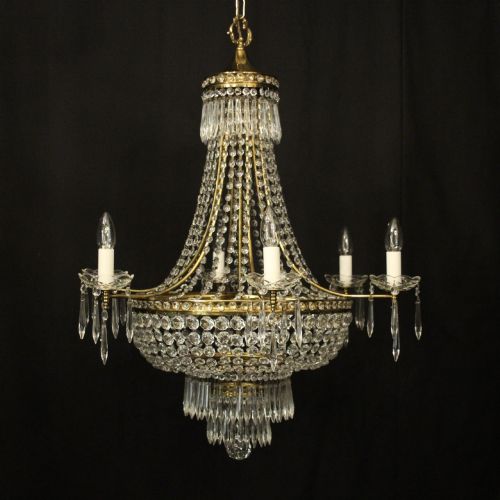
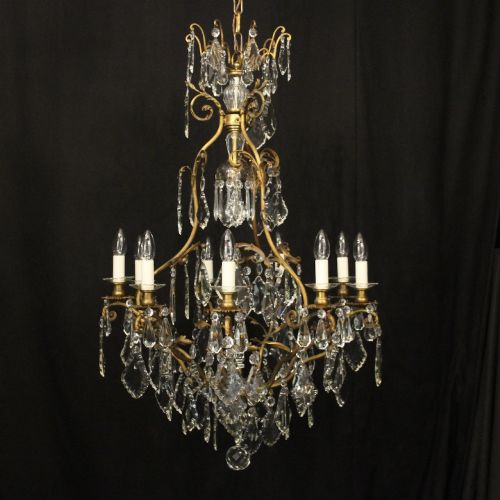
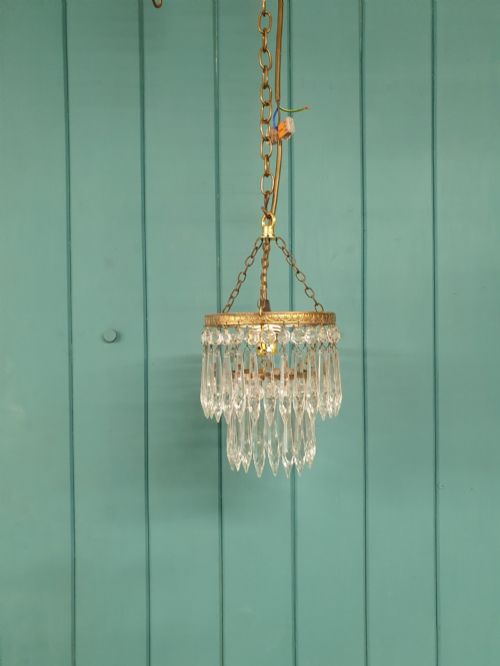
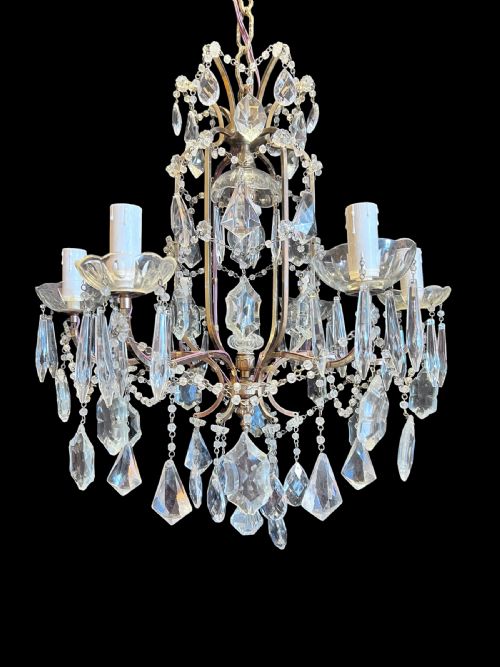
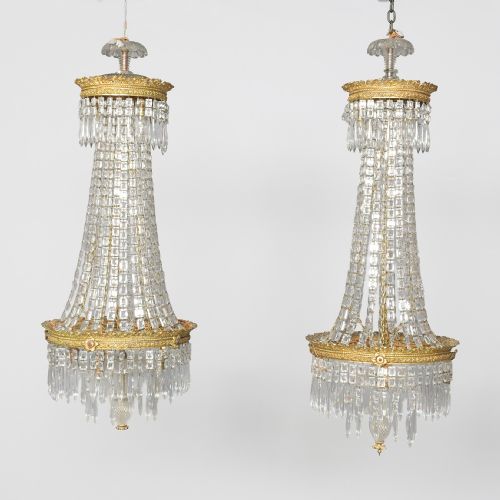
Multi-light chandeliers form the core of the available options, ranging from small single-bulb fixtures to elaborate eleven-light fixtures adorned with crystals. Buyers will regularly find forms featuring tent and waterfall crystal arrangements or gilded bronze frames.
Distinctions in craftsmanship
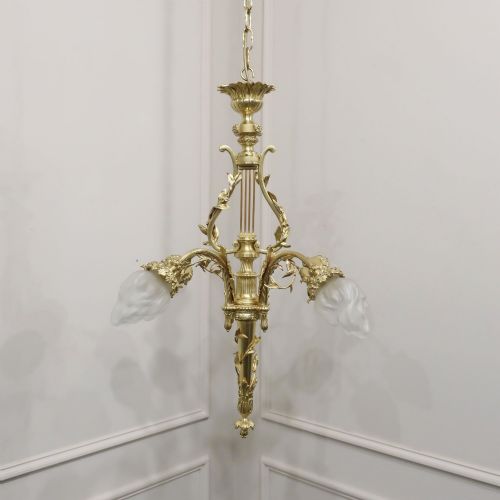
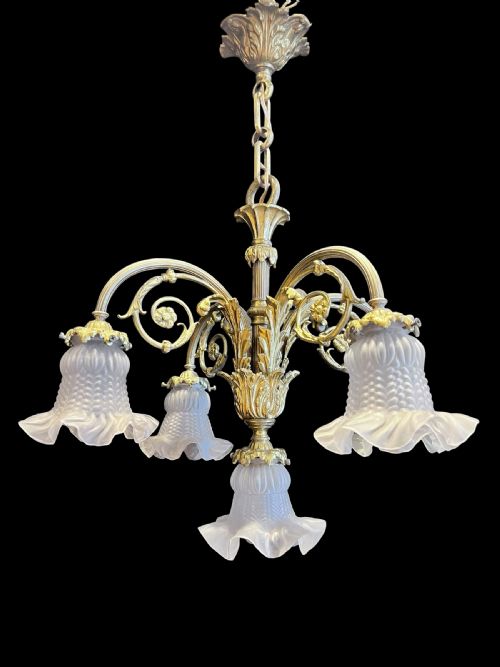
The distinction between standard production and superior craftsmanship lies in the crispness of metal casting and the complexity of the design. Finely chased bronze and cast brass elements exhibit sharp detail in ornamental motifs like lion masks and leafy scrolls, whereas simpler pieces rely on basic assembly.
Quality also manifests in the integration of the glass and crystal components, where hand-cut drops and well-fitted prisms create superior light refraction compared to moulded glass substitutes. The overall weight, structural integrity of the arm assemblies, and depth of the gilding further separate standard utility pieces from high-grade decorative works.
French design dominates the material record, encompassing French Empire, Neoclassical, and Rococo styles alongside Edwardian and mid-century modern examples.
The Gold Brass Light Fitting Glossary
- Gilt bronze
- Bronze that has been treated with a thin layer of gold or gold-coloured wash to give it a rich metallic finish. This material is frequently found on French chandeliers from the early twentieth century.
- Tent and waterfall
- A specific configuration of crystal drops where an upper canopy forms a tent shape above a cascading waterfall of lower strands. This arrangement maximises light reflection.
- Hall lantern
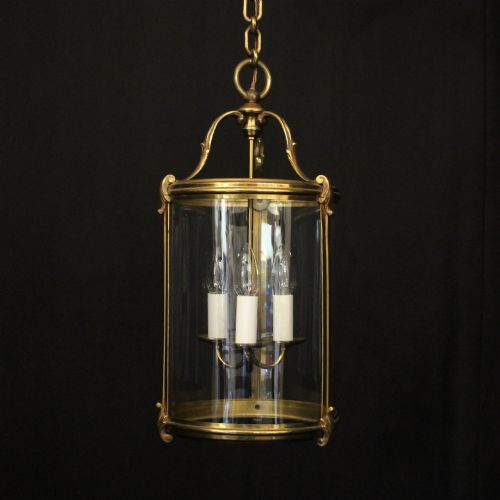
- An enclosed ceiling-hung light fixture designed originally for entranceways and corridors. These often feature convex glass panels within a brass or gilt bronze frame.
- Ormolu
- Finely ground high-carat gold mercury-gilded onto a bronze base metal, common in neoclassical decorative arts. It provides a bright, lasting golden surface on period light fittings.
Gold Brass Light Fitting: Frequently Asked Questions
How do I clean an antique crystal chandelier?
Cleaning requires a mild solution of warm water and a gentle cleaning agent applied carefully by hand to each crystal drop. Metal frames should be wiped gently with a dry or slightly damp cloth to avoid damaging the gilt surface.
Taking down smaller crystals individually allows for thorough cleaning without stressing the central brass or bronze armature. Harsh chemical sprays should be avoided to preserve the original finish.
What periods do these light fittings come from?
The pieces span the late nineteenth century through the early twentieth century, incorporating Edwardian designs and fixtures from the nineteen-thirties. Many items reflect earlier historical revivals popular during these eras.
Stylistic influences include French Empire, Rococo, and Neoclassical designs adapted by period manufacturers. Dating is typically determined by construction methods, materials, and stylistic markers.
Can these vintage lights take modern bulbs?
Most period fittings can accommodate modern LED or standard bulbs provided the internal wiring meets current safety standards. Rewiring is frequently recommended for older pieces to ensure safe domestic operation.
Consulting a qualified electrician ensures that the lamp holders and internal circuits safely match contemporary electrical requirements. Bulb wattage should remain within the safe thermal limits of the original socket designs.
Where were these brass light fittings originally used?
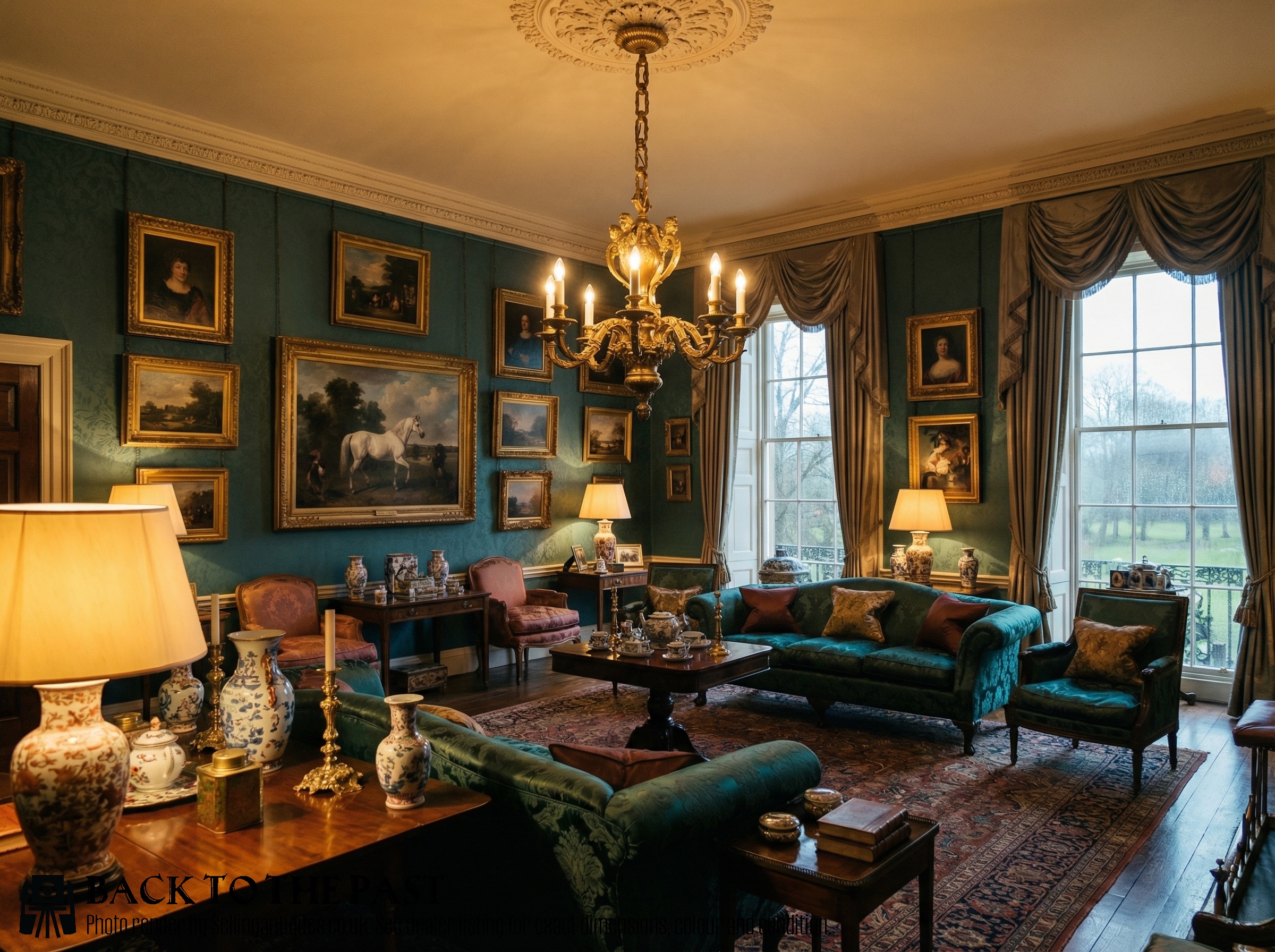
These fixtures were principally manufactured for formal reception rooms, grand hallways, and dining spaces in period domestic architecture. Smaller wall lights and pendants served corridors, boudoirs, and secondary rooms.
French chateaux and urban townhouses provided the primary settings for the more elaborate gilded bronze and crystal chandeliers. English and Italian variants similarly illuminated period drawing rooms and stately homes.