






Glazed Wooden Display Case
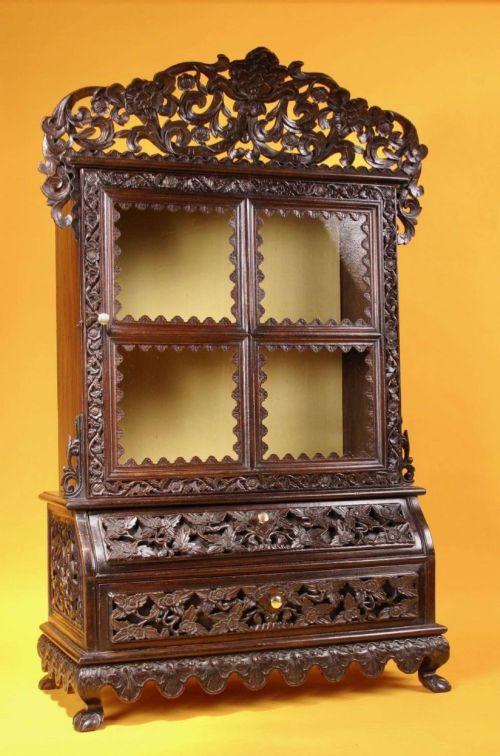
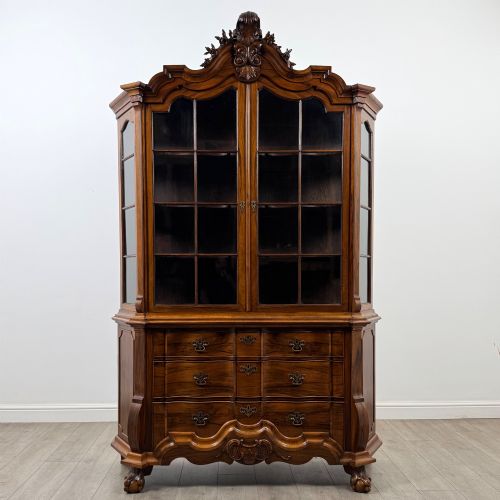
A glazed wooden display case protects and frames collections, shifting ordinary curiosities into proper focus.
Glazed Wooden Display Case
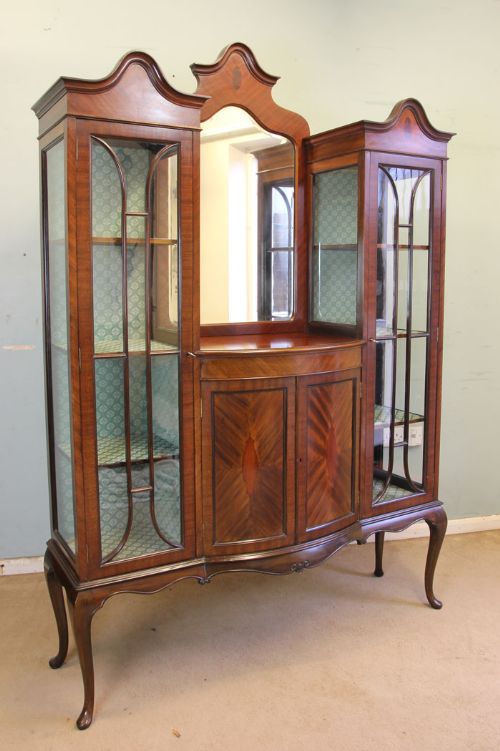
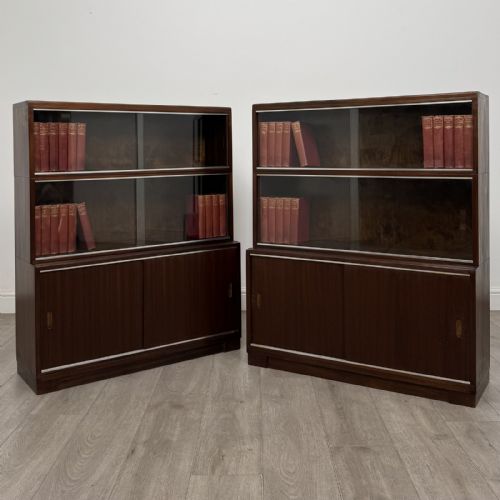
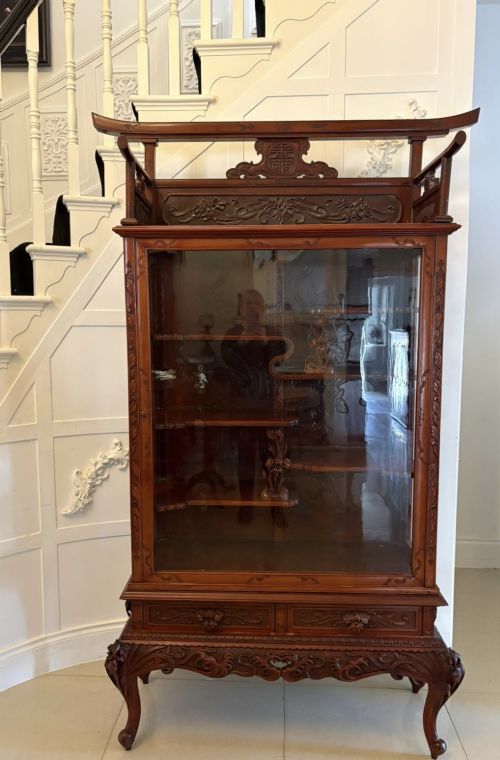
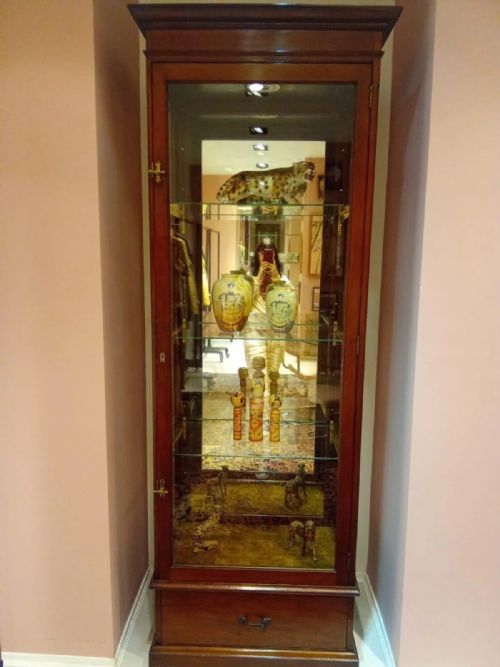
A glazed wooden display case covers a wide span of domestic and commercial furniture, ranging from tall Edwardian vitrines to low countertop cabinets and wall-mounted wall cases. The pieces appearing in this selection draw primarily from the Victorian and Edwardian eras, alongside commercial and domestic examples from the 1920s and 1930s.
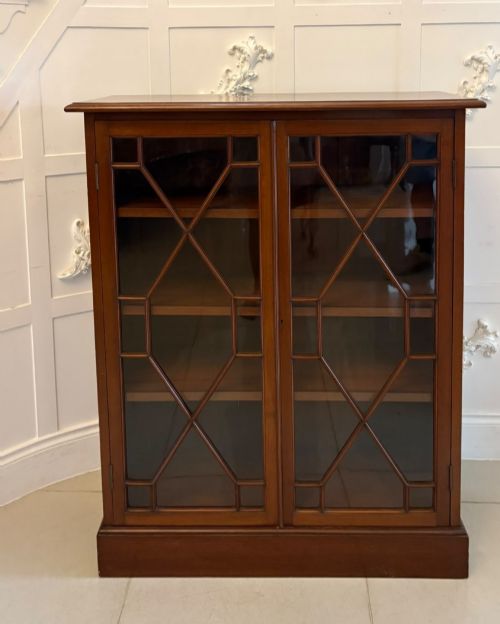
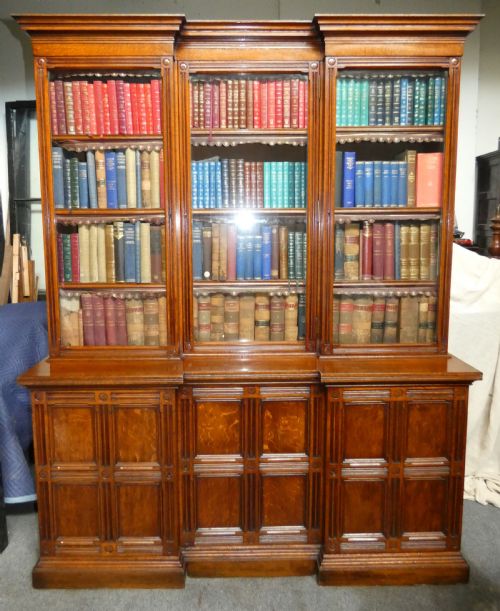
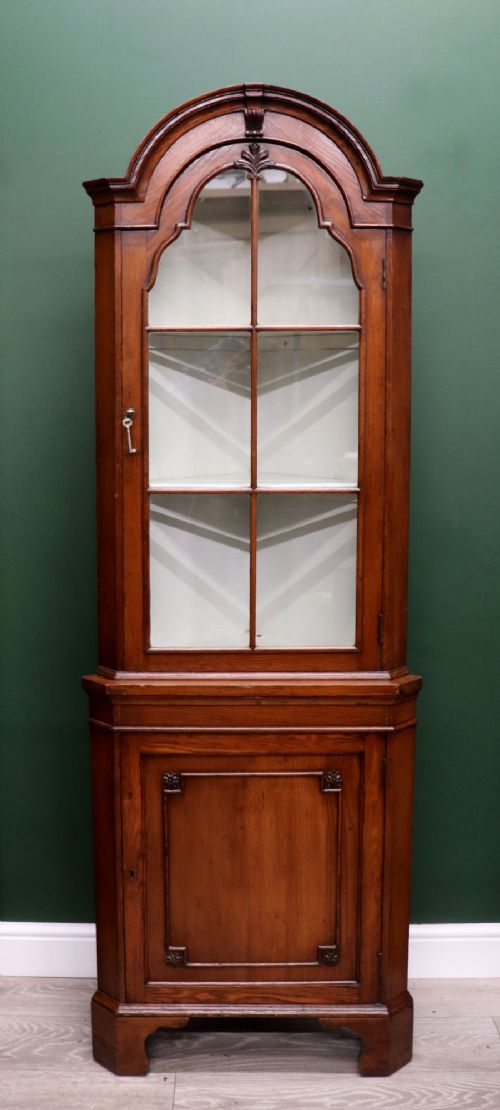
Buyers encounter everything from floor-standing mahogany and walnut bookcases with glazed doors to small table-top collectors cabinets, corner units, and specialised items like shop counters and taxidermy cases. The overarching form serves the single purpose of exhibiting objects clearly while shielding them from dust.
Materials and construction
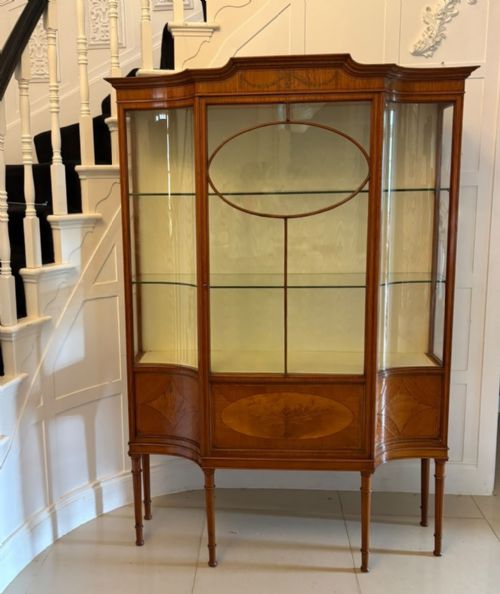
Cabinet makers relied predominantly on hardwoods such as mahogany, oak, and walnut, often accentuating the exterior surfaces with satinwood inlay, marquetry, or painted details. Structural framing accommodates glazed panels and doors, permitting maximum light penetration to the interior shelves.
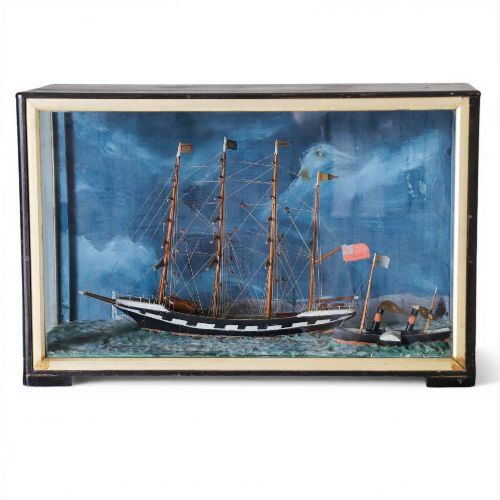
Interior fittings reflect the intended function of each glazed wooden display case, utilising adjustable wooden or glass shelving, brass hardware, and occasionally lined backs for key cupboards, dioramas, and retail displays.
Glazed Wooden Display Case Retail Price Guide 2026
Typical asking prices for glazed wooden display case among the pieces listed under this phrase on Sellingantiques today, from the lower quarter to the upper quarter. They describe what is for sale here now, not the wider market.
One remarkably specific historic listing records a night porter's lined key cupboard.
Craft and proportion
Quality rests heavily on the crispness of the cabinet work, the integration of timber veneers like satinwood, and the subtlety of inlay or carving. Finer examples display balanced proportions, tight joinery, and well-seasoned timbers that have retained their structural integrity over the decades.
The sophistication of the glazing bars, the quality of the original glass, and the refinement of brass hinges and locks distinguish standard utility furniture from more ambitious workshop or commercial pieces.
W.F. Homer London
The Glazed Wooden Display Case Glossary
- Vitrine
- A glass-fronted display cabinet designed specifically for showing porcelain, curiosities, or fine objects. These freestanding cases usually feature glazed sides to maximise ambient light.
- Marquetry
- Decorative woodwork where small pieces of differently coloured wood veneer are assembled to form pictorial patterns. This technique frequently decorates the friezes and doors of late Victorian and Edwardian cabinets.
- Bow front
- A cabinet front that curves outwards in a convex sweep. This curved shaping demands precise carpentry, particularly when fitted with curved glass panels.
- Sheraton Revival
- A late nineteenth and early twentieth century design style drawing on the light, classical forms of eighteenth-century designer Thomas Sheraton. Cabinets in this style often incorporate satinwood banding and delicate tapering legs.
- Countertop cabinet
- A small glazed case built for retail or apothecary use, designed to sit upon a shop counter for close customer inspection. These pieces typically feature hinged or sliding rear doors for access.
Glazed Wooden Display Case: Frequently Asked Questions
Where should I place a floor standing cabinet?
Position your cabinet away from direct sunlight to prevent the timber veneers and interior linings from fading over time. Ensure the floor surface is level so the doors hang true and latch correctly against the frame.
Allow enough clearance around the piece for doors to open fully, particularly with corner units or wide two-door bookcases.
How do I adjust the internal shelving?
Many period cabinets feature adjustable wooden or glass shelves resting on brass ratchets, pegs, or wooden support strips. Carefully lift the shelf away from its supports before altering the bracket positions to avoid scratching the interior side panels.
Take your time balancing each shelf to ensure uneven displays do not strain the supporting hardware.
Can I use a shop display case at home?
Countertop and shop display cases integrate easily into domestic interiors, offering secure surface storage for small collections, minerals, or ceramics. Their glass panels and sturdy timber frames provide high visibility from multiple angles.
Commercial pieces often feature durable brass or painted hardware designed for frequent daily opening.
How do I distinguish Edwardian from Victorian cases?
Victorian cabinets generally employ heavier proportions, darker timbers like deep mahogany, and more robust carving or elaborate architectural cornices. Edwardian and Sheraton Revival pieces tend to exhibit lighter construction, brighter satinwood inlay, and airier neoclassical framing.
Examine the backboards, screw types, and secondary woods inside the carcass for further clues regarding the period of manufacture.