




Glazed Walnut Book Cabinet
A glazed walnut book cabinet brings warmth and orderly storage to a room, uniting timber and glass to protect cherished volumes.
Glazed Walnut Book Cabinet
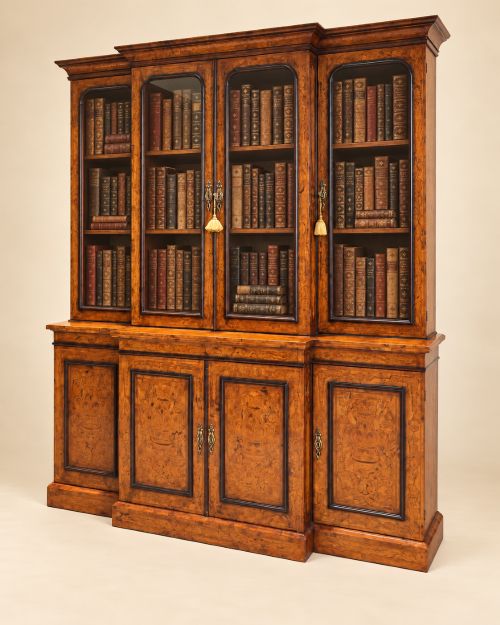
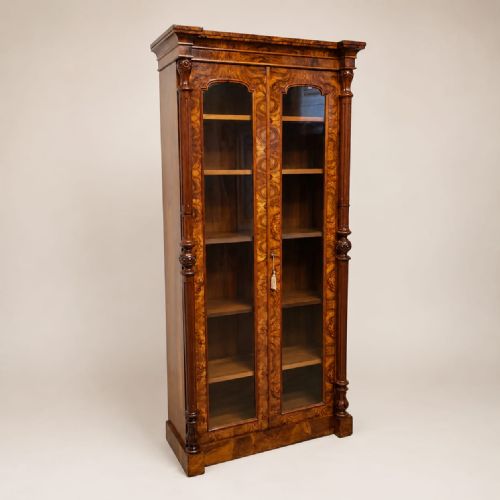
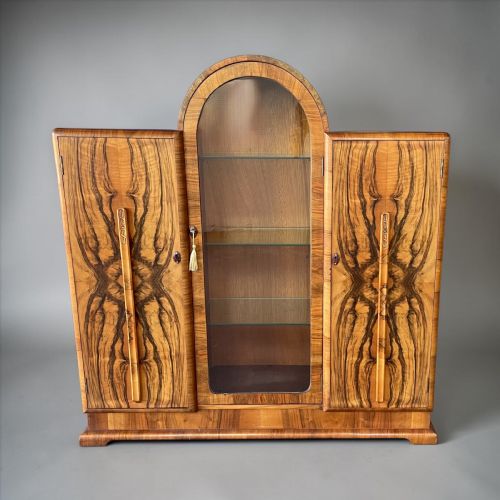
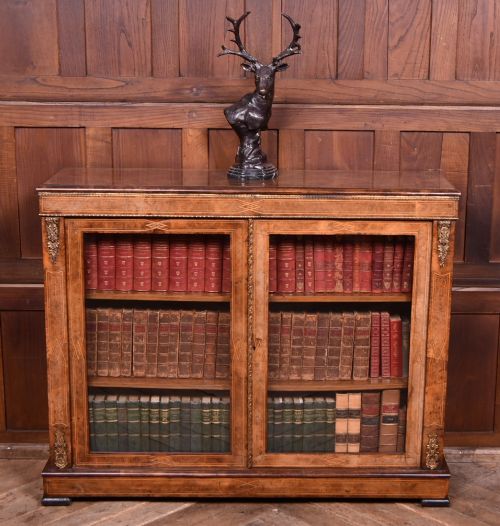
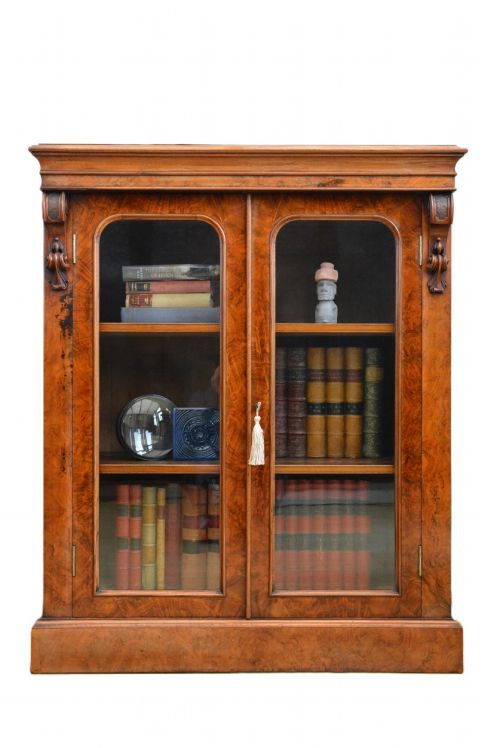
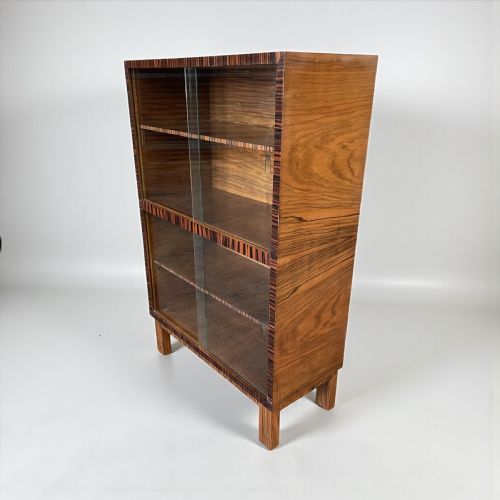
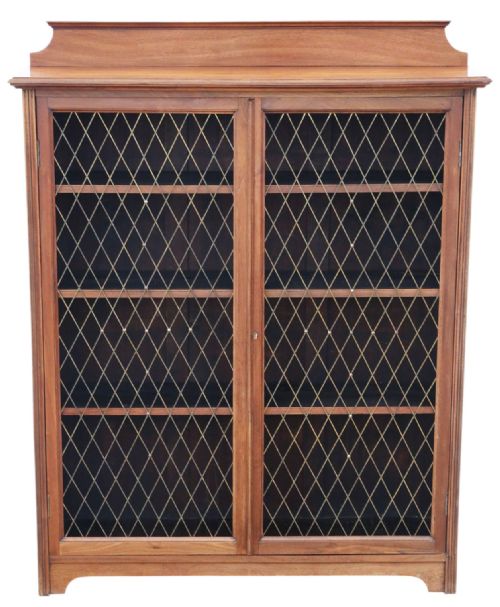
A glazed walnut book cabinet combines timber shelving with glass doors, designed to store and display volumes while keeping dust at bay. These pieces range from tall nineteenth-century library fixtures to compact Edwardian and Art Deco display cabinets.
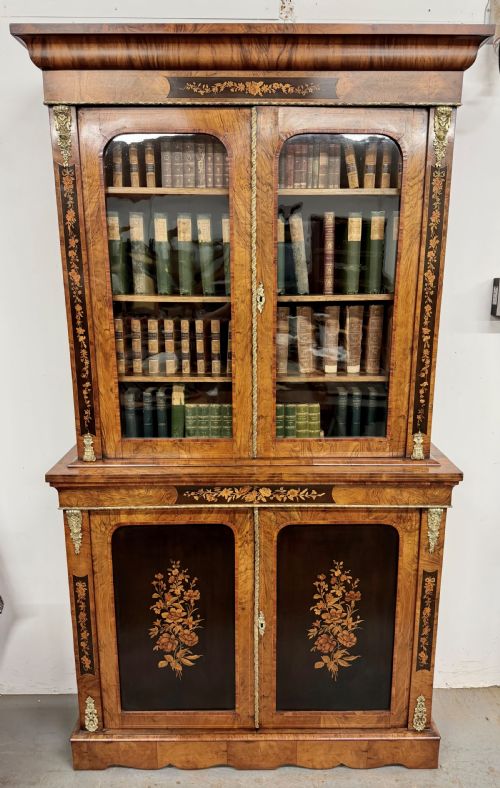
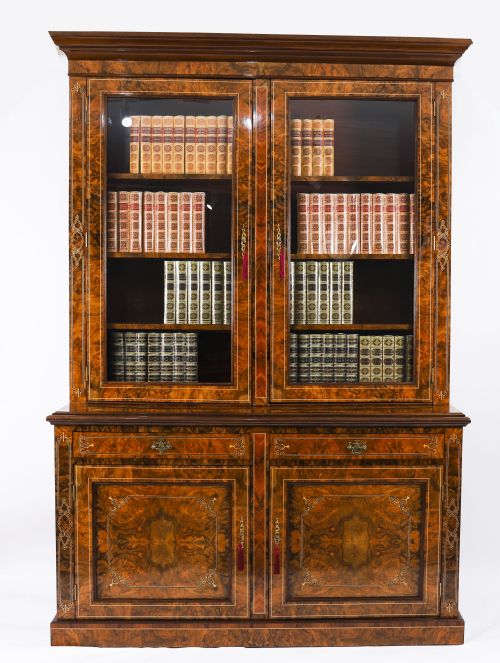
The version most commonly met on this page is the Victorian or Edwardian two-part cabinet, frequently constructed in figured or burr walnut with glazed upper doors and adjustable internal shelves.
Makers and workshops across the nineteenth and early twentieth centuries produced these items in various regional styles, including French Provincial, Queen Anne Revival, and Arts and Crafts.
Materials and construction
Makers utilised solid walnut and decorative veneers such as burr walnut, figured walnut, and sometimes mahogany over secondary timbers, adding grain movement and surface depth to the carcase.
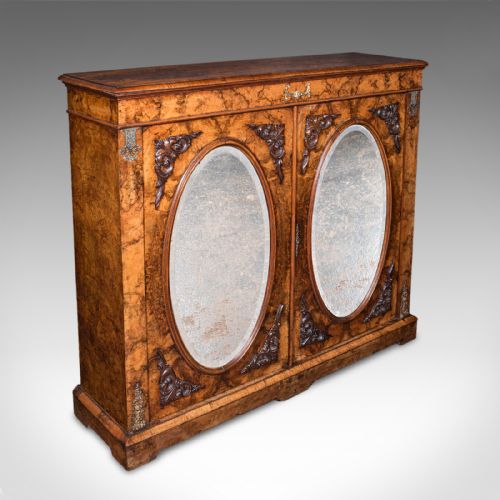
Brass fittings, boxwood stringing, ormolu mounts, and delicate marquetry inlays frequently decorate the exterior, while glass panels are secured within timber framing to form the viewing doors.
Listings feature periods from the Regency era through Victorian, Edwardian, and Art Deco, executed in walnut, burr walnut, and glass.
Assessing quality
Quality rests upon the selection of timber veneers and the precision of the cabinetwork, where matching grain patterns across doors and panels reveal the maker's hand. Superior examples display refined marquetry, tight joinery, and well-fitted adjustable shelving mechanisms.
The clarity of the glass, the weight of the brass hardware, and the integrity of the structural carcass further separate standard production pieces from fine cabinetmaker output.
Waring and Gillow·Holland and Sons
The Glazed Walnut Book Cabinet Glossary
- Burr walnut
- A prized timber harvested from tree growths, yielding highly figured, swirling grain patterns used for decorative veneer panels.
- Breakfront
- A cabinet design where the central section projects forward from the flanking outer sections, adding architectural depth.
- Pier cabinet
- A slender piece designed to fit wall spaces between windows or doors, frequently featuring glazed display doors.
- Marquetry
- Decorative patterns formed by fitting together thin slices of various wood veneers onto a structural surface.
- Ormolu
- Gilded bronze mounts and decorative details applied to furniture, seen on select refined cabinet examples.
Glazed Walnut Book Cabinet: Frequently Asked Questions
What are glazed walnut book cabinets?
These pieces are enclosed timber storage units featuring glass panel doors designed primarily for housing libraries and displaying decorative objects.
They appear in forms ranging from tall nineteenth-century uprights to low Edwardian cabinets and streamlined Art Deco display cases.
How were these cabinets used?
Historically, owners utilised them in parlours, libraries, and morning rooms to protect fine bindings and precious volumes from dust and handling.
The glass doors permitted viewing of book spines while keeping moisture and soot away from the paper contents.
How do I live with a walnut cabinet?
Place the cabinet away from direct sunlight and strong heat sources to prevent the walnut veneer from drying out or fading over time.
Regular dusting with a dry cloth keeps the polished timber and glass panels clear without requiring heavy chemical polishes.
How can I tell the periods apart?
Victorian and nineteenth-century pieces often display richer figuring, marquetry, or boxwood stringing, while Edwardian examples tend to be lighter in proportion.
Art Deco items introduce geometric lines, simplified forms, and waterfall edges distinct from earlier revival styles.