





Glazed Porcelain Box
A glazed porcelain box brings tactile elegance to a dressing table, offering a refined home for small treasures and powder.
Glazed Porcelain Box
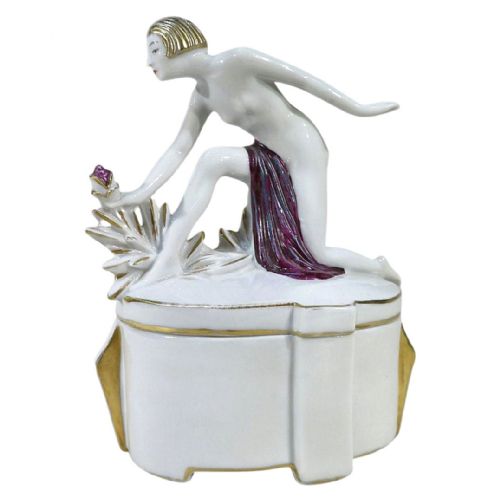
A glazed porcelain box serves multiple historical functions, frequently appearing on this page as trinket containers, vanity accessories, and powder jars. Buyers searching for a glazed porcelain box encounter diverse forms ranging from French Art Deco containers to antique Chinese vessels.
How they were made
Production relies on ceramic and porcelain bodies shaped into bowls, jars, and octagonal covered containers, finished with a smooth protective glaze. Artisans applied cobalt pigment and enamel painting to decorate surfaces, occasionally incorporating gilt highlights.
Many items combine moulded ceramic lids with utilitarian bases, utilising earthenware and stoneware alongside fine porcelain. French and German ateliers from the 1930s combined sculptural half dolls with functional powder bowls using specialised firing methods.
Glazed Porcelain Box Retail Price Guide 2026
Typical asking prices for glazed porcelain box among the pieces listed under this phrase on Sellingantiques today, from the lower quarter to the upper quarter. They describe what is for sale here now, not the wider market.
A whimsical Pierrot figure watches over powder bowls, bringing theatrical charm to the 1930s dressing table.
What varies in quality
Quality rests in the crispness of the moulding and the precision of hand-painted details, particularly on figurative lids and floral motifs. Finer pieces demonstrate superior glaze consistency and sophisticated pigment application rather than mere decorative complexity.
The pedigree of the maker and the preservation of delicate enamel work distinguish standard production items from superior examples. Weight, porcelain translucency, and the harmonious integration of lid and base determine the overall standard.
Limoges·Dorotheenthal Germany
The Glazed Porcelain Box Glossary
- Glaze
- A glassy coating fused to ceramic surfaces through firing, providing an impermeable and smooth finish. This layer protects the underlying body and enhances visual depth.
- Porcelain
- A hard, fine-grained ceramic material fired at high temperatures until vitrified. It remains white, dense, and non-porous.
- Cobalt Pigment
- A deep blue metallic colouring agent applied under the glaze before firing. It withstands high temperatures without fading.
- Famille Verte
- A palette of green enamel colours used in Chinese porcelain decoration. The style developed during the Qing Dynasty.
- Bonbonniere
- A small decorative container designed to hold sweets or confectionery. These objects often double as vanity table ornaments.
Glazed Porcelain Box: Frequently Asked Questions
What were powder boxes used for?
These containers held loose cosmetic face powder on dressing tables during the early twentieth century. Women applied powder using puffs stored inside the jars.
They also served to store small vanity items, trinkets, and hair accessories within reach of the dressing mirror.
How do I identify Art Deco boxes?
Art Deco pieces typically date around 1930 and often feature moulded flapper girls, half dolls, or geometric motifs. French and German factories produced numerous variations during this period.
Look for stylized figures, distinct hat designs, and characteristic colour palettes associated with 1930s fashion and interior design.
Are all these boxes made of porcelain?
The inventory includes items made from ceramic, earthenware, and stoneware alongside traditional porcelain. Glazing appears across all these material types to seal the surface.
Descriptions specify the exact ceramic body when distinguishing between fine porcelain and heavier earthenware wares.
How do I date an antique box?
Dating relies on stylistic markers such as 18th-century rococo curves, Edwardian manufacturing traits, or Lê Dynasty forms. Maker marks and regional pottery styles provide further chronological context.
Examining the glaze type, pigment style, and manufacturing technique helps separate older Asian and European pieces from 1930s items.