



Glazed Jewellery Case
A glazed jewellery case protects precious things under glass, bringing items of personal adornment into clear view.
Glazed Jewellery Case
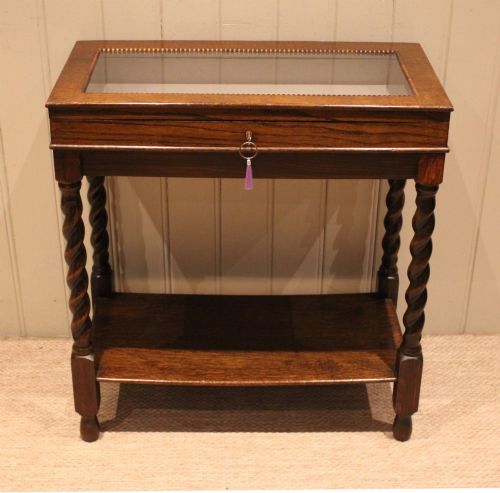
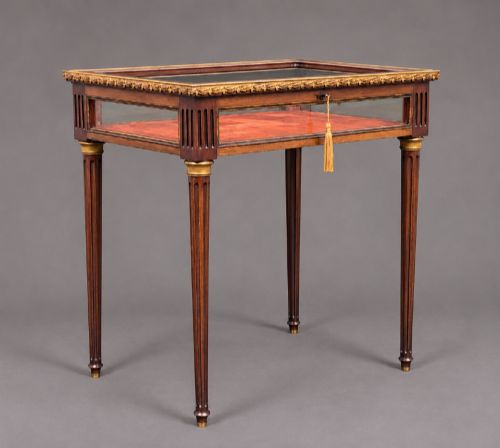
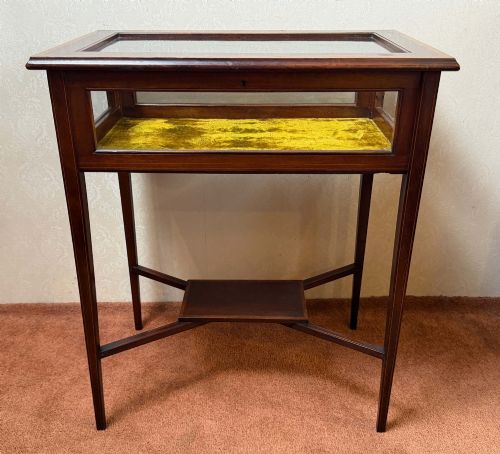
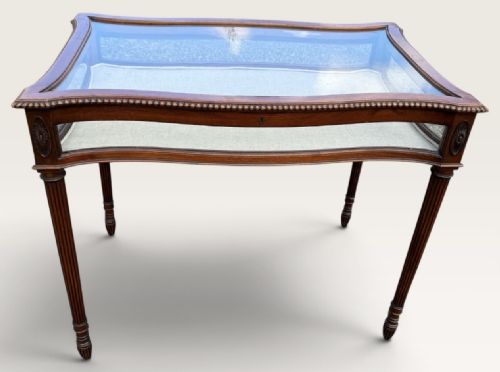
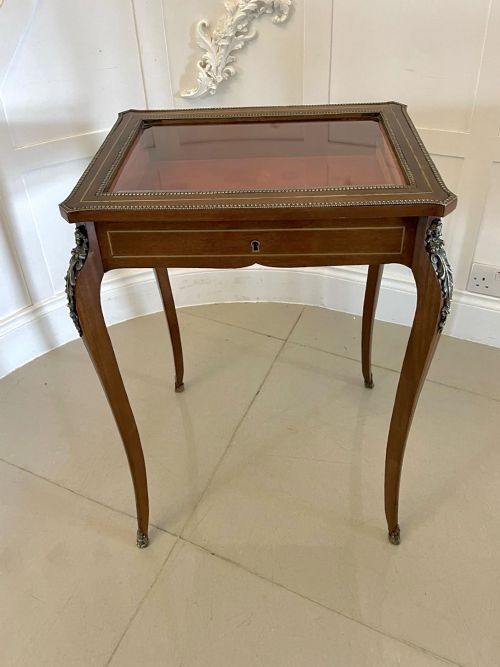
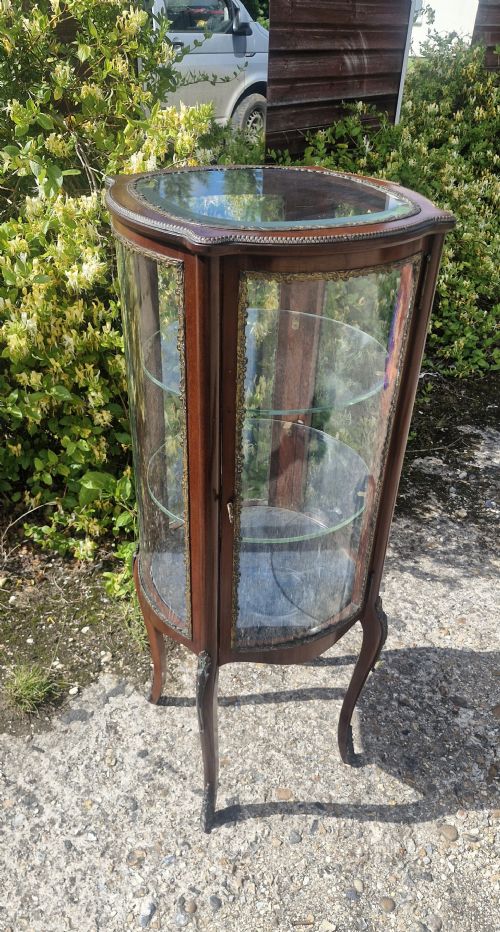
When searching for a glazed jewellery case, a buyer encounters pieces designed to hold personal treasures, taking the form of tabletop display cabinets, bijouterie tables, and countertop vitrines. The selection spans the Victorian and Edwardian periods into the nineteen-twenties and nineteen-thirties, with French and English examples appearing frequently.
Tabletop cabinets and serpentine bijouterie tables dominate the offerings, constructed to sit securely on counters or larger furniture. These containers merge timber frames with transparent panels to exhibit contents from above or the side.
Styles range from straightforward Edwardian mahogany models to French Rococo Revival and Louis XV designs featuring curved glass and ornamental metal mounts. Pieces vary from domestic dressing table accessories to larger shop display units intended for commercial trade.
Materials and Construction
Cabinetmakers utilised timber frameworks of mahogany, walnut, satinwood, and rosewood, frequently incorporating decorative inlays, marquetry, and crossbanding. Ormolu, brass mounts, and gilt metal details accent the wooden structures.
Transparent glass panels form the viewing areas, while interior surfaces commonly feature linings of velvet, satin, or fabric to cushion jewellery and small objects. Brass locks and hinges secure the opening sections.
Glazed Jewellery Case Retail Price Guide 2026
Typical asking prices for glazed jewellery case among the pieces listed under this phrase on Sellingantiques today, from the lower quarter to the upper quarter. They describe what is for sale here now, not the wider market.
Object types range from bijouterie tables and countertop display cabinets to French Rococo Revival vitrines.
Distinctions in Quality
Quality rests in the precision of the joinery and the selection of timber veneers, such as burr walnut or kingwood. Superior examples display refined brass or ormolu mounts that fit closely against the timber frame.
The sophistication of the internal lining and the clarity of curved or flat glass panels distinguish finer cabinets from utilitarian shop counters. Hand-cut marquetry and detailed inlay work elevate a piece above standard production.
The Glazed Jewellery Case Glossary
- Bijouterie table
- A glass-topped display table specifically designed for small ornaments and jewellery. These pieces often feature hinged lids.
- Ormolu
- Gilded bronze mounts applied to furniture for decorative effect. This technique appears frequently on French nineteenth-century cabinets.
- Marquetry
- Decorative woodwork where pieces of veneer form intricate pictures or patterns. It often adorns the tops of Edwardian display tables.
- Crossbanding
- A border of veneer laid with the grain running perpendicular to the main surface. This frames the panels of mahogany and satinwood cabinets.
- Vitrine
- A glass display cabinet used for showing valuables. The term covers both upright furniture and countertop cases.
Glazed Jewellery Case: Frequently Asked Questions
How were these cases originally used?
These cabinets served in domestic settings to display personal trinkets, medals, and rings upon dressing tables or drawing room surfaces. Retailers also utilised countertop versions to showcase goods to customers.
Interior linings of velvet or fabric provided a soft bed for delicate items, keeping them organised and visible under glass.
How do I date a mahogany display case?
Dating relies on stylistic clues and construction methods, observing whether the piece follows Victorian proportions or Edwardian inlay patterns. Edwardian examples often display lighter satinwood banding.
French pieces from the nineteenth century frequently incorporate Louis XV revival curves or heavy ormolu mounts that mark their period.
What is the difference between a bijouterie table and a vitrine?
A bijouterie table incorporates a glazed compartment with a top-opening lid, functioning as both a table and a display case. A vitrine typically stands upright as a cabinet with glass doors on the front.
Both serve to exhibit items, but bijouterie tables focus on tabletop viewing access.
How do I care for the velvet lining inside?
Original velvet or fabric linings require gentle dry cleaning with a soft brush to remove dust without damaging the old fibres. Moisture can harm both the fabric and the surrounding timber framework.
Keeping the case out of direct sunlight prevents the fabric colours from fading over time.