

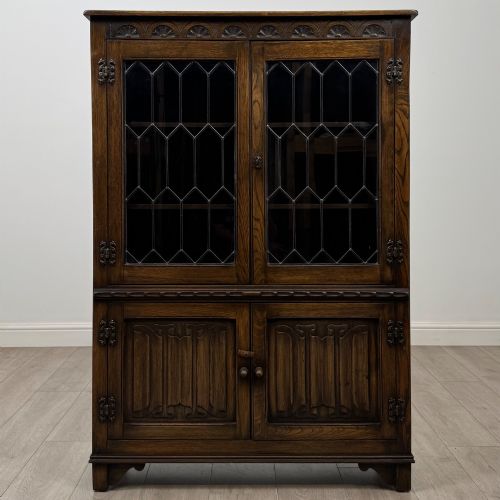
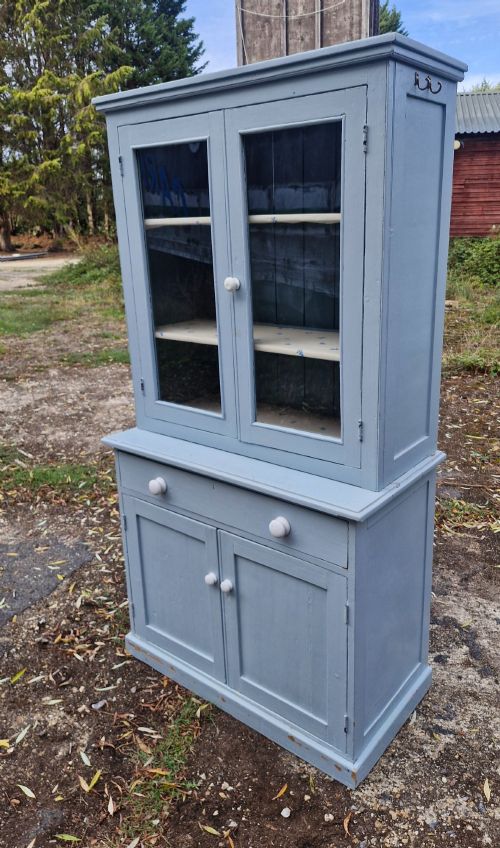

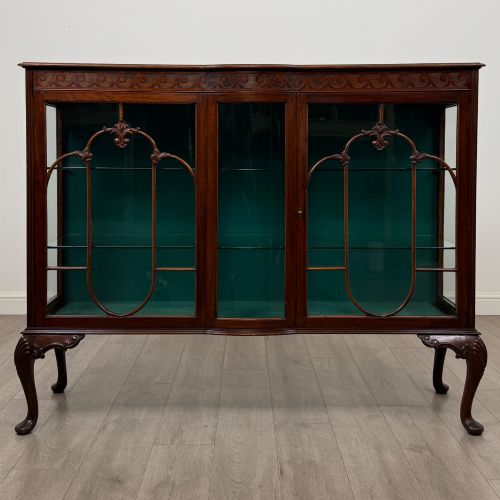
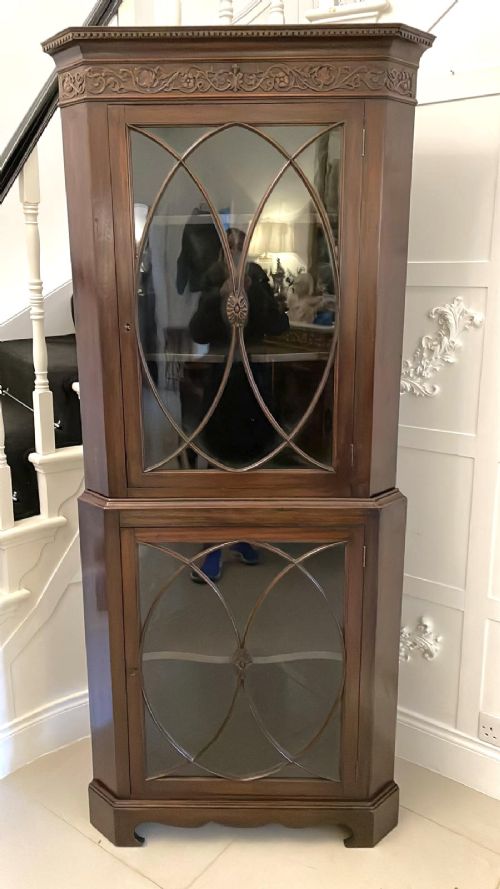
Glazed Display Unit
A glazed display unit brings visible order to collections, pairing timber frames with clear glass panels to protect cherished objects.
Glazed Display Unit
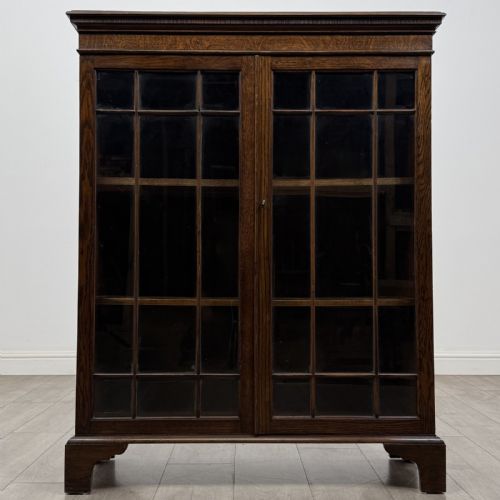
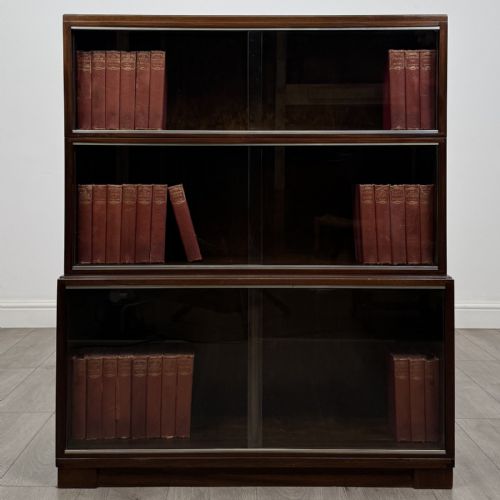
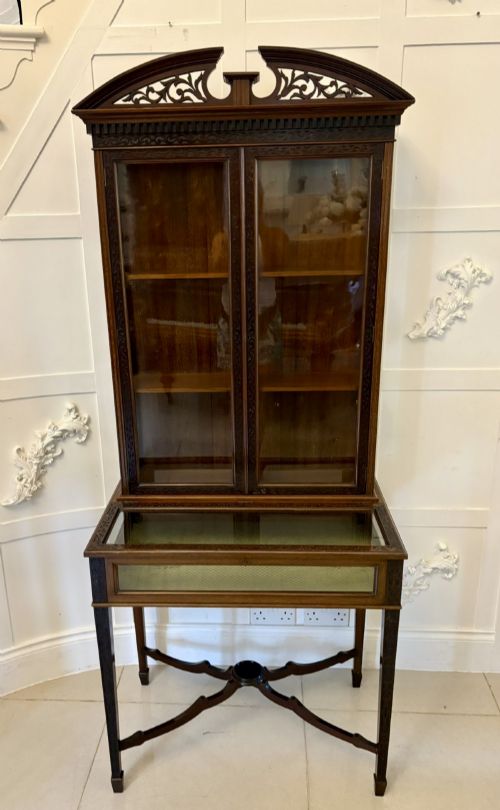
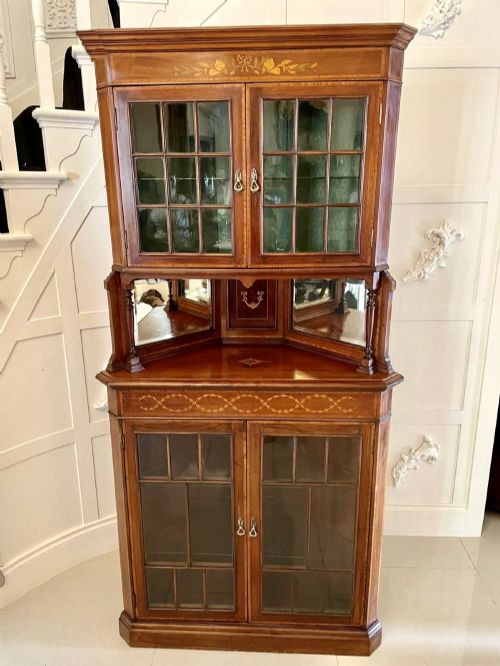
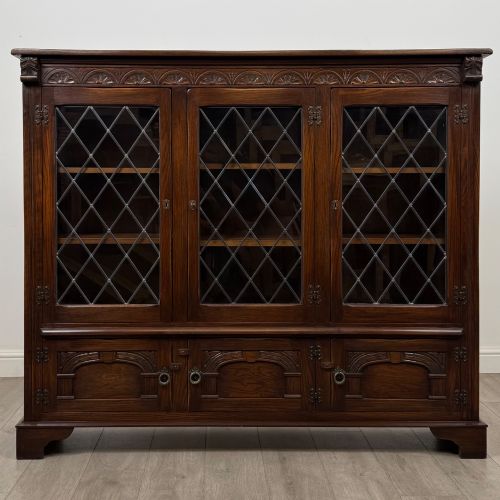
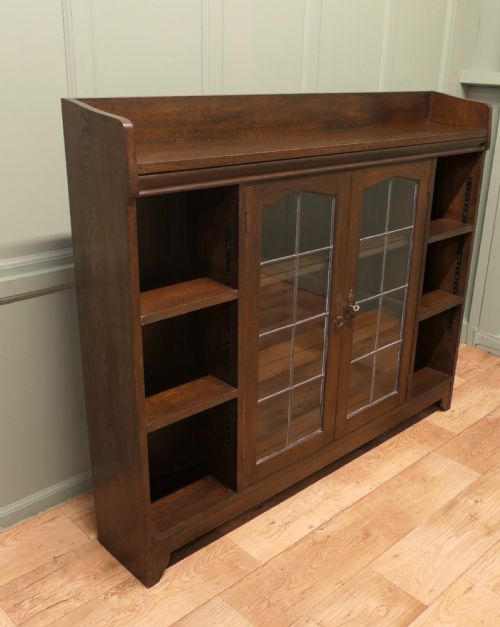
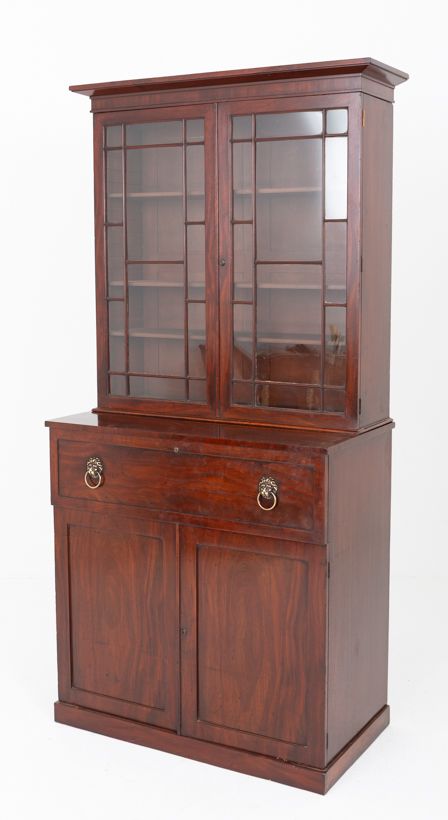
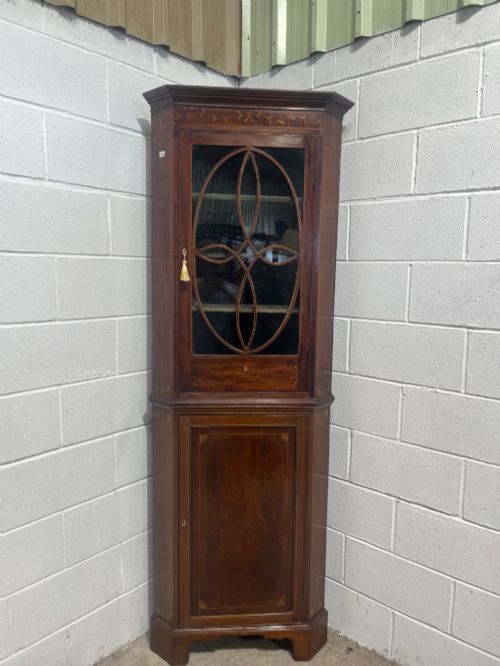
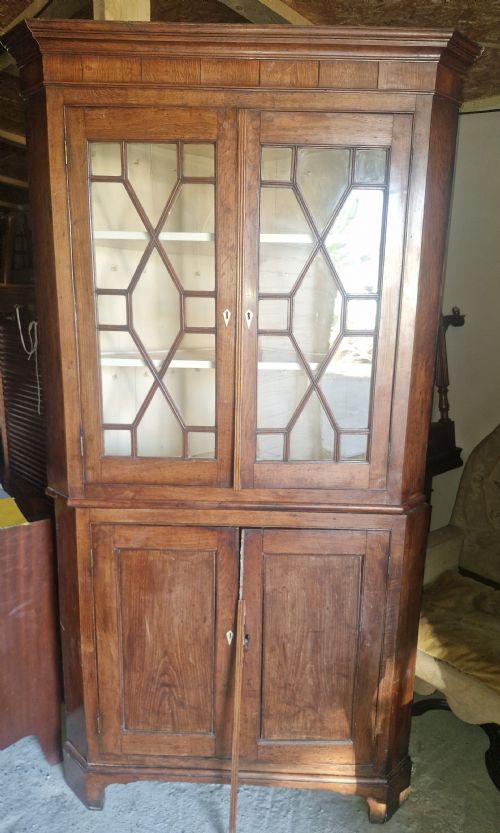
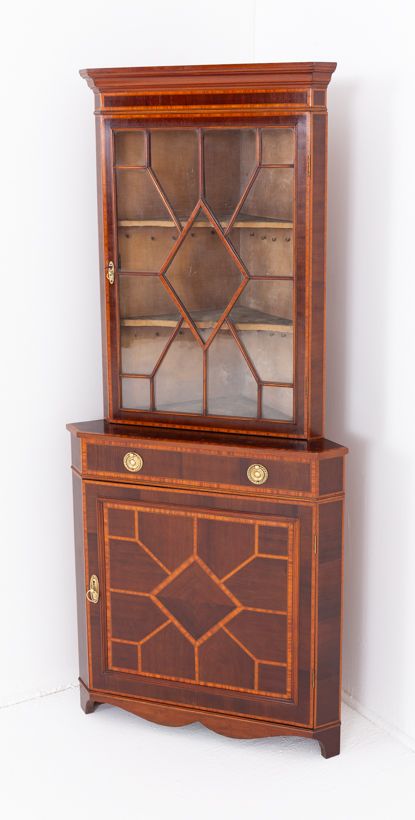
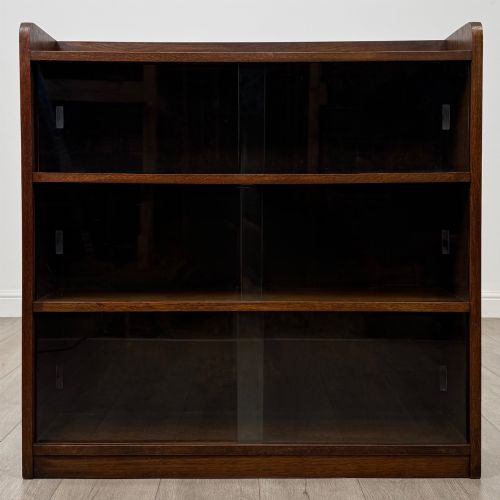
A glazed display unit encompasses a broad family of storage furniture designed to keep contents visible yet protected, spanning corner cabinets, floor-standing display pieces, bookcases, and haberdashery cabinets. On this page, you are most likely to encounter Edwardian and 19th-century interpretations alongside Georgian, Victorian, and 1930s examples.
The configurations vary considerably depending on where the piece stood in a room, ranging from wall-hanging corner cupboards to substantial two-part kitchen dressers and stacking bookcases. Oak, mahogany, and pine dominate the structural forms, frequently incorporating specialist compartments for china, books, or shop merchandise.
Materials and Technique
Cabinetmakers constructed these frames primarily in solid hardwoods like oak and mahogany, or softer timbers such as pine, often enriching mahogany surfaces with satinwood inlay or brass hardware. Lead came secures individual panes in leaded glass doors, while astragal bars divide larger glazed areas into smaller geometric sections.
Joinery techniques balance structural load with visual lightness, utilising rebated glazing bars to hold glass securely and precise framing for multi-part items like two-piece corner cupboards. Surfaces receive traditional finishes, from wax and polish on hardwoods to painted treatments on pine.
Glazed Display Unit Retail Price Guide 2026
Typical asking prices for glazed display unit among the pieces listed under this phrase on Sellingantiques today, from the lower quarter to the upper quarter. They describe what is for sale here now, not the wider market.
Listings feature structural timbers including oak, mahogany, walnut, and pine, alongside decorative accents of brass and lead.
Craftsmanship and Proportion
Quality rests in the precision of the timber selection, such as the deliberate choice of burr walnut or figured mahogany, and the crispness of carved details like cabriole legs or dental mouldings. Finer examples display meticulous attention to inlay work and the harmonious proportions of glazed door apertures.
The integrity of the glazing itself dictates much of the standard, separating standard sheet glass from leaded arrangements or astragal-glazed grids executed with slender, uniform wooden dividers. Maker attribution, visible in specialised works from established firms, further distinguishes exceptional cabinet-making from standard utility furniture.
Epstein·Goodhall, Lamb and Heighway of Manchester
The Glazed Display Unit Glossary
- Astragal glazed
- A method where wooden bars divide a glass window into smaller panes. These delicate strips are rebated to hold the glass securely in place.
- Lead came
- The grooved lead rods used to hold individual pieces of glass together in leaded windows and cabinet doors. It provides both structural connection and decorative linear pattern.
- Corner cabinet
- A storage unit shaped with a flat front and angled sides to fit precisely into the corner of a room. They appear in both wall-hanging and floor-standing two-part forms.
- Haberdashery cabinet
- A form of multi-drawer storage originally utilised in shops for textiles and small goods. They typically feature glass fronts or surfaces suited for merchandise display.
- Secretaire bookcase
- A tall storage piece combining a bookcase upper section with a pull-down writing drawer containing small pigeonholes and fitted compartments.
Glazed Display Unit: Frequently Asked Questions
What is a glazed display unit used for?
These cabinets serve to house and exhibit collections of ceramics, books, glassware, and curiosities while keeping dust at bay. The transparent doors allow items to remain visible within domestic living spaces.
Historically, specific variations accommodated everything from household china in dining rooms to retail merchandise in shop settings, blending practical storage with visual presentation.
How do I tell an Edwardian display unit from a Georgian one?
Edwardian pieces often feature lighter satinwood inlay, Sheraton Revival motifs, and occasionally leaded glass within lighter timber frames. They frequently date around the turn of the twentieth century.
Georgian cabinets typically rely on dense mahogany or oak construction with heavier architectural mouldings, astragal-glazed doors, and proportions suited to formal eighteenth-century interiors.
Are corner cabinets difficult to place in a modern room?
Corner units are designed specifically to utilise awkward or empty angles in a room, making them remarkably space-efficient. They make use of vertical wall junctions without protruding into open floor space.
Both wall-hanging and floor-standing variants anchor visually into a corner, drawing the eye upward and providing storage where standard rectangular furniture might not fit.
What is a two-part glazed display unit?
A two-part unit consists of a separate upper glazed cabinet resting upon a lower base cabinet or cupboard. This modular construction aided transportation and placement in historic homes.
The separation point typically sits at counter height, dividing the display space above from enclosed storage below.