




Glazed Creamware Pottery
Glazed creamware pottery brings refined English earthenware into a room, offering pale bodies and clear lead glazes that collectors prize for their subtle warmth.
Glazed Creamware Pottery
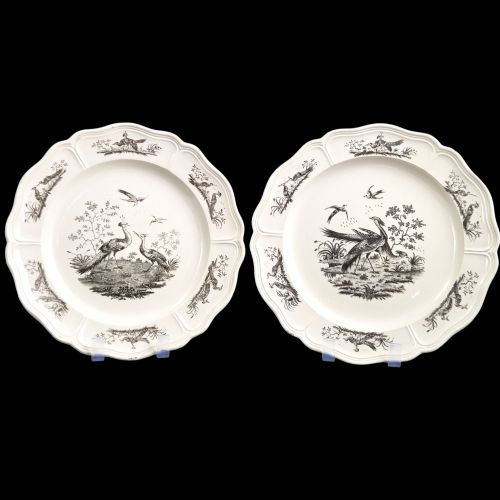
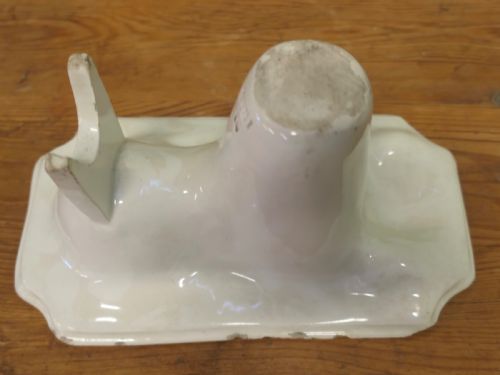
Glazed creamware pottery encompasses practical vessels and decorative objects produced across the Georgian, Regency, and Victorian periods. These pieces range from tableware such as plates, bowls, and dessert services to sanitaryware like knee baths and jelly moulds.
The most typical examples on this page are earthenware items finished with smooth cream-coloured glazes, occasionally enriched with cobalt pigment, variegated lustre, or blue and white designs. Their forms shift from domestic utility to decorative display, reflecting the evolving tastes of the eighteenth and nineteenth centuries.
How they were made
Potters shaped these wares from local clays, utilising earthenware bodies that were subsequently coated in transparent lead glazes to achieve the characteristic pale, glossy finish. Some items incorporated pearlware bodies or painted cobalt pigment beneath the glaze before final firing in kilns.
Moulding techniques allowed workshops to produce complex shapes such as lion jelly moulds and knee baths alongside wheel-thrown tankards, tea caddies, and plates. Surface decoration relied on simple pigments and lustres rather than heavy polychrome enamels.
Glazed Creamware Pottery Retail Price Guide 2026
Typical asking prices for glazed creamware pottery among the pieces listed under this phrase on Sellingantiques today, from the lower quarter to the upper quarter. They describe what is for sale here now, not the wider market.
Listings feature Georgian, Victorian, and Edwardian periods, utilising earthenware, pearlware, and lead glaze across forms from tea caddies to sanitaryware.
What varies in quality
Quality rests in the crispness of the moulded detail and the uniformity of the glaze across the earthenware body. Pieces that retain sharp relief in forms like jelly moulds or figures show superior craftsmanship compared to softer, worn impressions.
The sophistication of the decoration further separates examples, from plain creamware surfaces to those featuring controlled variegated lustre, cobalt painting, or transfer printing. Maker attribution, such as work associated with Leeds Pottery, Wedgwood, or Enoch Wood, often aligns with greater refinement in potting.
Leeds Pottery·Ralph Wood·Enoch Wood and Sons·Wedgwood
The Glazed Creamware Pottery Glossary
- Creamware
- A refined earthenware developed in eighteenth-century England, known for its pale yellow or cream-coloured body and translucent lead glaze.
- Pearlware
- An improved earthenware body introduced in the late eighteenth century, containing a small amount of cobalt in the glaze to make the overall appearance whiter.
- Lead glaze
- A glossy coating containing lead oxide applied to earthenware to create a waterproof seal and a smooth surface.
- Cobalt pigment
- A blue mineral colour used under the glaze to paint designs onto ceramic bodies before firing.
- Earthenware
- Porous pottery fired at lower temperatures than stoneware or porcelain, requiring a glaze to hold liquids.
Glazed Creamware Pottery: Frequently Asked Questions
What is glazed creamware pottery?
Glazed creamware pottery is a type of refined English earthenware developed during the eighteenth century, characterised by its pale body and glossy lead glaze. These pieces include everything from domestic tableware to decorative objects and large sanitary items.
Potters across Staffordshire, Yorkshire, and other regions shaped these wares for daily use and display, creating a durable and visually appealing ceramic that became a staple of British homes.
How do I date creamware?
Dating creamware relies on examining the exact shade of the glaze, the weight of the ceramic body, and the manufacturing style. Earlier eighteenth-century pieces often feature a deeper cream hue, while later nineteenth-century examples lean closer to white as pearlware developments took hold.
Form and decoration also provide clues, with Georgian items typically showing simpler, restrained profiles compared to the more elaborate Victorian and Edwardian shapes.
How were jelly moulds used?
Staffordshire cream-glazed jelly moulds were used in Georgian and Victorian kitchens to shape jellies, aspics, and blancmanges. Cooks poured warm mixtures into the hollow interiors and left them to set before inverting the moulds onto serving dishes.
The raised interior designs, such as lions or geometric patterns, transferred directly onto the food to create an ornamental centrepiece for the dining table.
How do I care for creamware?
Living with antique creamware requires gentle handling, as earthenware is porous if the glaze sustains damage. Pieces should be washed by hand in lukewarm water using mild soap, avoiding harsh scrubbing brushes or automated dishwashers.
Displaying them safely away from heavy vibrations and extreme temperature changes protects the historic glaze and ceramic body for the future.