
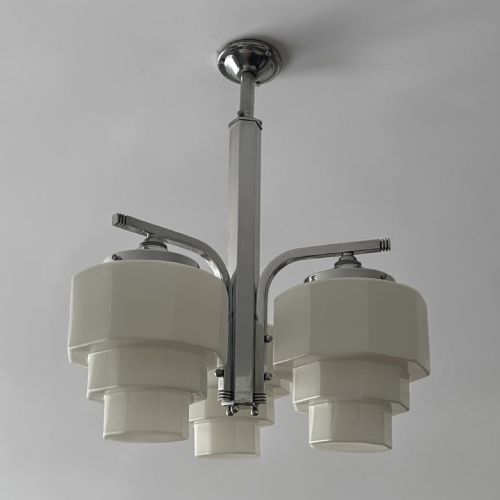
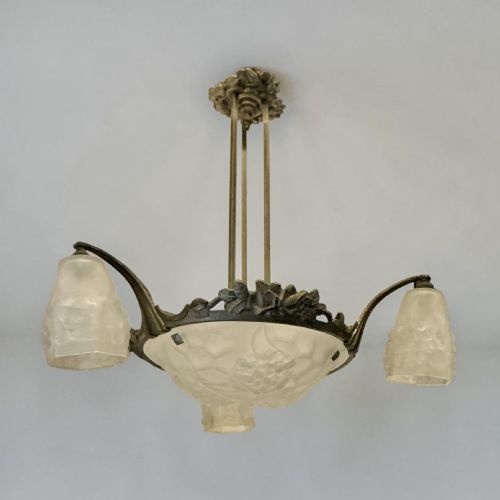

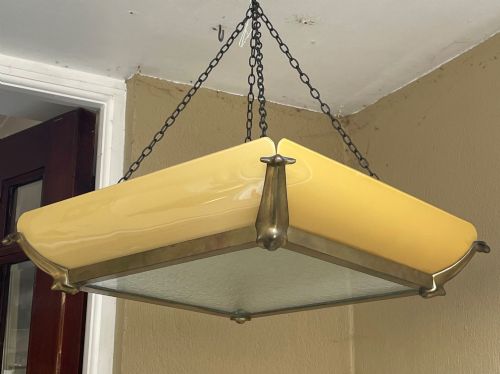
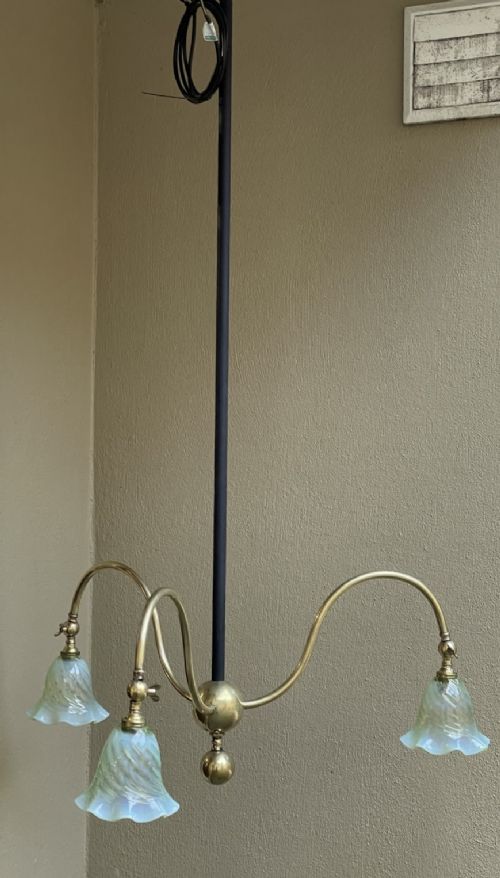
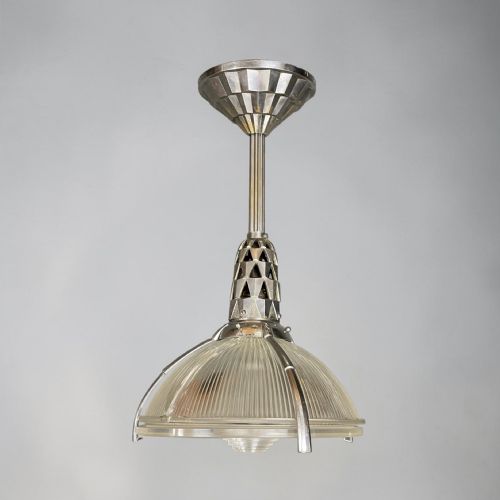
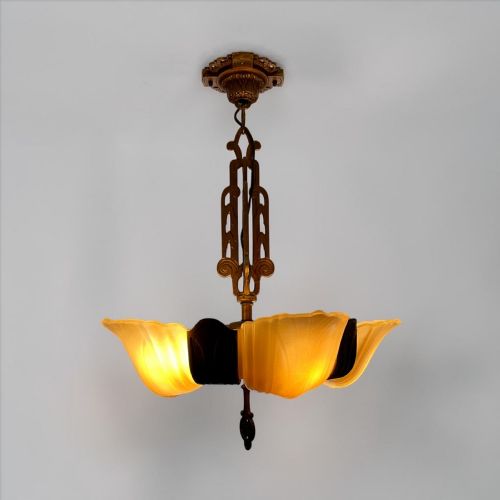
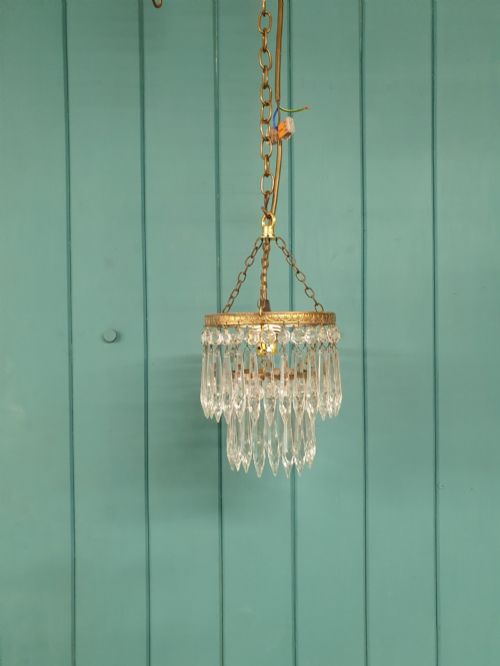
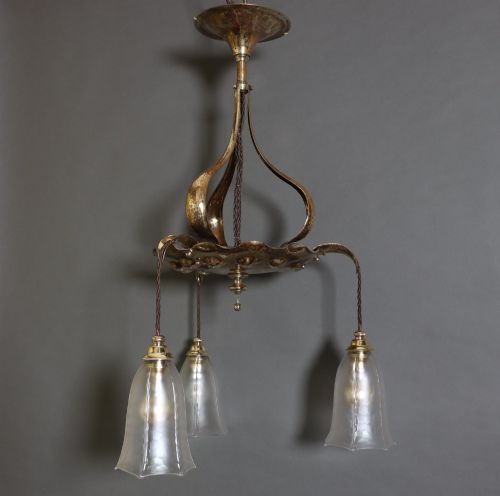
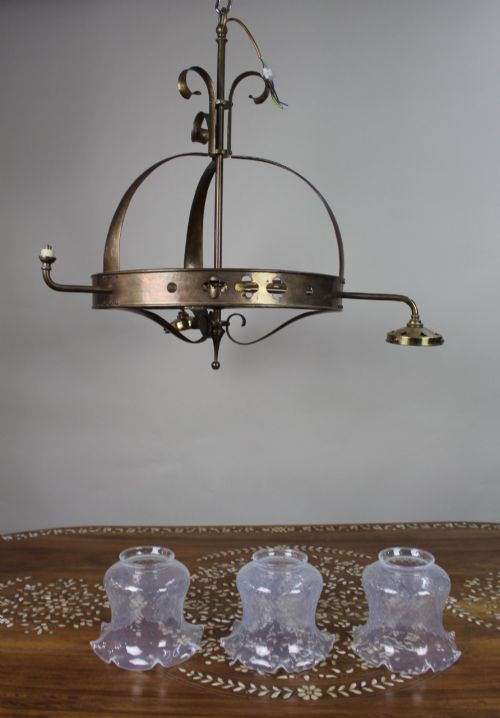
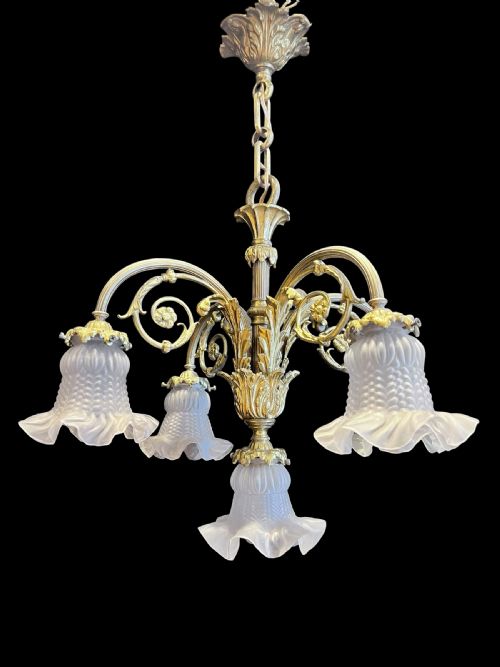
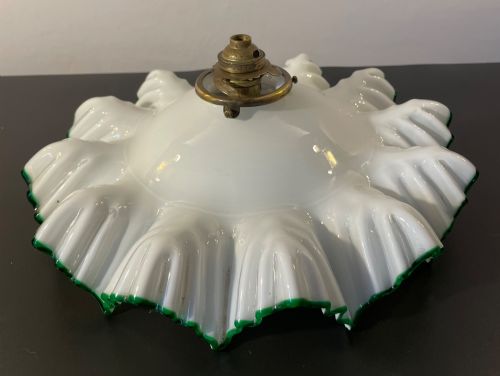
Glass Shade Ceiling Light
When you want a glass shade ceiling light, you are choosing a fixture that brings period character and diffused illumination to a room.
Glass Shade Ceiling Light
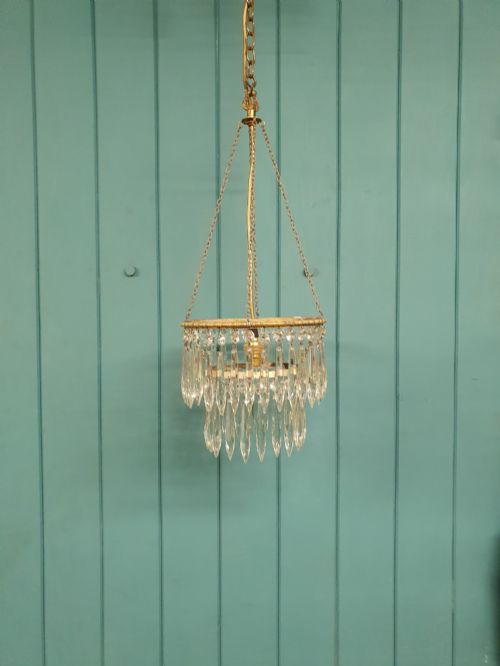
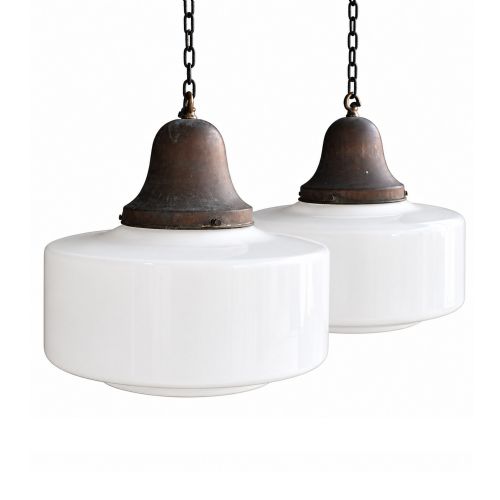
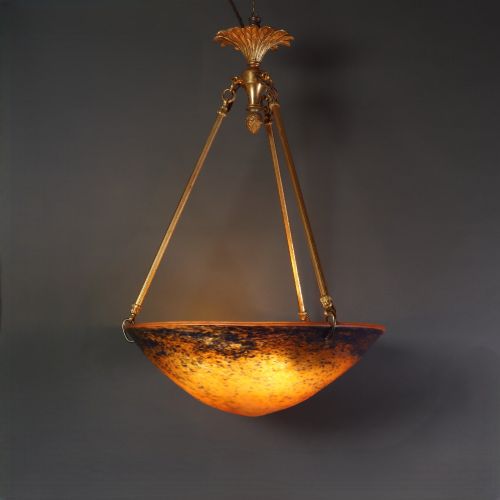
A glass shade ceiling light covers a wide sweep of domestic and public lighting from the Victorian era through the 1940s. Buyers encountering this phrase on the page will find pendants, flush plafonniers, and multi-armed chandeliers spanning Victorian, Edwardian, Art Nouveau, Arts and Crafts, and Art Deco styles.
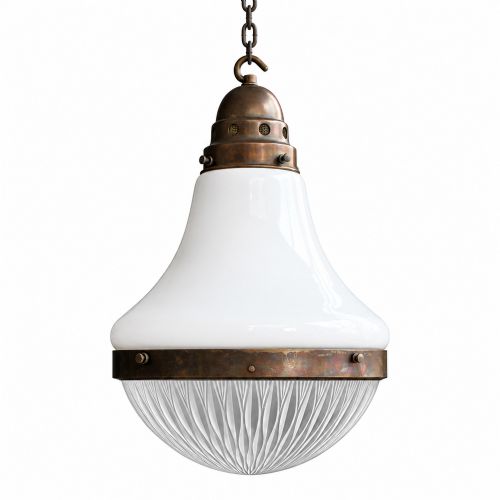
The dominant forms rely on suspended shades paired with metal galleries. Common formats include single drop pendants, rise and fall mechanisms, and industrial lanterns utilising moulded or blown glass.
Materials and Construction
Makers combined brass, copper, and cast metal work with specialised glass techniques such as opaline, moonstone, cut crystal, and frosted finishes. Metal components like galleries and chains hold heavy glass globes, shades, or prisms securely in place.
Glass production during these periods involved hand-blowing, mould-pressing, and intricate cutting. Metalwork frames were cast, spun, or plated to house the electrical or gas fittings.
Listings feature brass, copper, and iron paired with opaline, cut crystal, and frosted glass across Victorian, Edwardian, and Art Deco periods.
Assessing Craftsmanship
Quality rests in the weight and clarity of the glass, alongside the substantial nature of the metal mounts. Thick, hand-finished opaline or deeply cut crystal sit at the upper end, showing crisp edges and smooth surfaces without distortion.
Superior pieces feature robust brass or copper galleries with well-cast details and matching original components. Finer items integrate structural hardware seamlessly into the overall design of the pendant or chandelier.
Émile-Jacques Ruhlmann·Holophane·Jefferson
The Glass Shade Ceiling Light Glossary
- Plafonnier
- A ceiling light fixture that sits flush or close against the ceiling surface. These often feature domed glass shades held by metal frames.
- Opaline glass
- An opaque or semi-translucent glass type developed in various pastel shades or white. It diffuses light evenly across a room.
- Gallery
- The metal ring or collar that grips the top rim of a glass lampshade. It connects the shade to the suspension rod or chain.
- Rise and fall
- A mechanical pulley system using counterweights. This allows the pendant light to be adjusted to different heights.
- Moonstone glass
- A type of semi-translucent milky glass with a soft appearance. It resembles the gentle glow of the moon when illuminated.
Glass Shade Ceiling Light: Frequently Asked Questions
How do I hang a heavy antique glass pendant?
Heavy fixtures require proper ceiling joist anchoring and a metal hook capable of supporting the combined weight of the glass shade and brass frame. Professional installation ensures the electrical wiring and suspension chain bear the load safely.
Most period fittings use standard hook-and-loop ceiling plates. Ensure your electrician checks the integrity of the original galleries before hanging.
Can I use modern bulbs in these lights?
Modern LED bulbs work well in period fixtures because they produce less heat than older incandescent lamps. This protects fragile vintage glass shades from thermal stress over long periods of use.
Choose bulb shapes and colour temperatures that complement the opacity of the glass. Warm white bulbs enhance the tones of opaline, amber, and cranberry glass.
How do I clean antique glass shades?
Remove the glass shade from its metal gallery before cleaning to prevent accidental drops. Wash the glass gently in warm soapy water using a soft cloth, avoiding harsh abrasives that scratch historical surfaces.
Dry the shade thoroughly before reattaching it to the brass or copper fitting. Take care around hand-painted or etched details to preserve the finish.
What is a gasolier conversion?
A gasolier is an antique multi-arm light fitting originally designed to burn gas rather than electricity. Many surviving examples have been carefully rewired for modern electrical use while retaining their original brass frames and glass shades.
These converted fixtures combine historical gas-key details with standard bulb holders. They offer the grandeur of Victorian and Edwardian gas lighting with modern safety standards.